


Victorian Telescope
A victorian telescope brings precision optics and polished brass from the nineteenth century directly into your study or library.
Victorian Telescope
A victorian telescope comprises compact draw models for the pocket or maritime use alongside larger library instruments mounted on stands. When you search for a victorian telescope, you encounter terrestrial brass spyglasses, multi-draw optical tubes, and scientific apparatus spanning the nineteenth century.
Most examples found here combine gleaming brass barrels with hand-stitched leather grips or turned wood casings. Marine tubes and pocket spyglasses dominate the selections, alongside scientific instruments such as theodolites and levels.
Beyond traditional optics, the evidence includes related scientific instruments and domestic furnishings sharing the period aesthetic. These optical tools served naval officers, astronomers, and travellers across the nineteenth century.
Materials and construction methods
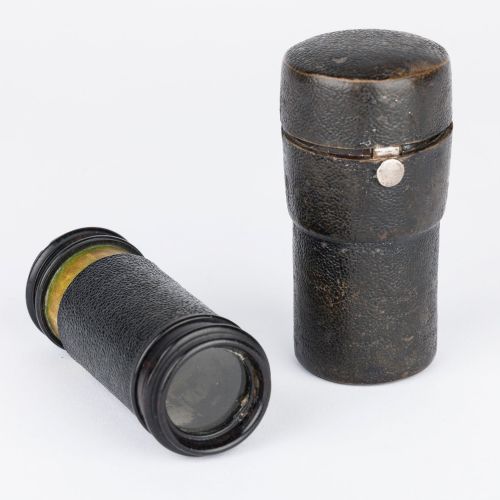
Makers constructed the optical tubes predominantly from polished brass, incorporating glass lenses for terrestrial and astronomical viewing. Many barrels feature protective wrappings of stitched leather, mahogany, or fruitwood to ensure a secure grip during use.
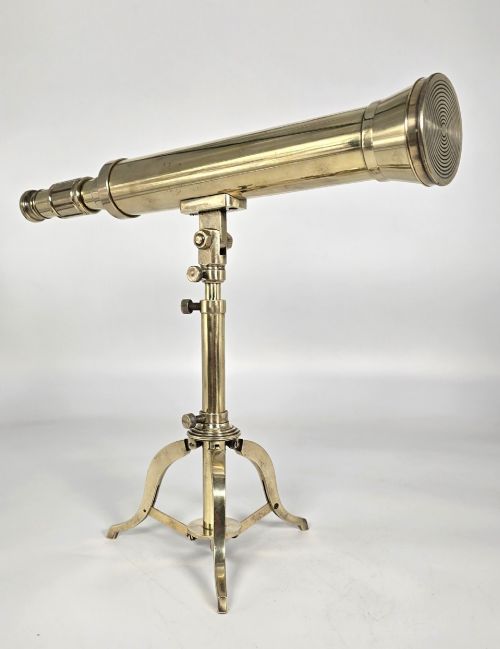
Multiple draw sections allowed portable telescopes to collapse into compact lengths while extending smoothly for focus. Larger library and tabletop instruments relied on sturdy wood and brass tripod stands to maintain stability during observation.
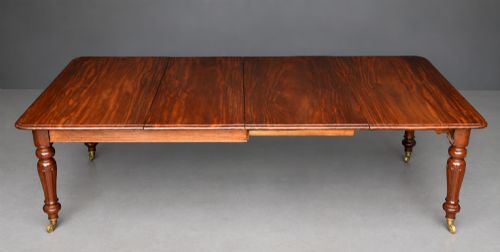
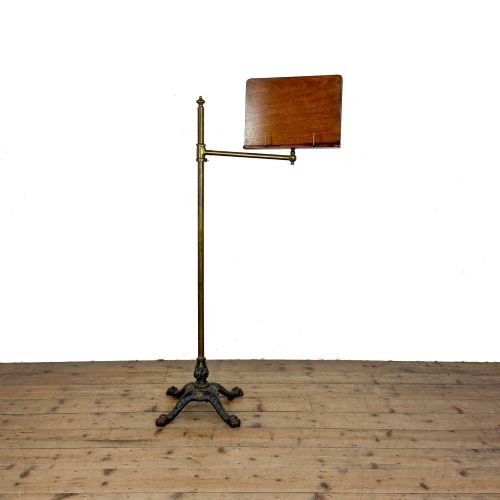
Listings feature nineteenth-century brass, mahogany, and leather optics alongside related items like extending dining tables and reading stands.
Judging optical and physical quality
Quality rests upon the clarity of the glass optics and the precision with which the brass draw tubes slide and lock. Signed instruments bearing the names of prominent makers demonstrate superior optical engineering and finishing compared to unsigned commercial pieces.
The condition of the original leather or wood cladding and the integrity of the focus mechanisms dictate the desirability of the piece. Fine examples retain their original fitted cases, folding tripods, and clear lens elements.
Ross of London·L Casella & Co·Newton & Co·Negretti & Zambra·Chadburn Brothers of Sheffield·S & B Solomons·WF STANLEY
The Victorian Telescope Glossary
- Draw
- A sliding tubular section of a telescope barrel. Multiple draws allow the instrument to collapse for transport and extend for focusing.
- Terrestrial telescope
- An optical instrument configured to erect the image for viewing objects on land. These models use erecting lenses to present a right-side-up view.
- Library telescope
- A larger stationary instrument designed for indoor observation. These pieces typically rest on table stands rather than handheld use.
- Spyglass
- A small, portable handheld telescope. Sailors and travellers carried these compact instruments for quick reconnaissance.
- Monocular
- A single-barrel optical viewing scope used for one eye. These handheld devices include opera glasses and compact viewing tools.
Victorian Telescope: Frequently Asked Questions
How do I focus a multi-draw telescope?
Extend all the brass draw tubes fully until the instrument reaches its maximum length. Adjust the final smaller draw section near the eyepiece slowly until the distant subject appears sharp.
Keep the lens clean and support the main barrel steadily with both hands or a stand to maintain a clear image.
Were these telescopes used at sea?
Many of these instruments served naval officers and merchant seamen for navigation and spotting land. Leather cladding protected the brass bodies from salt air and harsh maritime conditions.
Shorter single-draw or three-draw spyglasses were standard equipment on nineteenth-century ships for watch duties.
How should I display a library telescope?
Place large library models on sturdy wooden tables or desks where their brass stands remain fully supported. Position them near natural light away from direct heat sources.
Ensure the brass tripod or tabletop mount sits level to prevent the instrument from rolling or tipping over.
How do I identify the maker?
Examine the engraved text near the eyepiece or around the main brass barrel for signatures and company names. Makers frequently stamped their workshop titles and locations directly onto the metal.
Patents and city names inscribed on the brass provide reliable clues regarding the origin and date of the instrument.