



Victorian Teapot
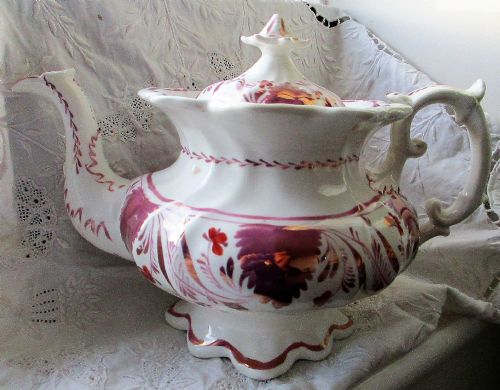
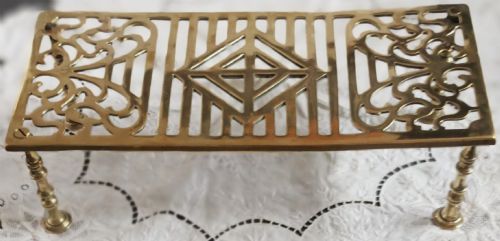
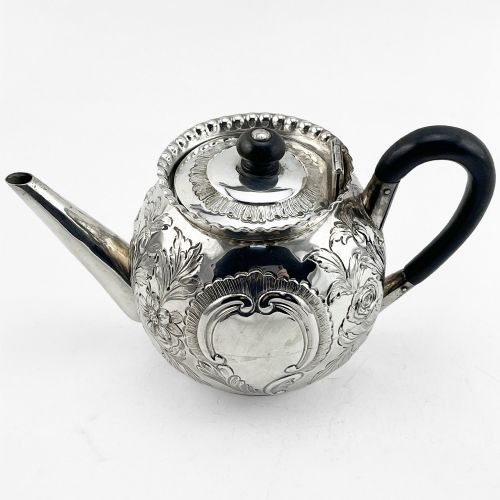
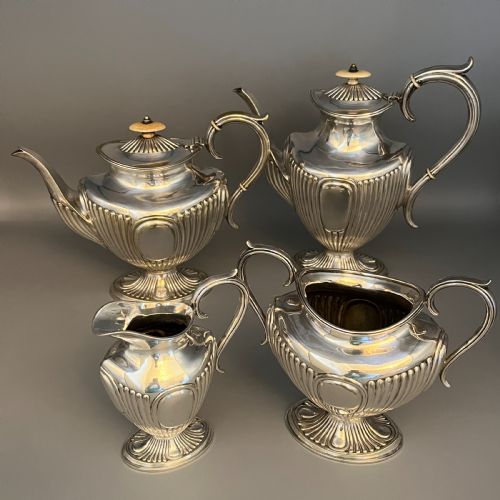
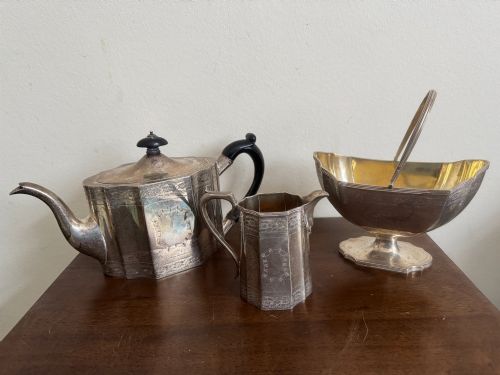
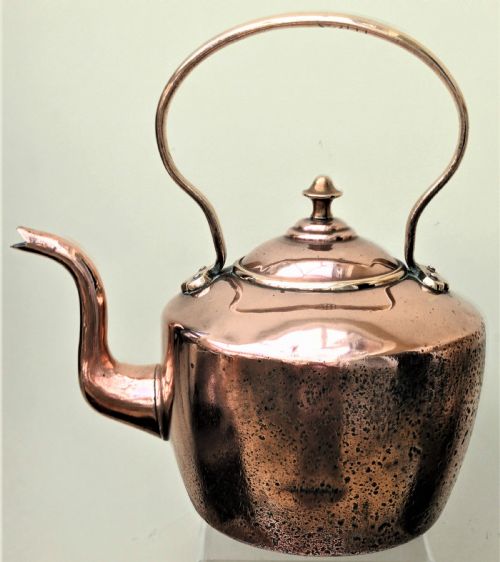
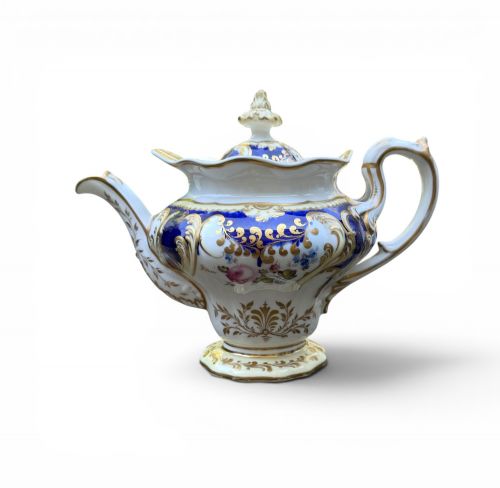
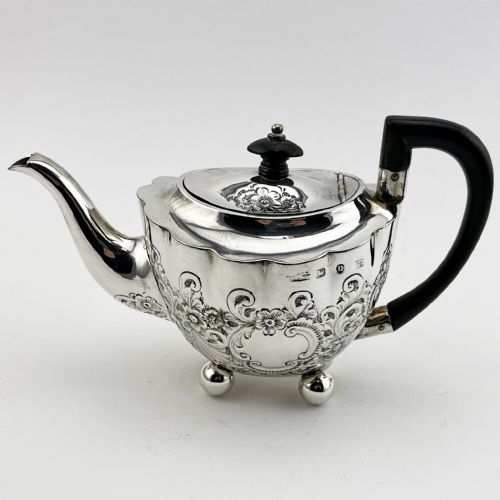
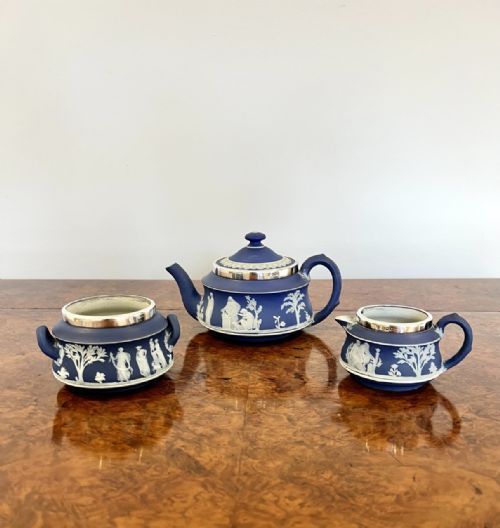
These pieces of a victorian teapot offer tactile service in silver, porcelain, earthenware, and copper.
Victorian Teapot
A victorian teapot stands as a central vessel for nineteenth-century hospitality, taking diverse forms from porcelain breakfast services and earthenware bachelor sets to metal kettles on stands. The search for a victorian teapot brings up individual pots alongside larger tea and coffee services, porcelain wares, and domestic metalwork.
The objects appearing across the listings range from earthenware and stoneware to porcelain, silver plate, sterling silver, copper, and brass. Makers and regional potteries delivered everything from transfer-printed earthenware to heavy metal spirit kettles and decorative majolica pieces.
How they were made
Potters shaped clay, porcelain, and majolica on wheels or in moulds before firing, applying transfer prints, hand-painted colours, or relief details such as jasperware and cobalt blue finishes. Metalworkers hammered copper, brass, and silver plate into sturdy shapes, often mounting kettles on matching stands with burners.
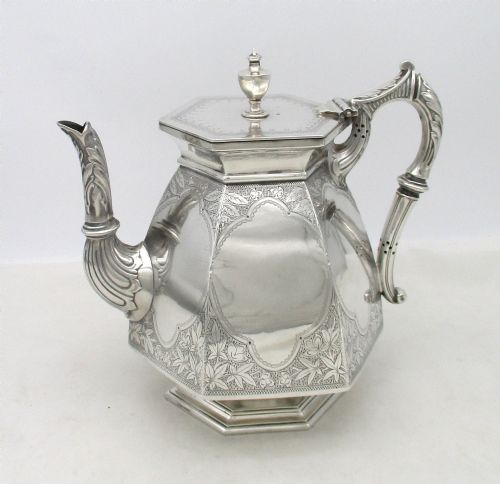
Silver items required silversmiths to raise, shape, and solder metal components, incorporating handles of wood or insulated mounts for daily utility. Glazing techniques on ceramic bodies sealed the porous earthenware and stoneware for practical service.
Victorian Teapot Retail Price Guide 2026
Typical asking prices for victorian teapot among the pieces listed under this phrase on Sellingantiques today, from the lower quarter to the upper quarter. They describe what is for sale here now, not the wider market.
Listings feature porcelain, earthenware, stoneware, copper, brass, sterling silver, and silver plate across the nineteenth and early twentieth centuries.
What varies in quality
The refinement of the modelling, the clarity of transfer printing or hand-painted botanical and pictorial scenes, and the crispness of relief decoration set different examples apart. Weight, balance, and the integration of handles and spouts show the maker's hand.
Metal vessels vary by the thickness of the copper or brass sheet, the weight of the silver plating, and the structural integrity of stands, handles, and burners. Complete multi-piece sets and matching sets with coordinated trays or sugar bowls display greater cohesion than assembled groups.
Wedgwood·Mintons·Royal Worcester·Doulton·William Soutter & Sons·Joseph Holdcroft·W.H. Goss·Royal Davenport
The Victorian Teapot Glossary
- Bachelor Teaset
- A small tea service designed for one person, typically comprising a miniature teapot, cream jug, and sugar bowl. These compact sets were popular for private parlour use during the nineteenth century.
- Jasperware
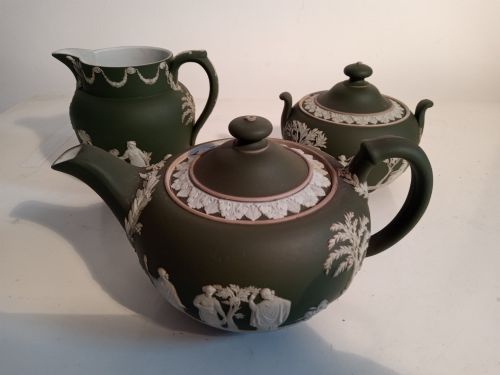
- A type of vitreous stoneware developed by Wedgwood, most commonly recognised by white relief figures set against a blue, green, or black background. This ceramic technique created striking contrast on teapots and decorative vessels.
- Spirit Kettle
- A kettle mounted on a metal stand with a small spirit burner underneath to keep water hot at the table. These pieces often formed part of larger silver-plated or copper tea sets.
- Majolica
- A colourful lead-glazed earthenware produced in bright, naturalistic tones during the Victorian era. Potteries utilised this technique to model teapots in whimsical figurative or botanical shapes.
- Transfer Printing
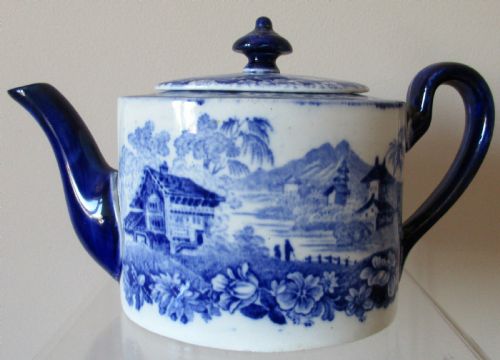
- A mechanical method of applying complex decorative patterns to ceramic ware by pressing a paper design from an engraved copper plate onto the biscuit surface. This allowed for detailed blue and white scenes on domestic porcelain.
Victorian Teapot: Frequently Asked Questions
How do I date a victorian teapot?
Dating relies on maker marks, registration diamonds, ceramic body types, and stylistic indicators such as Aesthetic Movement or Rococo Revival motifs. Hallmarks on silver and silver-plated items provide precise assay office ciphers and years.
Material choices also guide dating, as transfer-printed earthenwares and heavy copper kettles reflect specific manufacturing periods within the nineteenth century.
Can I use a victorianteapot for tea?
Many ceramic and metal examples remain structurally sound for serving tea, provided the interior is clean and free from residue. Silver and porcelain pots function well for daily service.
Earthenware and majolica pieces require gentle handling due to porous bodies or delicate surface glazes. Metal spirit kettles can heat water if the burner and frame remain intact.
What is a bachelor teapot?
A bachelor teapot is a scaled-down vessel made for a single drinker, often forming part of a miniature tea set with a matching cup or small basin. These compact sets suited individual morning routines in Victorian homes.
Potteries produced them in porcelain, jasperware, and earthenware with distinctive decorative patterns.
Why do some teapots have stands?
Metal kettles often came with stands and spirit burners to maintain water temperature during long meals or social gatherings in the drawing room. The burner sat beneath the suspended kettle.
These setup styles were common for heavy copper, brass, and silver-plated tea services used throughout the late nineteenth century.