


Victorian Tea Storage
Victorian tea storage brings together timber caddies, silver canisters and decorative tins designed to preserve precious tea leaves.
Victorian Tea Storage
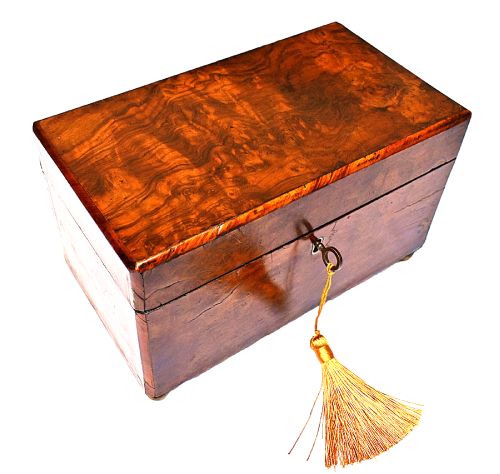
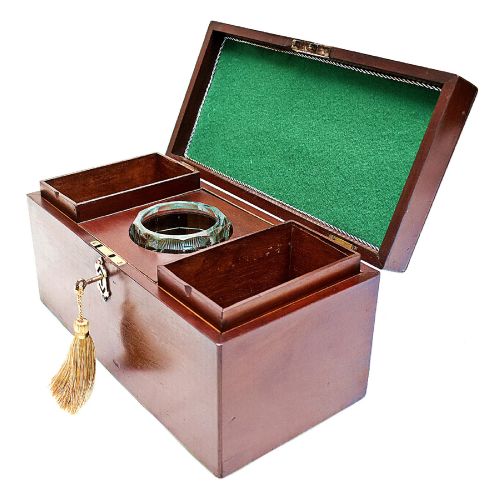
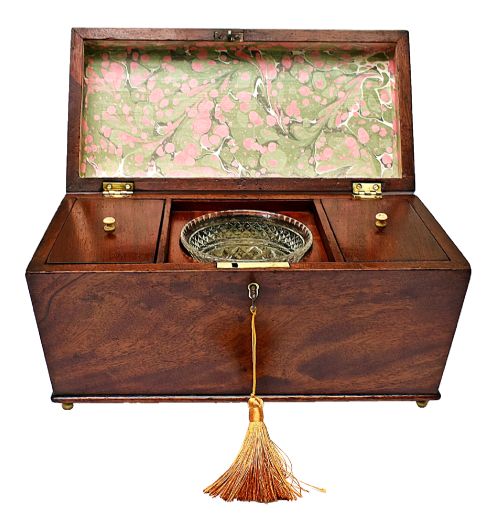
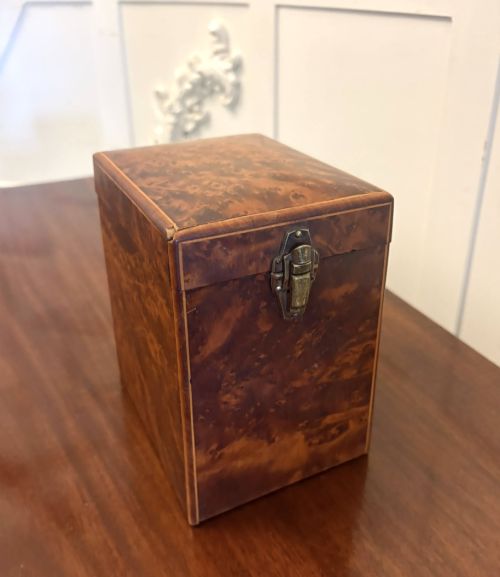
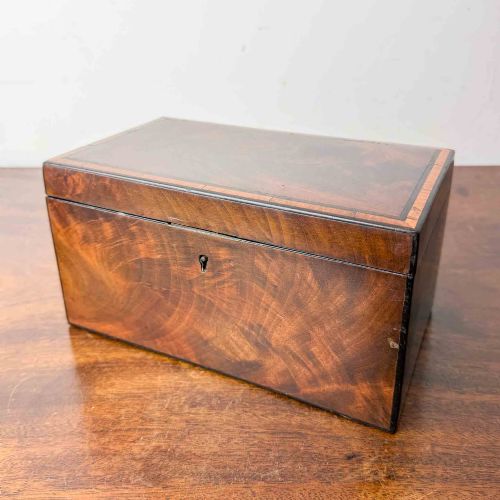
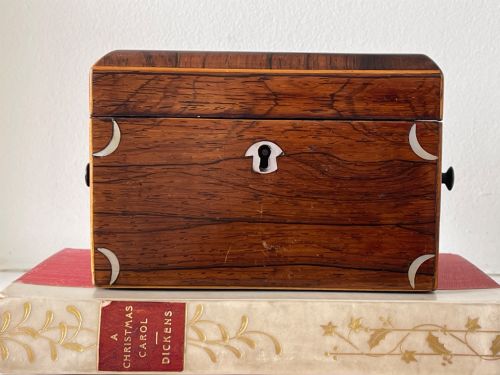
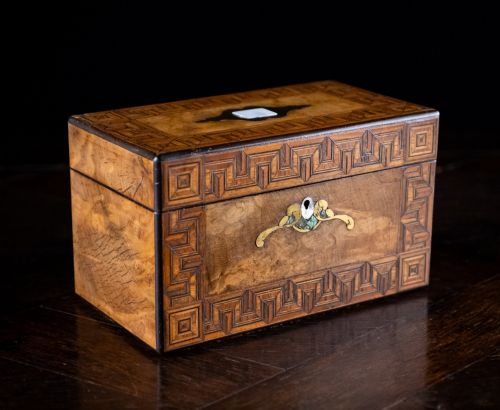
Victorian tea storage encompasses a range of wooden boxes, metal canisters and ceramic vessels designed to protect dry leaves from dampness and loss of flavour. The most common survivals on this page are mahogany, rosewood and walnut tea caddies, often configured with internal compartments and mixing bowls.
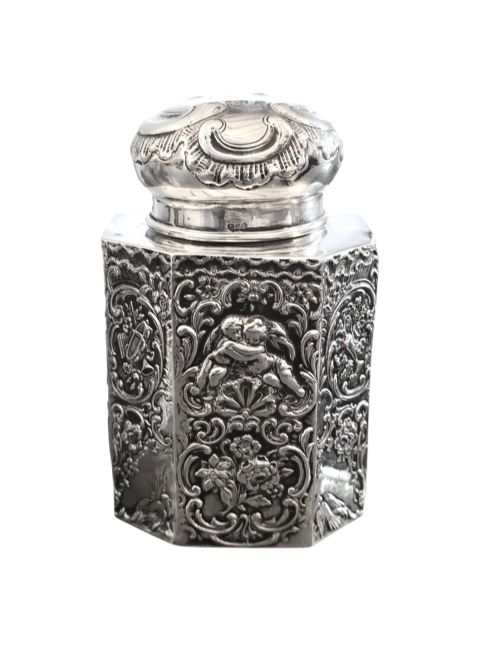
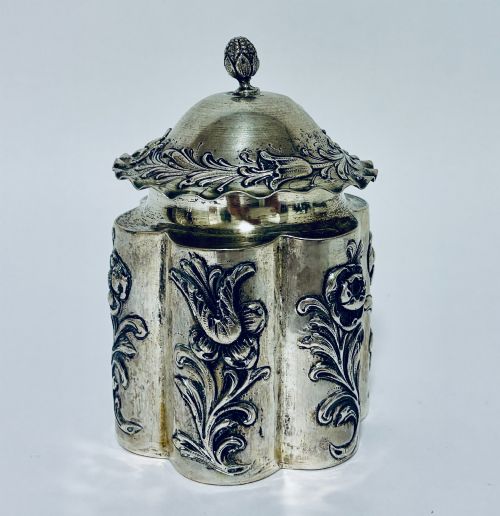
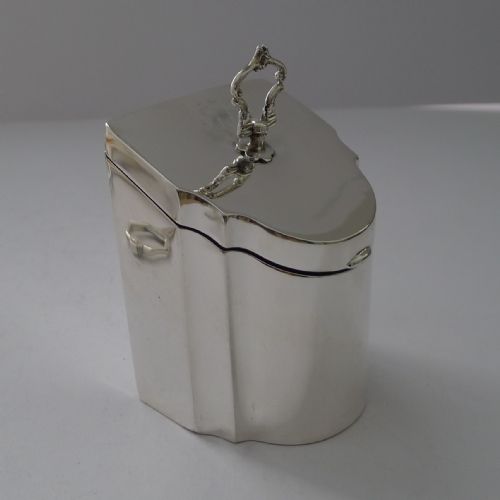
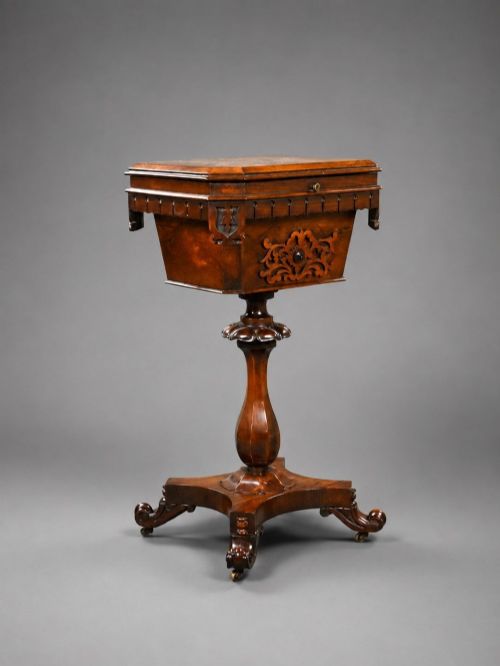
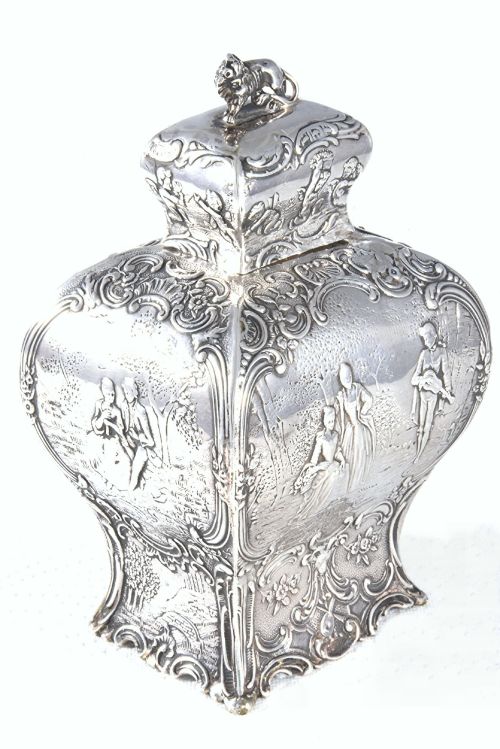
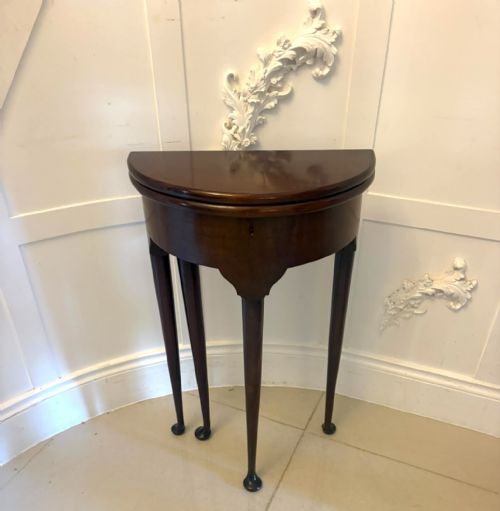
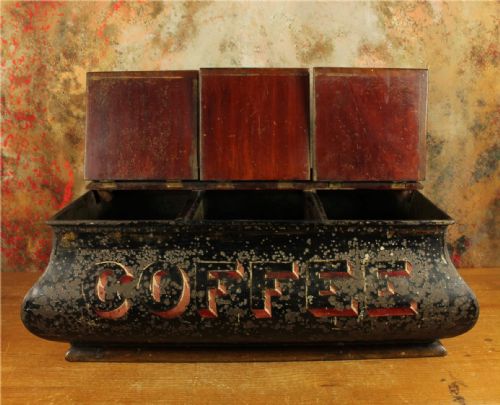
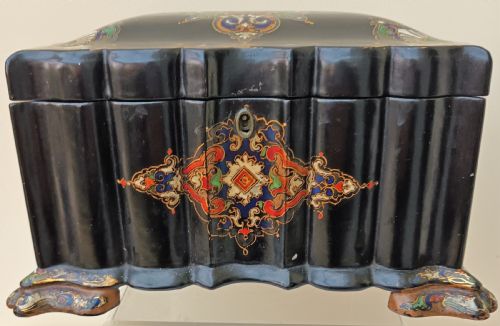
Beyond standard tabletop caddies, the selection extends to larger tea poys mounted on pedestals, occasional tables with concealed compartments, and decorative toleware or papier-mâché boxes. Buyers also encounter sterling silver pieces in various shapes, alongside metal biscuit barrels and painted canisters from the later nineteenth century.
The objects span the nineteenth century, with particular emphasis on the Victorian period and transitional Regency or William IV styles. Many pieces reflect revival aesthetics and exotic influences, demonstrating how households managed and displayed their dry goods.
Materials and construction
Cabinetmakers utilised dense native and exotic timbers such as mahogany, rosewood, walnut and amboyna, frequently shaping them into sarcophagus, dome or knife box forms. Veneers and solid planks were assembled with precision joints, while luxury examples incorporated parquetry, marquetry and intricate mother-of-pearl inlay.
Metal vessels relied on sterling silver, silver plate, brass and tinned iron, shaped through techniques like repoussé work, casting and toleware painting. Papier-mâché provided a smooth black ground suitable for lacquering and shell inlay, while ceramic canisters utilised moulded earthenware and porcelain.
Victorian Tea Storage Retail Price Guide 2026
Typical asking prices for victorian tea storage among the pieces listed under this phrase on Sellingantiques today, from the lower quarter to the upper quarter. They describe what is for sale here now, not the wider market.
Listings feature woods like rosewood, mahogany and walnut alongside metalwork in sterling silver, brass and painted toleware.
Distinctions in quality
Quality rests upon the selection of timber grain, the crispness of inlay and the integrity of internal fittings such as crystal mixing bowls and foil-lined compartments. Superior pieces display harmonious proportions and seamless veneer work rather than rushed assembly.
Metalwork quality shows in the depth of hand-chased repoussé decoration on silver and the durability of the lacquer on papier-mâché or toleware surfaces. Pieces retaining original working locks, keys and intact interior lids command greater regard among collectors.
Tahan of Paris·Atkin Brothers·William Hutton·Huntley & Palmers
The Victorian Tea Storage Glossary
- Tea caddy
- A small box or chest designed to hold loose tea leaves. Early examples frequently featured secure locks because tea was an expensive commodity.
- Tea poy
- A pedestal table fitted with a storage container for tea, typically standing on a central pillar with tripod feet.
- Toleware
- Enamelled and painted metalware, usually tinplate, decorated with scenes or floral motifs.
- Repoussé
- A metalworking technique where the metal is hammered from the reverse side to form a raised design in relief.
- Sarcophagus form
- A box shape featuring a domed or peaked lid resembling a traditional stone coffin, popular for large tea caddies.
Victorian Tea Storage: Frequently Asked Questions
What is a tea poy?
A tea poy is a standalone piece of furniture featuring a lidded storage compartment mounted on a central pillar and base. It served a similar function to a tabletop caddy but stood beside a chair or sofa in the drawing room.
These pieces often included internal compartments for different tea varieties and sometimes incorporated a small mixing bowl for blending leaves.
How were caddies kept secure?
Victorian tea caddies were fitted with small brass or steel locks and supplied with matching keys. Because tea carried a high financial value in the nineteenth century, households kept the boxes locked between uses.
Many surviving pieces still retain their original working locks and escutcheons, though keys are frequently lost over generations.
What is papier-mâché?
Papier-mâché is a composite material made from paper pulp or layers of paper bound with glue, resin and sometimes clay. Once dried and pressed into moulds, it formed a rigid, lightweight body that took black lacquer exceptionally well.
Cabinetmakers decorated these surfaces with mother-of-pearl inlay, gilding and hand-painted details to create glossy, reflective storage boxes.
Why do some caddies have glass bowls?
The central glass bowl found inside many nineteenth-century tea caddies was designed for blending different tea leaves or holding sugar. Servants or hosts mixed the dry leaves before brewing, using the central vessel to combine varieties.
These bowls were typically cut glass or crystal, resting snugly within a dedicated velvet-lined or wooden aperture.