





Victorian Taxidermy Specimen
A victorian taxidermy specimen brings the drama of the natural world indoors through preserved birds, mammals, and fish housed in glass or wood.
Victorian Taxidermy Specimen
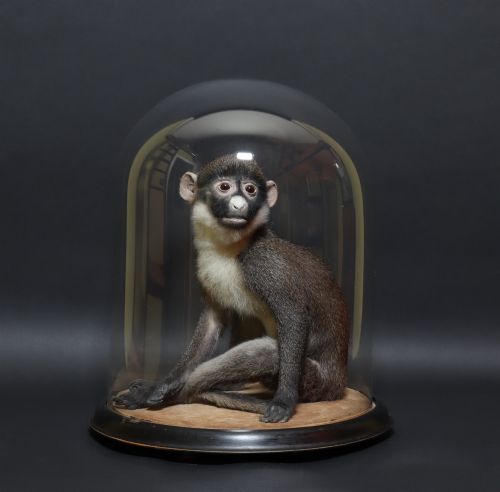
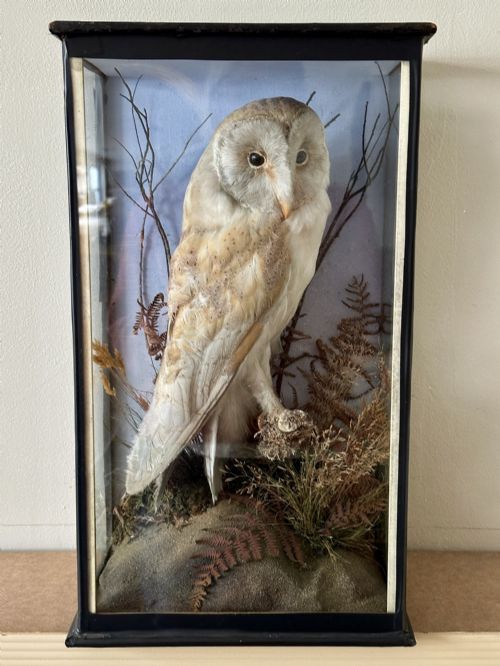
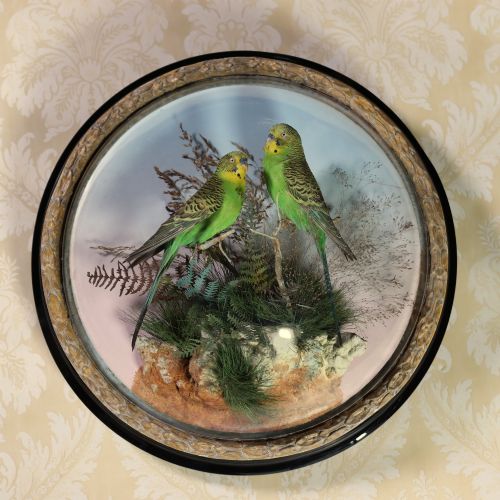
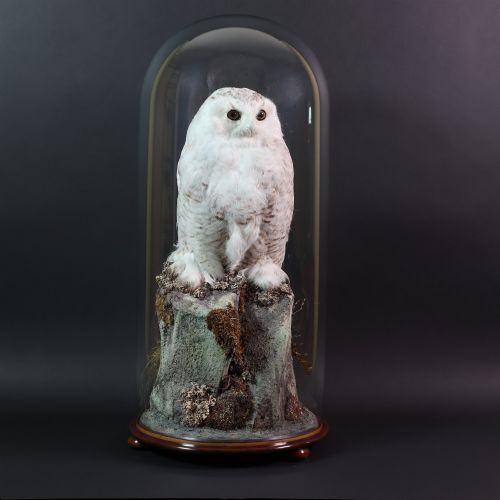
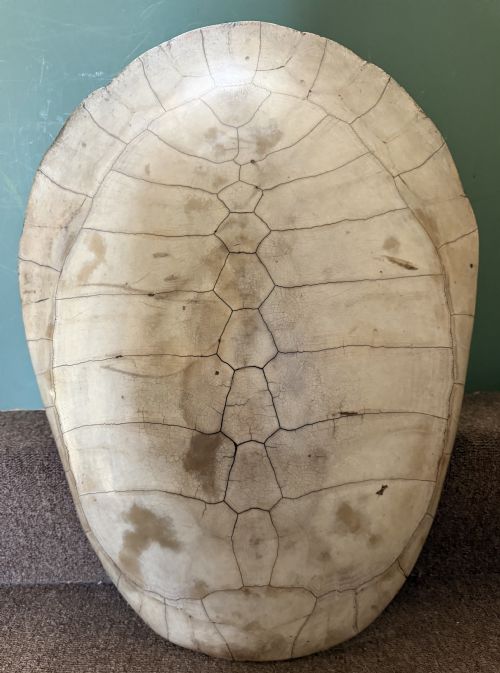
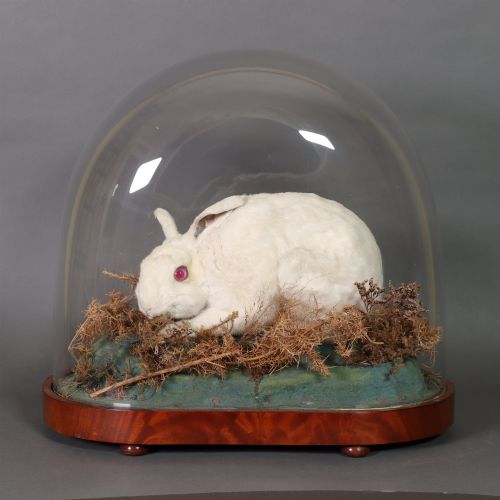
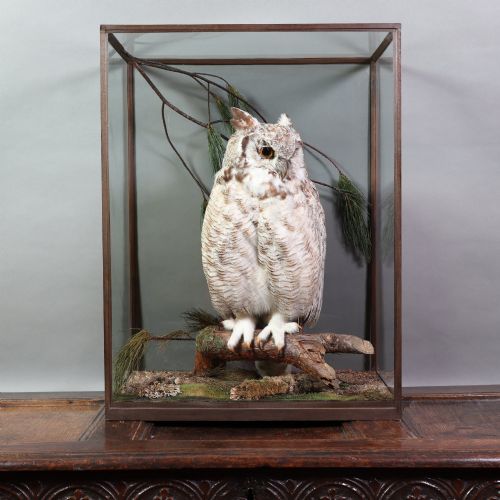
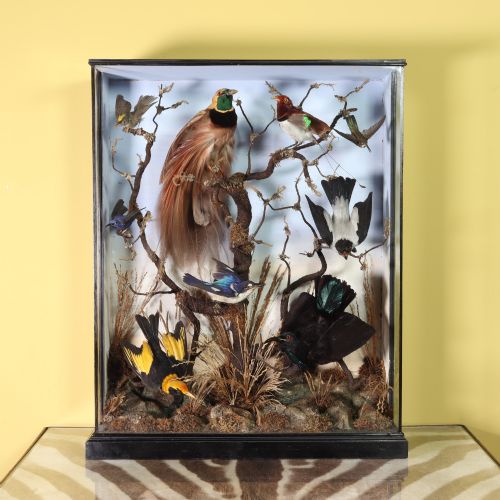
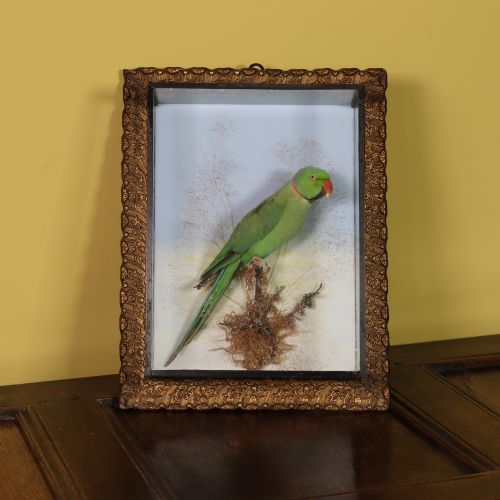
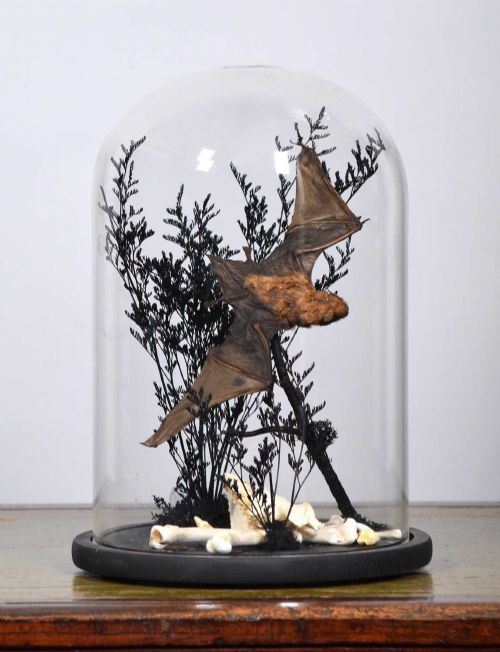
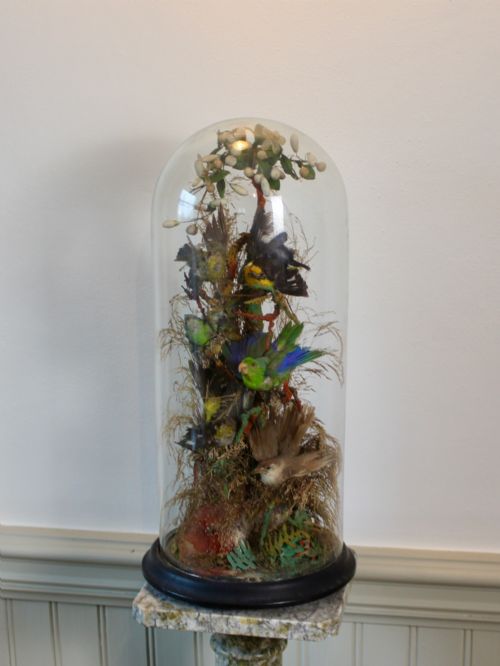
A victorian taxidermy specimen embodies the nineteenth-century passion for natural history, ranging from single mounted birds and mammals to complex multi-species compositions. The pieces on this page appear as standalone mounts, framed pictures, wall trophies, and detailed tableaux housed within glass domes or ebonised wood display cases.
Most examples originate from the Victorian and Edwardian eras, utilising domestic British wildlife alongside exotic birds and reptiles brought from overseas. The forms stretch from small songbirds and fish to large crocodiles, badgers, and deer heads mounted on carved oak shields.
Materials and construction
Makers preserved biological specimens using traditional taxidermy techniques before arranging them inside handmade glass display domes, cloches, and wooden showcases. The protective enclosures often incorporate ebonised wood bases, paper backgrounds, and naturalistic foliage settings constructed from dried grasses and branches.
Structural support relied on timber, bone, and iron armature wire hidden within the preserved skin and feathers. Display housings utilised blown glass and paper labels to complete the educational and decorative presentation.
Victorian Taxidermy Specimen Retail Price Guide 2026
Typical asking prices for victorian taxidermy specimen among the pieces listed under this phrase on Sellingantiques today, from the lower quarter to the upper quarter. They describe what is for sale here now, not the wider market.
Several Victorian taxidermists held official royal warrants, supplying exotic birds and mammals directly to the Queen of England.
Judging quality
Quality rests upon the lifelike posture of the preserved creature and the complexity of its setting. Skilled practitioners achieved natural anatomical proportions and alert expressions that separate superior work from stiff or distorted mounts.
The craftsmanship of the housing matters equally, with clean blown glass domes, tight-sealing wooden cases, and well-composed naturalistic foliage elevating the entire presentation.
J Griffiths of Burford·James Gardner of London·Rowland Ward Ltd·William Bazeley & Sons·Edward Gerrard & Sons·J. Cooper & Sons
The Victorian Taxidermy Specimen Glossary
- Taxidermy
- The art of preserving, stuffing, and mounting the skins of animals for display. Practitioners shape internal armatures to recreate realistic poses.
- Dome
- A blown glass cover placed over a circular base to protect delicate specimens from dust and humidity. These glass covers often sit on ebonised wooden plinths.
- Ebonised
- Wood treated with a dark stain or finish to imitate ebony. This dark finish provides a contrasting frame for colourful bird feathers and pale bones.
- Entomology
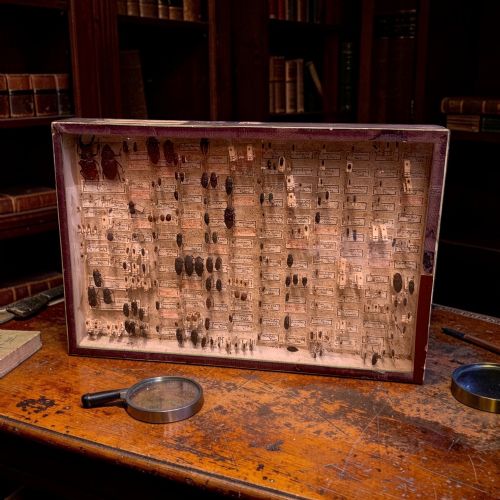
- The scientific study of insects, represented here through framed collections of preserved butterflies and moths. These specimens are typically pinned onto paper backgrounds inside glazed wooden frames.
- Cloche
- A bell-shaped glass cover used similarly to a dome for enclosing single specimens. The glass shape resembles a traditional gardener's bell jar.
Victorian Taxidermy Specimen: Frequently Asked Questions
What animals are found in these cases?
The selections include native British wildlife like foxes, badgers, owls, and pike alongside exotic birds from South America and Australia.
Compositions range from solitary game birds to elaborate multi-species scenes featuring parrots, jays, and hummingbirds.
How were these displays originally used?
Victorian households utilised these specimens as decorative objects for studies, libraries, and drawing rooms to display scientific curiosity.
Natural history specimens also served an educational purpose, allowing the public to examine distant fauna up close.
Where should I place a glass dome?
Display domes require stable surfaces away from direct sunlight and high moisture to protect the fragile feathers, paper, and taxidermy materials inside.
Placing them on sideboards or mantels lets the glass reflect light evenly across the enclosed natural history specimen.
How do I identify a period piece?
Period pieces display nineteenth-century construction methods, including hand-blown glass with minor surface bubbles and traditional timber framing.
Maker signatures, paper trade labels beneath the base, and specific Victorian stylistic cues help confirm the age of the mount.