



Victorian Taxidermy Display
When you search for victorian taxidermy display, you enter a world of preserved creatures housed in glass domes and wooden cases.
Victorian Taxidermy Display
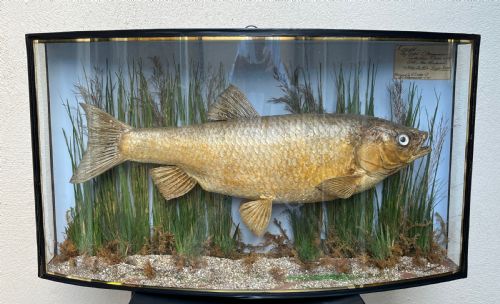
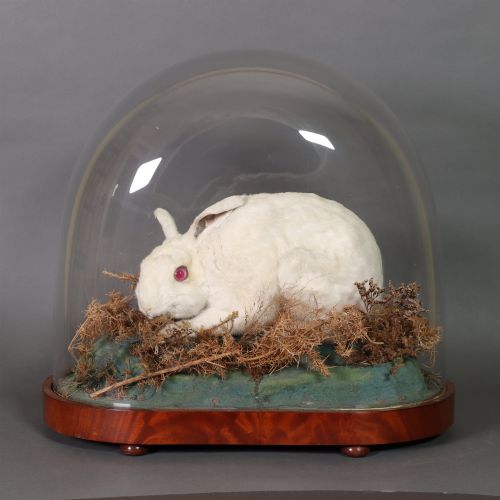
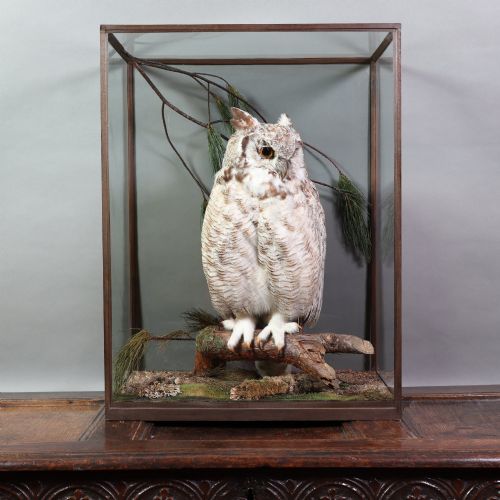
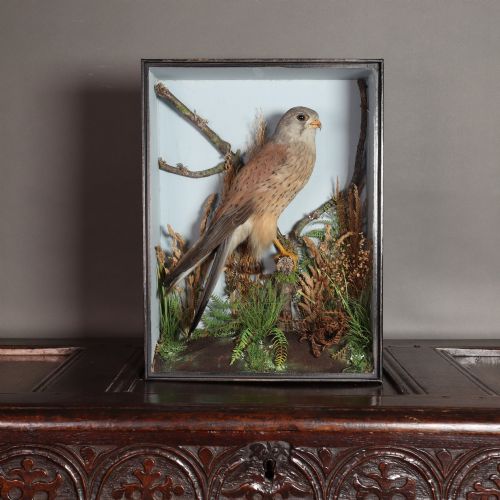
A victorian taxidermy display brings natural history indoors through preserved specimens arranged carefully inside protective enclosures. These items range from single birds and fish to complex compositions of multiple animals.
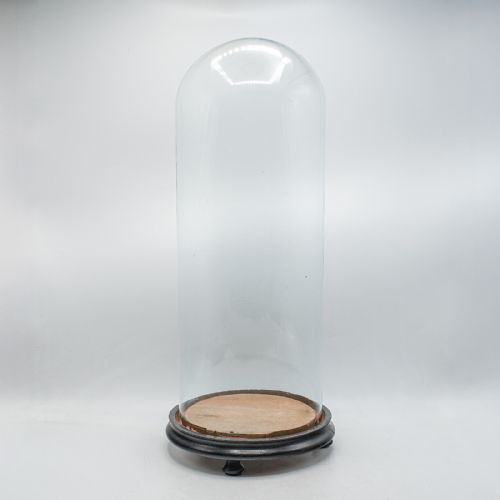
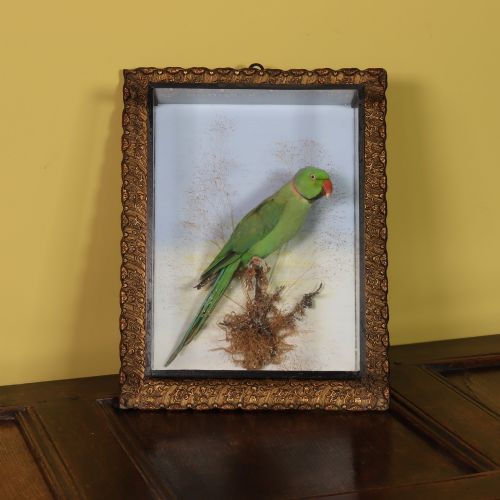
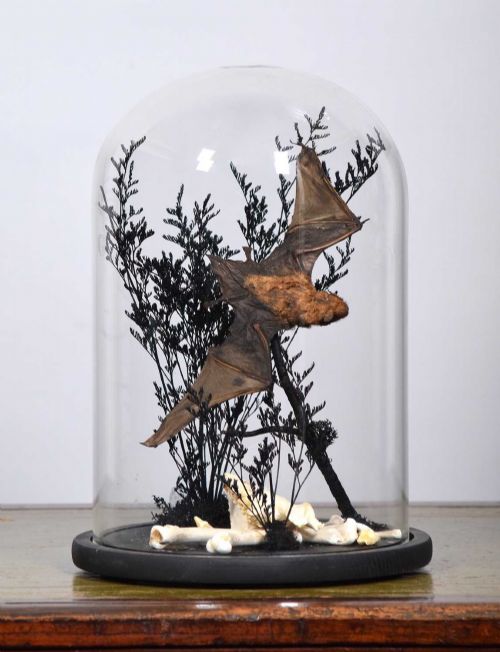
Most pieces encountered on this page date from the nineteenth century into the early twentieth century. Common forms include tall glass domes, flat-sided cloches, and wooden exhibition cases designed to keep dust away from delicate feathers and fur.
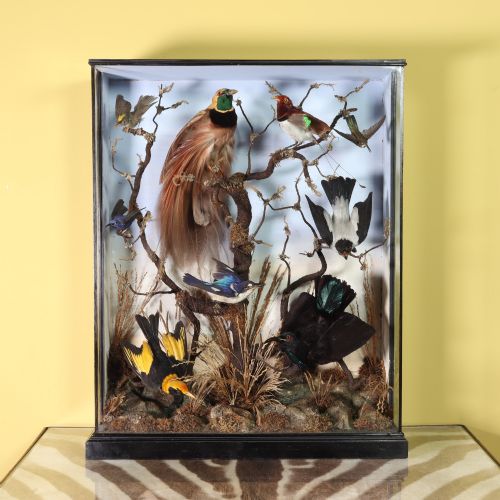
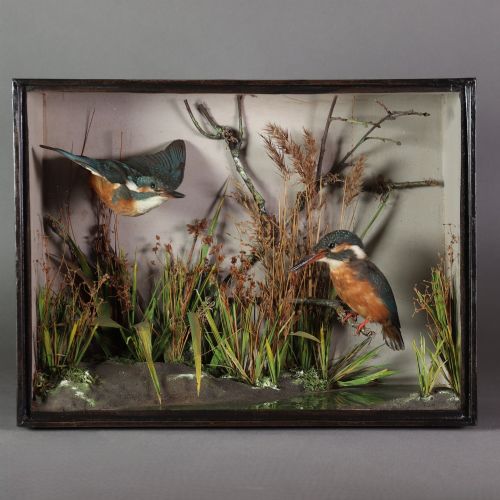
Makers often placed specimens within simulated environments featuring moss, paper foliage, and painted backgrounds. These settings reflect natural history interests of the period, capturing birds, mammals, and aquatic species in lifelike postures.
How They Were Made
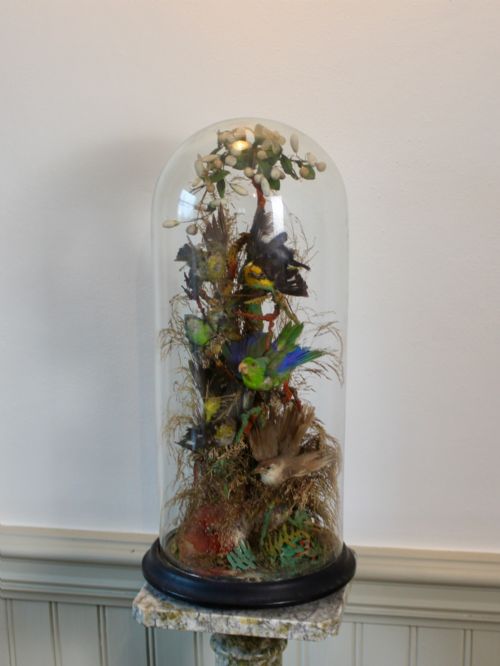
Taxidermists utilised blown glass for domes, pairing them with turned wooden bases made from oak, mahogany, or ebonised wood. Preserved specimens were mounted over internal armatures and arranged alongside paper, fabric, and dried moss to recreate natural habitats.
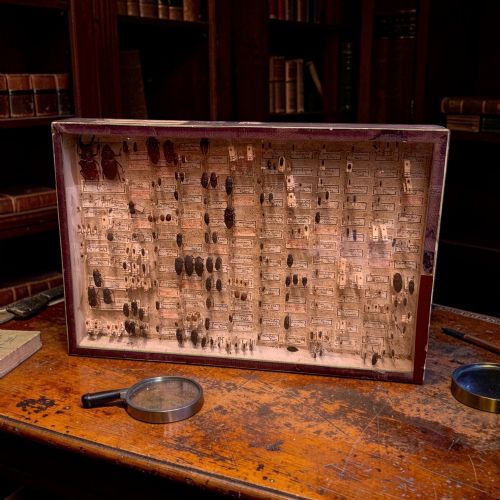
Cases relied on tightly fitted wooden frames and backboards, sometimes incorporating mirrors to reflect light through the glass. Entomology cabinets and wall cases used similar joinery techniques to protect fragile specimens from light and humidity.
Nineteenth-century taxidermists sometimes dressed stuffed squirrels in tiny human clothes to play card games inside glass parlours.
What Varies in Quality
The anatomical accuracy of the preserved specimen and the naturalism of its pose set higher examples apart. Master taxidermists captured the alert posture of a bird or the fluid movement of a fish far more convincingly than less skilled practitioners.
The quality of the enclosing glass dome and the cabinetwork also dictate the standard of a piece. Hand-blown glass free from heavy distortion and well-constructed wooden bases with original finishes elevate the entire display.
Little and Co·J Griffiths of Burford·James Gardner of London·Rowland Ward Ltd·T E Gunn·William Bazeley and Sons·Henry Ward London·A Pollard·James Jones of London·J Cooper and Sons·Davis and Co Bristol
The Victorian Taxidermy Display Glossary
- Cloche
- A bell-shaped glass cover used to protect delicate items. These glass vessels sit directly on wooden bases to enclose specimens.
- Ebonised Wood
- Timber treated to resemble ebony through a staining and finishing process. This dark surface finish was popular on Victorian display bases.
- Entomology Case
- A shallow wooden box fitted with glass for displaying collections of insects. These cases protect fragile specimens from handling and dust.
- Torchiere
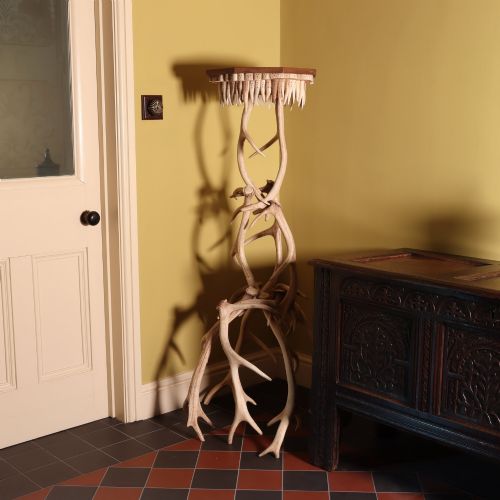
- A tall stand or floor lamp, sometimes adapted with antlers or other natural materials. These decorative items reflect nineteenth-century interior styles.
- Taxidermy
- The art of preparing, stuffing, and mounting the skins of animals for display. Practitioners arranged specimens to mimic living creatures in natural environments.
Victorian Taxidermy Display: Frequently Asked Questions
What animals appear in these displays?
Common subjects include native and exotic birds such as owls, kingfishers, parrots, and birds of paradise. Fish, bats, small mammals, and reptiles also feature in period cases.
Larger species appear alongside domestic pets and comparative anatomy specimens, reflecting the broad scientific and decorative interests of nineteenth-century collectors.
How were these cases used historically?
Victorian households displayed these specimens in parlours, studies, and drawing rooms as conversation pieces and decor. They demonstrated the owner's interest in natural history and exploration.
Naturalists and museums also utilised similar glazed cases to organise and study specimens safely while keeping them accessible for examination.
How do I care for a glass dome display?
Keep displays away from direct sunlight to prevent the fading of feathers, fur, and painted backgrounds. Stable indoor temperatures prevent humidity changes that might damage internal organic materials.
Clean the exterior glass gently with standard glass cleaner while avoiding spraying liquid near the wooden base or joints where moisture could enter.
How can I tell the period of a case?
Examine the construction methods of the wooden base and the clarity of the glass dome. Hand-blown glass often reveals small bubbles and slight irregularities typical of nineteenth-century manufacturing.
Trade labels pasted underneath bases or inside cases frequently identify the taxidermist and provide clues to the exact decade of production.