




Victorian Tavern Mug
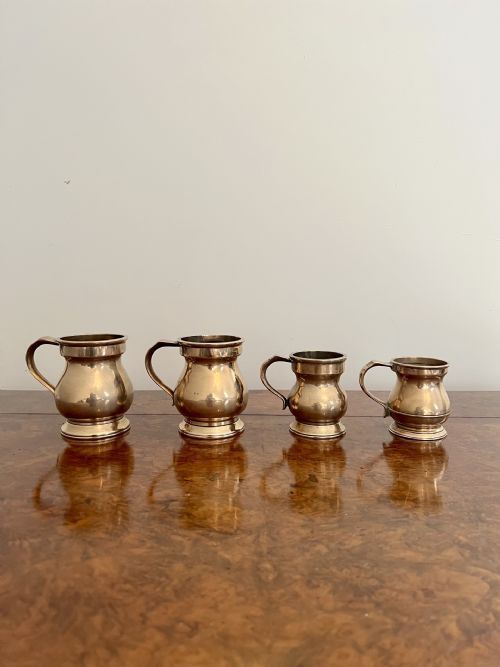
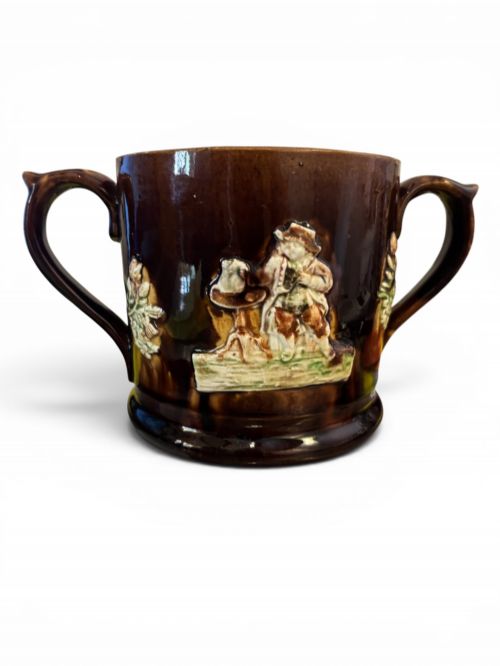
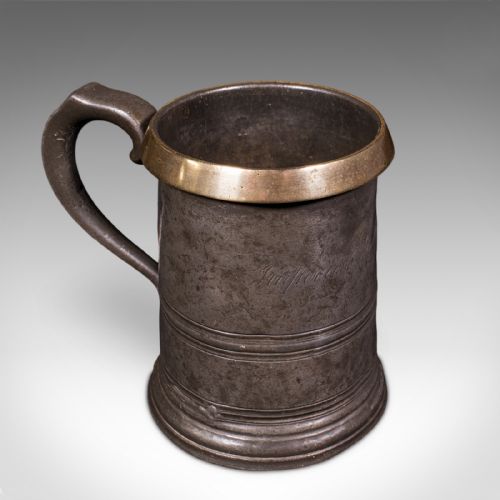
These Victorian tavern mug pieces bring solid historical character to a shelf, offering the genuine weight of old public houses.
Victorian Tavern Mug
When you search for victorian tavern mug, you are looking at utilitarian drinking vessels and measures from nineteenth century public houses. These range from heavy metal tankards to ceramic jugs and mugs used daily in busy bars.
You are most likely to meet pewter and copper measures alongside earthenware and stoneware vessels on this page. The forms span simple pint and quart containers, lidded tankards, and occasional surprises like frog mugs.
The origins stretch across English and Scottish workshops, capturing the everyday drinkware of the period. Pieces vary from simple domestic items to verified public house equipment stamped for local service.
How they were made
Makers shaped these items from resilient metals like pewter, copper, and brass alongside durable earthenware and salt glaze stoneware. Metal vessels relied on casting and hammering techniques to form rigid handles and solid bases that could withstand heavy daily use.
Ceramic pieces utilised local clays finished with simple glazes or mocha seaweed decoration. Makers applied silver rims to larger harvest cups to reinforce the lip and add structural strength.
Victorian Tavern Mug Retail Price Guide 2026
Typical asking prices for victorian tavern mug among the pieces listed under this phrase on Sellingantiques today, from the lower quarter to the upper quarter. They describe what is for sale here now, not the wider market.
Materials recorded across the inventory include copper, brass, pewter, silver, earthenware, and salt glaze.
What varies in quality
The standard of a victorian tavern mug rests on the crispness of its form and the integrity of its materials. Better examples display clean proportions, balanced handles, and legible touchmarks or capacity stamps rather than heavy distortion from rough handling.
Subtlety in surface texture separates standard utility ware from finer workshop production. Smooth pewter surfaces with honest wear outclass battered metal, while well-poured ceramic glazes define the better pottery.
Frederic Sanders
The Victorian Tavern Mug Glossary
- Pewter
- A malleable metal alloy of tin with copper and lead, traditionally used for tavern measures and tankards. It takes a soft grey patina over decades of handling.
- Salt glaze
- A hard ceramic finish created by throwing common salt into the kiln during high temperature firing. This produces a pitted, orange peel texture on stoneware.
- Quart measure
- A formal liquid capacity standard equal to two pints, stamped or verified for public house service. These large vessels formed the backbone of busy barrooms.
- Mochaware
- Earthenware decorated with an acidic liquid mixture that created dendritic tree-like patterns on the slip. It represents a specific type of colourful nineteenth century pottery.
- Breweriana
- Collectable items relating to brewing and public houses, including tankards, measures, and advertising material. This encompasses the working gear of old inns.
Victorian Tavern Mug: Frequently Asked Questions
What is a victorian tavern mug?
A victorian tavern mug is a utilitarian drinking vessel or capacity measure used in nineteenth century pubs and alehouses. They were designed for heavy service, holding standard measures of ale or spirits.
These pieces were constructed from durable materials like pewter, copper, and stoneware to survive daily tavern life. Today they offer a tangible link to historical public house culture.
How were these mugs used?
Publicans used these vessels to serve ale and beer directly to customers or to measure liquids behind the bar. Capacity stamps ensured patrons received exact imperial quantities.
Larger vessels functioned as communal harvest cups or bench measures passed around tables. Their robust construction kept drinks cool and withstood constant washing.
How do I date a tavern mug?
Dating relies on official capacity stamps, touchmarks, material choices, and manufacturing styles recorded on the piece. Victorian examples often feature specific crown or imperial verification marks.
Earlier pieces from the eighteenth century show different handle formations and casting seams. Comparing the specific metal alloy or ceramic glaze helps narrow down the production era.
How do I display these pieces?
These pieces suit open shelving, kitchen dressers, or dining rooms where their metal and ceramic textures can be appreciated up close. Grouping different sizes together creates a traditional display.
Ensure shelves are sturdy enough to support the heavier metal and stoneware vessels. Keep them away from direct moisture to preserve their historic surfaces.