
Victorian Tabletop Antiques
These Victorian tabletop antiques bring small-scale utility and decorative refinement to desks and surfaces.
Victorian Tabletop Antiques
When people search for victorian tabletop antiques, they encounter an eclectic variety of portable objects designed for desks, side tables, and dressing surfaces. These pieces include miniature chests of drawers, photograph frames, writing stands, and small clocks that served practical purposes in nineteenth-century domestic life.
The selections on this page span the nineteenth century into the Edwardian era, reflecting both Victorian production and related historical styles such as Gothic Revival and Regency. Mahogany, oak, sterling silver, and cast iron recur frequently among the forms.
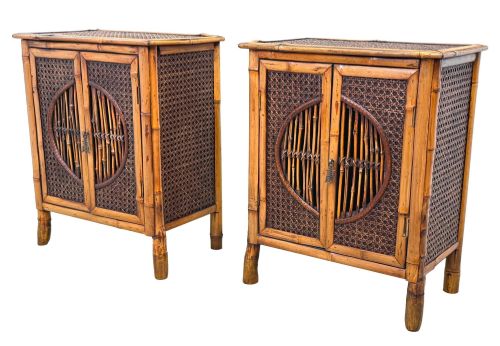
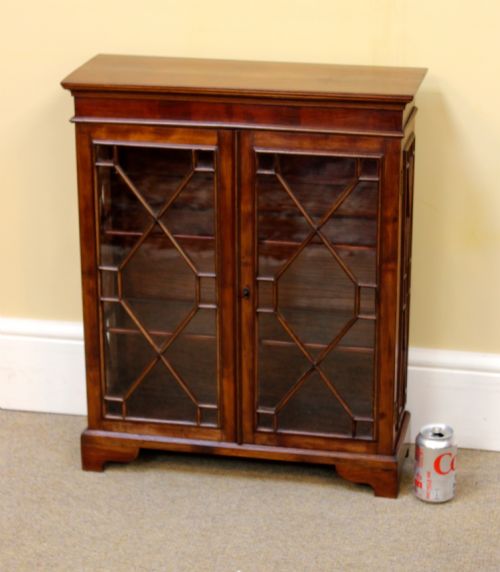
Miniature furniture forms, such as apprentice chests and small display cabinets, sit alongside daily accessories like tea caddies, music boxes, and dressing table mirrors. Each object demonstrates the period penchant for miniature craftsmanship on a domestic scale.
Materials and Techniques
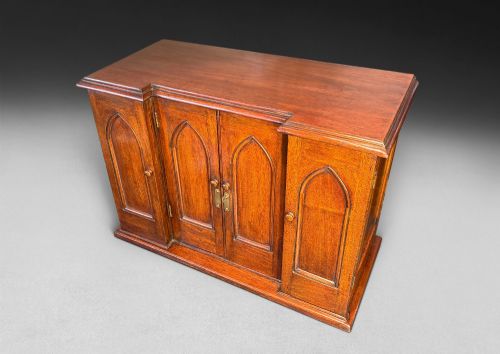
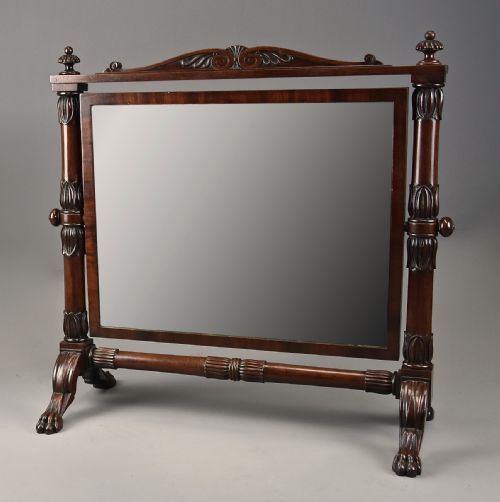
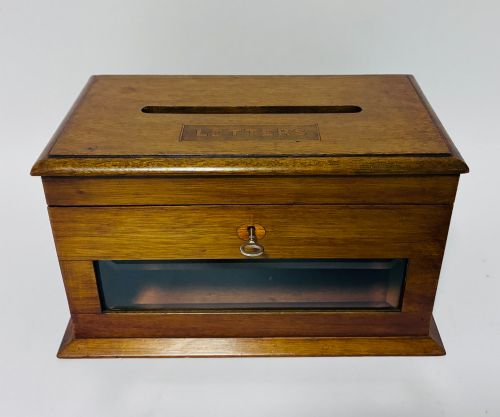
Cabinet makers utilised dense hardwoods like mahogany, walnut, rosewood, and oak for miniature furniture, letter boxes, and collectors cabinets. Construction methods often involved dovetail joinery on small drawers and fine turned supports.
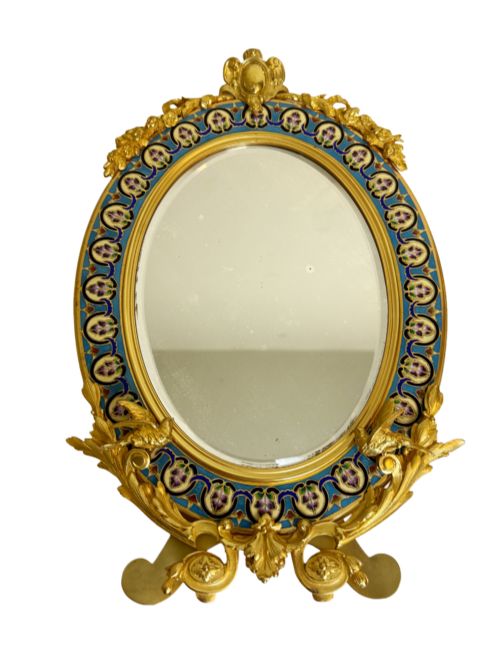
Metalwork played a significant role through cast iron, brass, bronze, and sterling silver mounts, frames, and mechanisms. Champlevé enamel and ormolu decoration appear on French-influenced mirrors and clocks, while tortoiseshell and ivory surface details accent luxury frames.
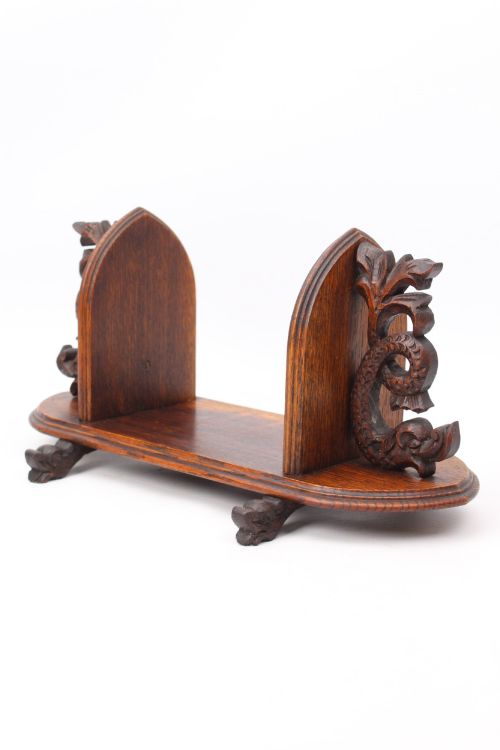
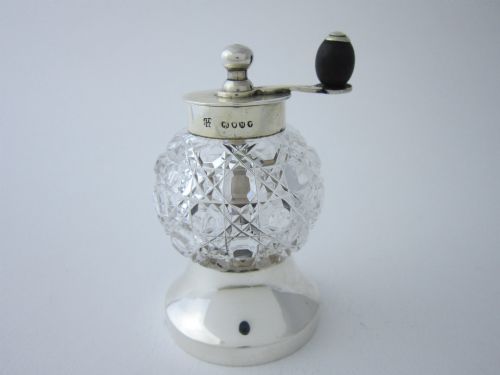
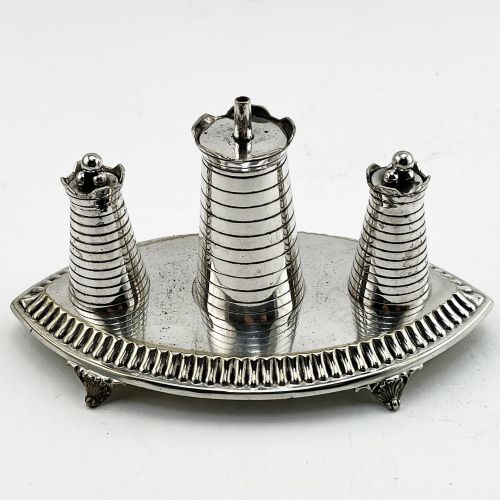
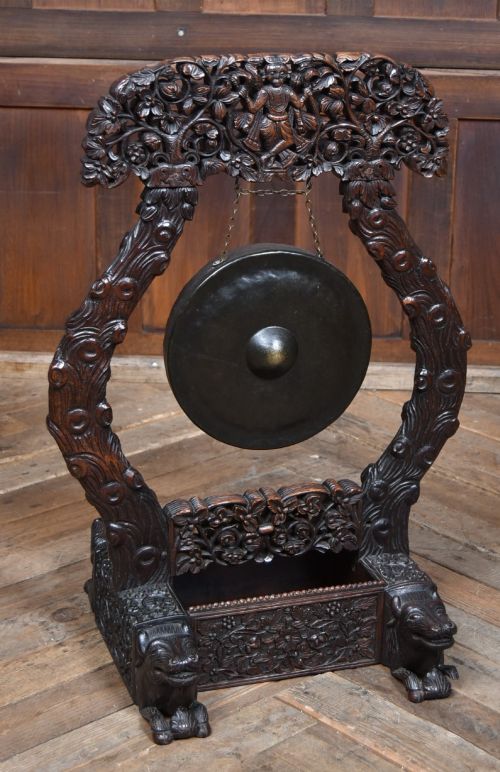
Carving and marquetry techniques defined decorative pieces, from lime wood Black Forest mirrors to satinwood inlay on tabletop cupboards. Glass panels and silver plating completed functional items such as pepper grinders and carriage clocks.
A tiny cast iron signal cannon on an oak carriage waits ready to defend the desk.
Assessment of Quality
The standard of a piece rests upon the crispness of its joinery, the weight of its metal components, and the integration of secondary timbers. Superior miniature chests display hand-cut dovetails and matched veneers rather than simpler modern fastenings.
Decoration distinguishes standard utilitarian items from exceptional examples, seen in the depth of hand-carved lime wood or the precision of champlevé enamel work. Original glass, unpolished patination on sterling silver, and intact clock movements elevate a piece above altered or heavily restored equivalents.
Rosenthal, Jacob and Co·Lebegue and Cie·Heal and Sons·Howell and James London
The Victorian Tabletop Antiques Glossary
- Apprentice Piece
- A small-scale item created by a trainee artisan to demonstrate mastery of cabinet making or metalwork. These often take the form of miniature chests of drawers.
- Ormolu
- Gilded bronze applied as decorative mounts to furniture, clocks, and mirrors. This French technique added rich metallic contrast to rosewood and walnut surfaces.
- Carriage Clock
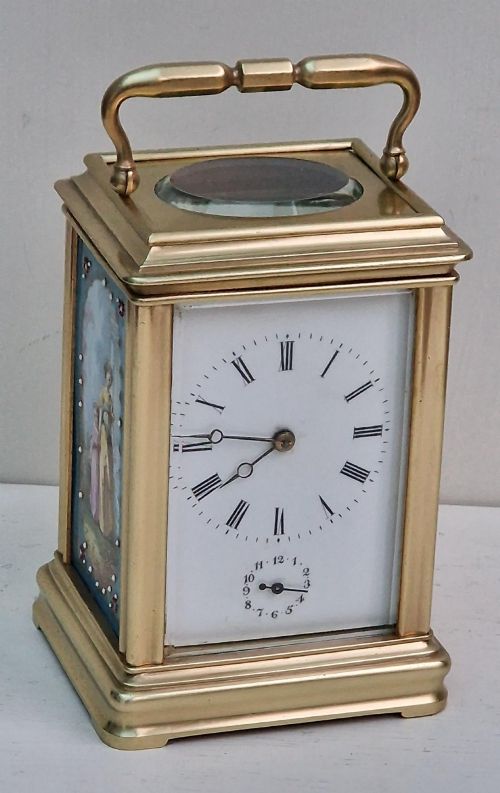
- A small, portable spring-driven clock designed for travel during the nineteenth century. They frequently feature glass panels that reveal the escapement mechanism.
- Cartonnier
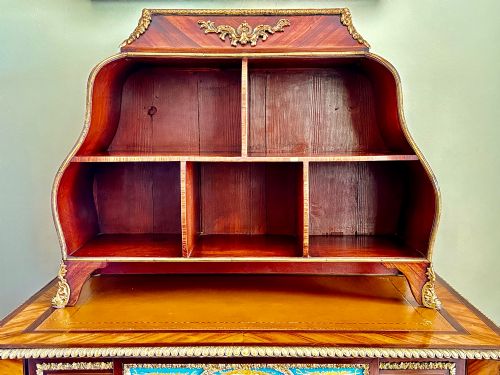
- A desktop cabinet or tier of boxes intended for holding papers and documents. They typically date to French 19th-century production and incorporate ornate mounts.
- Champlevé
- An enamelling technique where troughs are dug into a metal surface and filled with vitreous enamel. The metal areas are then gilded to create a patterned design.
Victorian Tabletop Antiques: Frequently Asked Questions
How were carriage clocks used?
Carriage clocks provided portable timekeeping for travellers during the nineteenth century. Their robust spring movements allowed them to keep accurate time while moving.
Over time, they transitioned into decorative domestic objects placed on mantelpieces and desks within wealthy homes.
What is a collectors cabinet?
A collectors cabinet is a small tabletop case designed to house natural history specimens, coins, or small curiosities. The internal shallow drawers kept delicate items organised and protected.
These cabinets often feature locking doors and dense timbers like oak or mahogany to ensure the security of their contents.
How do I identify Victorian silver frames?
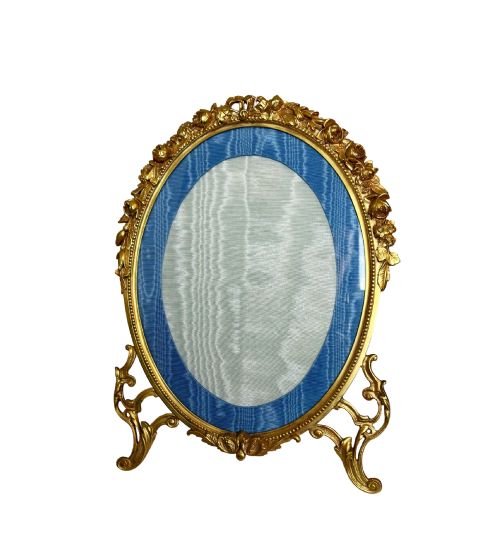
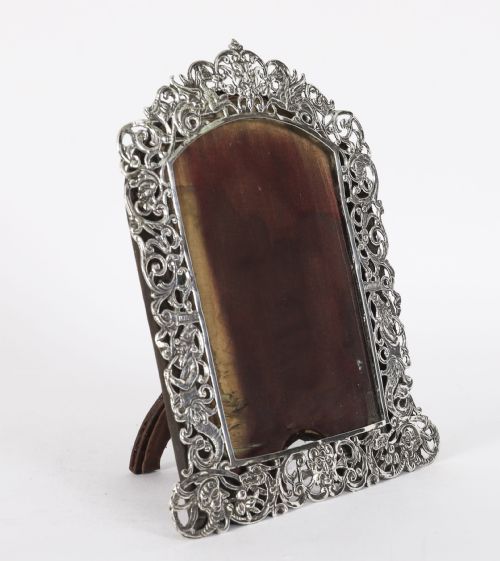
Victorian silver frames display British hallmarks stamped directly onto the metal, indicating the assay office, standard of silver, and year of production. They frequently incorporate wood or velvet backs with easel stands.
Craftsmen often combined silver with tortoiseshell or glass to create decorative borders for portrait photographs.