
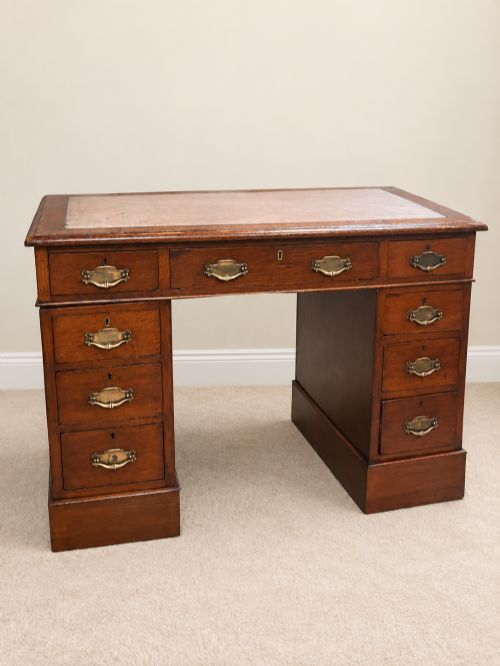
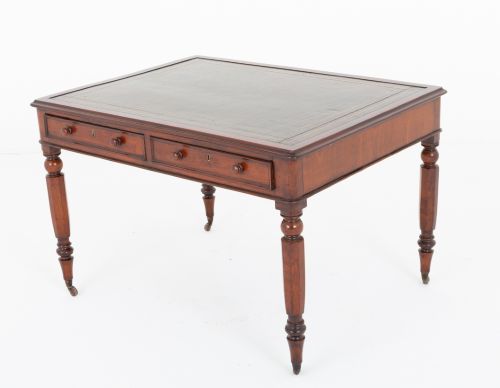
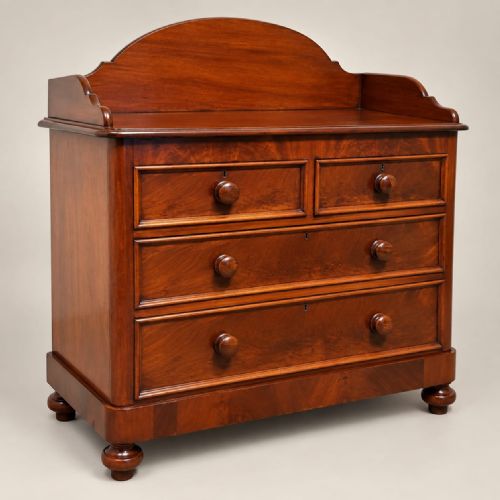

Victorian Table with Drawers
When you search for a victorian table with drawers, you enter a world of practical nineteenth-century timber craft designed for daily household use.
Victorian Table with Drawers
A victorian table with drawers spans utilitarian kitchen prep counters and formal library writing desks, uniting workspace and storage.
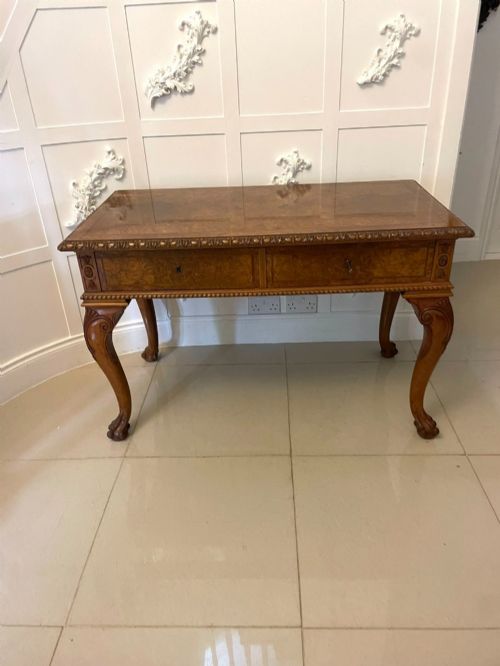
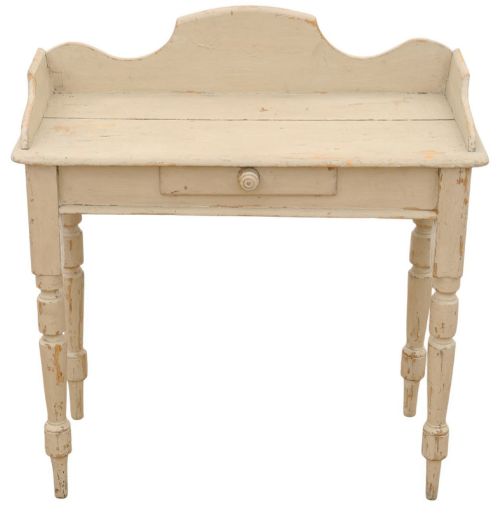
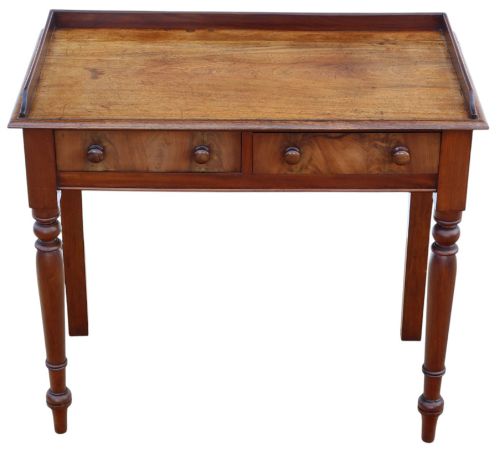
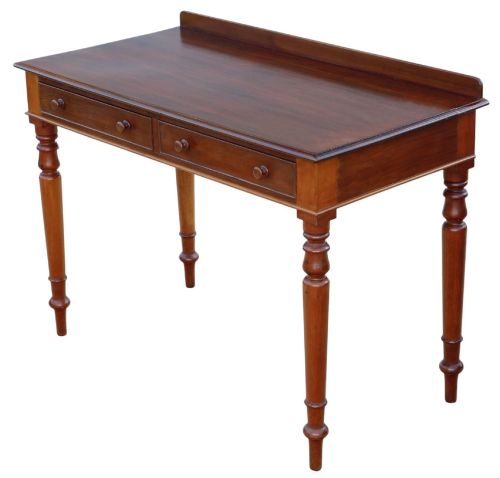
Buyers frequently encounter robust pine farmhouse designs alongside polished mahogany and walnut library or side tables.
These pieces originated in nineteenth-century domestic spaces, serving variously as dining boards, sewing stations, and hall consoles.
How They Were Made
Cabinet makers relied primarily on dense hardwoods like mahogany and walnut, or practical softwoods such as pine, assembled with traditional joinery.
Drawer construction typically involved hand-cut dovetail joints, reflecting the durable building methods of the period.
Surface finishes ranged from natural wax polish on rich grain timbers to painted or ebonised treatments on utility furniture.
Listings feature woods including mahogany, pine, oak, walnut, maple, and rosewood.
What Varies in Quality
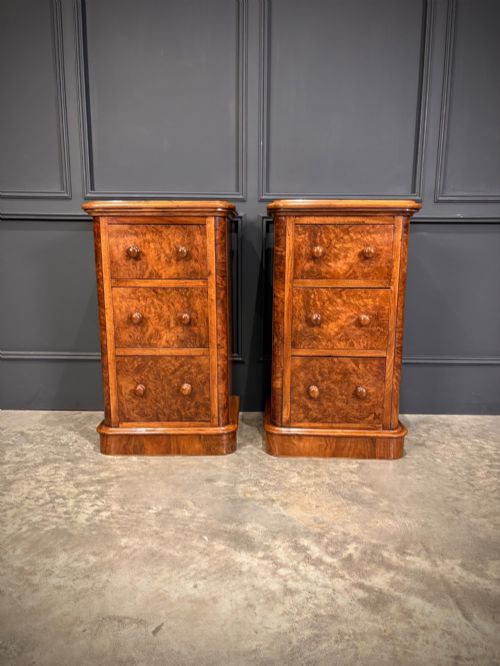
The selection of timber grain, from figured burr walnut to plain deal, sets the visual standard across different pieces.
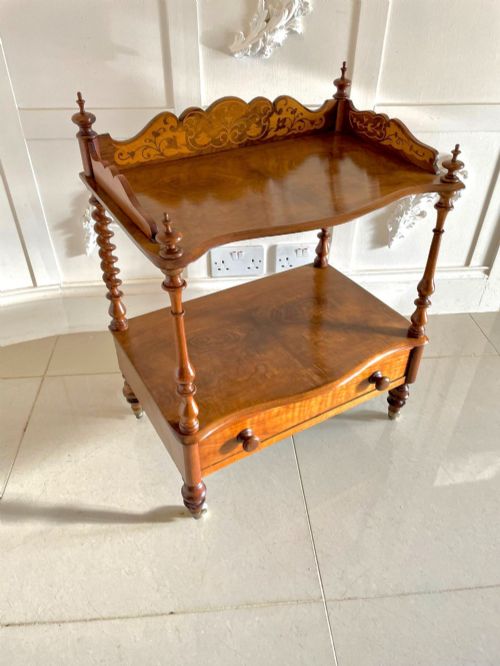
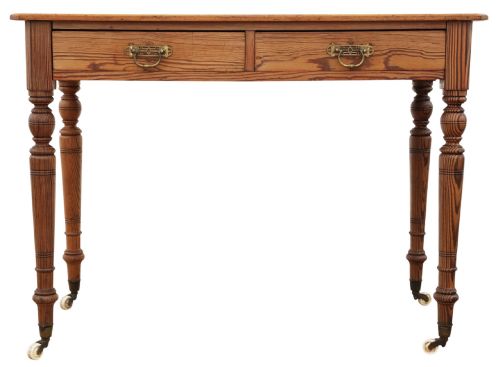
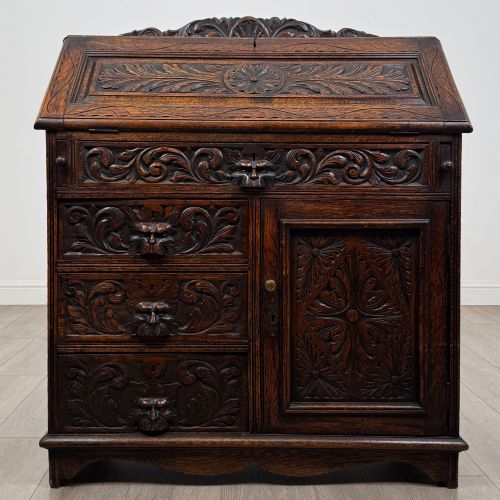
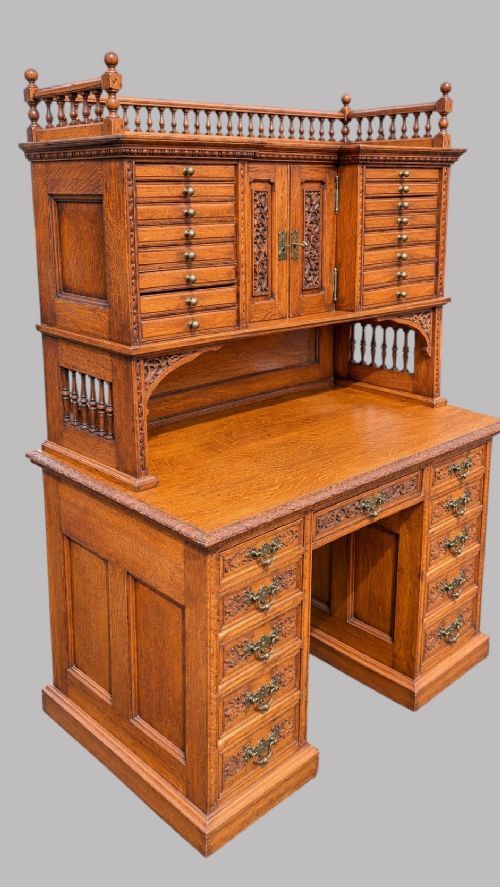
Refinement of decorative elements, including hand-carving, turned legs, and brass hardware, distinguishes standard utility items from high-end reception furniture.
Structural integrity depends on the original precision of the drawer fit and the preservation of the timber surface.
Edwards & Roberts·Hobbs & Co.·Maple & Co.
The Victorian Table with Drawers Glossary
- Frieze
- The horizontal band running directly beneath the tabletop, which commonly houses one or more storage drawers.
- Dovetail
- A joint formed by interlocking wedge-shaped fingers, prized for securing drawer corners with high tensile strength.
- Scrub Top
- An unfinished or repeatedly scoured wooden tabletop found on kitchen and farmhouse tables intended for food preparation.
- Pedestal
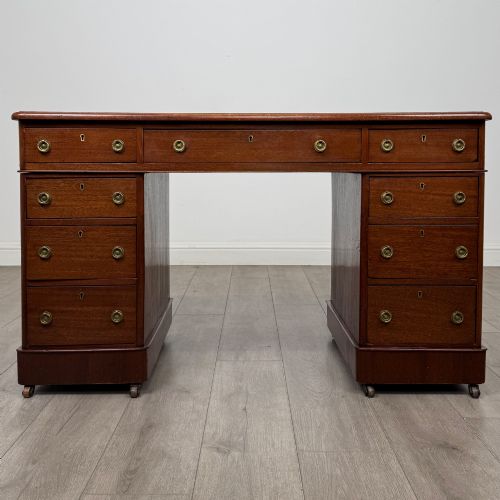
- A solid central support column or pillar replacing conventional legs at the corners of heavier desks and library tables.
- Gallery
- A raised wooden or brass rail running along the rear or sides of a table to prevent items from sliding off.
Victorian Table with Drawers: Frequently Asked Questions
What were victorian tables with drawers used for?
These tables served multiple domestic purposes depending on their primary room. Kitchen and scullery variants provided flat surfaces for food preparation alongside storage for cutlery and linens.
Library and writing tables functioned as designated workspaces for correspondence and administration, keeping stationery contained within the frieze compartments.
How do I identify a pine farmhouse table?
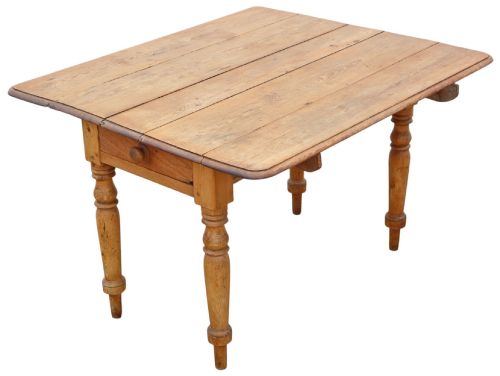
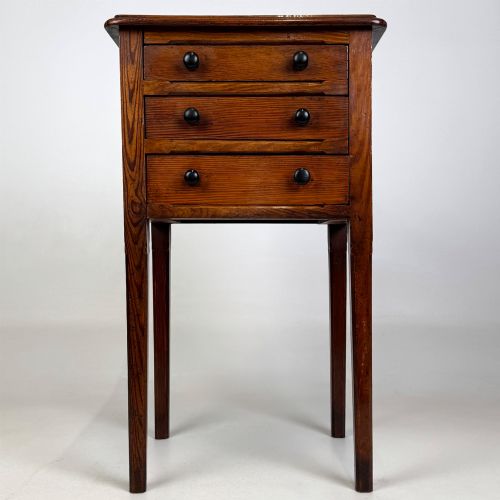
Pine tables from this era usually feature unpretentious softwood construction designed for heavy domestic service. They often display scrubbed tops and simple turned or tapered legs.
Many examples include one or more drawers fitted directly into the front rail with wooden knobs or brass pulls.
Are mahogany tables formal furniture?
Mahogany versions generally belonged in parlours, libraries, or dining rooms rather than working kitchens. Their polished timber surfaces and refined proportions suited public reception spaces.
They frequently incorporate fine details such as cockbeaded drawer edges, turned supports, and brass castors.
How should I care for an antique timber table?
Protect the wood by avoiding direct sunlight and maintaining stable room humidity to prevent timber splitting. Regular applications of appropriate wax help nourish the vintage finish.
Lift the table rather than dragging it across floors to preserve the stability of the leg joints and drawer frames.