

Victorian Table Silver
Victorian table silver comprises dining accessories, lighting, and decorative objects made from sterling or silver plate.
Victorian Table Silver
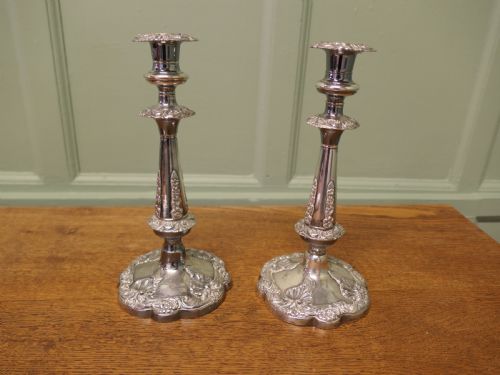
Victorian table silver covers an extensive array of functional and ornamental items designed for the dining room, desk, and drawing room. These include candlesticks, lamps, cruet sets, cutlery, boxes, and bells produced during the nineteenth and early twentieth centuries.
The objects frequently employ neoclassical, revivalist, or naturalistic motifs, reflecting the diverse decorative tastes of the Victorian and Edwardian eras. Collectors encounter solid sterling pieces alongside substantial silver-plated items.
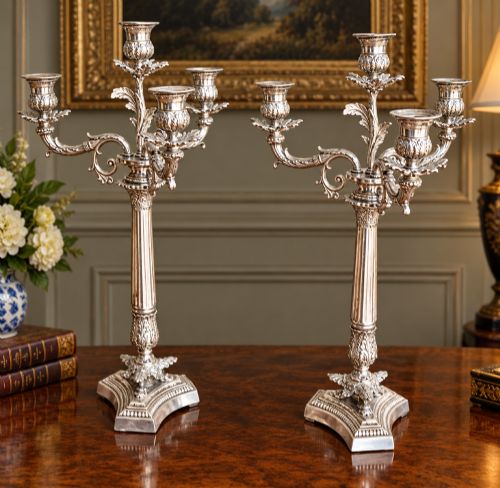
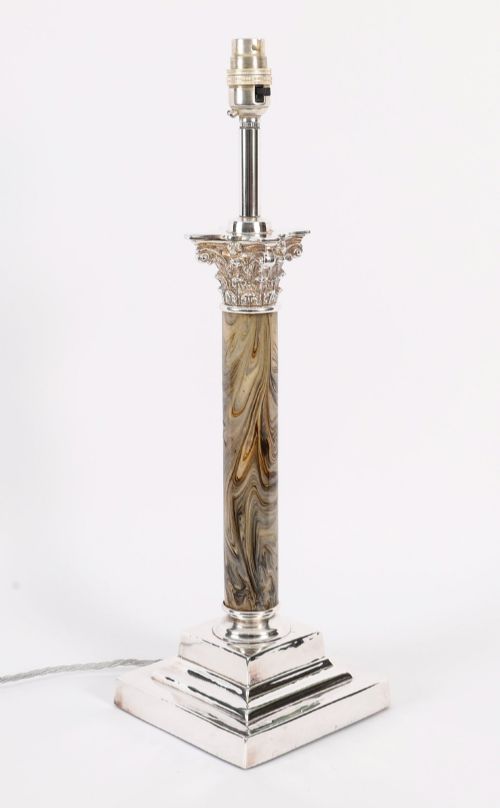
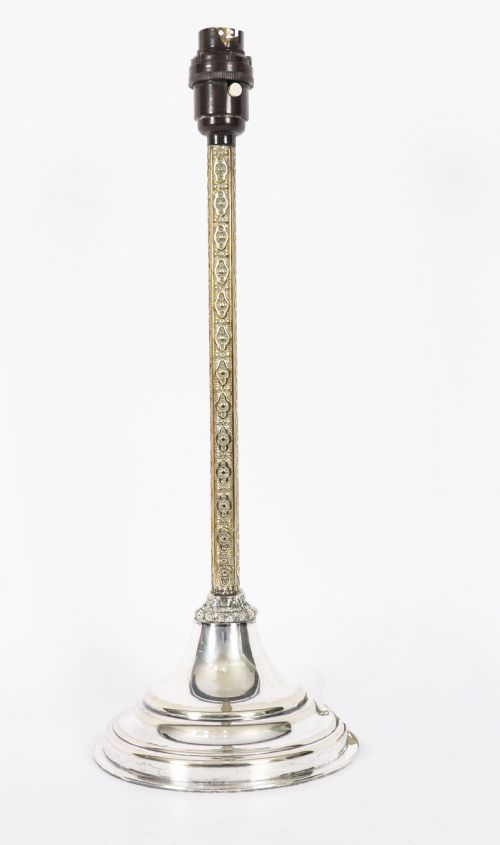
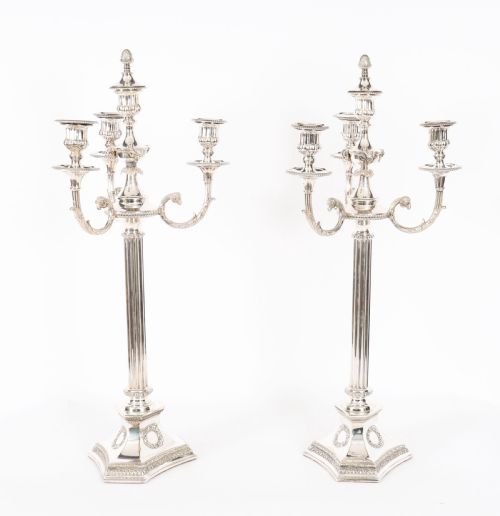
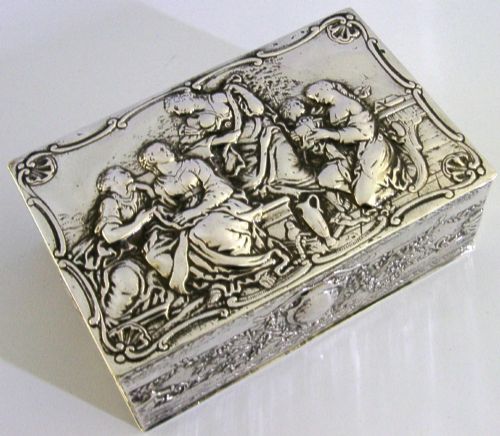
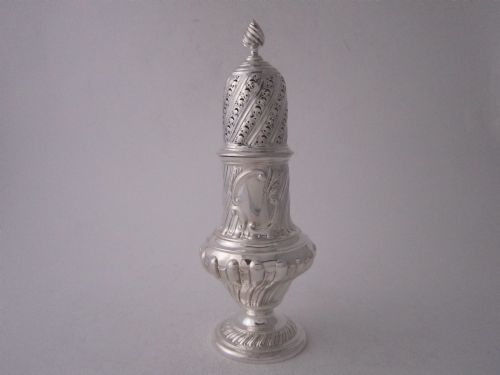
Table lamps utilising Corinthian column designs and elaborate candelabra appear alongside smaller desk items such as snuff boxes, trinket boxes, and pepper pots. These pieces demonstrate the period's preference for ornament combined with domestic utility.
Materials and Construction
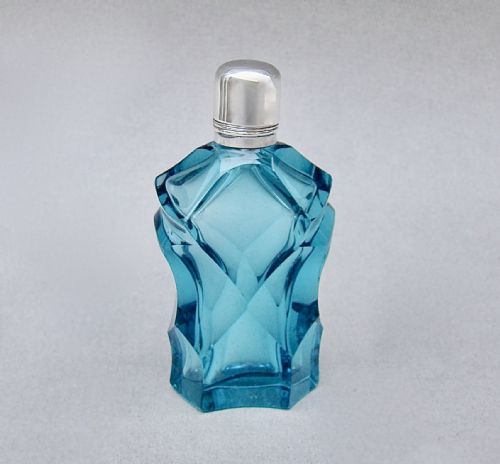
Makers utilised sterling silver and silver plate over base metals, often combining metalwork with cut glass, sliced-cut teal glass, and opaque glass inserts. Solid silver components were cast, hammered, or embossed, while plated items relied on thick silver deposition over copper or brass foundations.
Specialised techniques such as parcel gilding, planishing, and intricate chasing defined the surface decoration of boxes, bowls, and cutlery. Structural elements like Corinthian columns and candelabra arms required precise soldering and assembly of cast components.
Listings feature sterling silver and silver plate combined with cut glass and brass across various nineteenth-century periods.
Evaluating Quality
Quality rests upon the crispness of the casting and hand-chased detail, where sharp definition in foliage, animal figures, and architectural fluting separates superior work from softer secondary output. Substantial metal weight and balanced proportions indicate better manufacturing standards.
The integrity of secondary materials, such as heavy cut glass liners or intact glass bodies paired with silver mounts, influences the standing of a piece. Maker signatures and clear hallmarks provide definitive evidence of origin and workshop standard.
Mappin and Webb·William Hutton and Sons·William Comyns·Edward Smith·Nathaniel Mills·Walker and Hall·Henry Matthews
The Victorian Table Silver Glossary
- Sterling Silver
- An alloy consisting of 92.5 percent silver by weight, used extensively for quality tableware and decorative objects. British pieces commonly bear standard hallmarks denoting this purity.
- Silver Plate
- A manufacturing method involving a layer of silver bonded to a base metal core such as copper or brass. This technique allowed makers to produce large decorative items like candelabra at a lower cost.
- Parcel Gilt
- A decorative treatment where specific areas of a silver object receive a thin coating of gold, leaving the rest of the silver exposed for contrast.
- Planishing
- A hammering technique used to smooth metal surfaces and create a distinctive texture of small, flat facets across bowls and boxes.
- Cruet Set
- A matched collection of small containers designed to hold condiments such as pepper, salt, mustard, and oil for table service.
Victorian Table Silver: Frequently Asked Questions
What objects count as table silver?
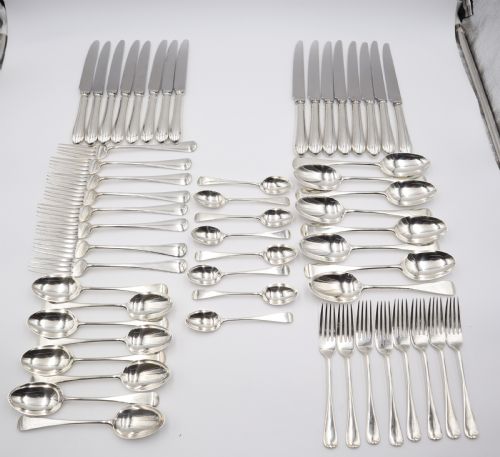
Table silver encompasses dining accessories, lighting fixtures, and desk items used during meals and entertaining. This category includes candlesticks, lamps, cruet sets, pepper pots, and cutlery.
Larger items like candelabra, centrepieces, and salvers also fall under this heading alongside smaller desk bells and inkstands.
How do I identify silver plate from solid silver?
Solid sterling silver items bear hallmarks indicating purity, maker, and assay office, whereas plated pieces generally feature manufacturer marks without standard silver stamps.
Examination of edges and high-wear areas can sometimes reveal the underlying base metal beneath a worn silver plating.
How were table lighters used?
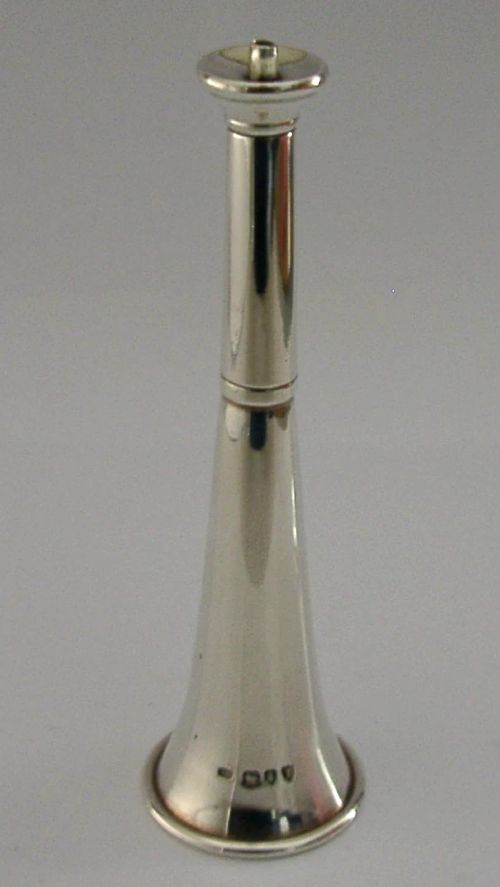
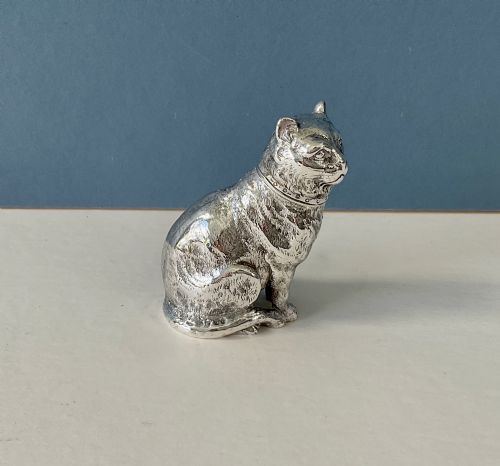
Table lighters served practical functions in smoking rooms and dining tables for lighting cigars, cigarettes, and oil lamps. They frequently took decorative forms such as horns, animals, or classical columns.
These functional objects doubled as decorative table sculptures when not actively in use.
What styles influenced Victorian silver design?
Silversmiths drew upon neoclassical, revivalist, and naturalistic styles throughout the nineteenth century. Corinthian columns, rococo scrolls, and animal figures were frequently adapted for domestic items.
Designers blended historical architectural elements with contemporary manufacturing methods to suit evolving Victorian interiors.