




Victorian Table Shaker
Victorian table shakers bring charm and character to the dining table through silver birds, animals, and classical casters.

Victorian Table Shaker
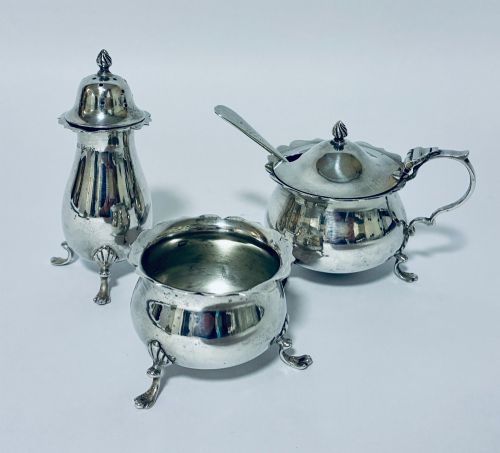
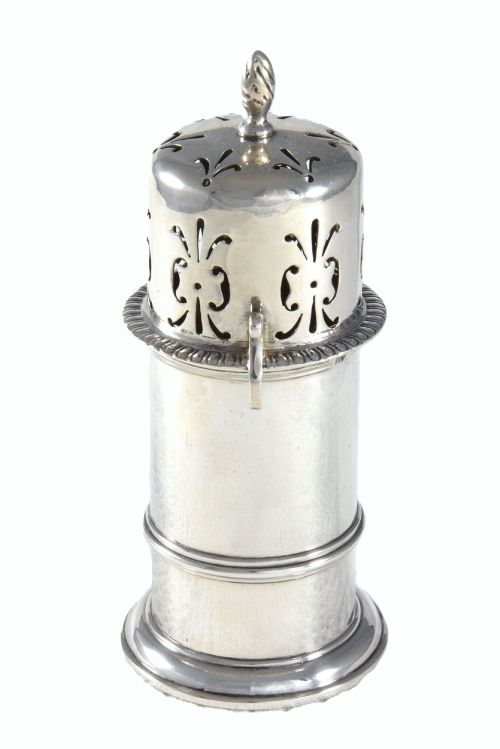
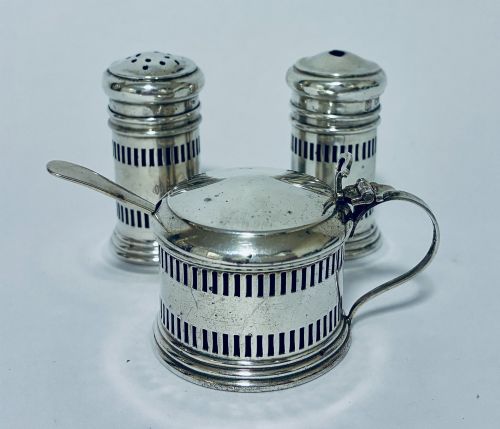
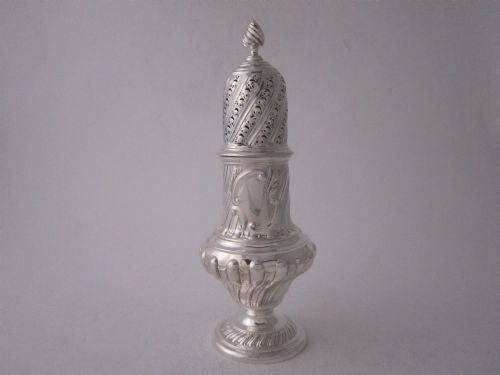
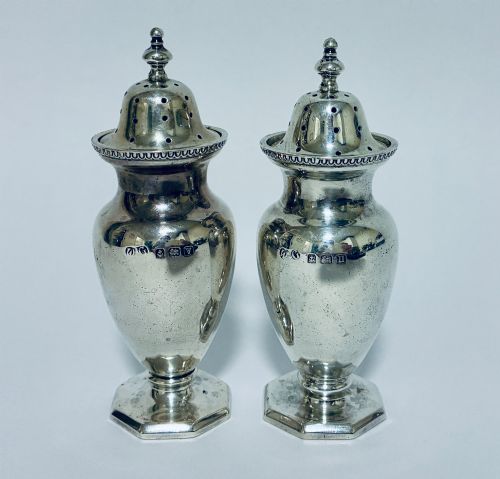
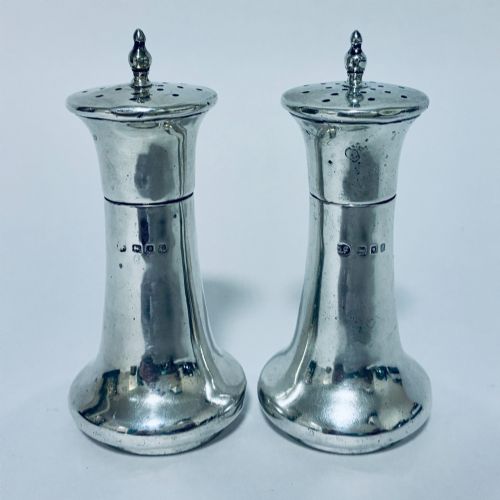
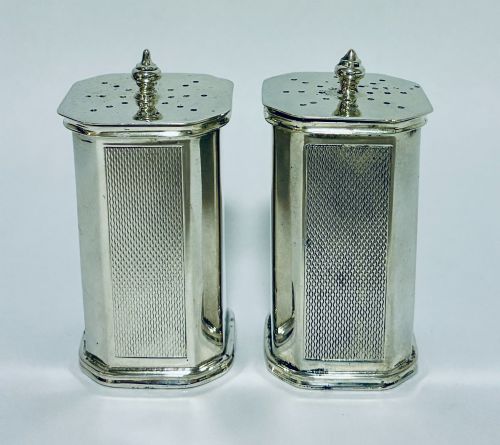
A victorian table shaker serves as a functional condiment container, most frequently taking the form of a pepper pot, sugar caster, or salt shaker. These items range from simple domestic tableware to elaborate figural pieces designed to amuse diners.
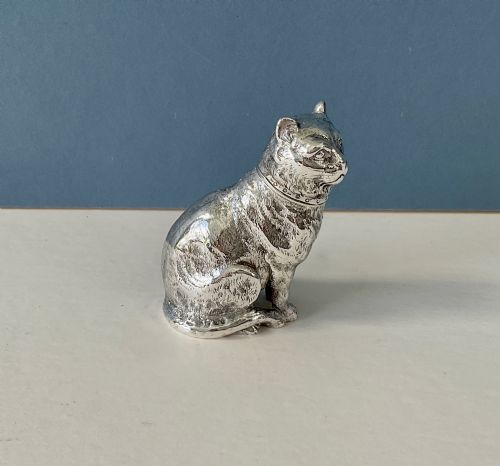
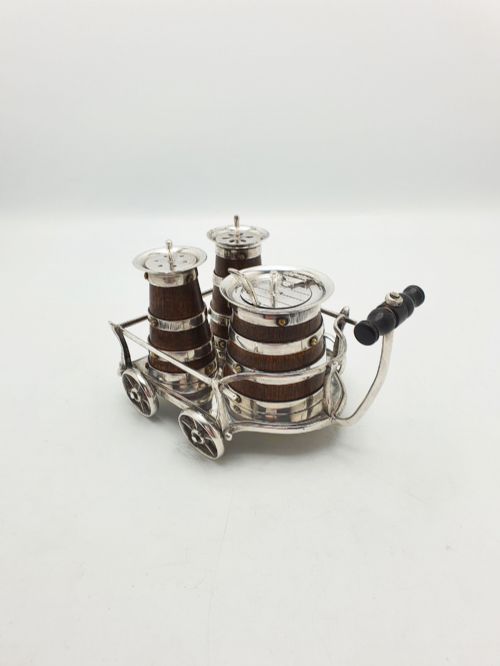
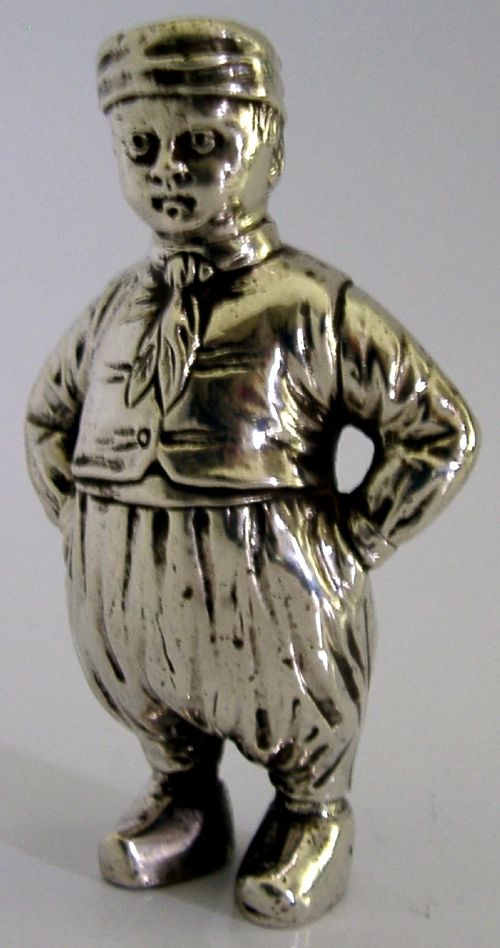
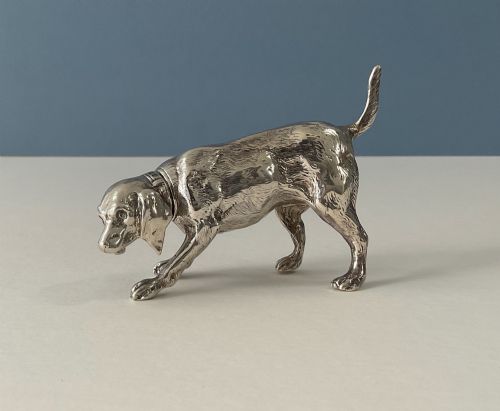
Novelty pieces dominate the selection, depicting cats, dogs, owls, chicks, and even figures such as Mr Punch's dog Toby. Alongside these whimsical animal shapes, traditional sugar casters and matched condiment sets appear across the nineteenth and early twentieth centuries.
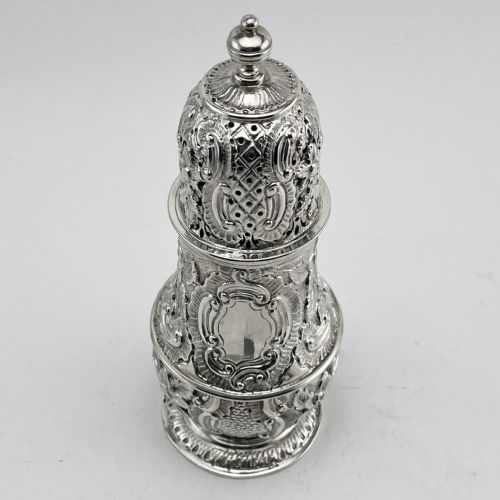
The objects span periods from the Victorian era into the Edwardian years, drawing on styles including Rococo Revival and Georgian Revival. Buyers encounter both sterling silver and silver-plated items, often accompanied by glass inserts or oak frames.
Materials and construction methods
Sterling silver, silver plate, and solid silver provide the primary metallic structure for these vessels, frequently combined with clear or cut glass bodies. Pewter, brass, horn, and oak also appear in specific utilitarian and novelty designs from the period.
Silversmiths utilised casting, repoussé, and piercing techniques to shape figural animals and decorative pierced tops. Internal screw threads or push-fit bases allow access for refilling mustard, sugar, or pepper.
Victorian Table Shaker Retail Price Guide 2026
Typical asking prices for victorian table shaker among the pieces listed under this phrase on Sellingantiques today, from the lower quarter to the upper quarter. They describe what is for sale here now, not the wider market.
Assessing craftsmanship and detail
The weight of the metal and the integrity of original hallmarks provide further distinction between everyday items and exceptional workshop output. Makers who paid attention to interior gilding and secure fittings produced pieces that endure in superior condition.
Horace Woodward & CO LTD·Sampson Mordan·Thomas Johnson·Berthold Muller Hanau
The Victorian Table Shaker Glossary
- Sugar Caster
- A tall vessel with a pierced dome top used for shaking sugar onto food. These often feature baluster forms or cornucopia designs.
- Pepperette
- A small container for ground pepper, usually cylindrical or figural with a perforated lid. The term appears frequently alongside pepper pot in period descriptions.
- Cruet Set
- A matched collection of bottles or pots for holding condiments like oil, vinegar, salt, and pepper, often housed in a metal or wooden stand. Sets may include handles and multiple glass crust bottles.
- Novelty Silver
- Silver items fashioned into whimsical or realistic shapes outside standard tableware geometry. Animals, human figures, and everyday objects serve as common inspirations for these conversation pieces.
- Silver Gilt
- Silver that has been coated with a thin layer of gold on its interior or exterior surfaces. This technique protects the metal from acidic condiments.
Victorian Table Shaker: Frequently Asked Questions
Are these shakers safe for daily use?
Many antique silver and plated shakers remain fully functional for modern dining tables. However, delicate novelty hinges and thin antique silver require careful handling during refilling and cleaning.
Acidic condiments like fine vinegars or certain salts can tarnish or pit unprotected silver over time. Rinsing interiors after use helps maintain the condition of older metal.
How do I identify a Victorian pepper pot?
Look for hallmarks stamped on the base, rim, or lid, which often indicate the assay office, standard of silver, and date letter. Victorian pieces frequently display registration numbers or maker marks corresponding to the nineteenth century.
Stylistic cues such as Rococo Revival scrolls or realistic animal casting also help date a piece to the Victorian era. Comparing the weight and construction methods to documented examples confirms the period.
What is the difference between a caster and a shaker?
Casters are typically taller vessels with a larger capacity, traditionally used for dusting fine sugar over baked goods or desserts. They feature a heavy weighted base and a secure screw-on or push-on pierced top.
Shakers are generally smaller, designed specifically for salt or pepper at the dinner table. Their perforations are sized appropriately for granular spices rather than powdered sugar.