
Victorian Table Glass
Victorian table glass spans functional vessels and decorative centerpieces, offering tactile beauty and historic charm that collectors cherish.
Victorian Table Glass
When buyers search for victorian table glass, they encounter items designed to adorn and serve dining tables, mantelpieces, and drawing rooms during the nineteenth century. These items include functional vessels alongside decorative display pieces.
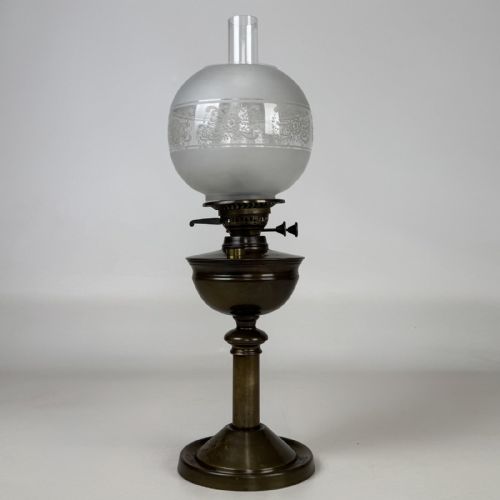
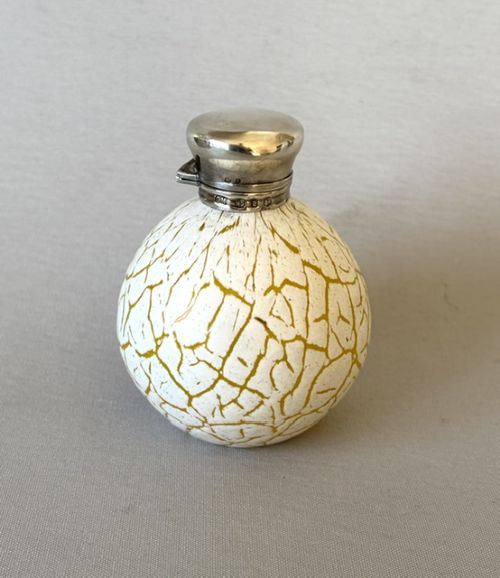
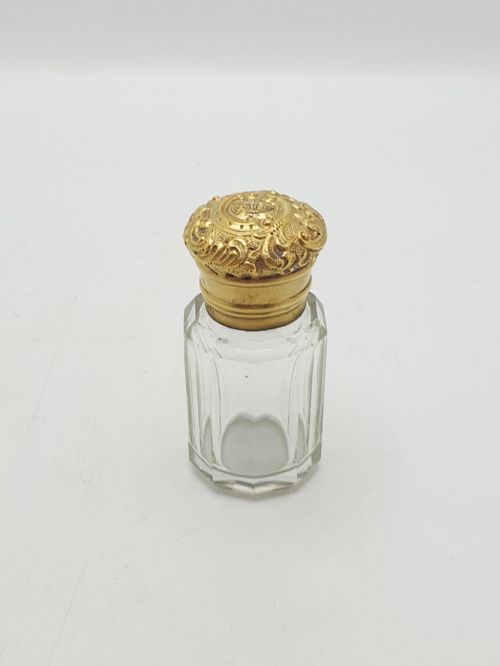
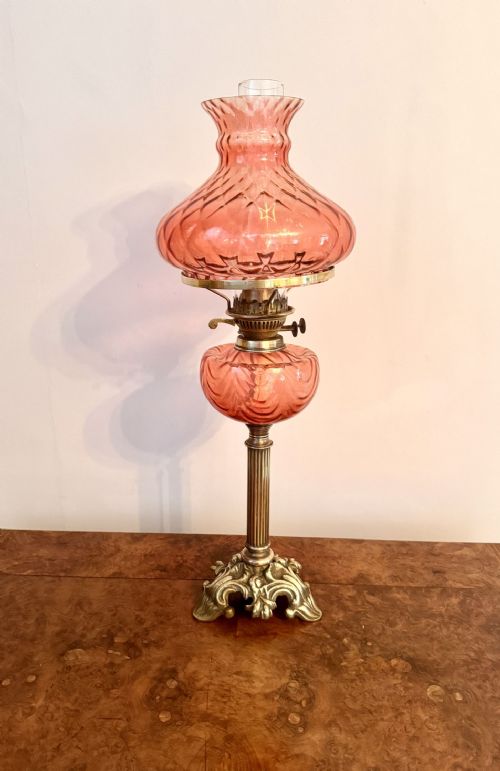
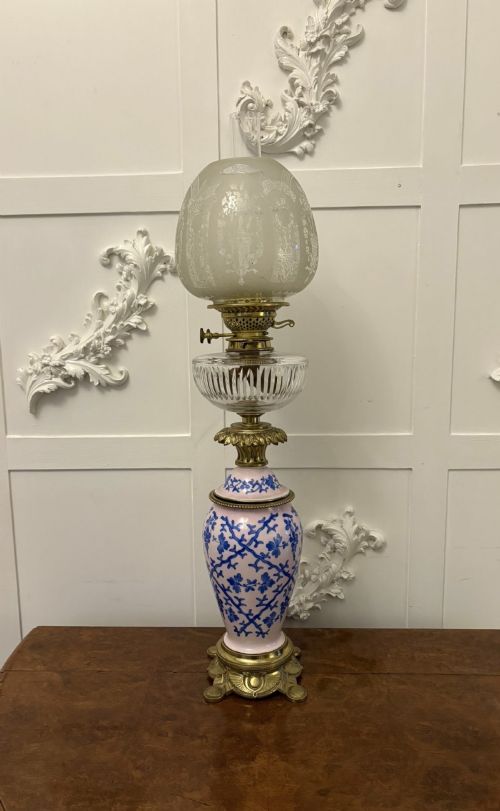
The objects most frequently met on this page range from cranberry glass oil lamps and scent bottles to cut glass jugs, finger bowls, and epergnes. Many pieces combine glass with mounts of brass, silver plate, or sterling silver.
Origins stretch across Victorian, Edwardian, and nineteenth-century periods, capturing the distinct aesthetic shifts from mid-century moulded patterns to late-century coloured and uranium glass.
Materials and technique
Makers utilised various glass types including clear cut crystal, deep red cranberry glass, and vibrant vaseline or uranium glass. These materials were often shaped by blowing into moulds or free-blowing before undergoing hand-cutting.
Many items incorporate metalwork components such as brass burners, silver-plated mounts, and gilt sterling silver collars. These metal mounts were cast, chased, and fitted securely to the glass bodies.
Listings feature items spanning the Victorian, Edwardian, and nineteenth-century periods, utilising materials such as cranberry glass, brass, and sterling silver.
Evaluating quality
The distinction between standard and superior pieces rests on the crispness of the cut facets and the depth of the glass colour. Heavier metal mounts and precise silver or gilt work also elevate a piece.
Provenance and maker attribution contribute significantly to an item's standing. Pieces bearing recognisable maker signatures or specific regional traits demonstrate higher craftsmanship.
Whitefriars·Stevens & Williams·Heal & Sons
The Victorian Table Glass Glossary
- Cranberry glass
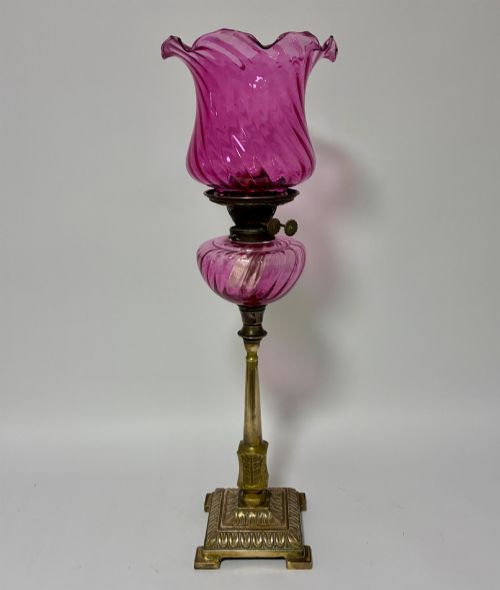
- A rich red transparent glass coloured with gold chloride during production. It is frequently seen in Victorian oil lamps and table liners.
- Epergne
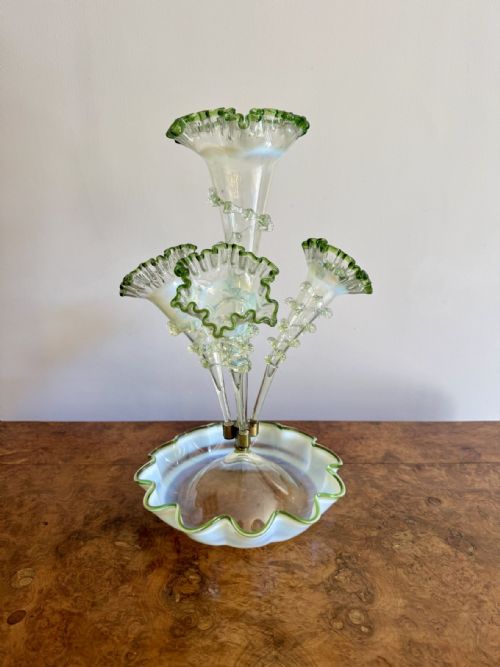
- A central tabletop ornament featuring a central bowl with multiple hanging branches or trumpets. These were traditionally used for holding fruit or flowers.
- Finger bowl
- A small bowl filled with water used for rinsing fingers between courses at formal dinners. Victorian examples often feature cut or frosted glass.
- Vaseline glass
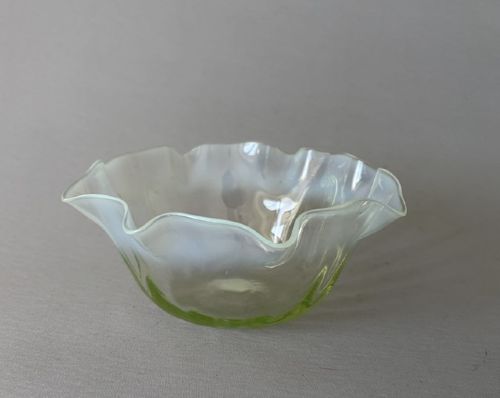
- A yellowish-green glass containing uranium dioxide that glows under ultraviolet light. It appears across various nineteenth-century tablewares and epergnes.
- Overshot glass
- A technique where fine trails of hot glass are applied haphazardly to the surface of a blown vessel. This creates a textured, frosted finish.
Victorian Table Glass: Frequently Asked Questions
What is victorian table glass?
Victorian table glass encompasses items made for dining and interior display during the nineteenth century. This category includes functional tableware alongside decorative lamps and vessels.
These pieces reflect the changing tastes of the period, moving from clear cut crystal to richly coloured cranberry and vaseline glass.
How were oil lamps used?
Oil lamps served as primary light sources in nineteenth-century homes before widespread electricity. They were placed on tables, desks, and mantels to illuminate rooms.
Many examples combine coloured glass fonts with brass columns and matching shades.
How do I clean glass items?
Cleaning antique glass requires gentle hand washing in lukewarm water with mild soap. Avoid abrasive sponges and harsh chemicals that can damage delicate surfaces or metal mounts.
Particular care should be taken with pieces featuring gilt rims, enamel details, or sterling silver attachments.
How do I identify periods?
Period identification relies on observing material characteristics, manufacturing techniques, and stylistic motifs. Mid-nineteenth-century items often feature heavy cutting and clear glass, while later pieces show diverse colours and revival styles.
Associated silver mounts frequently bear hallmarks that provide precise dating.