
Victorian Table Centerpiece
A victorian table centerpiece anchors a formal dining setting with silver, glass, and porcelain fashioned across the nineteenth century.
Victorian Table Centerpiece
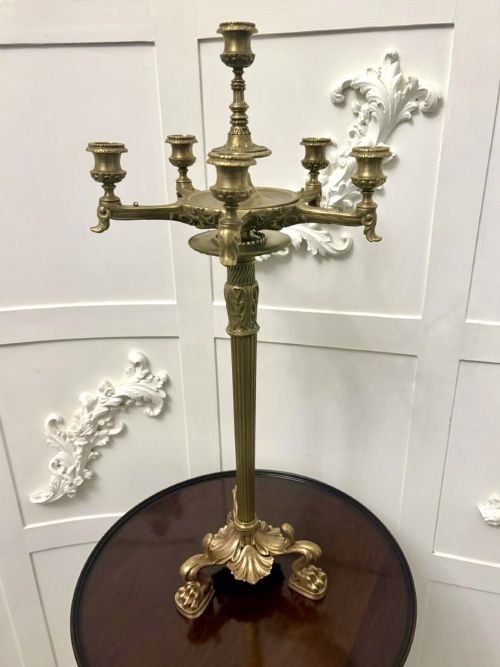
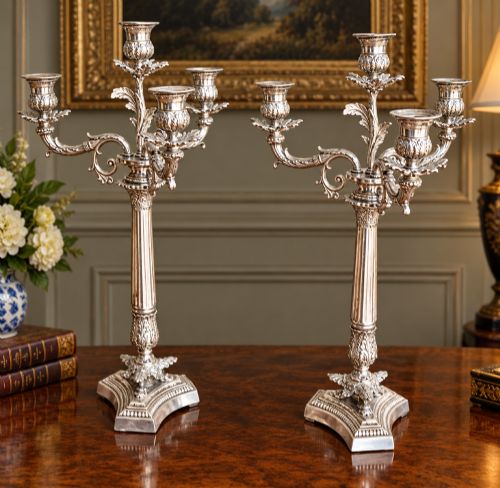
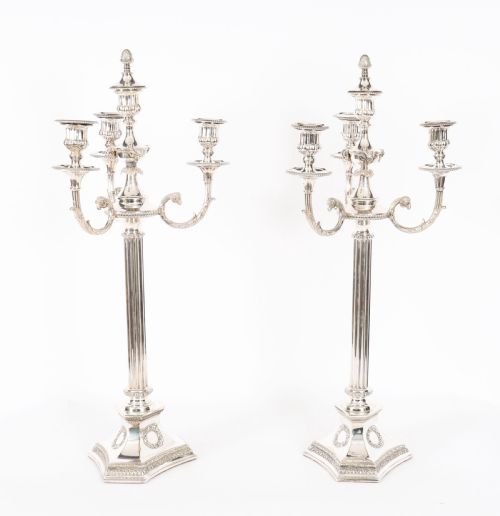
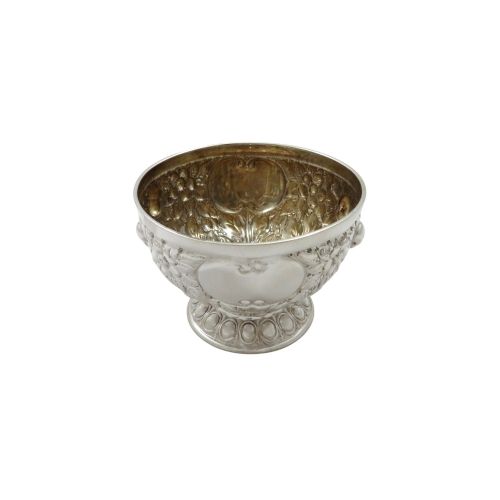
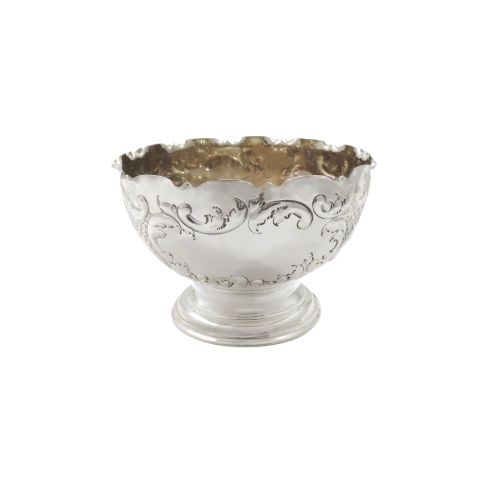
A victorian table centerpiece encompasses substantial silver plated and sterling silver bowls, fruit baskets, and multi-light candelabras designed for formal dining tables. The items span the nineteenth century and into the Edwardian era, incorporating styles from Rococo Revival to Art Nouveau.
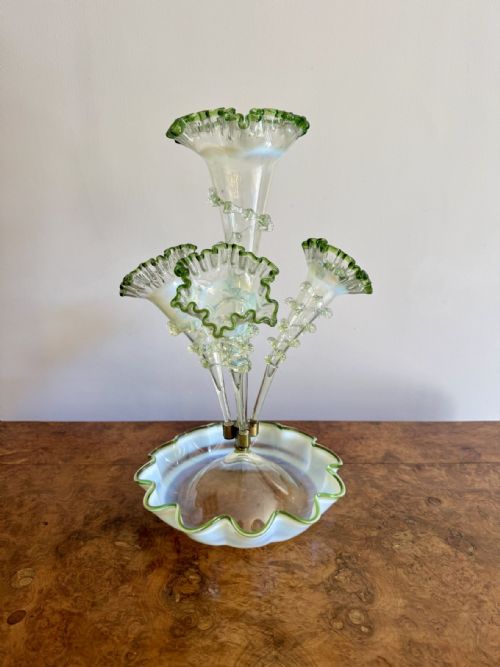
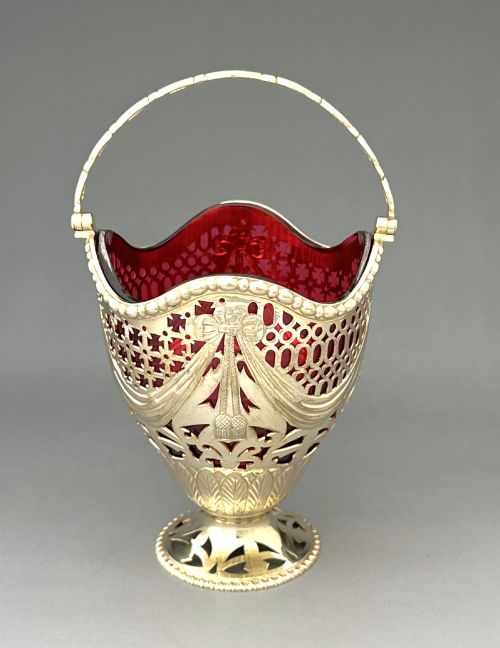
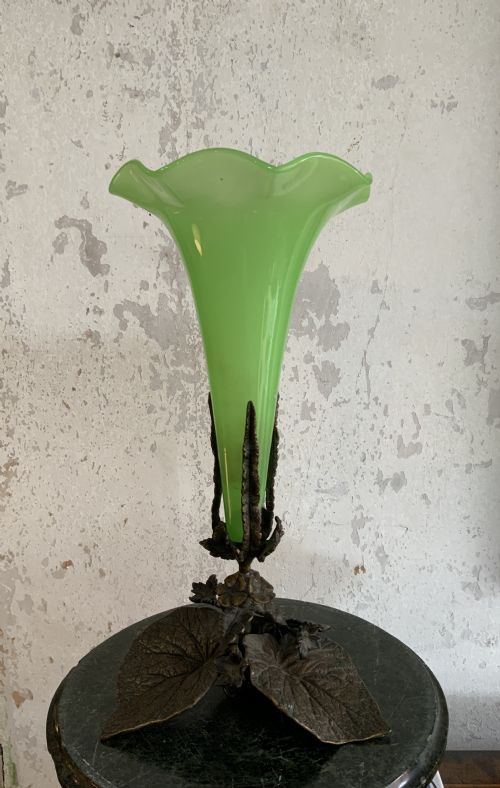
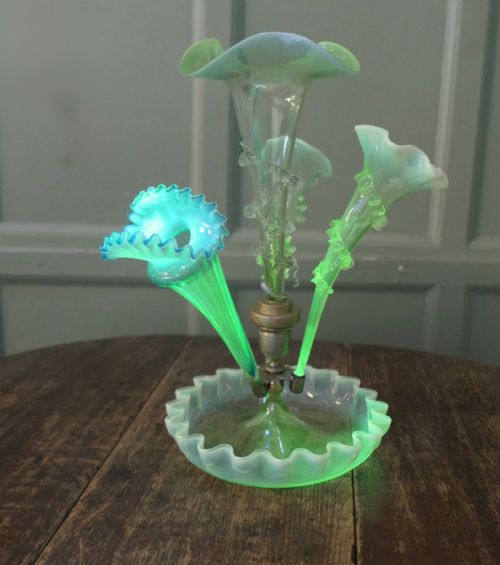
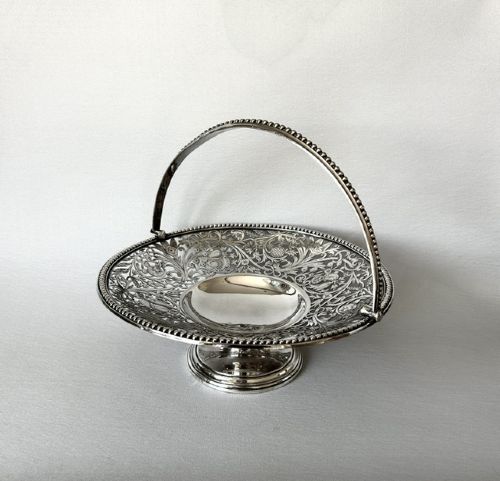
Buyers frequently encounter silver plated fruit baskets with swing handles, elaborate epergnes featuring coloured glass trumpets, and matched pairs of candelabras. These table wares served both a decorative purpose and a functional role during nineteenth-century dining rituals.
Materials and construction
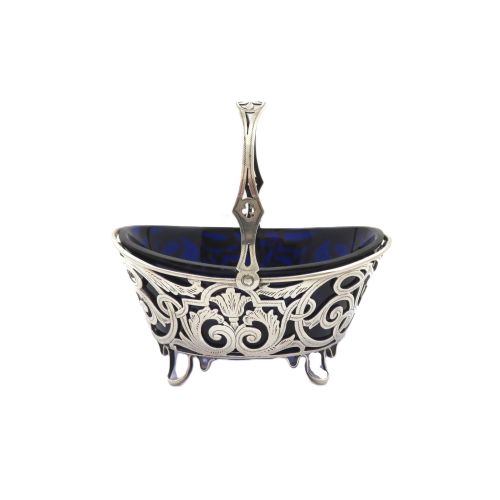
Makers utilised heavy silver plating on base metals alongside solid sterling silver, shaping the metal through casting, piercing, and repoussé techniques. Frames often support hand-blown glass inserts, including cranberry glass, uranium glass, and opaque glass.
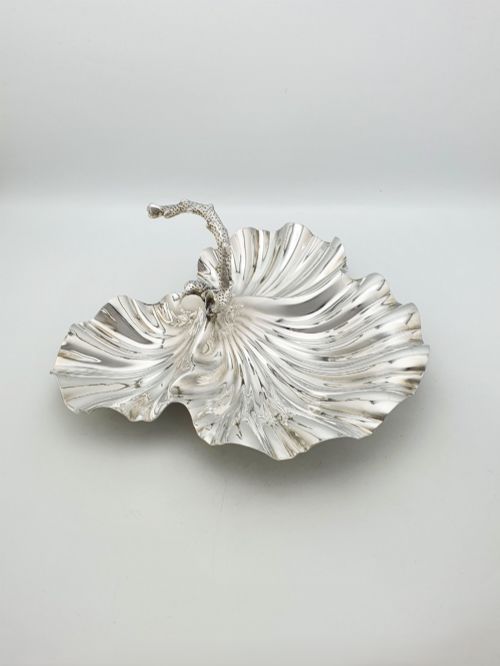
Structural elements incorporate applied details such as stylised coral handles, naturalistic foliage, and neo-classical motifs. Metal components were frequently gilt or combined with cut glass bowls to achieve contrasting textures and light reflection.
Listings feature silver plate, sterling silver, brass, cut glass, and porcelain across the nineteenth and early twentieth centuries.
Judgements of quality
Quality rests upon the crispness of chased and pierced ornamentation, the weight of the silver plate or sterling silver, and the intact condition of original glass liners. Pieces displaying deliberate cast details like shell motifs and figural supports demonstrate superior manufacture.
The integration between metal frames and blown glass components distinguishes standard production items from finer workshop examples. Maker attribution and registered design marks further separate mass-produced table wares from ambitious gallery commissions.
George W. Scott & Sons Ltd·Hawksworth Eyre·Garrard & Co·Thomas Bradbury·WMF·Doulton Burslem·Royal Vienna
The Victorian Table Centerpiece Glossary
- Epergne
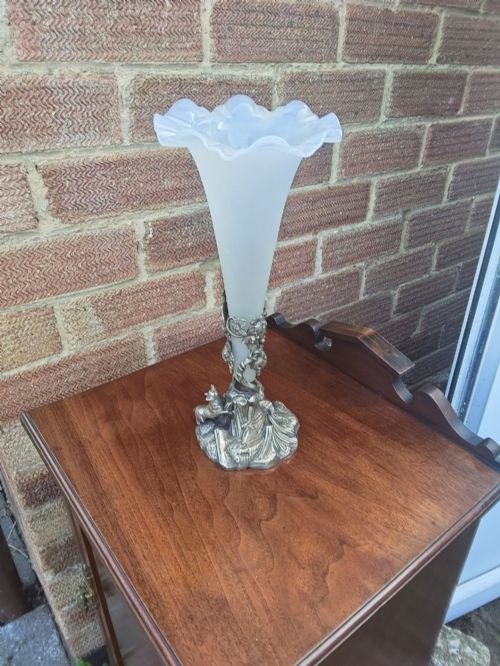
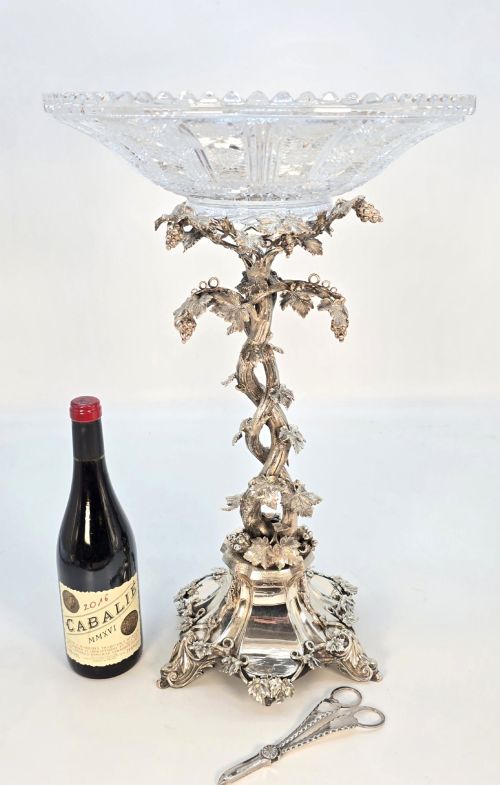
- A tiered table centrepiece featuring a central bowl with multiple detachable trumpets or hanging baskets for fruit and flowers. These pieces often combine silver plated frames with hand-blown coloured glass.
- Candelabra
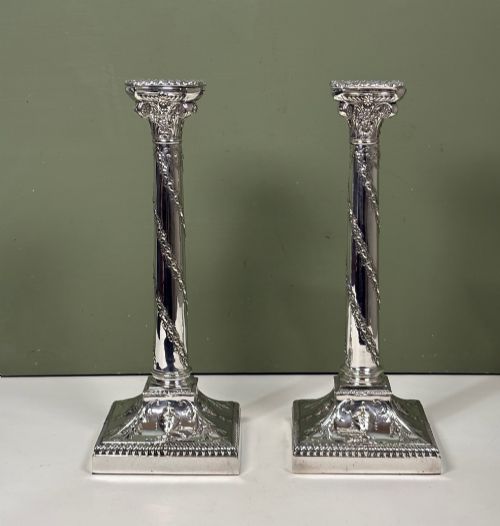
- A branched candlestick holding multiple lights on a central shaft. They appear in pairs across the nineteenth century in silver plate and porcelain.
- Silver Plate
- A base metal such as copper or nickel silver coated with a thin layer of silver. Manufacturers developed electroplated nickel silver during the nineteenth century to produce durable tableware.
- Cranberry Glass
- A rich red glass created by adding gold chloride to the molten batch. It frequently appears in Victorian epergnes and decorative baskets.
- Jardinere
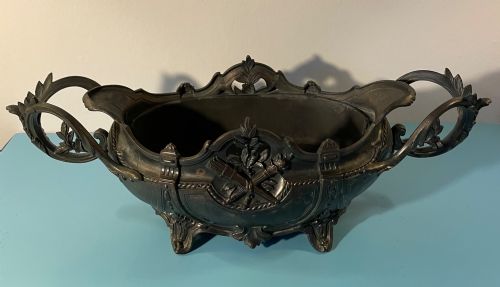
- A large ornamental pot or stand designed to hold growing plants or cut floral displays. These vessels appear in ceramic and metal finishes.
Victorian Table Centerpiece: Frequently Asked Questions
How were table centerpieces used?
These pieces occupied the middle of the dining table to display fruit, sweetmeats, or floral arrangements during formal meals. Candelabras also provided ambient lighting above the spread.
Larger epergnes held multiple detachable glass horns that allowed diners to converse beneath branching flower displays without obstructing their view across the table.
What glass colours are typical?
Victorian tableware frequently incorporates cranberry glass, uranium glass, vaseline glass, and opaque white glass. These vibrant hues provided a striking contrast against silver plated and sterling silver frames.
Glass elements were often hand-blown and shaped into ruffled bowls, fluted trumpets, or nautilus shells to catch the candlelight.
How do I date a piece?
Dating relies on stylistic clues, registered design marks, and maker stamps stamped into the base metal or silver hallmarks. Neo-classical and Rococo Revival styles point toward the mid-nineteenth century.
Later Victorian and Edwardian examples often embrace Art Nouveau curves, smoother silver plated surfaces, and lighter amber or green vaseline glass inserts.
Are liners interchangeable?
Original glass liners and baskets were specifically blown or moulded to fit the contours of their metal frames. Replacements often fit improperly or lack the characteristic pontil marks of nineteenth-century production.
Buyers should examine the seating of the glass within the silver plated or sterling silver mount to confirm its original association.