



Victorian Sweet Dish
A Victorian sweet dish brings sparkle and nineteenth-century elegance to the table for small confections.
Victorian Sweet Dish
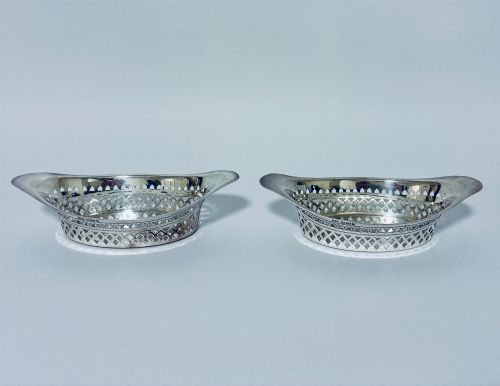
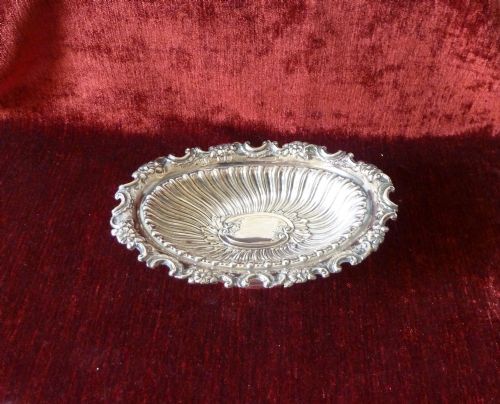
A Victorian sweet dish encompasses small silver bowls, handled baskets, and glass vessels made for serving sweetmeats and bonbons during the nineteenth century. These items range from sterling silver and silver plate to cranberry glass, pink opaque glass, and cut crystal.
The pieces on this page appear in various forms including pedestal bowls, lidded candy jars, and sweet stands. Many date from the 1860s through the 1890s, reflecting the Victorian and Edwardian preference for decorative tablewares.
Makers utilised pierced silver mounts, silver gilt, and intricate cut glass to create ornamental tableware for sweets. Buyers encounter both single items and matched pairs designed for formal dining.
How they were made
Silversmiths employed sterling silver and silver plate to shape bowls and baskets, frequently using piercing and hallmarking techniques in cities such as London and Birmingham. These metal mounts often support glass liners or stand independently as pedestals.
Glassmakers produced cranberry glass, pink opaque glass, and heavy cut crystal through blowing and cutting methods. The combination of glass and metal required precise fitting, particularly when securing silver gilt baskets around delicate glass inserts.
Victorian Sweet Dish Retail Price Guide 2026
Typical asking prices for victorian sweet dish among the pieces listed under this phrase on Sellingantiques today, from the lower quarter to the upper quarter. They describe what is for sale here now, not the wider market.
Victorian diners apparently required specialised vessels for every imaginable sugar lump.
What varies in quality
Quality in these items rests upon the depth of the crystal cutting, the crispness of pierced silver work, and the weight of the metal. Heavier gauge silver and thick, refractive cut crystal distinguish finer examples from standard production pieces.
The integration between glass inserts and metal frames indicates the skill of the maker. Superior pieces maintain a snug, balanced fit without awkward gaps between the silver mount and the glass vessel.
Roberts and Belk
The Victorian Sweet Dish Glossary
- Bonbon dish
- A small vessel specifically intended for holding sweets, bonbons, or confections at the table. These often feature low sides or swing handles.
- Silver gilt
- Silver that has been coated with a thin layer of gold on the surface. This technique provides a warm, rich tone that complements red or pink glass inserts.
- Cranberry glass
- A rich red transparent glass coloured with gold chloride, widely utilised during the nineteenth century for decorative tableware and preserve dishes.
- Sweetmeat
- An old-fashioned term for a sweet, candy, or confectionary delicacy. Tableware designed for these items includes small bowls, baskets, and jars.
Victorian Sweet Dish: Frequently Asked Questions
What were Victorian sweet dishes used for?
These pieces were placed on dining tables or sideboards to serve small sugary confections, sweetmeats, and after-dinner treats.
Hosts used them during formal meals and gatherings to offer guests bite-sized sweets from decorative silver and glass bowls.
How do I date a silver sweet bowl?
Dating relies heavily upon the silver hallmarks stamped onto the metal mounts, which indicate the assay office and year of manufacture.
Stylistic cues such as Aesthetic Movement engraving or Victorian registration marks also help narrow down the decade.
Can I use these dishes for serving food today?
Most pieces remain fully functional for serving dry sweets, chocolates, or small fruits during modern gatherings.
Care should be taken with antique glass and silver gilt to ensure appropriate hand washing rather than machine cleaning.
Are glass inserts original to the silver frames?
Original glass inserts fit securely within the metal baskets or frames without excessive movement or rattling.
Matching the contours of the glass to the specific shape of the silver mount helps confirm authenticity.