

Victorian Style Tray
These pieces give a room a strong Victorian style tray presence through period materials and traditional forms.
Victorian Style Tray
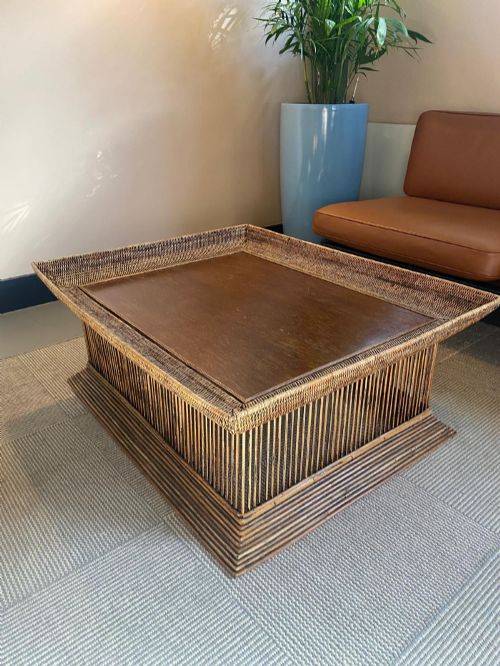
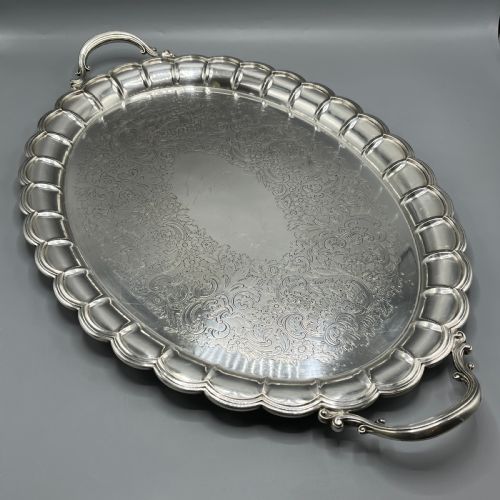
A Victorian style tray brings functional historical design into a contemporary interior, drawing on nineteenth-century forms and decorative arts. When you search for a victorian style tray, you encounter serving trays, butlers trays on stands, and table tops derived from period serving equipment.
The selections span the nineteenth century through the early twentieth century, including pieces marked by Victorian, Edwardian, and Arts and Crafts aesthetics. Mahogany, silver plate, brass, and papier-mâché predominate across the items listed on this page.
Makers and workshops utilised diverse regional styles, ranging from Anglo-Indian teak trays to Scottish serving pieces and lacquer work. These objects served utilitarian dining and display purposes in period households before finding new life as occasional tables and decorative accents.
Materials and Construction Techniques
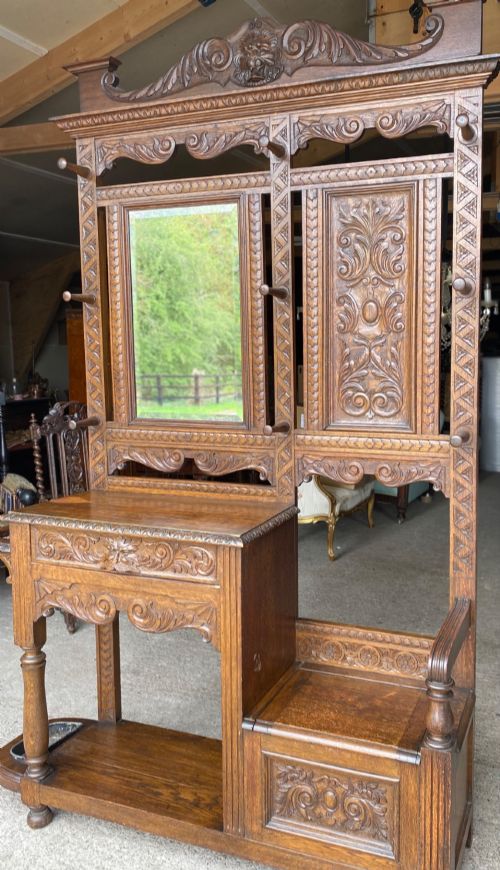
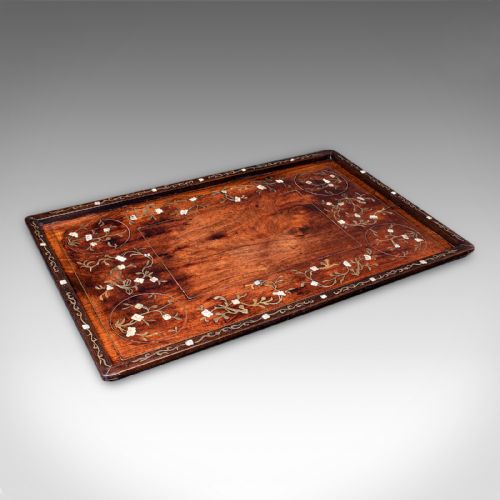
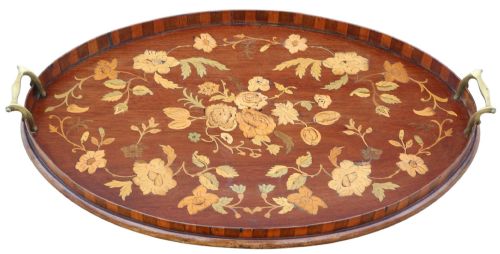
Makers relied on solid timbers like mahogany, satinwood, and pitch pine, often enhanced with marquetry inlay or brass banding. Woodworking techniques included dovetailed joints, hand-carving, and the adaptation of folding butler tray frames.
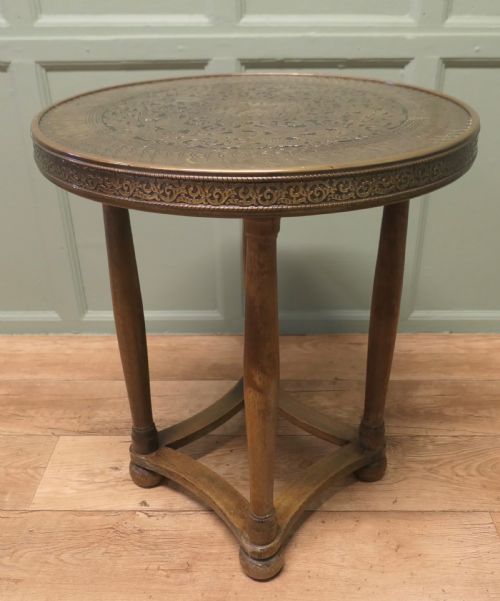
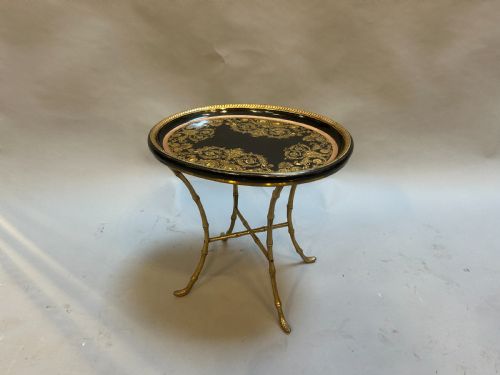
Metalwork utilised silver plating over base metals, cast iron for structural stands, and beaten brass for decorative table tops. Lacquer, toleware, and tortoiseshell finishes applied organic resin or paint layers to metal and papier-mâché bases.
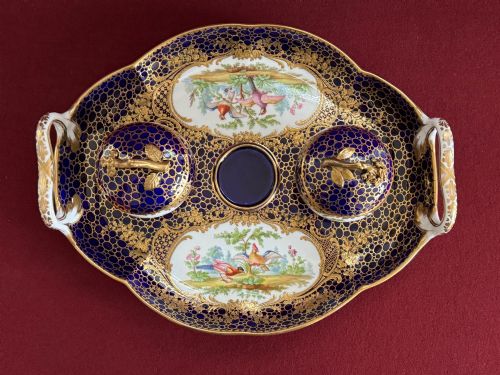
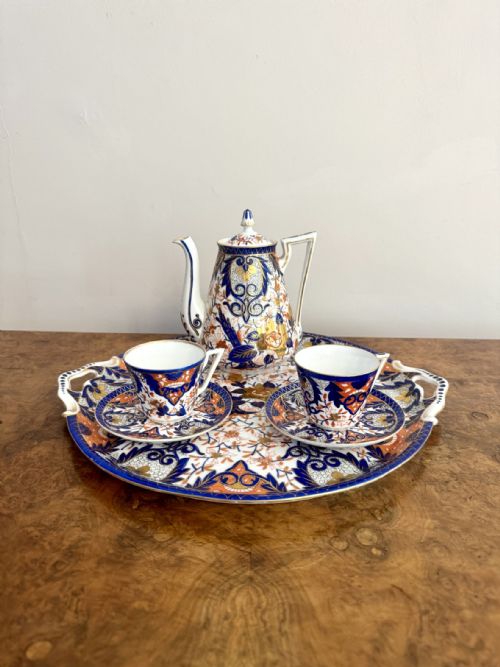
Ceramic elements incorporated transfer-printed earthenware, ironstone, and hand-painted porcelain from factories such as Minton and Dresden. Glazing and firing methods achieved durable surfaces suitable for daily service and display.
Victorian Style Tray Retail Price Guide 2026
Typical asking prices for victorian style tray among the pieces listed under this phrase on Sellingantiques today, from the lower quarter to the upper quarter. They describe what is for sale here now, not the wider market.
Listings feature nineteenth-century materials including brass, mahogany, cast iron, and porcelain across serving trays and occasional tables.
What Distinguishes Quality
The tier of a piece depends upon the crispness of the hand-carving, the precision of wood inlay, and the depth of metal engraving. Superior examples demonstrate rigorous joinery and balanced proportions rather than mass-produced uniformity.
Material selection dictates longevity and visual weight, with dense hardwoods and heavy gauge silver plate holding greater presence than light veneers or thin metals. Artisanal execution in painted scenes and chased brass distinguishes high-status items from standard utility wares.
Thonet·Coalbrookdale·Minton·Benhan and Froud·Charles Boyton
The Victorian Style Tray Glossary
- Butler tray
- A portable wooden serving tray designed to lift off a folding X-frame stand. It allows for easy service and compact storage.
- Toleware
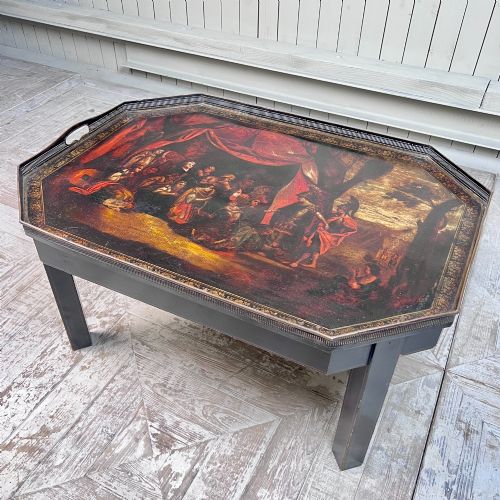
- Enamelled or japanned metalware painted with decorative motifs. It provides a durable, colourful surface popular in nineteenth-century interiors.
- Inlay
- A technique where pieces of contrasting wood, shell, or metal are inserted into a recessed surface to form a pattern. It creates decorative contrast.
- Imari
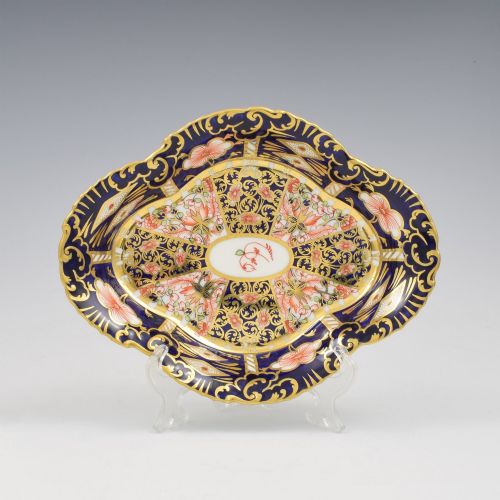
- A Japanese export porcelain style emulated by European potteries using underglaze blue and iron-red with gilding. It yields rich, patterned ceramic surfaces.
- Marquetry
- The art of applying thin veneers of wood to a structure to form decorative pictures or geometric designs. It showcases refined cabinet-making skill.
- Etagere
- A piece of furniture consisting of open shelves for displaying small objects. It combines storage with vertical display space.
Victorian Style Tray: Frequently Asked Questions
What is a tray table?
A tray table combines a removable serving tray with a fixed or folding support stand. This dual construction allowed nineteenth-century households to clear dining surfaces rapidly.
Today, these pieces function as occasional coffee tables or side tables in living spaces. Their portable nature offers flexible placement within a room.
How do I clean wooden trays?
Maintenance requires dry dusting with a soft cloth to protect aged wood and delicate inlay. Avoid excessive moisture and harsh chemical cleaning agents.
Periodic application of appropriate wax preserves the historic finish of mahogany and satinwood. Gentle care ensures the material retains its natural lustre.
Where were these pieces used?
Original nineteenth-century pieces served dining rooms, drawing rooms, and hallways for afternoon tea, correspondence, and calling card presentation. Country houses and urban townhouses utilised them for both service and display.
In modern homes, they anchor seating areas or hold decorative objects in hallways. Their historical utility translates well to contemporary spatial arrangements.