




Victorian Style Framed Prints
Victorian style framed prints bring nineteenth-century subjects and historic reproductive techniques into domestic interiors through paper works set behind glass.
Victorian Style Framed Prints
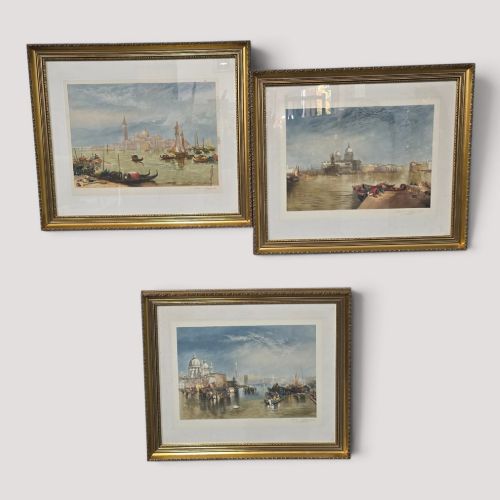
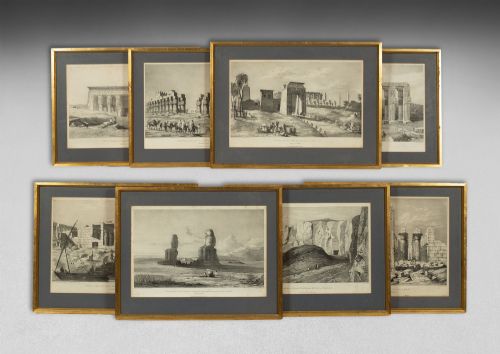
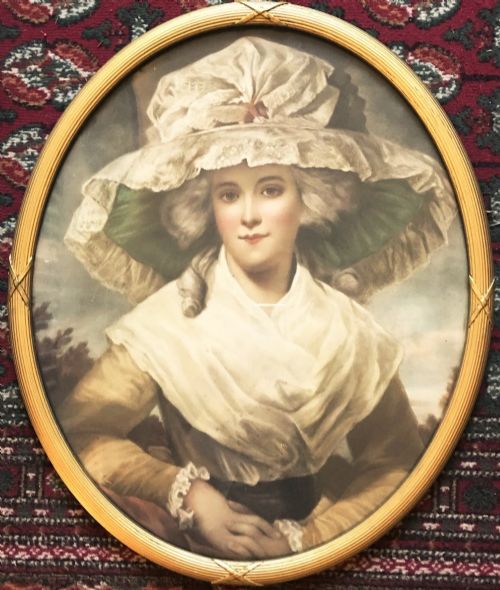
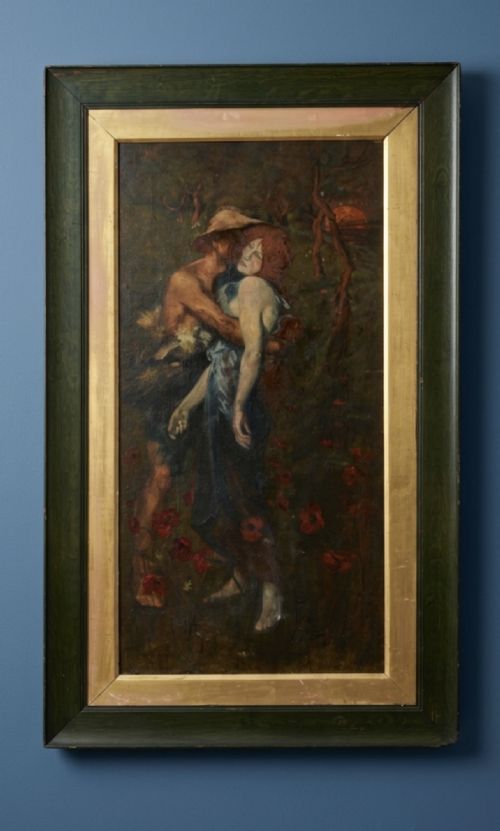
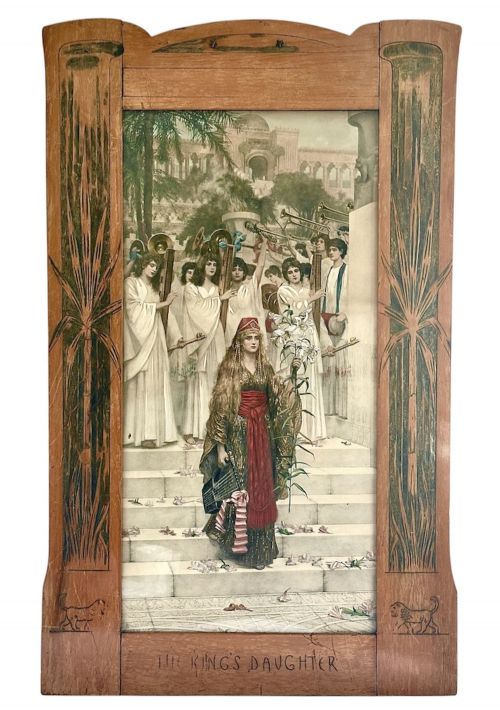
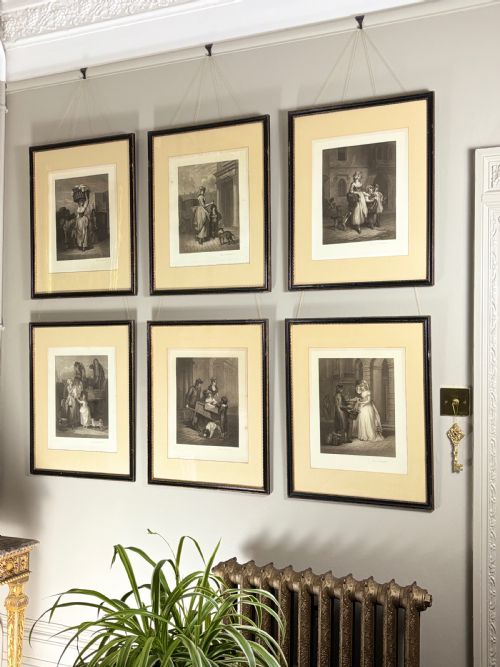
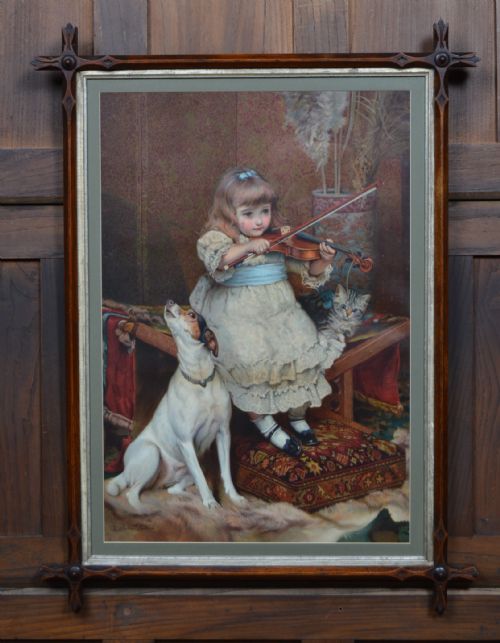
Victorian style framed prints comprise paper works produced across the nineteenth century and subsequent decades, capturing subjects ranging from classical mythology to portraiture and historical scenes. The selection on this page demonstrates various forms including lithographs, mezzotints, engravings, photogravures, and silhouettes.
These works bridge historical artistic traditions and domestic wall decoration, often employing period framing materials such as wood, giltwood, and gold leaf. Buyers encounter single pieces alongside sets, reflecting how nineteenth-century imagery was distributed and displayed.
Materials and production methods
Paper serves as the primary medium for these images, carrying impressions created through techniques like lithography, mezzotint engraving, etching, and photogravure. Skilled artisans transferred ink onto paper sheets using metal plates or stone matrices.
Frames utilise wood, gilt wood, and gold leaf to enclose and protect the paper works, frequently paired with glass glazing. These protective housings preserve the delicate printed surfaces from atmospheric moisture and handling.
Victorian Style Framed Prints Retail Price Guide 2026
Typical asking prices for victorian style framed prints among the pieces listed under this phrase on Sellingantiques today, from the lower quarter to the upper quarter. They describe what is for sale here now, not the wider market.
Listings feature paper works dated across the nineteenth century alongside later twentieth-century reproductions, housed in wood and giltwood frames.
Distinctions in craftsmanship
Quality separates through the crispness of the impression on the paper and the fidelity of the tonal gradations achieved by the printer. Finer plates yield sharper details in complex portraiture and architectural scenes.
The integrity and period character of the surrounding frame contribute significantly to the overall merit of a piece. Hand-gilded wood mounts and original glass retain greater historical coherence than later replacements.
The Victorian Style Framed Prints Glossary
- Lithograph
- A print made from a planographic image on stone or metal. The process relies on the mutual repulsion of oil and water to transfer ink to paper.
- Mezzotint
- A printmaking method of the intaglio family where the plate is roughened to achieve rich dark tones and subtle graduations of light.
- Photogravure
- A print produced from a photographic negative transferred to a metal plate and etched. This technique captures photographic detail with continuous tonal range.
- Chromolithograph
- A colour lithographic print produced using multiple stones, each applying a distinct hue to build a layered chromatic image.
- Engraving
- An intaglio print process where lines are incised directly into a metal plate with a burin. The resulting grooves hold ink for transfer under pressure.
Victorian Style Framed Prints: Frequently Asked Questions
Can I hang these prints in direct sunlight?
Direct sunlight causes paper to yellow and inks or watercolours to fade permanently over time due to ultraviolet exposure.
Position these works on interior walls away from direct windows or utilise specialised UV-filtering museum glass for protection.
What framing materials are typical for these pieces?
Frames typically consist of wood finished with gold leaf, giltwood, or simple painted surfaces designed to complement nineteenth-century domestic interiors.
Original frames often show minor surface wear that indicates age and historical authenticity.
How do I distinguish an engraving from a lithograph?
Engravings exhibit fine, raised ink lines pressed into the paper surface under heavy plate pressure, creating a distinct platemark around the image.
Lithographs display a smoother surface texture without deep plate indentations, relying on flat chemical application of ink to the paper.