




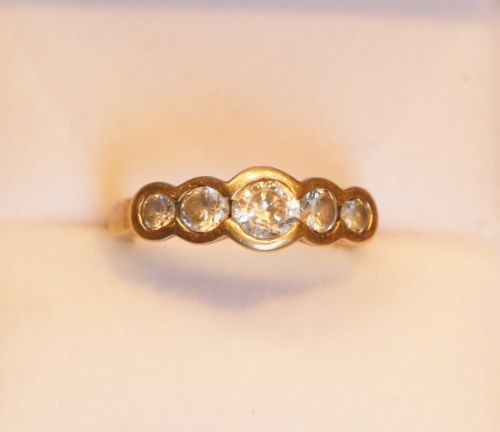


Victorian Style Dress Ring
When you search for a victorian style dress ring, you seek a decorative piece of jewellery built to catch the eye.
Victorian Style Dress Ring
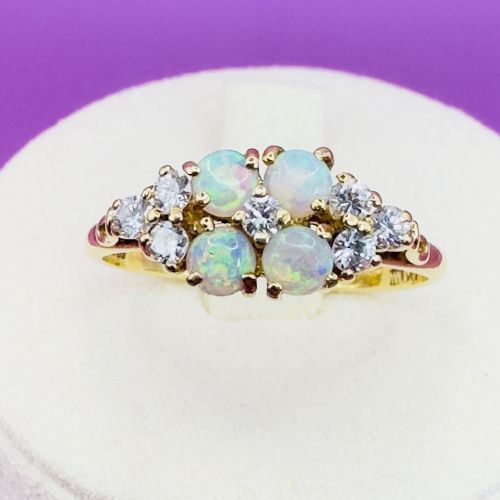
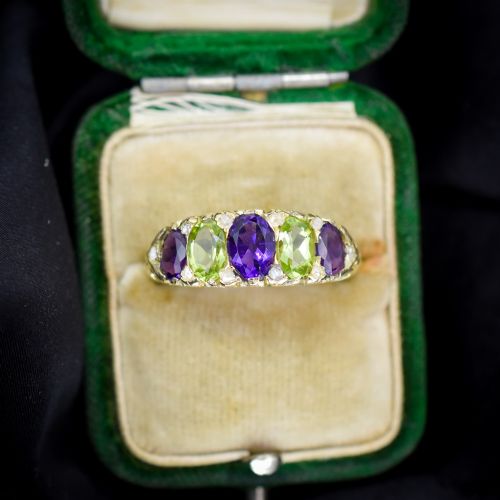
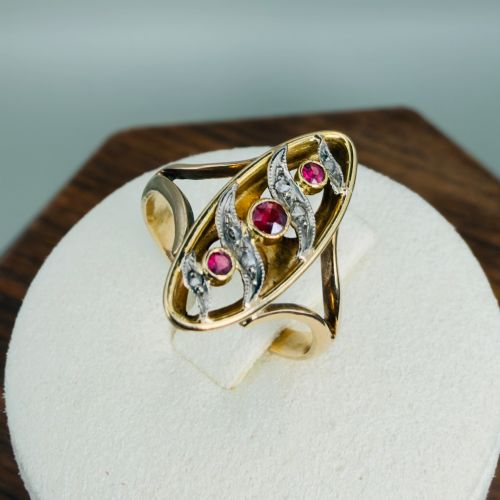
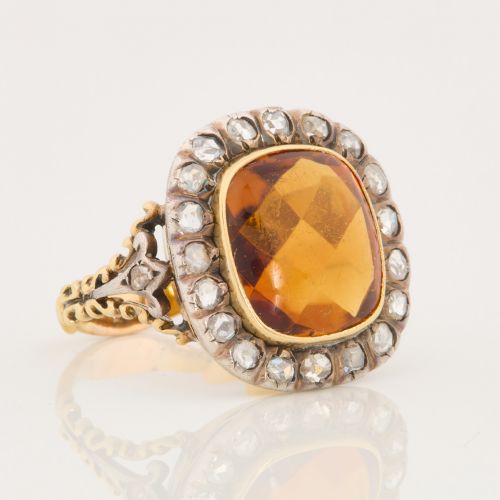
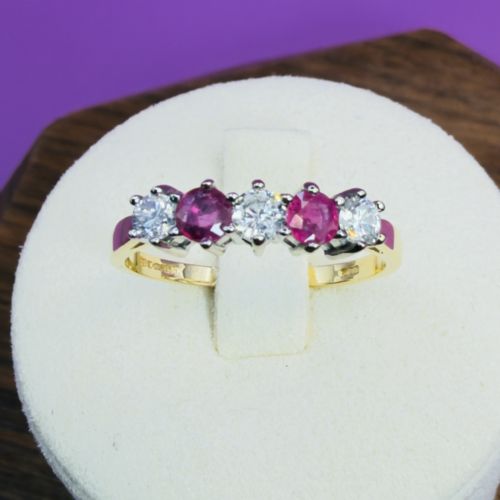
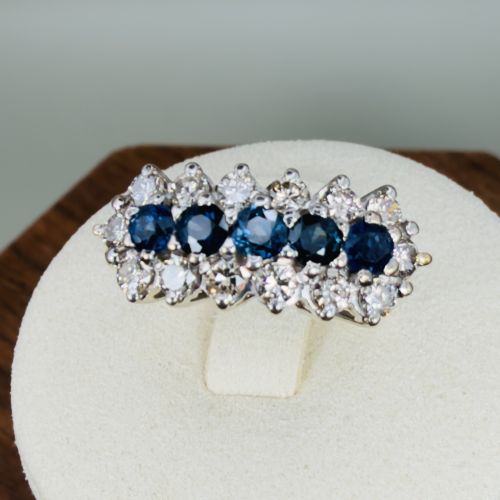
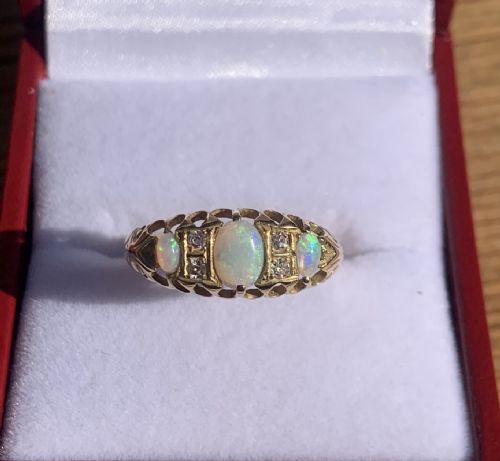
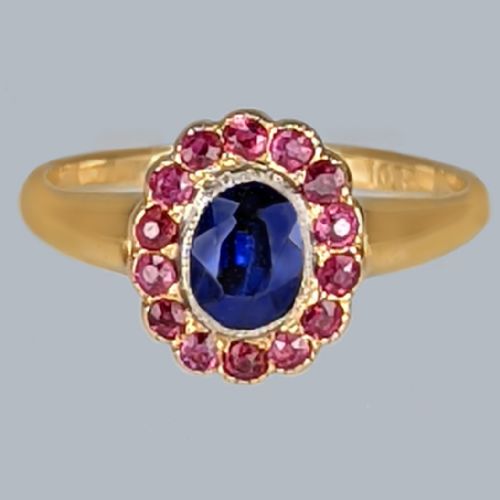
A victorian style dress ring brings together historic forms and decorative stones, most frequently appearing in cluster, boat, navette and multi-stone configurations. The pieces span periods from the nineteenth century through the Edwardian era and mid twentieth century revivals, showing how jewellers reinterpreted earlier motifs.
The materials recorded in these rings combine gold in various purities with traditional gemstones like diamond, sapphire, ruby, amethyst, opal and pearl. While many examples originate from the Victorian period proper, others emerge from later revivals that maintain the ornate character of the nineteenth century.
Collectors encounter diverse silhouettes including marquise clusters, three-stone trilogies, and gypsy settings in both yellow gold and silver. These configurations served primarily for ornamentation rather than betrothal, offering distinct visual weight on the hand.
Materials and construction
Construction relies heavily on 9ct and 18ct gold, alongside occasional silver and 15ct gold components, providing durable mounts for precious and semi-precious stones. Master goldsmiths utilised casting and hand-working techniques to shape intricate bezels, shoulders and galleries.
Gemstones such as old-cut diamonds, rubies, sapphires, amethysts and opals are secured in claw, flush or cluster arrangements designed to maximise light return and colour contrast. Settings frequently incorporate fine detail such as engraved shoulders or contrasting silver-topped gold work.
Victorian Style Dress Ring Retail Price Guide 2026
Typical asking prices for victorian style dress ring among the pieces listed under this phrase on Sellingantiques today, from the lower quarter to the upper quarter. They describe what is for sale here now, not the wider market.
One unexpected dressing table box slips quietly among the rings.
Distinguishing quality
Quality rests in the precision of the stone setting, the weight and purity of the gold mount, and the overall integrity of the metalwork. Superior examples display well-matched natural gemstones with secure mountings and crisp, unrubbed detail to shoulders and galleries.
Lesser pieces may show uneven stone wear, simplified casting without hand-finished engraving, or repairs that disturb the original proportions of the design. The balance between the central cluster and the band determines the aesthetic success of the ring.
The Victorian Style Dress Ring Glossary
- Navette
- A boat-shaped ring setting that tapers to points at either end. This elongated silhouette sits prominently across the finger.
- Boat ring
- A curved mounting arrangement holding a row of graduated stones. The profile resembles the hull of a vessel.
- Gypsy ring
- A band style where the gemstones are flush-set directly into the thick metal surface. This provides a smooth, low-profile fit.
- Old cut
- A historic diamond cutting style characterised by a small table, high crown and open culet. These stones were shaped by hand to catch candle or gas light.
Victorian Style Dress Ring: Frequently Asked Questions
How do I style a dress ring?
Wear your dress ring on its own to let the detailed goldwork and gemstone clusters take centre stage without competition from other bands.
Because these pieces were designed purely for ornamentation, they suit either daily wear with mindful care or evening occasions where their historic character stands out.
Are these rings suitable for everyday wear?
Many of these rings withstand daily use provided you check the security of the stone settings regularly with a professional jeweller.
Softer gems like opals and pearls require greater care to avoid impact and moisture damage compared to harder stones like diamonds and sapphires.
How can I tell a true Victorian ring from a revival piece?
Examination of the hallmark stamps, gold purity standards, and manufacturing techniques helps distinguish original nineteenth-century pieces from mid-twentieth-century revivals.
Revival pieces often utilise modern casting methods or gold standards that differ from authentic Victorian workshop practices while successfully copying the older aesthetic.
What is the difference between a cluster and a halo setting?
A cluster setting groups several gemstones tightly together to create a singular bright mosaic of colour and light on the hand.
By contrast, a halo setting specifically arranges a ring of smaller accent stones around a distinct larger central gemstone.