






Victorian Style Daybed
These victorian style daybed pieces bring nineteenth-century lounging into the modern home with classic wood and metal frames.
Victorian Style Daybed
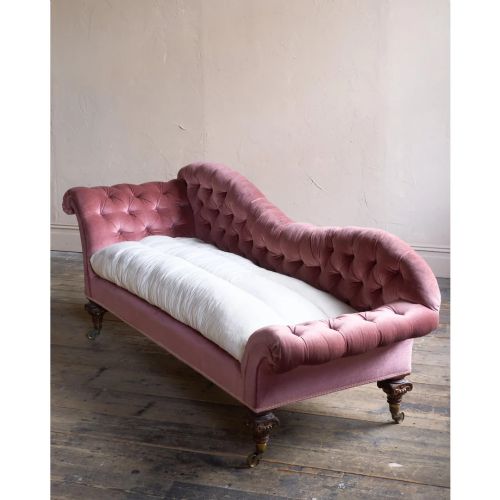
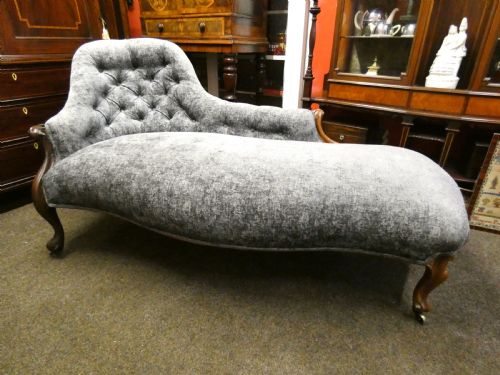
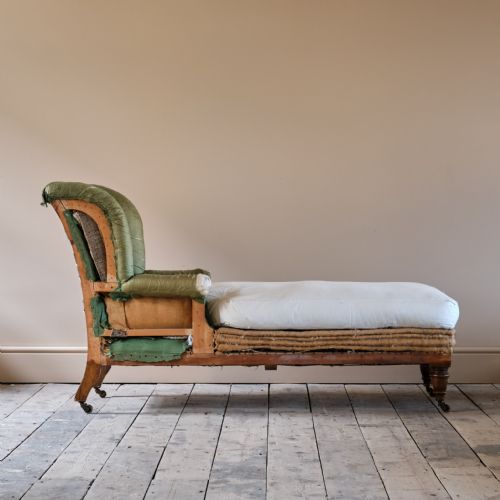
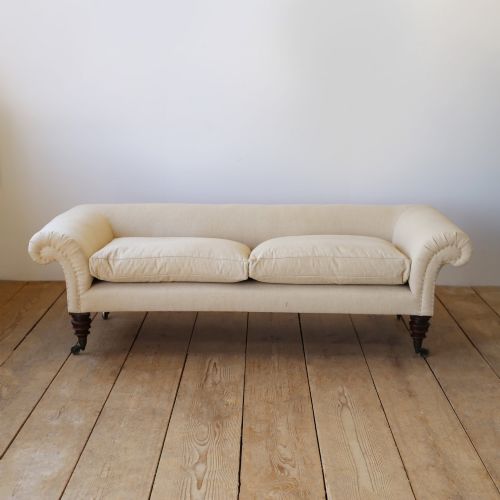
A victorian style daybed encompasses nineteenth-century resting forms such as chaise longues, daybeds, and scroll-end sofas designed for daytime reclining. These pieces combine seating and sleeping functions within domestic spaces, reflecting the varied social habits of the nineteenth century.
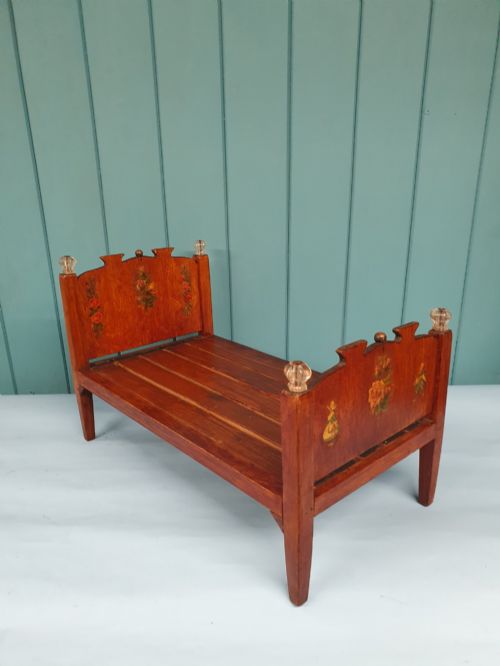
The selections on this page range from early Victorian walnut frames to later cast iron designs, alongside campaign and colonial styles. Miniature furniture and toy beds also appear, offering smaller iterations of full-sized nineteenth-century forms.
Origins stretch across various aesthetics, including Moorish Revival, Regency, French Country, and Howard styles. Walnut, mahogany, and ebonised woods predominate alongside brass and iron structures, upholstered in velvet and other fabrics.
Materials and construction
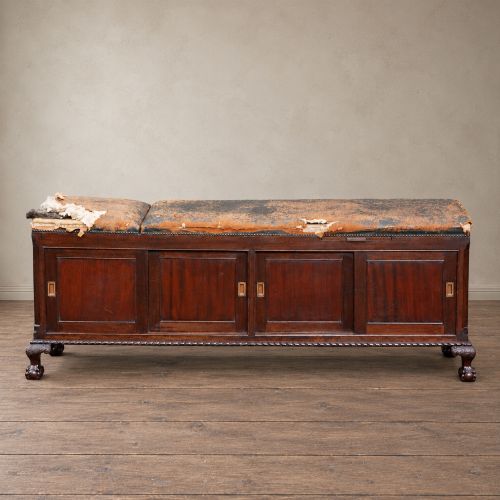
Construction relies heavily on timbers such as walnut, mahogany, and solid Rio rosewood, often paired with cane seating or buttoned velvet upholstery. Ebonised finishes and ebony detailing appear alongside carved wooden elements like ionic column legs.
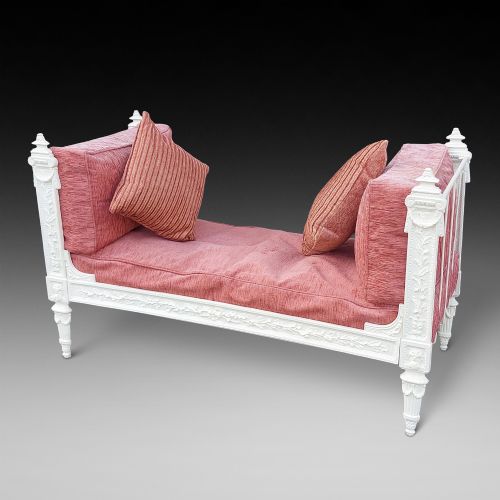
Metal structures incorporate cast iron and wrought iron combined with brass components, particularly in the later nineteenth-century bed and daybed designs. These durable materials support both folding campaign mechanisms and rigid scroll-end daybed forms.
Victorian Style Daybed Retail Price Guide 2026
Typical asking prices for victorian style daybed among the pieces listed under this phrase on Sellingantiques today, from the lower quarter to the upper quarter. They describe what is for sale here now, not the wider market.
Tiny doll house toy beds from eighteen-eighty prove that miniature lounging was serious business for Victorian children.
Quality and craftsmanship
Quality reveals itself in the integrity of the timber framing, the precision of carved details such as scroll ends, and the stability of combined brass and iron elements. Superior examples maintain structural soundness in their joinery and upholstery foundations.
Material selection dictates the upper tier of pieces, where solid Rio rosewood, finely figured walnut, or robust cast iron form the core. Finer items exhibit careful attention to finishing details like ebonisation and buttoned velvet coverings.
Howard and Sons
The Victorian Style Daybed Glossary
- Chaise longue
- An upholstered sofa in the form of a chair with a long seat for reclining. This French term translates to long chair.
- Campaign style
- Portable furniture designed for travel and military use, often featuring folding frames and brass corners. These pieces prioritize practicality and robust construction.
- Ebonised
- Wood finished with a dark stain or paint to imitate ebony. This technique was popular in nineteenth-century furniture manufacturing.
- Buttoned
- Upholstery secured with deep tufting and buttons arranged in a geometric pattern. This method holds the padding firmly in place while creating a decorative surface.
- Scroll-end
- A furniture arm or back that curves outward in a spiral scroll shape. This stylistic flourish defines many nineteenth-century daybed and sofa silhouettes.
Victorian Style Daybed: Frequently Asked Questions
How do I use a daybed today?
These pieces fit well in studies, guest bedrooms, or living rooms as alternative seating during the day. They provide a comfortable spot for reading or resting without dominating a room like a full bed.
Their narrow profiles allow them to sit against walls or function as window seats. Many styles incorporate upholstered backs and scroll ends that offer proper support while sitting upright.
Are these pieces comfortable for sleeping?
Daybeds and chaise longues from the nineteenth century were primarily built for daytime lounging rather than permanent nightly sleeping. Their dimensions and fixed armrests suit reclining and short rests.
Modern comfort depends on the condition of the internal padding and upholstery webbing. Pieces featuring cane seating often require cushions for extended use.
How do I distinguish Victorian from Regency styles?
Regency pieces often draw inspiration from classical Greek, Roman, and Egyptian forms with clean architectural lines. They predate the heavier ornamentation typically associated with the Victorian era.
Victorian designs generally feature more exuberant carving, buttoned upholstery, and varied revivals like Moorish or French country influences. Timber choices also shifted through these periods, moving from lighter mahogany use toward darker walnut and ebonised woods.
What maintenance do wood and iron frames need?
Wooden frames require regular dusting and occasional treatment with appropriate wax or polish to keep the timber nourished. Avoid placing them in direct sunlight or near heat sources to prevent the wood from drying out.
Iron and brass components benefit from gentle cleaning with a dry or slightly damp cloth. Painted or ebonised surfaces should be kept dry to protect the finish from moisture damage.