



Victorian Style Bronze Light
A victorian style bronze light brings heavy metal and warm illumination into a room, spanning table lamps, chandeliers, and wall sconces.
Victorian Style Bronze Light
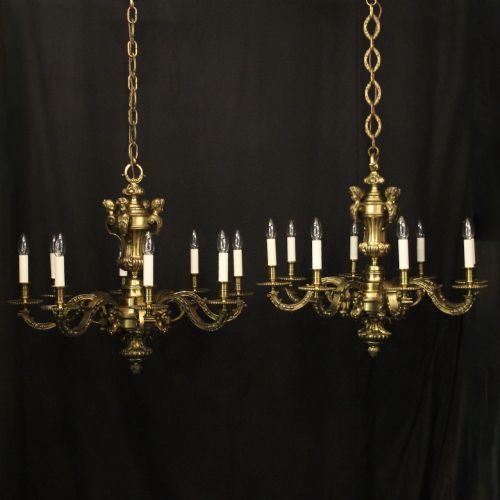
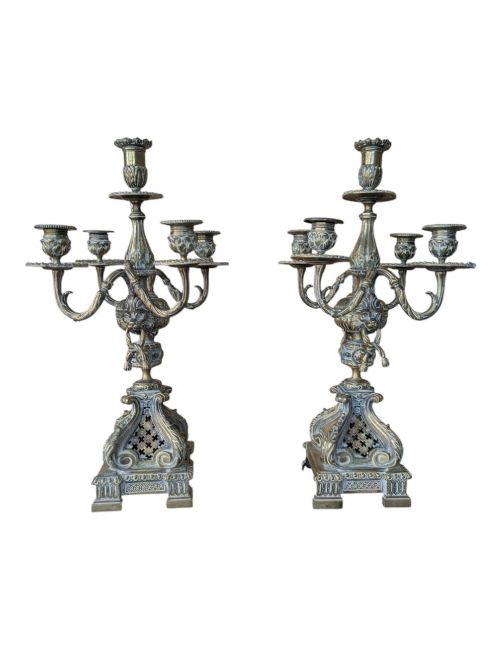
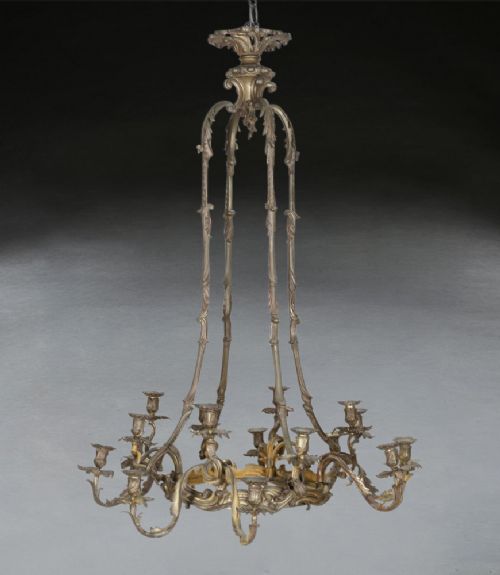
A victorian style bronze light encompasses everything from multi-branch chandeliers and wall sconces to heavy table lamps and candelabra. These items originate predominantly from the nineteenth century and the Edwardian era, carrying the weight of traditional casting methods.
The aesthetic draws heavily on French and English revivals, incorporating neoclassical symmetry alongside the ornate flourishes of rococo design. Pieces range from simple brass desk pieces to towering floor standards and hall lanterns intended for grand entrances.
Many items show adaptations over time, such as oil lamps or candlesticks converted for electricity during the twentieth century. This blending of historical metalwork with modern wiring is standard for surviving examples found today.
Materials and Technique
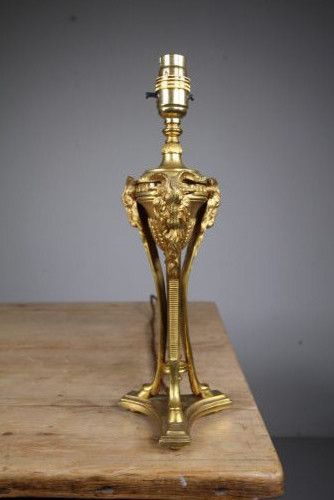
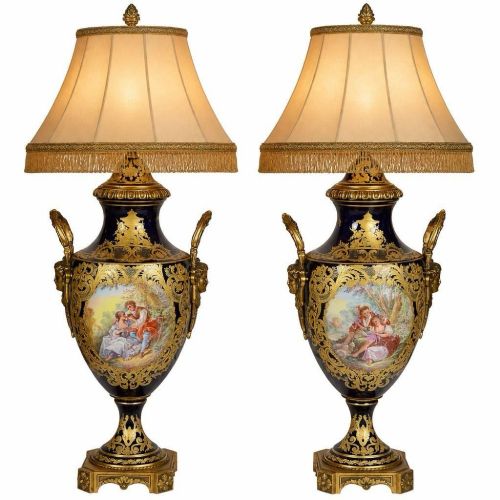
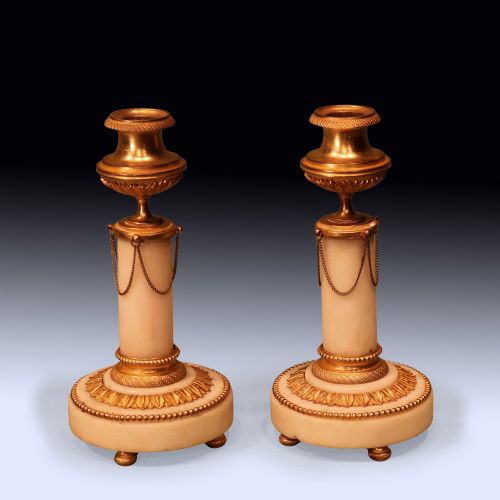
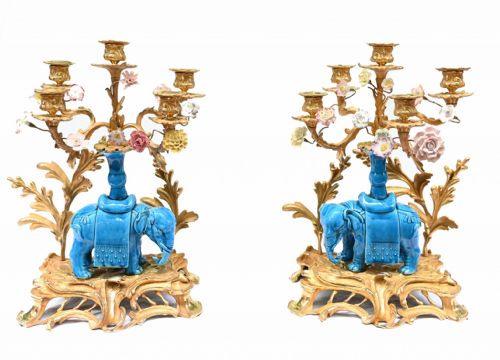
Foundry work relied heavily on bronze, brass, and gilt metal, often finished with ormolu gilding to provide a bright golden surface. Makers combined these metals with contrasting materials like white marble, opaline glass, and hand-painted porcelain bodies.
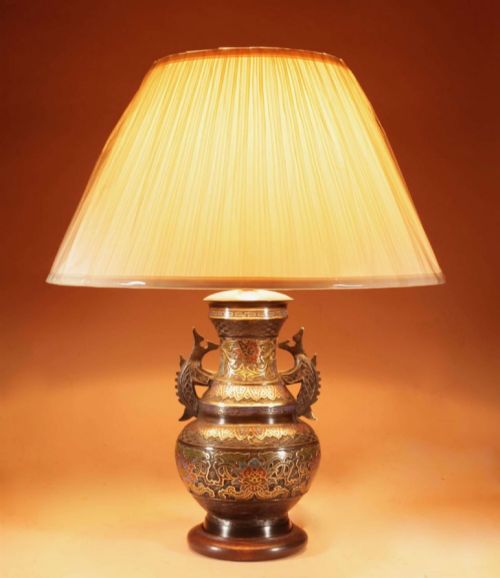
Surface decoration frequently involved champlevé enamel work or detailed sculptural casting depicting cherubs, floral motifs, and classical figures. Fabric shades and delicate glass components completed the fittings, though many original shades have been replaced over the decades.
Listings feature items spanning the nineteenth century through the Edwardian period, utilising bronze, brass, ormolu, and Sevres style porcelain.
Assessing Quality
The integrity of the mercury gilding or ormolu surface also marks the distinction, as worn or poorly applied finishes flatten the visual depth. Original combinations of materials, such as paired porcelain urns or intact marble bases, hold greater cohesion than mismatched assemblies.
Perry And Co
The Victorian Style Bronze Light Glossary
- Ormolu
- A gilded bronze technique involving the application of a finely ground gold-mercury amalgam to a bronze object. This process creates a rich, matte yellow finish characteristic of high-end nineteenth-century decorative metalwork.
- Champlevé
- An enamelling technique where troughs or cells are carved into the surface of the metal and filled with vitreous enamel powder before firing. It appears frequently on nineteenth-century decorative lamps and candelabra.
- Candelabra
- A branched candlestick holder designed to support multiple candles simultaneously. Many surviving examples from this era were later converted to hold electric lamp fittings.
- Sconce
- A wall-mounted lighting fixture designed to hold candles or electric bulbs, often backed by a reflective metal plate or decorative backplate. They bring directional light to hallways and living spaces.
- Spelter
- An alloy of zinc and lead used as a cheaper substitute for bronze in decorative figures and candlesticks. It mimics the weight and appearance of bronze but takes plating and paint differently.
Victorian Style Bronze Light: Frequently Asked Questions
How do I clean a bronze light?
Dust the metal gently with a soft dry cloth to prevent the accumulation of grime in the recessed details. Avoid using harsh chemical polishes that can strip away historic gilding or patination.
For glass or porcelain elements, use a mild soap solution on a damp cloth while ensuring no moisture reaches the electrical components. Regular gentle maintenance preserves the original surface finish better than aggressive scrubbing.
Were these lights converted from oil?
Many nineteenth-century lighting pieces began as oil lamps, gasoliers, or simple candle holders before receiving modern wiring. Conversions happened at various points in history to accommodate domestic electricity as homes modernized.
Inspecting the internal wiring channel and base usually reveals evidence of past fuel fonts or burner mechanisms. These alterations are standard for period lighting and rarely detract from the utility of the piece.
What is the difference between bronze and brass?
Bronze is an alloy primarily composed of copper and tin, resulting in a heavier, darker metal that develops a rich natural patina over time. Brass is an alloy of copper and zinc, which tends to have a brighter, yellower tone when polished.
Victorian makers utilised both metals depending on the desired finish and whether the surface would be gilded with ormolu. Many items combine both metals within a single casting.
How do I date a victorian style bronze light?
Dating relies on examining the casting techniques, fastening methods, and stylistic cues from the period. Nineteenth-century pieces often feature hand-cut screws, heavy sand-cast components, and specific revival motifs like neoclassical urns or rococo scrolls.
Maker marks, registration numbers, or specific manufacturer stamps on the metal base can provide a narrower production window. Comparing the wiring style and ceramic components also helps determine whether parts are original to the manufacture.