
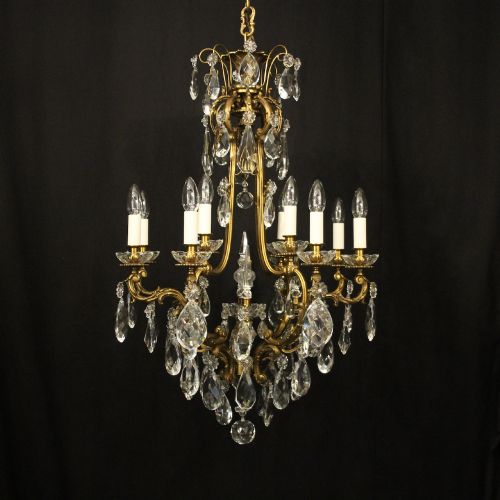
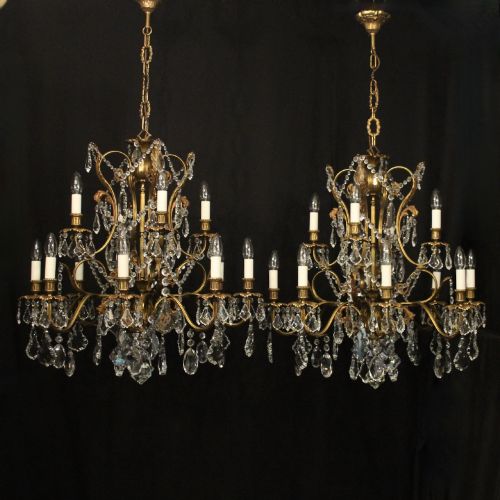
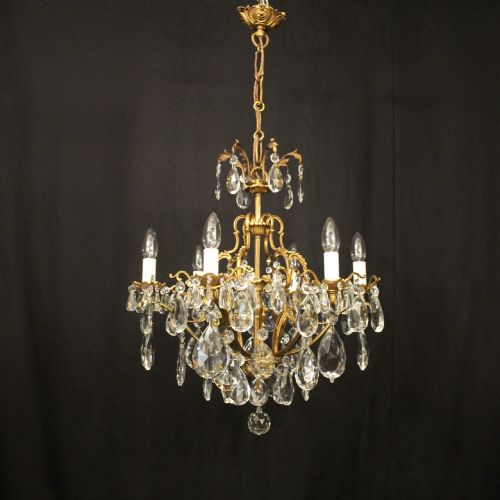
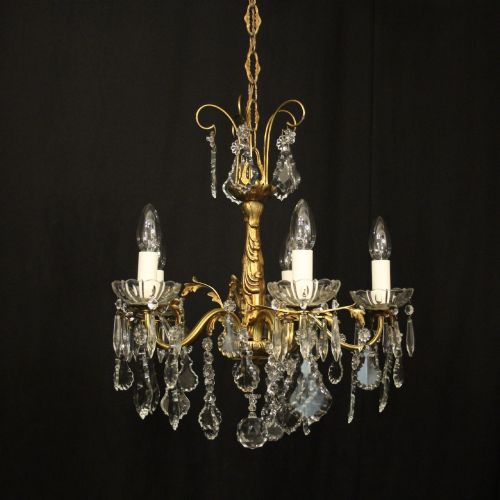
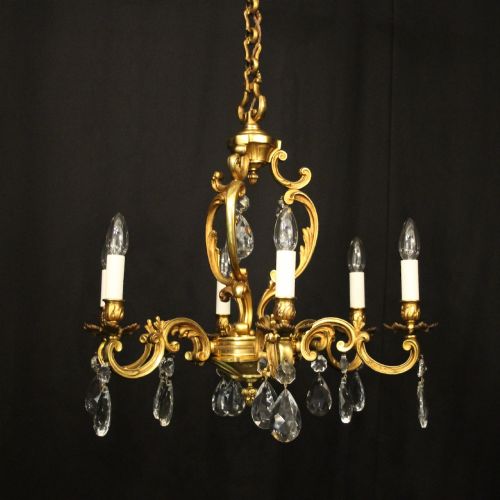
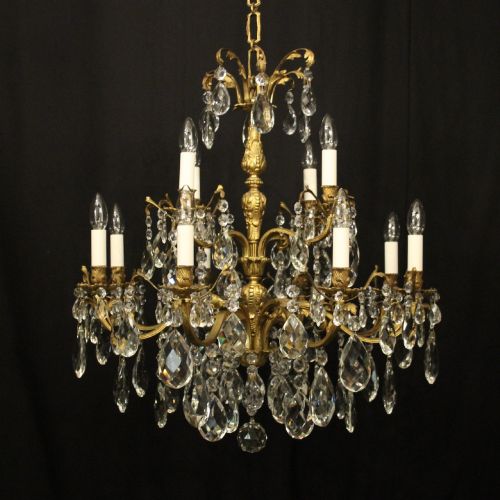
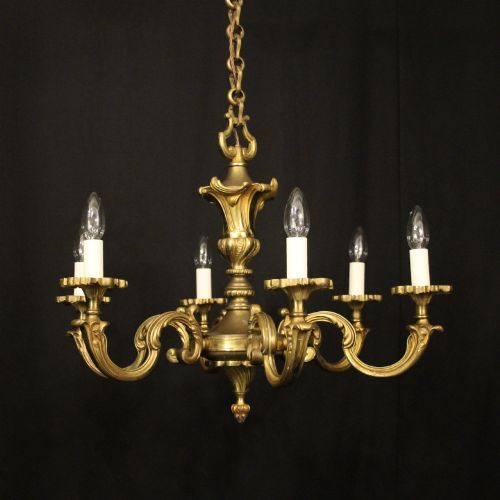
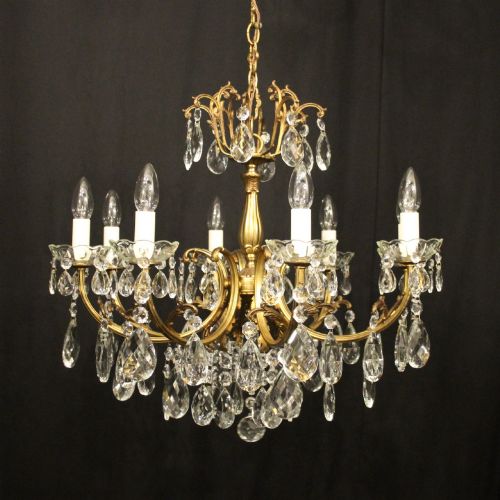
Rococo Bronze Ceiling Chandelier
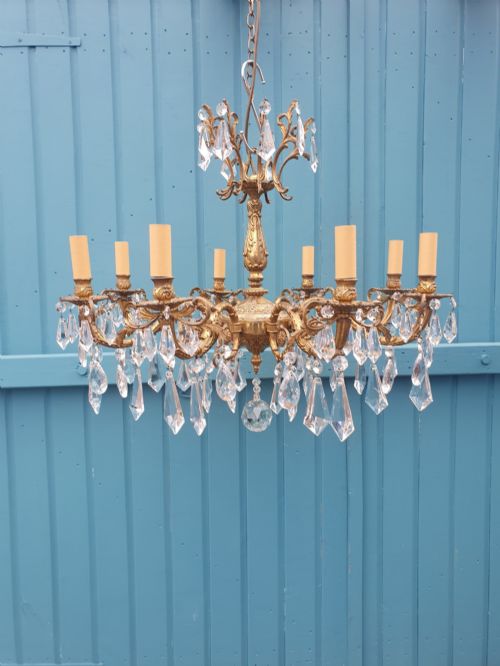
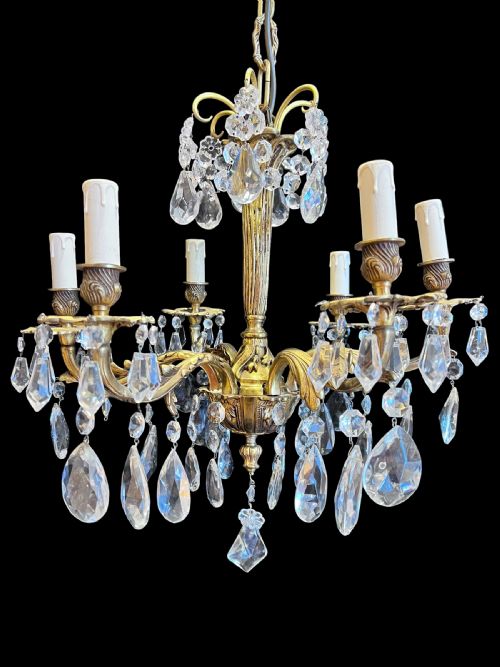
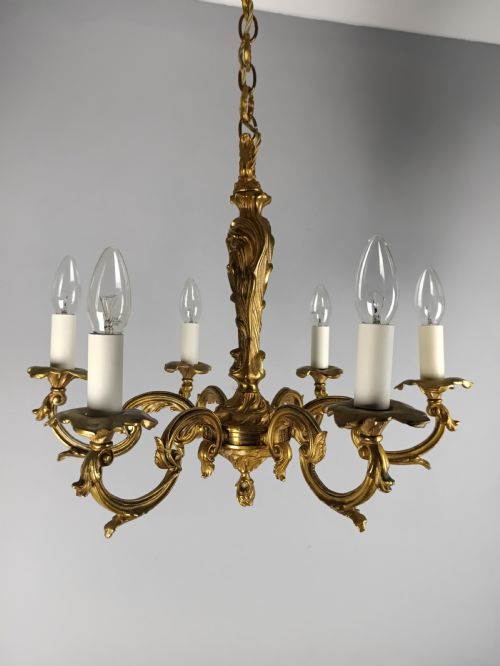
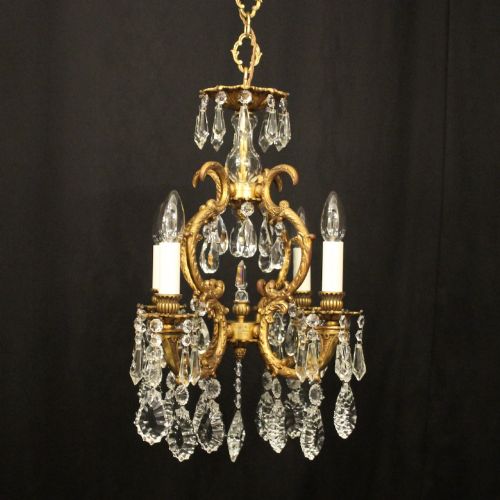
A rococo bronze ceiling chandelier brings ornate movement and dramatic illumination to a room, drawing the eye upwards with intricate cast metal and sparkling drops.
Rococo Bronze Ceiling Chandelier
When searching for a rococo bronze ceiling chandelier, a buyer encounters pieces designed to dominate a high ceiling with elaborate scrollwork and asymmetrical plant motifs. These light fittings emerge primarily from French workshops adhering to Louis XV style and Rococo Revival principles.
The selections available range from modest three-light pendants to grand multi-tiered fixtures carrying twenty-five lights. Forms include standard multi-arm chandeliers, birdcage frames, and enclosed hall lanterns suited to entrance spaces.
Origin points lean heavily toward France, though Italian and English variants also appear. The physical span of production dates from the nineteenth century through the early decades of the twentieth century.
How they were made
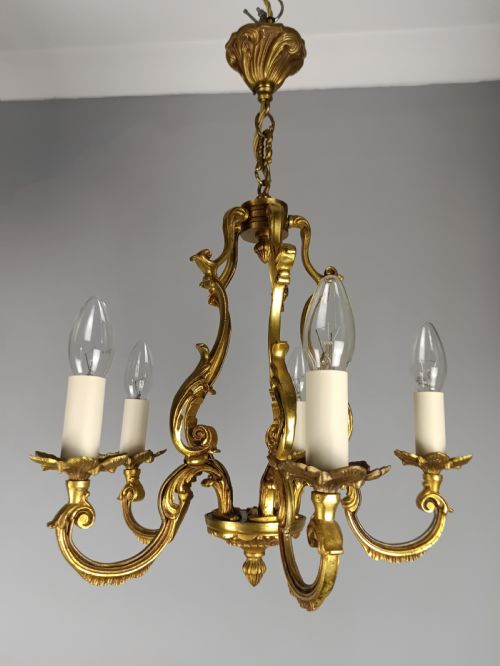
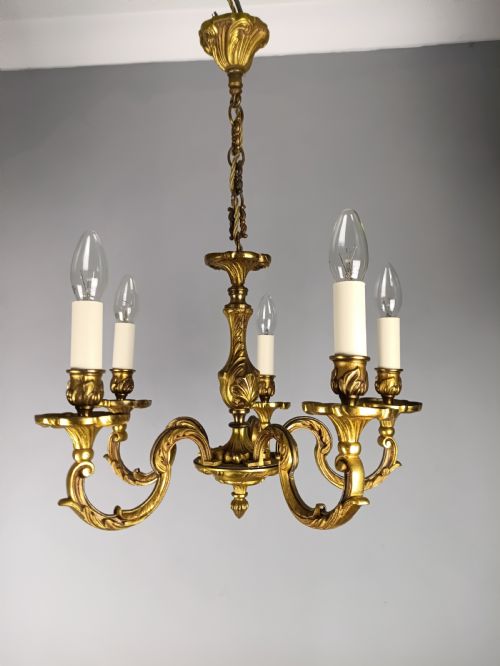
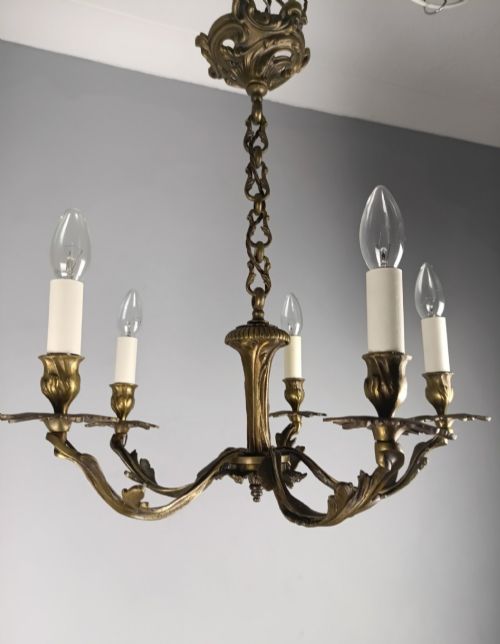
Maker workshops utilised bronze, brass, and spelter as structural foundations, casting the metal into flowing, organic shapes characteristic of the style. Many of these metal frames received applications of gold gilt or silver gilding to enhance their visual weight and reflection.
Chandeliers frequently incorporate glass and cut glass crystal drops, spikes, or pendants that hang from the metal arms to refract the illumination. Assembly involved securing multiple lights, ranging from single bulbs up to large branch configurations, onto rigid central stems.
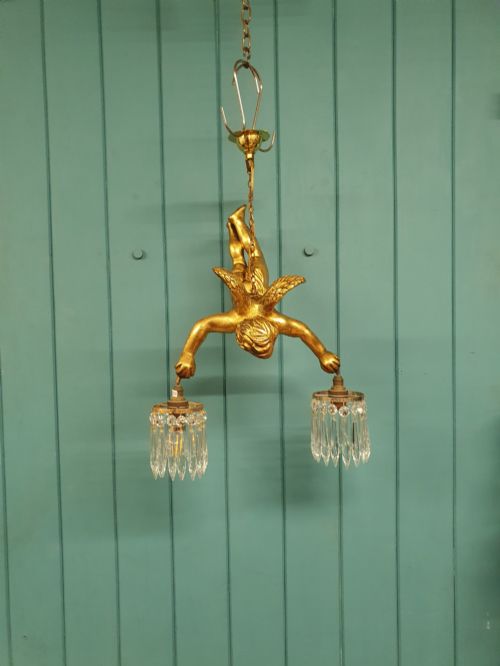
Some models hide flying cherubs among the crystal spikes, keeping watch over the dining table.
What varies in quality
Quality rests significantly on the crispness of the bronze casting and the depth of the chased detail across the scrollwork. Finer examples display sharp, hand-finished ornamentation rather than soft, rounded edges.
The integration of crystal elements also dictates the tier of the piece, with cut glass drops providing greater brilliance than pressed glass alternatives. Heavier gauge metalwork and multi-tiered arm arrangements denote higher ambition in the original manufacture.
The Rococo Bronze Ceiling Chandelier Glossary
- Gilt bronze
- Bronze that has been coated with a thin layer of gold. This finish provides a warm, reflective surface that resists tarnishing over decades.
- Rococo Revival
- A nineteenth-century design movement reviving the curved lines and asymmetrical motifs of the eighteenth century. It defines the sculptural character of these light fittings.
- Hall lantern
- A hanging light enclosed in glass panels, often suspended by a short chain. These fixtures light corridors and entryways.
- Birdcage chandelier
- A lighting fixture featuring an open metal framework shaped like an aviary. Crystal strands drape through the interior structure.
Rococo Bronze Ceiling Chandelier: Frequently Asked Questions
How do I clean a crystal chandelier?
Maintenance involves wiping individual crystal drops and metal arms with a soft cloth dampened in mild soapy water. Technicians often clean components in situ to avoid disturbing the internal wiring.
Harsh chemical cleaners should be avoided because they strip the gilt surface from the bronze or brass framework. Regular dusting prevents grime buildup in the intricate recesses of the cast metal.
Can these chandeliers take modern bulbs?
Most antique fixtures accept standard modern candle-style bulbs with appropriate Edison screw or bayonet fittings. Rewiring is frequently undertaken to meet current electrical safety standards.
Lower wattage LED bulbs help protect delicate crystal and aged metal from excess heat exposure. Professional installation ensures the ceiling can support the substantial weight of bronze and glass.
How do I date a bronze chandelier?
Dating relies on examining the casting techniques, the style of the arm fixings, and the wiring channels. Nineteenth-century examples often display hand-finished chasing and threaded pins rather than modern machine screws.
Patina on the bronze and the cut style of any crystal drops offer further clues to the period of manufacture. Comparing the form against documented Louis XV revival patterns helps narrow the decade.
Where should I hang a large chandelier?
Large multi-tiered chandeliers require high ceilings and substantial floor space to balance their visual impact. Dining rooms, high-ceilinged drawing rooms, and grand entrance halls provide the ideal architectural context.
Clearance beneath the lowest point of the hanging fixture must allow unobstructed movement underneath. Weight distribution dictates that the ceiling rose anchors directly into structural ceiling joists.