

Traditional Bronze Pendant Light
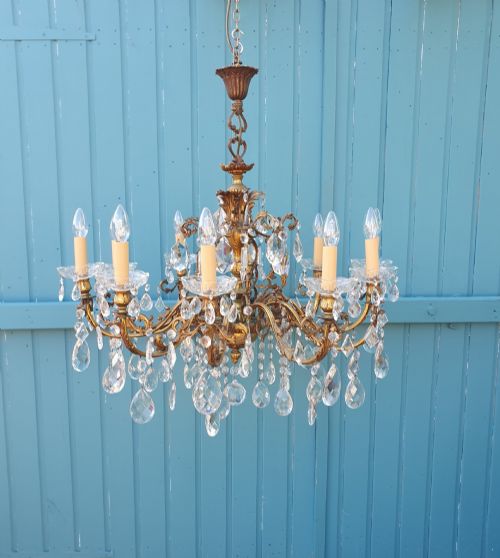
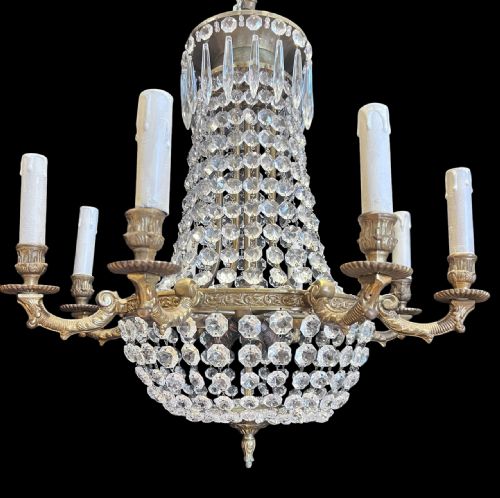
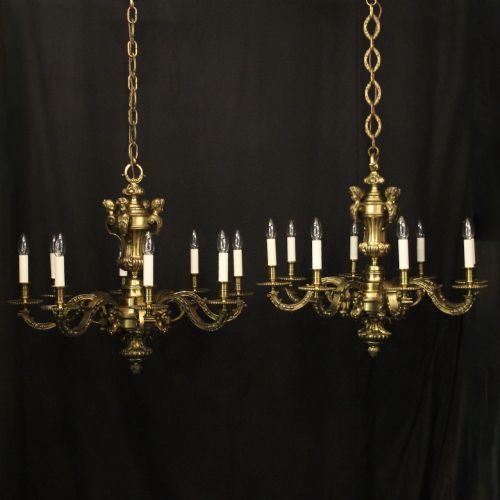
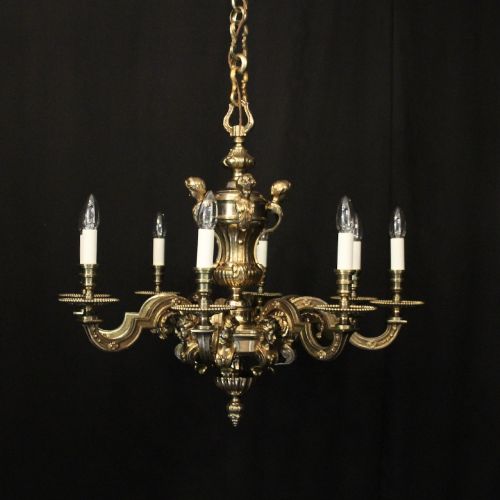
These traditional bronze pendant light fixtures bring substantial weight and historic presence to a room, offering warm illumination through cast metal and glass.
Traditional Bronze Pendant Light
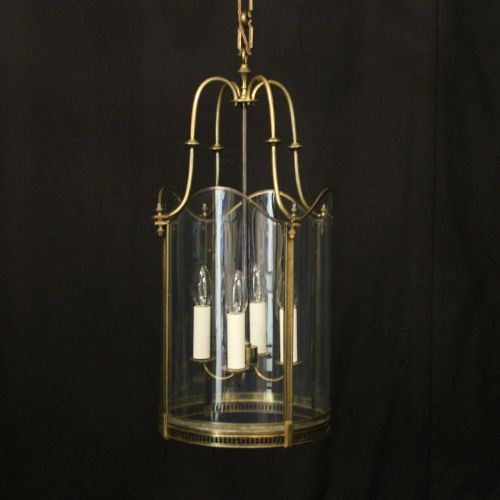
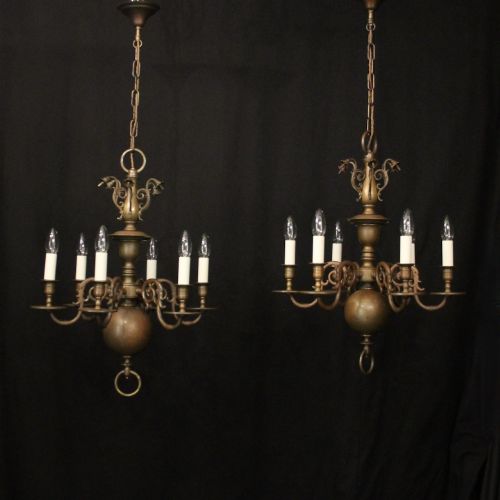
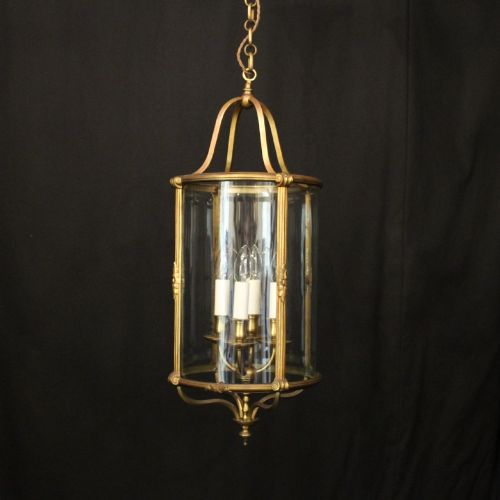
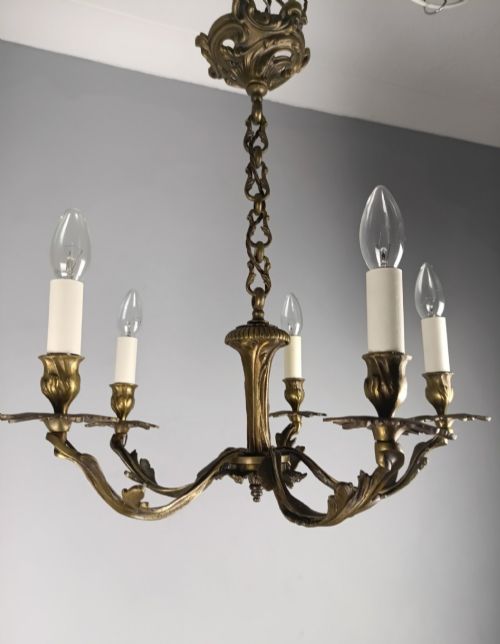
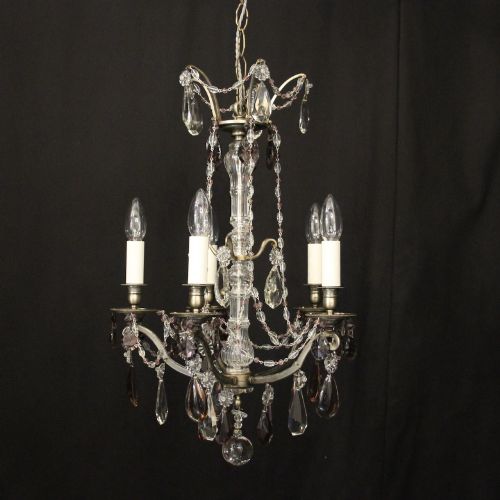
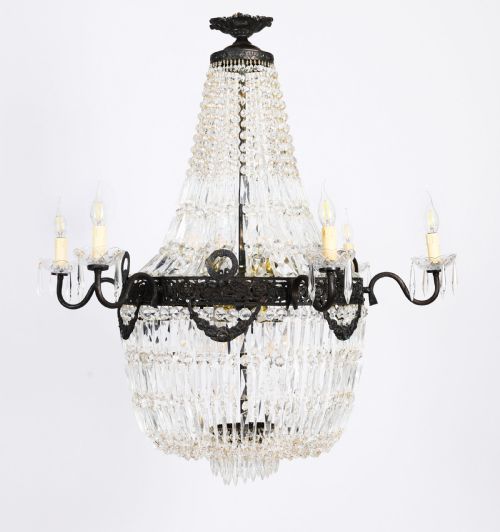
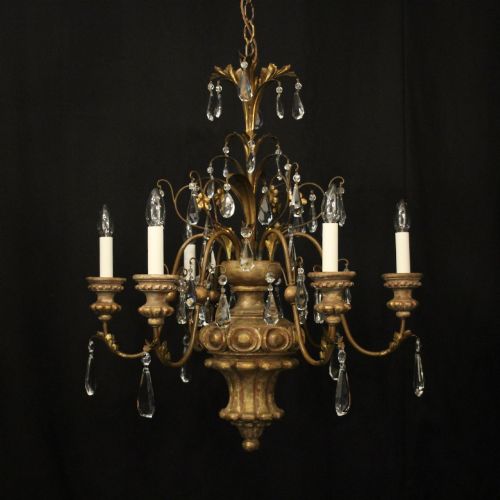
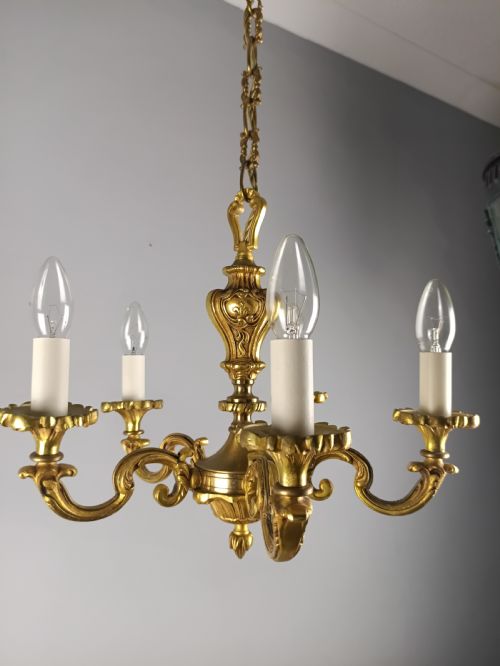
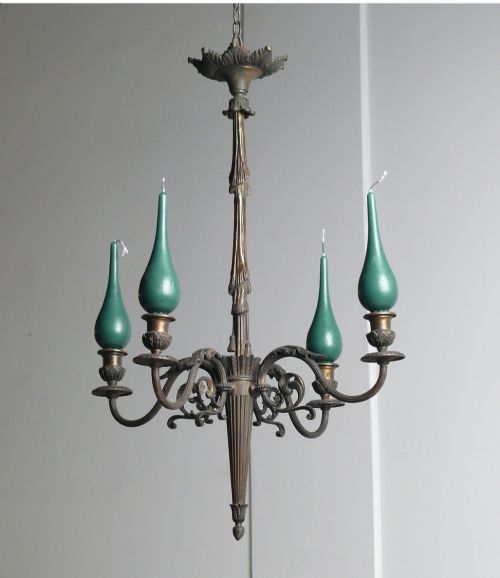
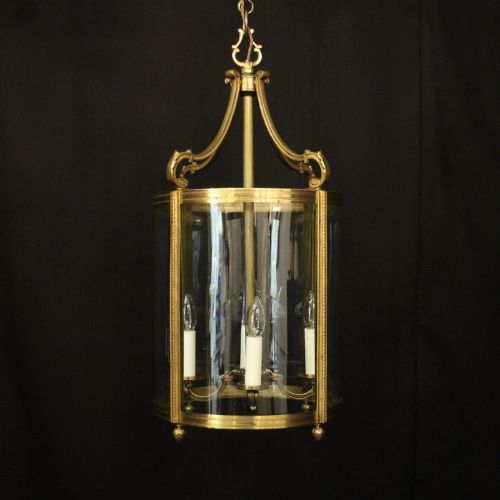
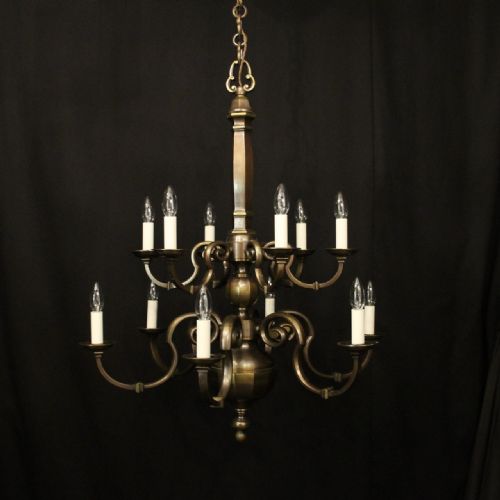
When searching for a traditional bronze pendant light, buyers encounter a diverse selection of ceiling fixtures originating primarily from the nineteenth century through the early decades of the twentieth century, including the Victorian and Edwardian eras. These pieces encompass multi-light chandeliers, hall lanterns, and hanging lanterns that reflect historical design influences such as French Rococo, Neoclassical, and Louis Revival styles.
The selections available lean heavily toward French manufacture, alongside English examples, spanning periods from the 1890s to the 1930s. Forms range from single-tier and double-tiered chandeliers with numerous arms to convex and panelled hall lanterns designed for entryways and corridors.
How they were made
The physical construction relies fundamentally on cast bronze, brass, and gilt metals combined with transparent glass and cut crystal drops. Metal components are cast, chased, and occasionally gilded or silvered to achieve varied surface finishes.
Makers integrated structural metalwork with optical elements, suspending crystal pendants and bevelling glass panels to refract light across multiple tiers and arms.
The listings span multiple decades from the 1890s through the 1930s, featuring bronze, brass, gilt finishes, and crystal.
What varies in quality
Differentiation across the range depends upon the crispness of the metal casting and the complexity of the design, such as double-tiered frames and intricate foliate chasing. Superior examples display substantial weight in the bronze or gilt brass components alongside finely cut crystal rather than moulded glass.
The integration of original bevelled glass panels and specialised hardware elevates specific pieces, distinguishing standard production from elaborate salon and ballroom lighting.
G.E.C
The Traditional Bronze Pendant Light Glossary
- Bronze
- A copper and tin alloy used as the primary structural and decorative metal for casting frames and mounts. It provides exceptional strength and takes patination well.
- Gilt Bronze
- Bronze that has been coated with a thin layer of gold or gold-coloured alloy. This technique creates a luminous, reflective surface finish.
- Hall Lantern
- An enclosed ceiling-hung light fixture designed specifically for corridors and entrance spaces. These fixtures typically feature glass panels held within a metal frame.
- Crystal
- High-lead glass cut with precision facets to refract light. It is commonly suspended from chandelier arms to increase brilliance.
- Chandelier
- A branched, decorative ceiling light designed to hold multiple light sources. They range from simple single-tier models to large multi-tiered configurations.
Traditional Bronze Pendant Light: Frequently Asked Questions
What periods do these lights come from?
The pieces span the late nineteenth century through the 1930s, encompassing Victorian, Edwardian, and early twentieth-century manufacturing periods.
Stylistic influences during these decades draw heavily upon French Rococo, Neoclassical, and Louis Revival aesthetics.
How were hall lanterns used?
Hall lanterns served as functional and decorative illumination for entranceways, stairwells, and narrow corridors in large residences.
Their enclosed glass panels protected the interior light source from drafts while projecting illumination across reception spaces.
What materials are most common?
Bronze, gilt brass, and standard brass form the primary structural materials for the frames and arms of these fixtures.
Glass and cut crystal are frequently incorporated as shades, drops, or enclosing panels to enhance light distribution.
How do single and double-tiered chandeliers differ?
Single-tiered chandeliers arrange all light arms on one horizontal plane around a central stem.
Double-tiered variants stack two separate rings of light arms vertically, creating a much larger scale suitable for high ceilings and large rooms.