







Victorian Stone Planter
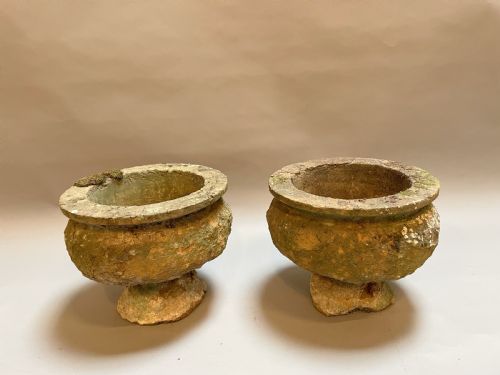
A victorian stone planter brings genuine weight and classical presence to a terrace, selected here from nineteenth-century garden vessels and troughs.
Victorian Stone Planter
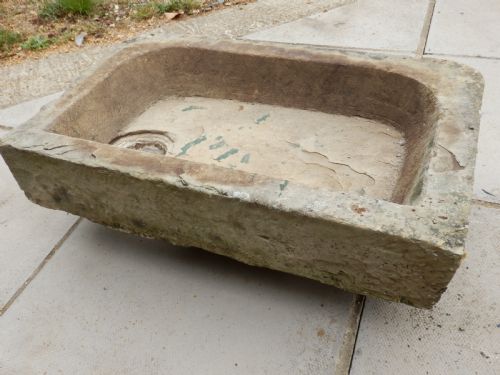
When you search for a victorian stone planter, you encounter robust garden vessels and troughs shaped for planting from various periods including the nineteenth century and Georgian eras. These utilitarian and decorative objects carry the marks of long outdoor exposure, weathering naturally into garden settings.
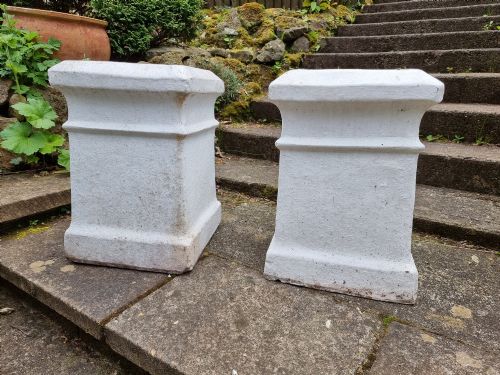
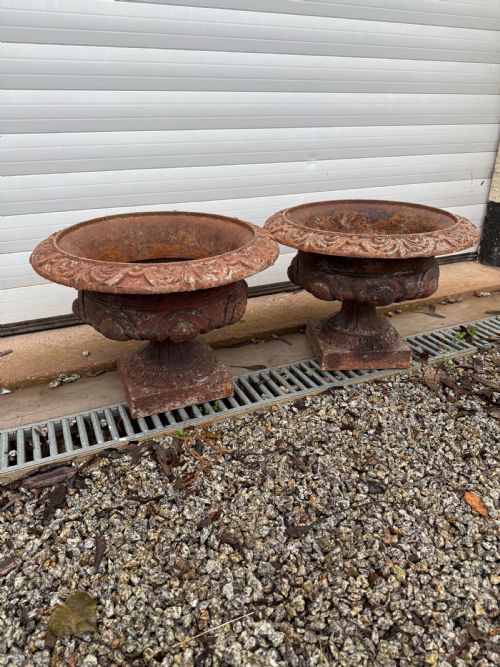
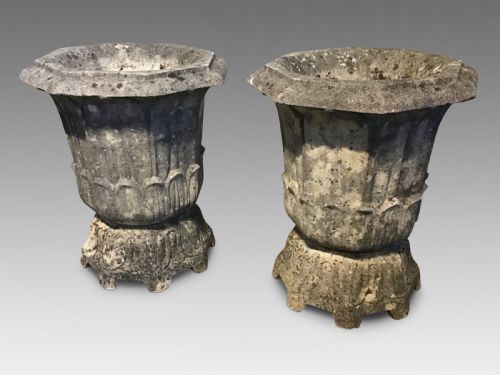
The selections span straightforward stone sinks and troughs alongside classical urns, soft stone examples, and salt-glazed pieces. Many items function effectively as garden planters, bird baths, or chimney pot pedestals.
Originating largely from nineteenth-century workshops, these pieces often appear as pairs or individual statements. Their forms draw on classical revival and rustic country traditions, accommodating planting schemes while maintaining historical character.
Materials and construction
Makers utilised durable materials suited to the garden environment, predominantly stone, salt-glazed stoneware, terracotta, and cast iron. Soft stone and Purbeck stone were shaped by hand, while terracotta and salt-glazing involved high-temperature kiln firing.
Surface treatment varied from natural weathering to painted finishes, with salt-glazing providing a dense, impermeable skin. Carved details appeared on handles and rims, executed by hand on individual pieces rather than cast identically in mass production.
Victorian Stone Planter Retail Price Guide 2026
Typical asking prices for victorian stone planter among the pieces listed under this phrase on Sellingantiques today, from the lower quarter to the upper quarter. They describe what is for sale here now, not the wider market.
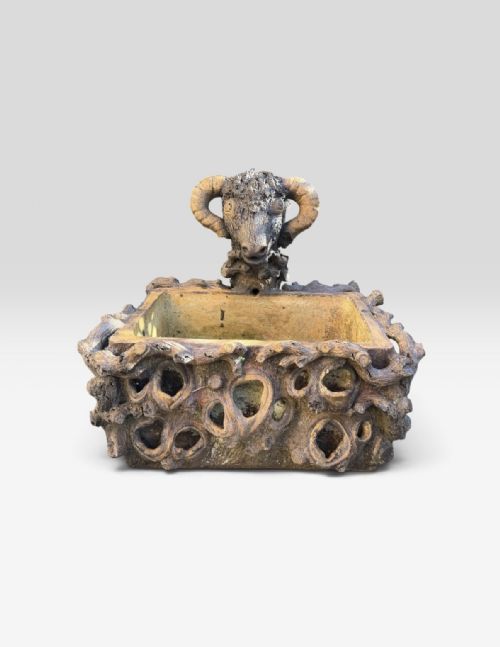
Some nineteenth-century terracotta handles feature small carved heads, watching over the soil.
Distinctions in quality
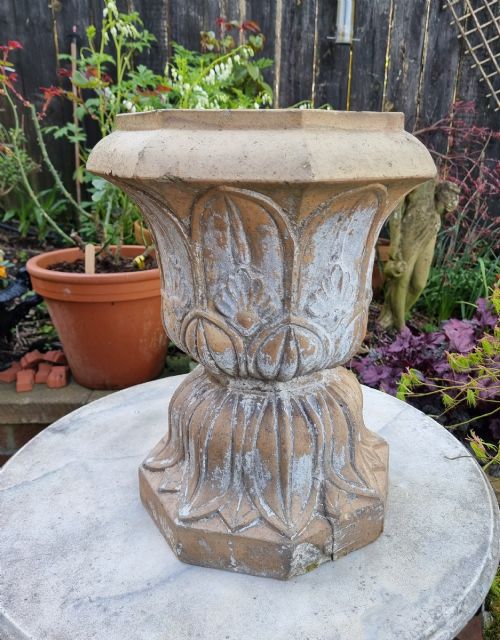
The finer examples display crispness in carved details, such as acanthus leaves or shaped handles, whereas lesser pieces show softer, worn contours. Original surfaces with authentic weathering command greater interest than stripped or overly restored finishes.
Structural integrity sets apart superior garden vessels, with sound drainage holes and stable bases. The weight and density of the stone or terracotta reflect the original selection of raw materials used by the maker.
Andrew Handyside
The Victorian Stone Planter Glossary
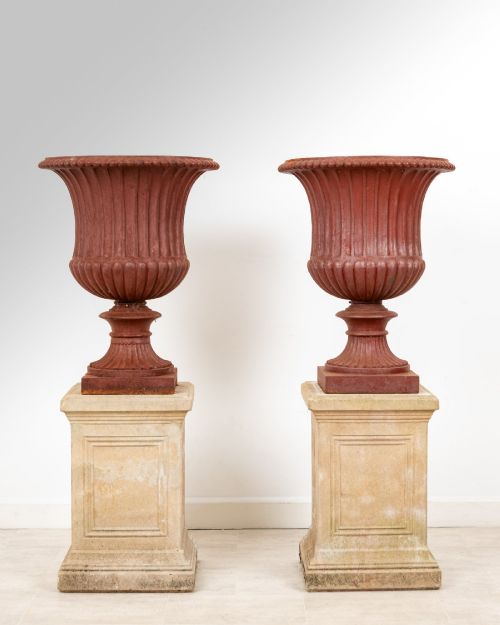
- Campana urn
- A bell-shaped garden vessel with an everted rim, commonly mounted on a pedestal base. This classical form frequently appears in nineteenth-century gardens.
- Salt-glazed stoneware
- Pottery fired at high temperatures with salt introduced into the kiln, producing a vitreous, glossy coating. This finish resists frost and moisture effectively.
- Pancheon
- A wide, shallow earthenware or terracotta vessel traditionally used in dairies, repurposed successfully as a garden planter. Their generous proportions suit shallow-rooting plants.
Victorian Stone Planter: Frequently Asked Questions
How do I plant in an antique stone trough?
Line the interior with geotextile membrane if the stone is porous, ensuring adequate drainage at the base.
Use a gritty, well-draining soil mix suitable for alpines or slow-growing plants to prevent internal moisture accumulation.
Will stone planters crack in winter frost?
Dense salt-glazed stoneware and hard stone withstand freezing temperatures well if drainage holes remain clear.
Elevate heavy vessels on pot feet to prevent standing water from freezing underneath and fracturing the base.
How do I clean a weathered stone planter?
Wash the surface gently with water and a soft brush to remove loose dirt while preserving the aged patina.
Avoid harsh chemical cleaners or pressure washers, which strip away historical weathering and erode the stone surface.
Can these planters be placed indoors?
Heavier stone and terracotta pieces require sturdy flooring to support their considerable weight.
Place a watertight saucer beneath the vessel since antique troughs and sinks often feature drainage holes.