


Victorian Stone Band
When you search for victorian stone band, you are looking at rings and boxes set with gems and minerals.
Victorian Stone Band
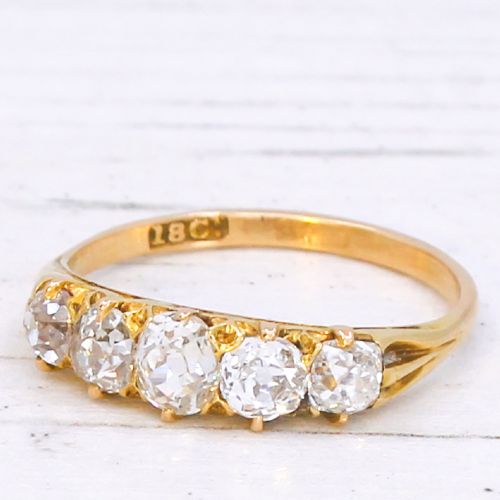
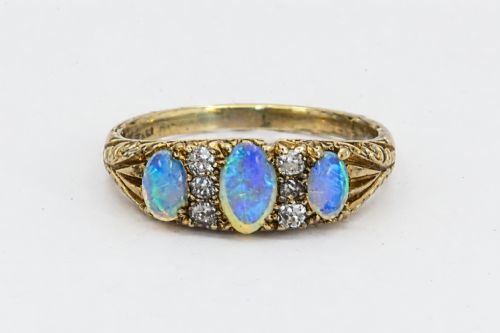
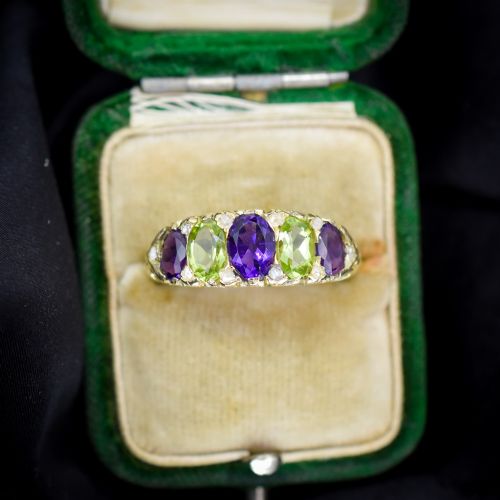
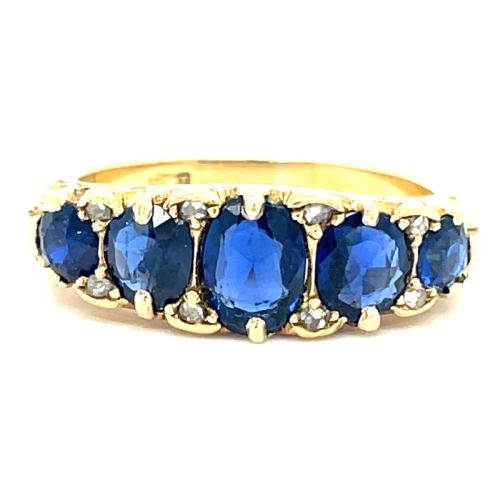
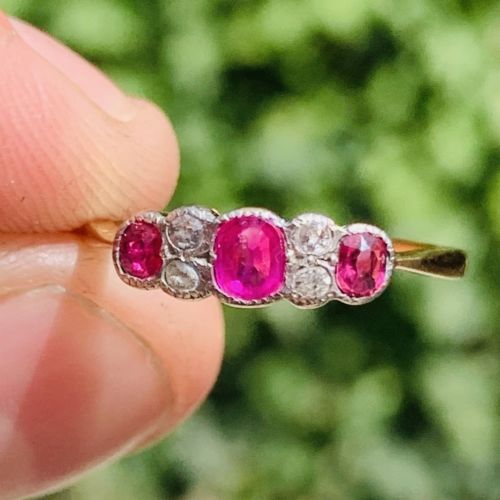
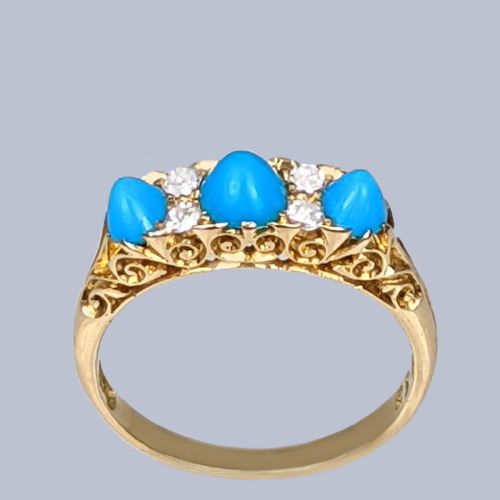
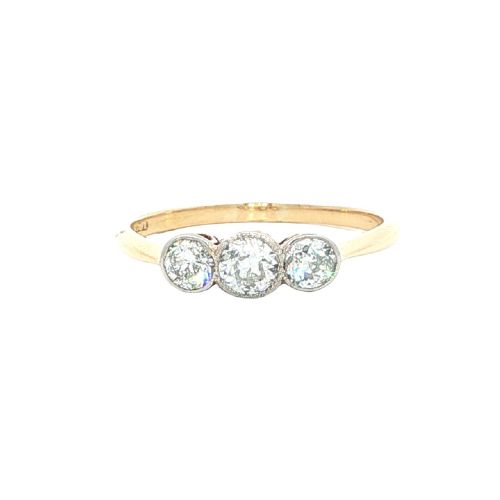
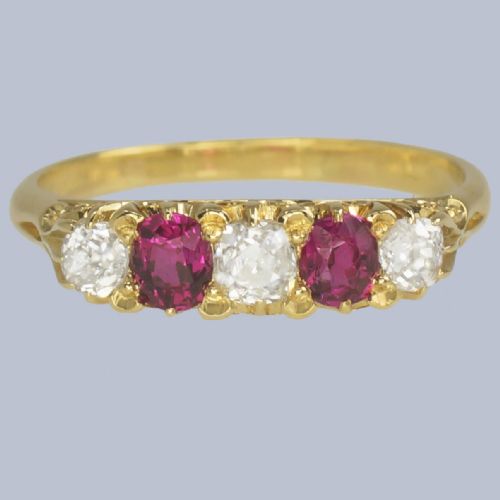
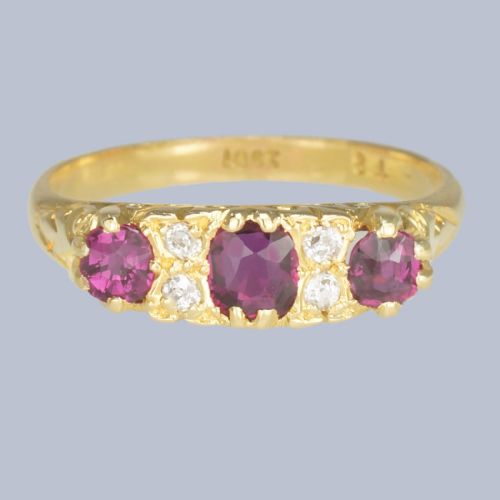
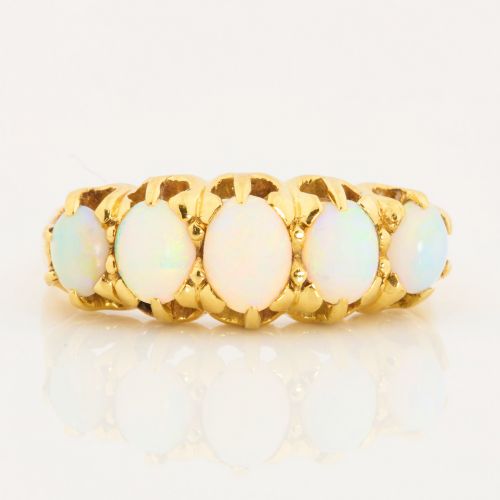
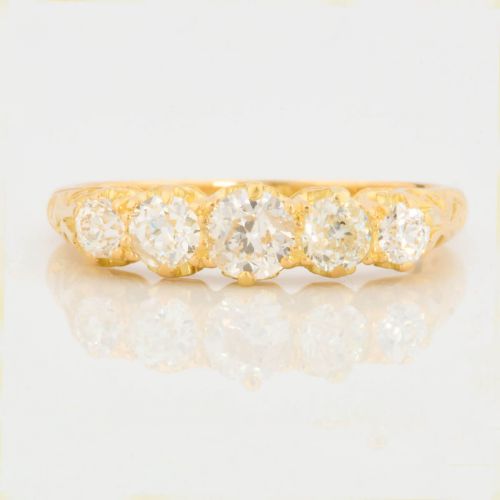
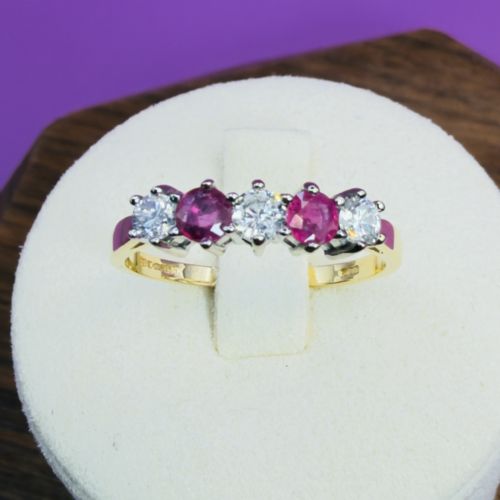
A victorian stone band search brings up rings and decorative boxes primarily from the Victorian and Edwardian eras, alongside some 19th-century French pieces. The most common form on this page is the ring, spanning multi-stone, five-stone, gypsy, boat, and trilogy settings.
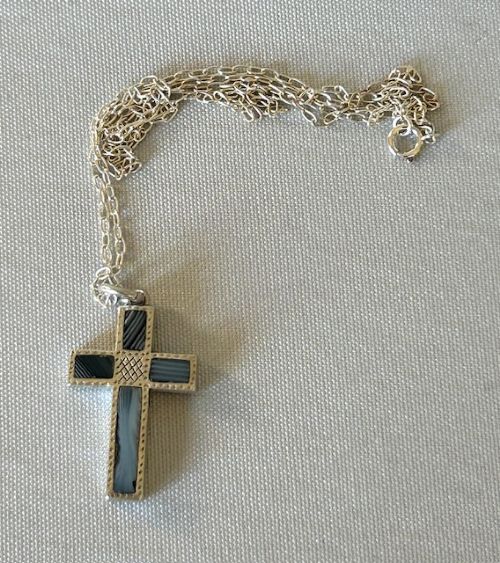
Beyond rings, the selection includes pill boxes, snuff boxes, and earrings utilising materials like banded agate and oval agate. These pieces originate from periods spanning the late 19th century into the 20th century, capturing traditional and Arts and Crafts styles.
How they were made
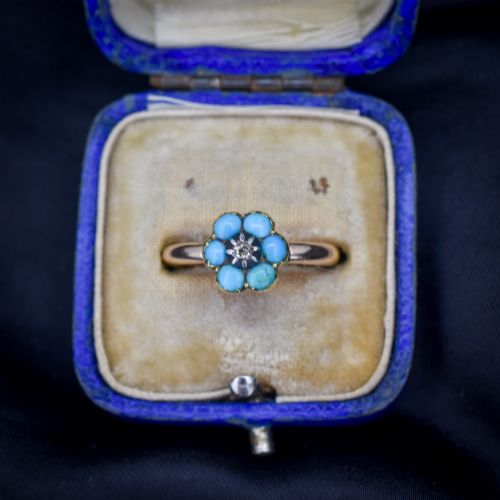
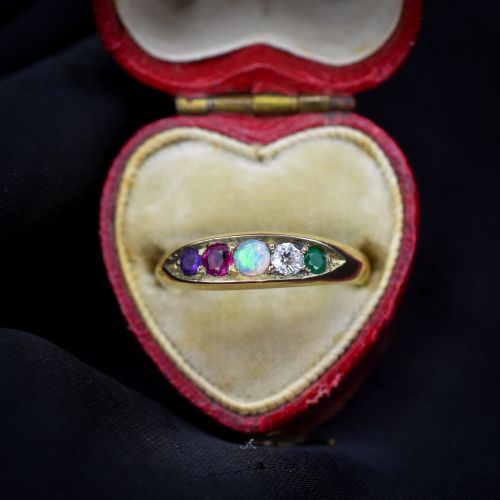
The jewellery relies predominantly on 18ct yellow gold and 15ct gold mounts, frequently housing diamonds, rubies, sapphires, opals, and turquoise. Stones are shaped in old cuts and old mine cuts, then secured into bands and boat settings.
Decorative boxes incorporate champleve enamel and gilt brass combined with banded agate. These construction methods link traditional metalwork with stone setting techniques from British and French workshops.
Victorian Stone Band Retail Price Guide 2026
Typical asking prices for victorian stone band among the pieces listed under this phrase on Sellingantiques today, from the lower quarter to the upper quarter. They describe what is for sale here now, not the wider market.
Listings feature 18ct yellow gold, 15ct gold, and platinum alongside stones including diamond, ruby, sapphire, opal, turquoise, amethyst, peridot, and coral.
What varies in quality
Quality rests on the selection and matching of gemstones, such as old cut diamonds, Mogok rubies, and opals, within the gold bands. The precision of the stone setting and the depth of the 18ct yellow gold or 15ct gold dictate the standard of the piece.
In decorative boxes, the standard depends on the execution of the champleve enamel alongside the quality of the agate panels. Finer examples display superior integration between the mineral panels and the metal housing.
The Victorian Stone Band Glossary
- Gypsy ring
- A ring style where the gemstones are flush-set into a thick band that tapers towards the back. This setting gained popularity during the late 19th century.
- Boat ring
- A ring featuring a curved setting that resembles the hull of a boat, typically holding a row of graduated stones. It is a common silhouette for Victorian and Edwardian multi-gem rings.
- Champleve enamel
- An enamelling technique where troughs are dug into a metal surface and filled with vitreous enamel before firing. It appears on French boxes from the 19th century.
- Old mine cut
- An early diamond cut characterised by a cushion shape, a high crown, and a small table. This cut is frequently seen in Victorian diamond jewellery.
- Trilogy ring
- A ring set with three stones, often representing a past, present, and future motif. They are typically mounted in gold alongside diamonds and coloured gems.
Victorian Stone Band: Frequently Asked Questions
What is a gypsy ring?
A gypsy ring has stones set flush into a heavy band of gold rather than held in raised claws. This design protects the girdle of the stone.
Such rings were worn by both men and women during the late Victorian period and remain practical for daily wear.
How do I wear an 18ct gold band?
An 18ct gold band with gemstones can be worn alone on the hand or stacked alongside plain metal bands. Care should be taken with softer stones like opal.
Removing rings before heavy manual tasks prevents unnecessary wear to the gold setting and the gems.
How do I clean antique gold and stones?
Cleaning requires warm water and mild soap applied gently with a soft cloth to remove everyday oils from the gold and gems. Harsh chemicals must be avoided.
Stones such as opal and turquoise require particular care because they are more porous than diamond, ruby, or sapphire.