
Victorian Stick Stand Drip Tray
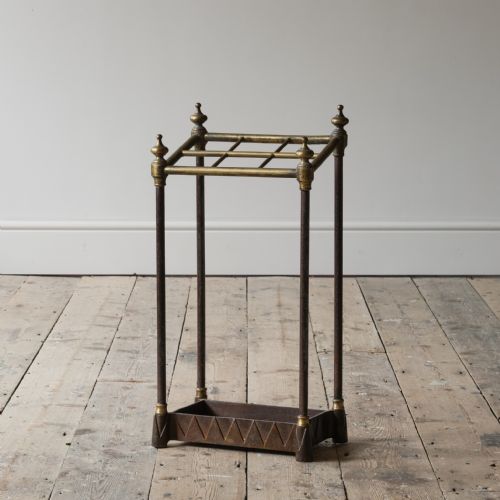
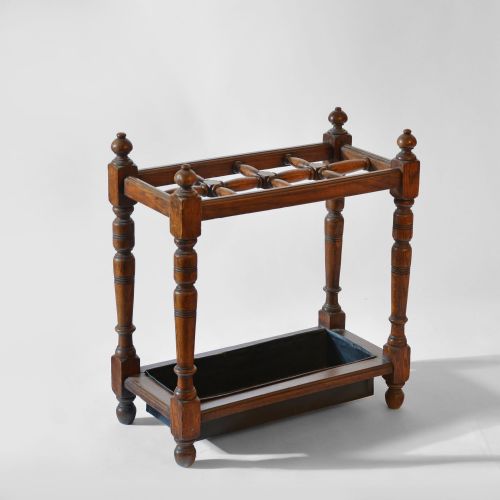
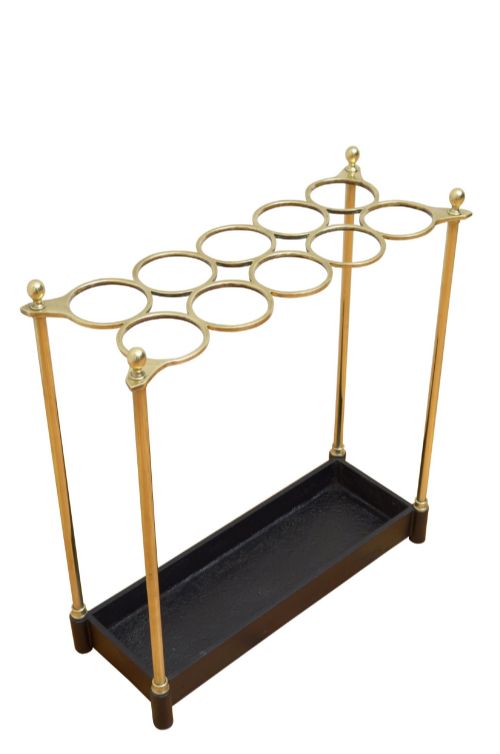
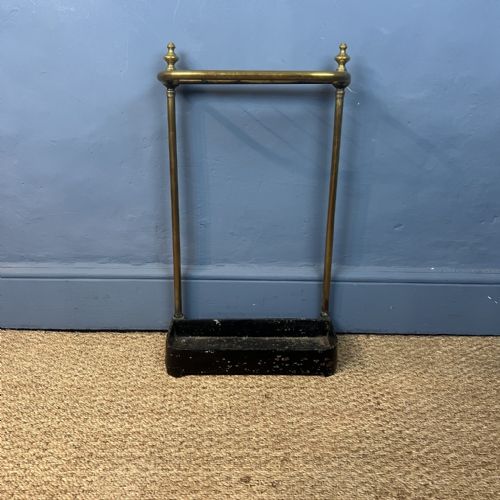
These victorian stick stand drip tray designs organise wet hallway items while catching rainwater in metal or pottery basins.
Victorian Stick Stand Drip Tray
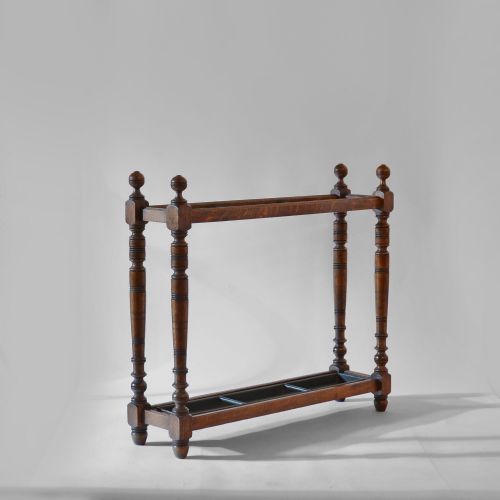
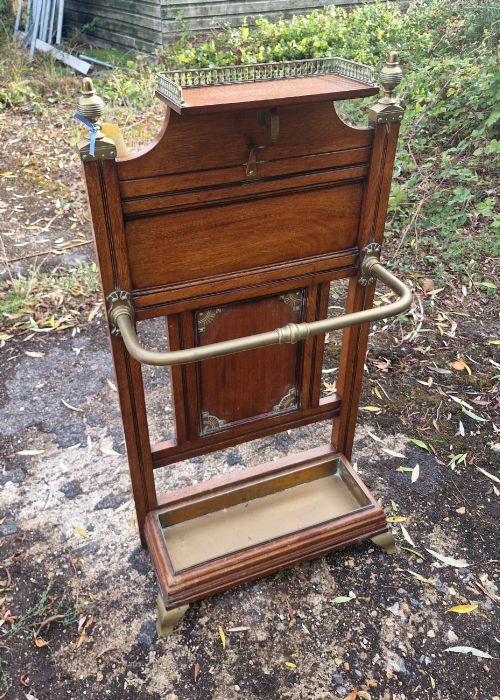
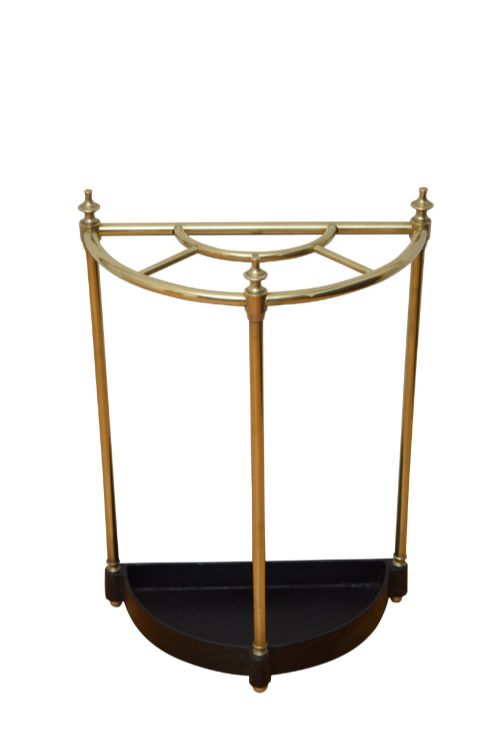
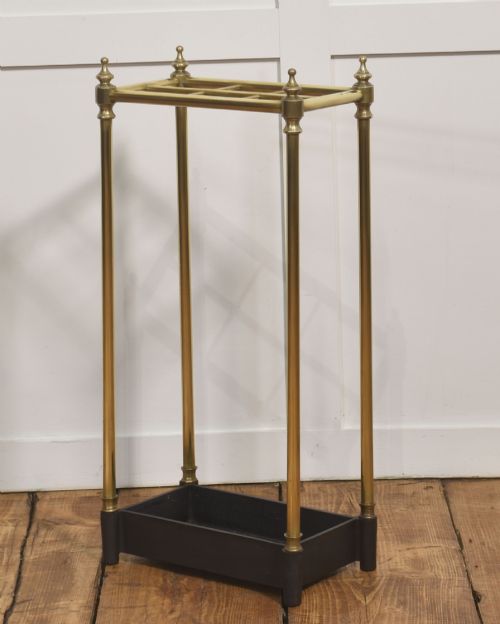
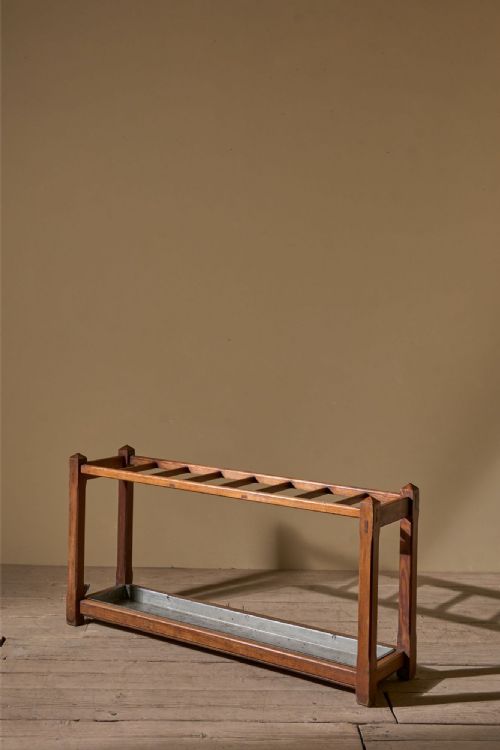
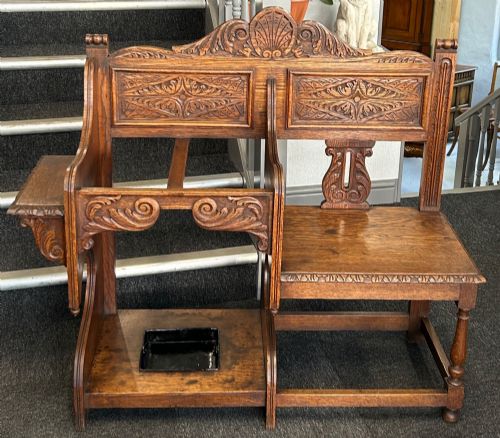
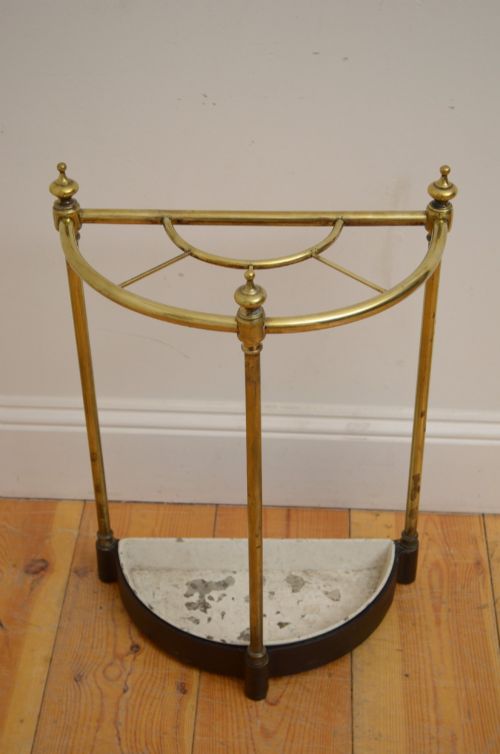
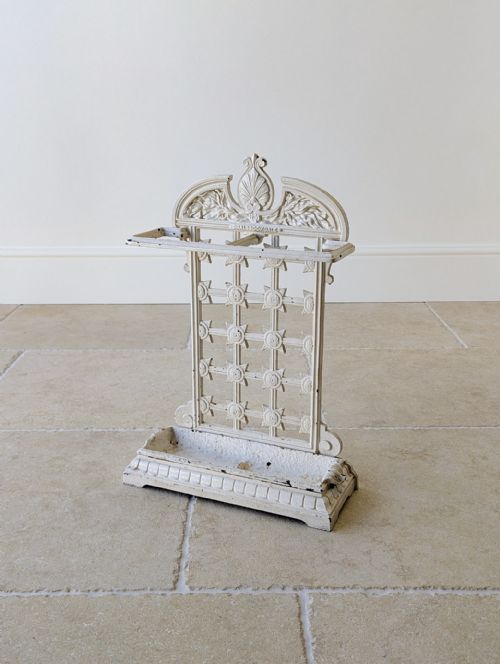
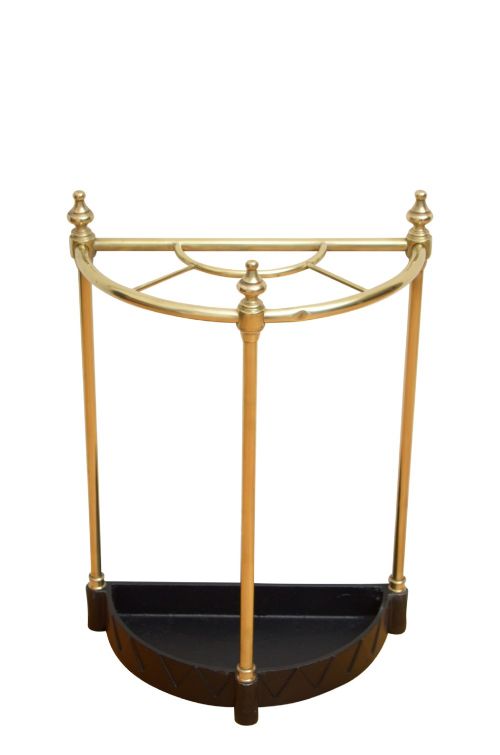
A victorian stick stand drip tray provides a dedicated home for walking canes, umbrellas and parasols within a hallway or entrance hall. The pieces seen here span the Victorian, Edwardian and later nineteenth and twentieth century periods, appearing in forms ranging from freestanding demi-lune shapes to combined hall seats.
Most examples rely on sturdy metals or timber to withstand daily moisture and weight. Buyers will frequently encounter cast iron and brass constructions alongside oak, mahogany, pitch pine and bentwood variations.
How they were made
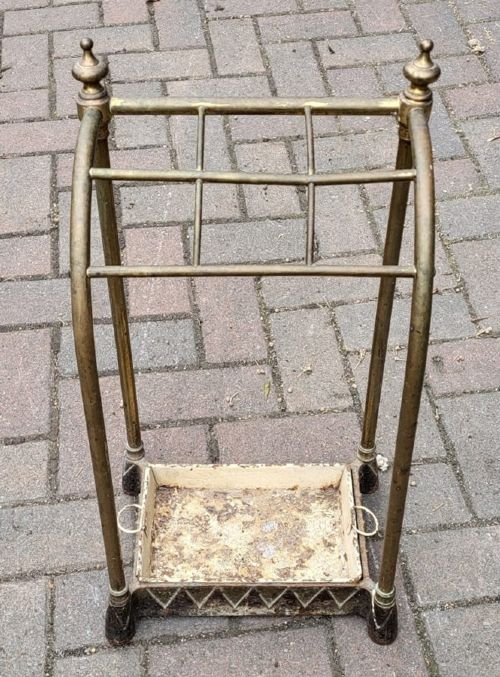
Foundries utilised cast iron and brass to form intricate frames, often incorporating decorative ball finials or cast channels to catch water. Iron components were frequently painted or combined with steel elements for structural stability.
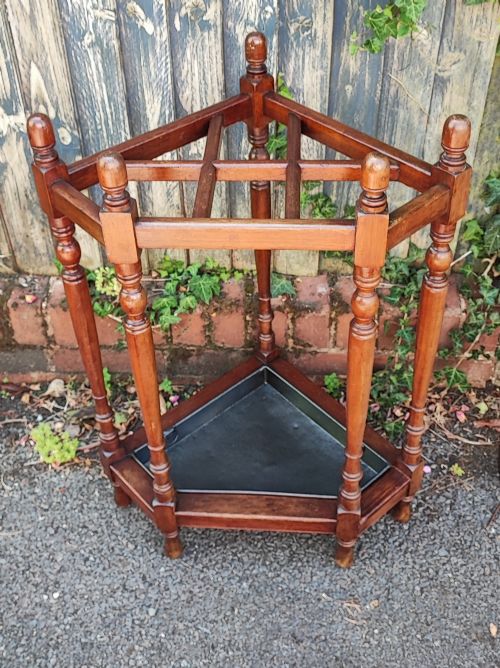
Cabinet makers constructed wooden versions from oak, mahogany and pitch pine, incorporating zinc or metal drip trays to protect timber floors from damp cane tips.
Listings feature oak, mahogany, pitch pine, cast iron, brass, steel and zinc across the Victorian, Edwardian and later periods.
What varies in quality
The sophistication of the casting or the joinery dictates the distinction between standard hall furniture and finer examples. Heavier cast iron specimens from known foundries display crisp detailing in motifs such as gun dogs or mythological figures.
Timber quality depends on the selection of figured mahogany or solid oak, paired with robust, removable metal trays that endure years of wet usage without leaking.
Coalbrookdale·A. Kenrick & Sons·Thonet
The Victorian Stick Stand Drip Tray Glossary
- Demi-lune
- A half-moon shape designed to sit flush against a hallway wall. This profile allows the stand to occupy minimal floor space while accommodating multiple umbrellas.
- Drip tray
- A removable metal basin positioned at the base of the stand to collect rainwater from wet canes. It prevents moisture from damaging surrounding floors.
- Bentwood
- Wood steamed and bent into curved structural forms. This technique creates lightweight yet resilient frames for umbrella storage.
- Finial
- A decorative terminal ornament topping the upright posts of a stand. They appear in brass or iron as decorative balls or cast points.
- Gothic Revival
- An architectural and decorative style drawing on medieval precedents. Pieces in this aesthetic feature pointed arches and ecclesiastical motifs.
Victorian Stick Stand Drip Tray: Frequently Asked Questions
Where should I place a stick stand?
Position the stand near the primary entrance of your home so guests can store wet umbrellas immediately upon entry.
Ensure there is adequate ventilation around timber or iron frames to allow damp items to dry naturally.
How do I maintain the drip tray?
Remove the metal or zinc tray periodically to empty accumulated water and clean away any dirt or debris.
Dry the surface thoroughly before replacing it to prevent corrosion or moisture damage to the surrounding stand.
Are these stands suitable for walking sticks?
Many examples feature narrow dividers or multiple sections specifically scaled for walking canes alongside wider umbrella openings.
Heavier cast iron frames provide the necessary stability to hold slender walking sticks securely.
How do I identify a Victorian piece?
Look for period construction methods such as heavy cast iron frames, traditional brass components and dense timbers like mahogany or oak.
Stylistic cues such as Gothic Revival motifs or Aesthetic Movement designs often point to nineteenth-century manufacture.