

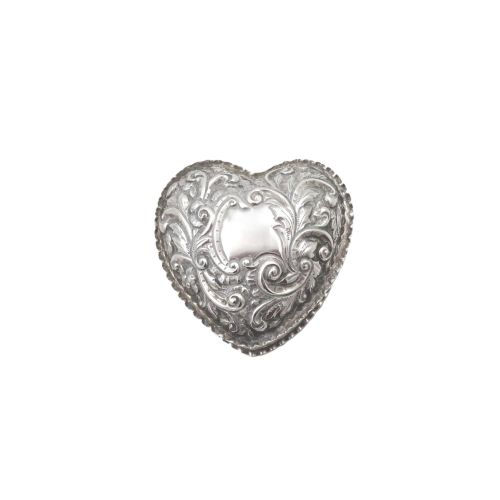

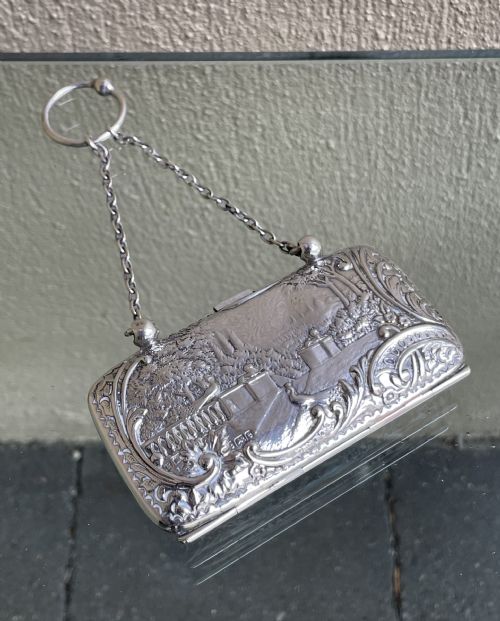
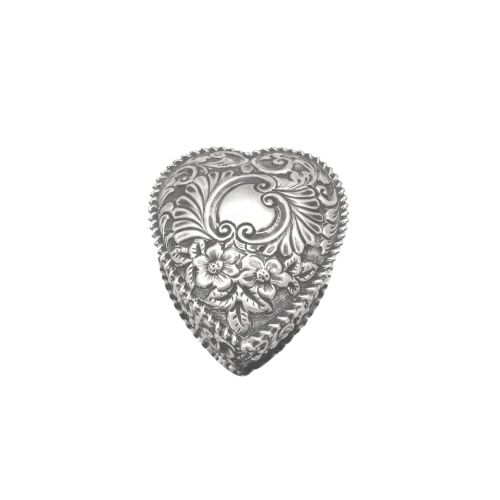


Victorian Sterling Silver Ring
A victorian sterling silver ring brings distinct nineteenth-century craftsmanship to your dressing table, offering tangible heritage and polished metal work.
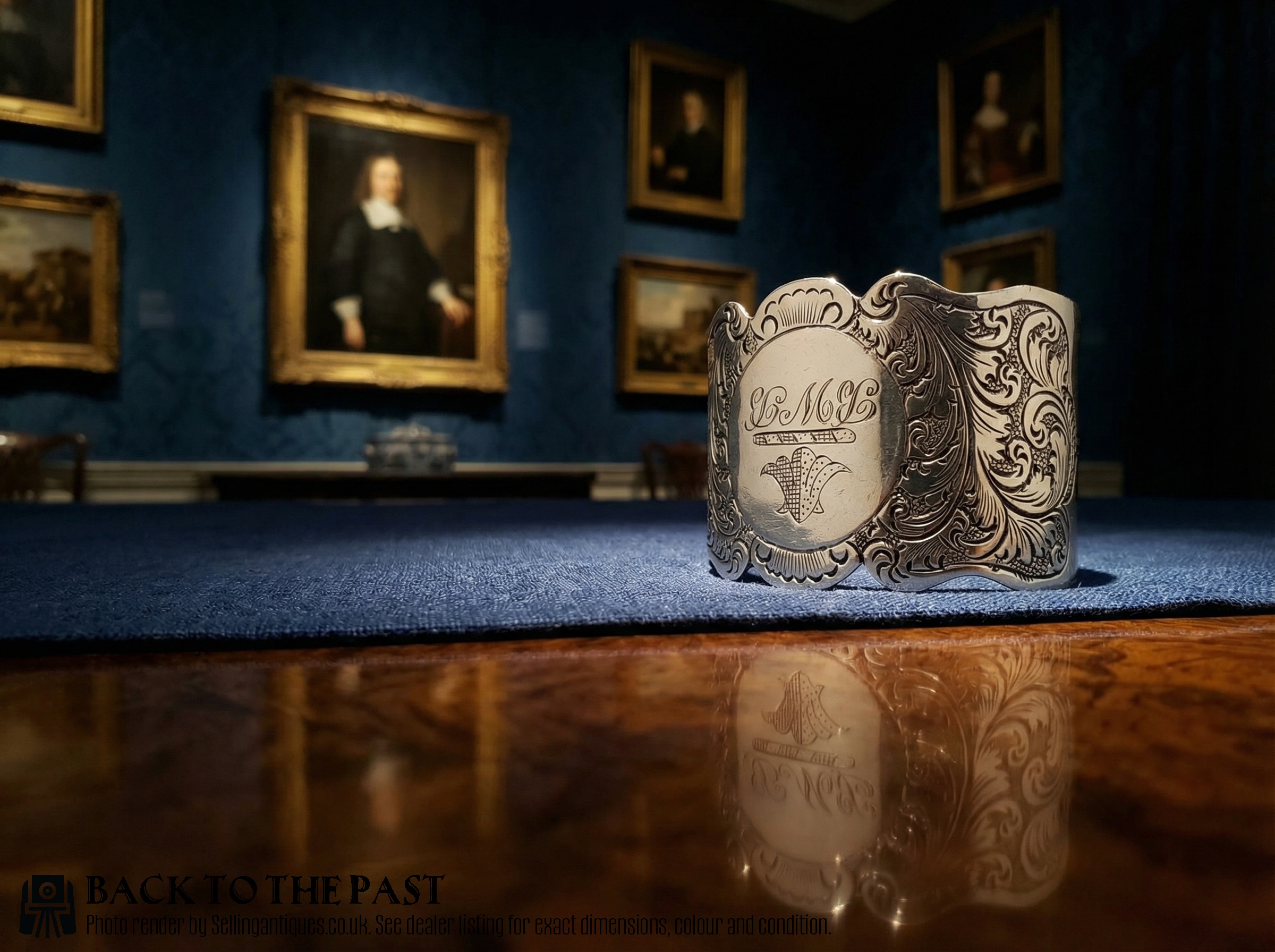
Victorian Sterling Silver Ring
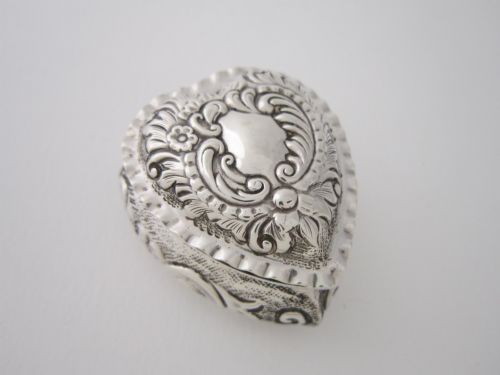
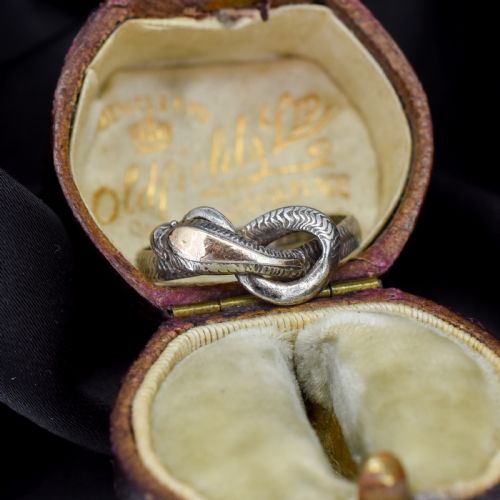
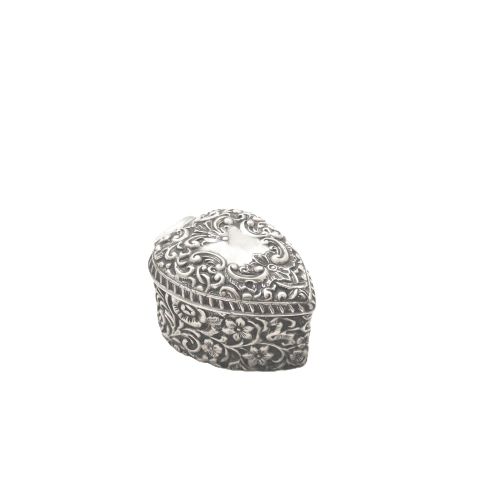
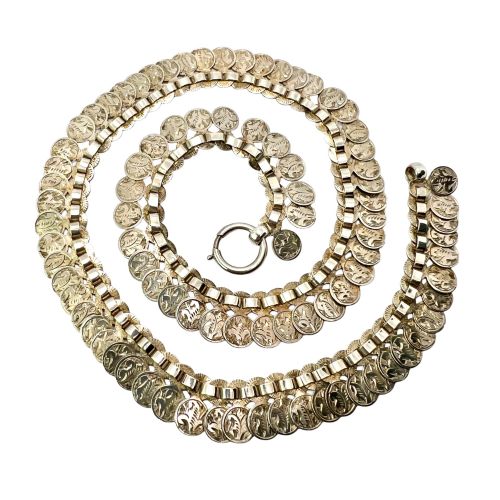
A victorian sterling silver ring encompasses both actual finger rings, such as snake serpent designs, and small ring boxes designed to hold jewellery safely on a surface. These items date predominantly from the nineteenth century, reflecting the detailed silversmithing of the period.
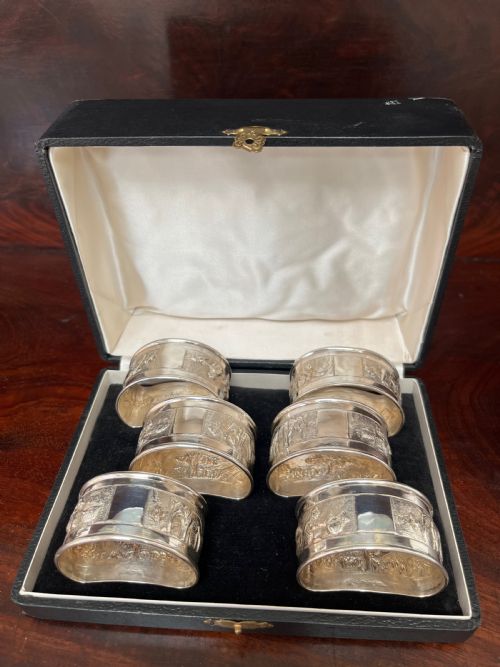
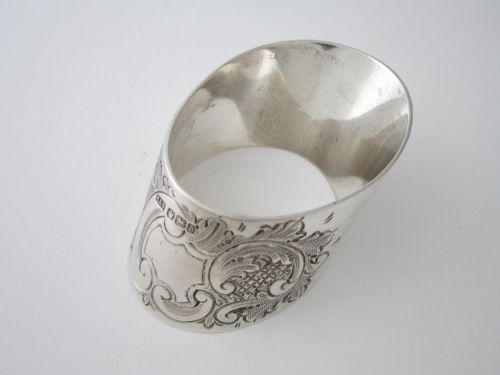
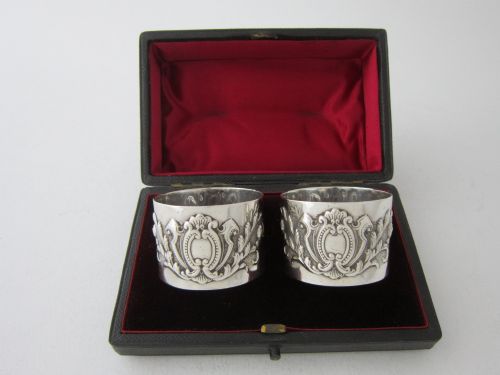
Beyond finger rings and ring boxes, related small silver items like napkin rings and pill boxes appear frequently alongside these pieces. Buyers often encounter pieces marked by dates spanning the late nineteenth century into the Edwardian era.
The selection ranges from simple bands to heavily engraved or chased containers lined with velvet or silk. Each form demonstrates the functional and decorative uses typical of the Victorian period.
How they were made
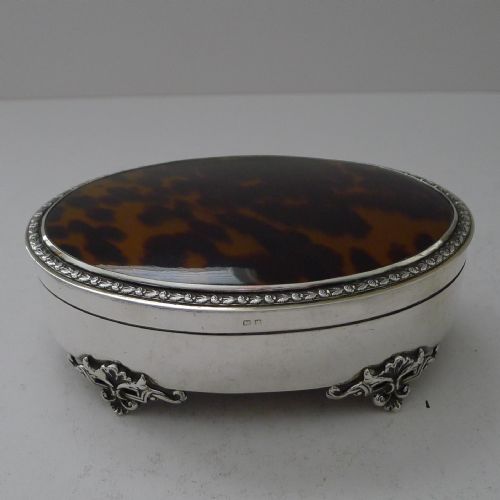
Silversmiths utilised sterling silver standards, shaping the metal through casting, hammering, and detailed hand engraving. Many boxes and rings incorporate secondary materials such as tortoiseshell, mother of pearl, and bone to add textural contrast.
Interiors of ring boxes and cased items relied on fitted linings of velvet, silk, or leatherette to cushion the silver and protect stored items. Hallmarks stamped directly into the metal recorded the assay office, standard, and date of manufacture.
Listings feature sterling silver, tortoiseshell, and velvet across nineteenth-century ring boxes, napkin rings, and chatelaine items.
What varies in quality
The depth and clarity of hand engraving set finer examples apart from plainer production pieces, particularly on chased motifs like cherubs, scrollwork, or animal figures. Crispness in the stamped hallmarks indicates a well-preserved maker's mark and assay stamp.
The integrity of internal linings, such as original silk or velvet in ring boxes, preserves the authenticity of the piece. Superior items retain working hinges, secure clasps, and well-fitted lids that close flush.
William Comyns·H. Matthews·George Unite·James Hennell·Carrington and Co
The Victorian Sterling Silver Ring Glossary
- Sterling silver
- A silver alloy containing 92.5 percent pure silver and 7.5 percent other metals, usually copper, to add strength. This standard is denoted by the lion passant hallmark on British silver.
- Hallmark
- An official stamp applied to precious metals by an assay office to guarantee the purity of the metal. These marks often include a date letter, maker's mark, and standard mark.
- Chasing
- A metalsmithing technique where the silver is worked from the front with hammers and punches to sink the metal and create a raised design. This differs from engraving, which removes metal from the surface.
- Tortoiseshell
- The mottled brown and amber shell of certain turtle species used as an overlay on silver boxes and vanity items. It provides a rich, glossy background for inlaid silver pique work.
- Assay office
- An official body charged with testing the purity of precious metal items and stamping them with statutory hallmarks. Common British offices include London, Birmingham, and Chester.
Victorian Sterling Silver Ring: Frequently Asked Questions
What do the hallmarks tell me?
British hallmarks identify the specific assay office, the silver standard, and a date letter corresponding to the exact year of production.
These tiny stamped symbols provide a reliable paper trail for authenticating nineteenth-century pieces.
Are these rings meant for daily wear?
Antique silver finger rings require careful handling due to their age and delicate decorative elements.
Many collectors prefer to display them or wear them occasionally rather than expose them to heavy daily use.
How can I date my silver piece?
Matching the date letter stamp on the metal against official assay office tables reveals the exact year the item was hallmarked.
Stylistic cues such as Rococo Revival scrolls or Edwardian simplicity also help narrow down the production era.