





Victorian Sterling Silver Mustard
A Victorian sterling silver mustard pot brings practical elegance to the dining table through pierced craftsmanship and coloured glass liners.
Victorian Sterling Silver Mustard
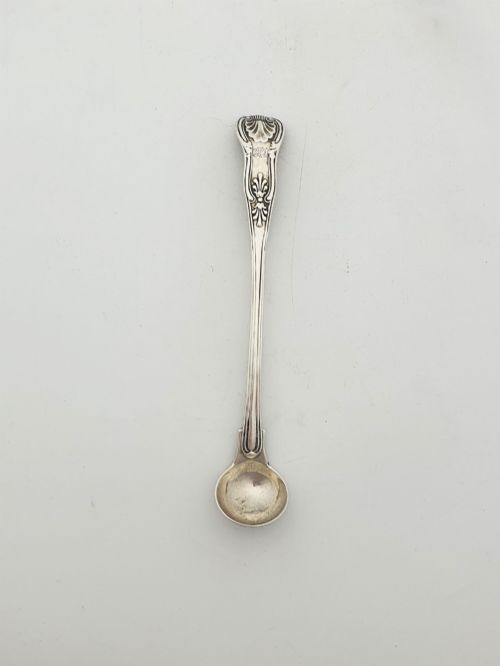
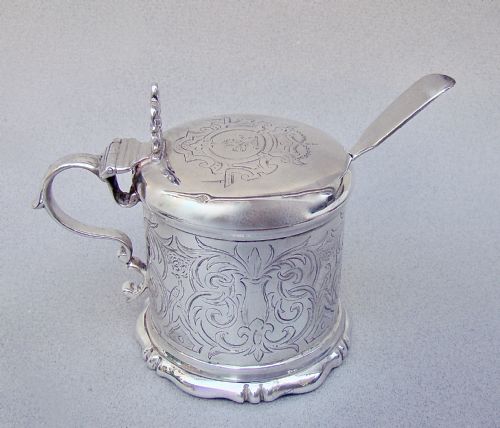
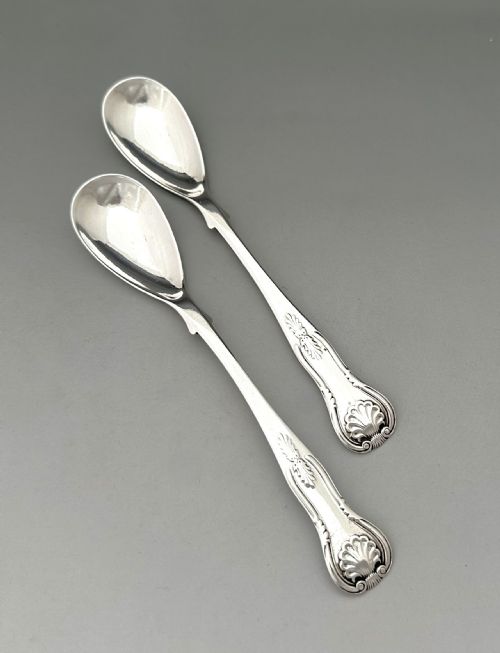
A Victorian sterling silver mustard pot is a small tabletop container designed to hold and serve prepared mustard during formal meals. These items appear primarily as single mustard pots, alongside occasional condiment sets, cruet stands, and matched spoons.
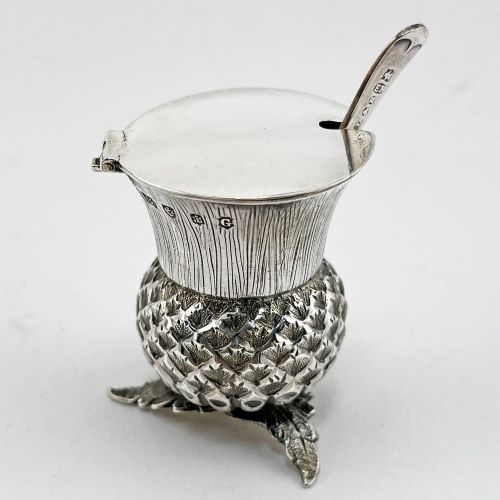
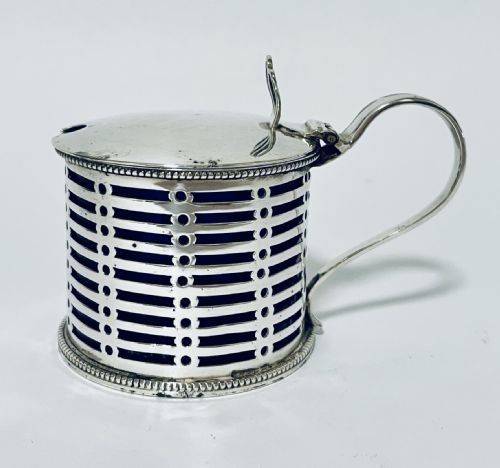
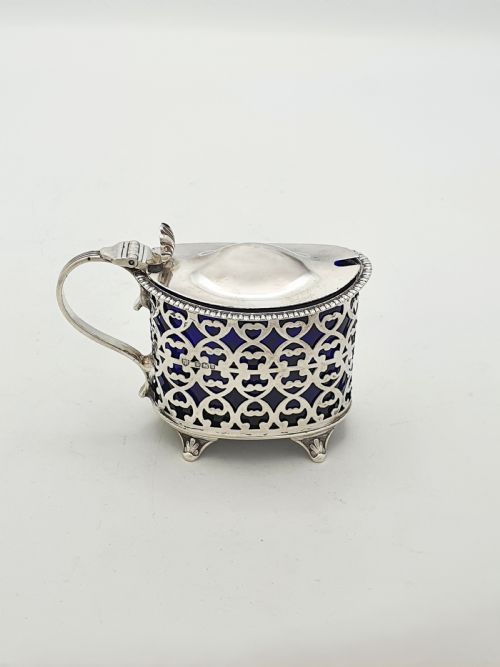
The selections span early Victorian pieces through to Edwardian examples, taking forms ranging from simple octagonal and oval drums to novelty shapes like thistles and chicks. Many examples retain their original glass liners, often rendered in cobalt blue or ruby red glass.
How they were made
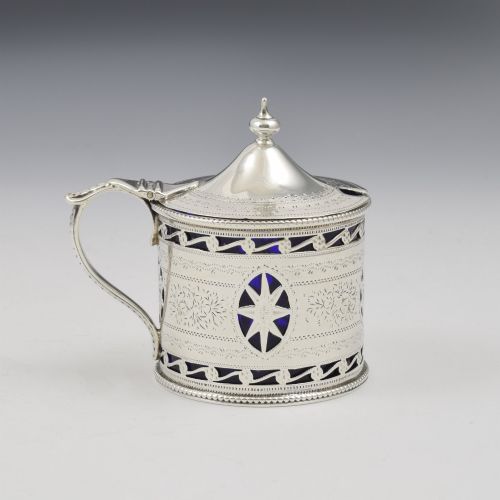
Silversmiths utilised sterling silver to form the bodies, lids, and hinged mounts of the pots, often employing piercing techniques to create intricate geometric or scrollwork patterns. Cast elements formed heavier handles and thumbpieces.
Makers integrated blown glass liners in cobalt blue, ruby red, or clear glass to protect the silver from the corrosive properties of mustard. Interiors were sometimes gilt to provide further resistance.
Victorian Sterling Silver Mustard Retail Price Guide 2026
Typical asking prices for victorian sterling silver mustard among the pieces listed under this phrase on Sellingantiques today, from the lower quarter to the upper quarter. They describe what is for sale here now, not the wider market.
The inventory records condiment sets, cruet stands, and individual mustard spoons spanning the Victorian and Edwardian eras.
What varies in quality
The distinction between standard production and top tier pieces rests on the complexity of the design, such as repoussé hunting scenes, cherub motifs, or Scottish novelty forms. Pierced work executed with sharp, clean margins demonstrates superior silversmithing skill compared to simpler cast alternatives.
The presence of the matching silver spoon and an intact, correctly fitted coloured glass liner elevates the integrity of the piece. Maker marks from notable workshops also contribute to the standing of an individual pot.
Nathan and Hayes·Charles and George Fox·Hamilton and Inches·Charles Stuart Harris·William Hutton and Sons·Heath and Middleton
The Victorian Sterling Silver Mustard Glossary
- Sterling silver
- A silver alloy containing 92.5 percent pure silver and 7.5 percent other metals, typically copper. This standard metal forms the body of the mustard pots.
- Pierced work
- Metal cutting technique where portions of the silver are removed to create openwork decorative patterns. This is frequently seen on drum mustard pots.
- Liner
- A removable glass insert placed inside the silver pot to hold the condiment. Liners come in colours such as cobalt blue and ruby red.
- Cruet set
- A matched group of condiment containers held in a frame. These sets include mustard pots alongside oil, vinegar, or pepper cruets.
- Novelty mustard pot
- A container shaped to resemble an animal, plant, or object rather than a traditional vessel. Examples include thistle and chick forms.
Victorian Sterling Silver Mustard: Frequently Asked Questions
How do I clean my silver mustard pot?
Wash the sterling silver gently in warm soapy water using a soft cloth, avoiding harsh abrasive dips that damage the metal finish. Remove the glass liner beforehand to clean and dry it separately.
Ensure the hinged lid remains open until the entire piece is completely dry to prevent moisture from trapping inside the mount. Store the pot away from direct sunlight and damp environments.
Were these pots used only for mustard?
These small vessels served primarily as mustard containers on formal dining tables during the Victorian period. Their size and fitted spoons made them suitable for prepared mustards served alongside meats.
Some pieces formed part of larger cruet sets alongside bottles for oil, vinegar, and other condiments. They occasionally function today as small desk containers or salt cellars.
How do I date a Victorian mustard pot?
Examine the hallmarks stamped on the silver, which typically include a maker mark, a lion passant indicating sterling standard, a city assay mark, and a date letter. These stamps provide the exact year of testing and manufacture.
Stylistic indicators also help, as early Victorian pieces feature distinct Rococo Revival flourishes while later Edwardian examples lean toward simpler geometric piercing.
Why do some mustard pots have blue glass?
Cobalt blue glass liners were utilised to provide a striking visual contrast against the pierced sterling silver exterior. The vibrant colour enhances the decorative appearance of the tableware on the dining table.
Coloured glass also protected the silver interior from staining caused by acidic mustard compounds. Ruby red glass liners served a similar dual purpose of decoration and protection.