




Victorian Sterling Silver Casters
Victorian sterling silver casters bring unmatched character to the table, combining heavy metalwork with the whimsical shapes of animals and birds.
Victorian Sterling Silver Casters
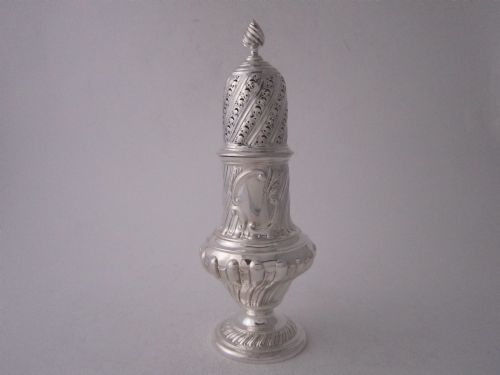
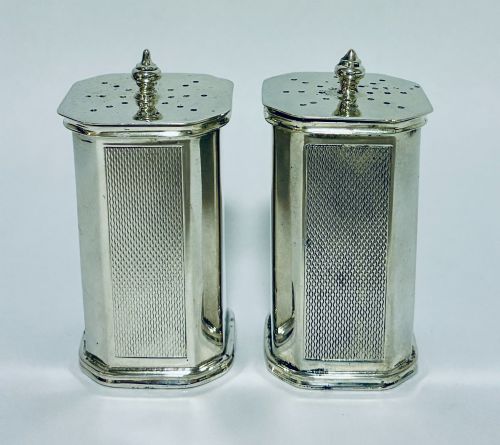
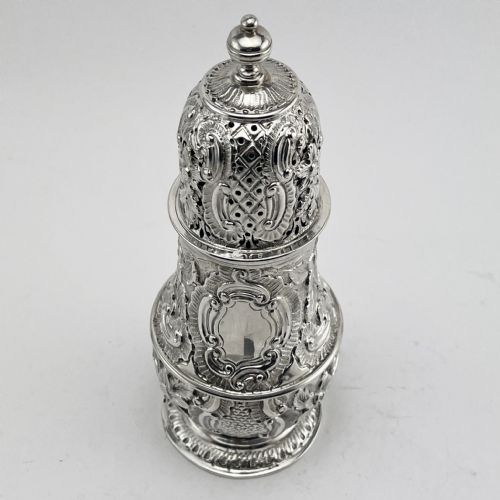
When searching for victorian sterling silver casters, you are looking at functional tableware designed to dispense sugar, pepper, and dry condiments during formal meals. The selection centres heavily on domestic forms, ranging from towering sugar sifters to small pepper pots.
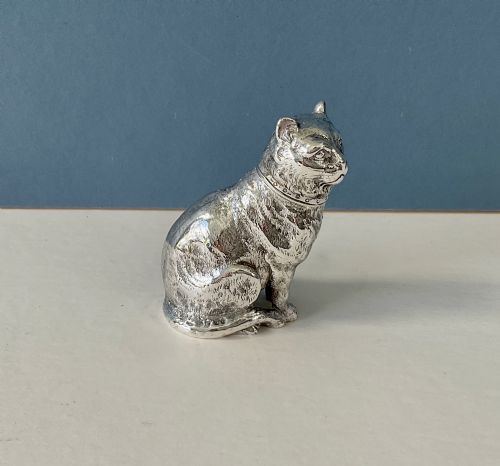
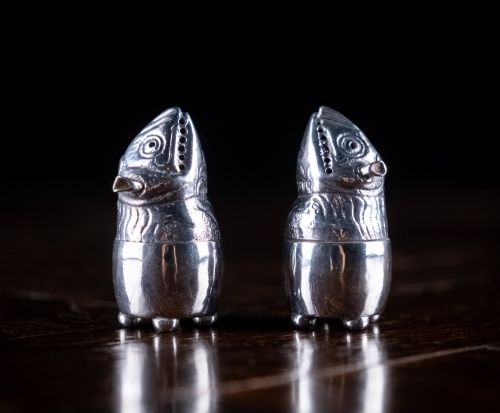
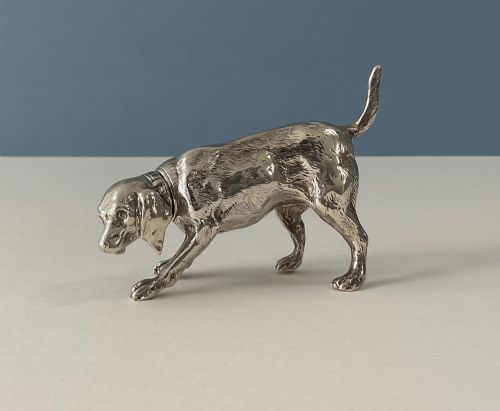
The version you are most likely to meet on this page is the figural novelty piece, shaped as an owl, cat, dog, or bird. These animal forms sit alongside traditional Georgian revival sugar castors and multi-bottle cruet sets housed in frames.
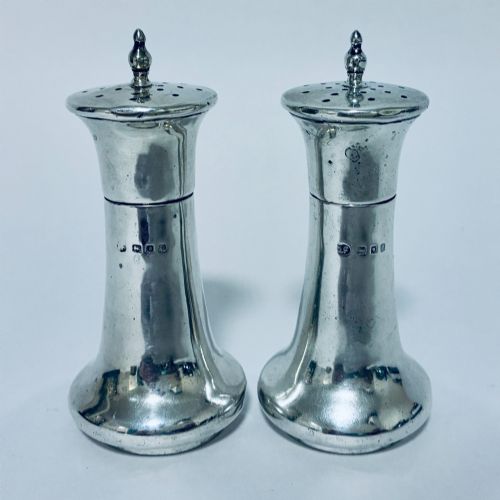
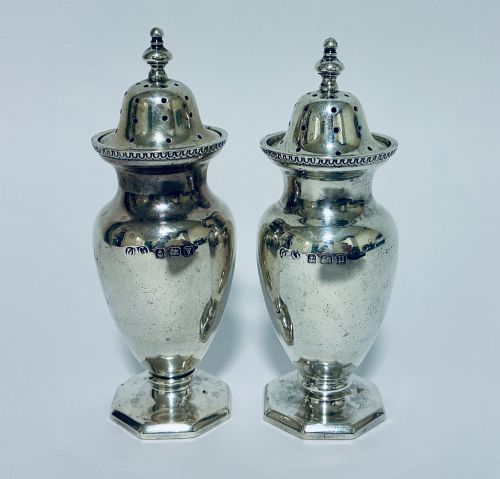
Originating predominantly from the nineteenth century, these objects reflect the Victorian appetite for both ornate table service and entertaining curiosities. They arrive either as single table pieces or matched pairs designed to sit symmetrically.
Materials and construction
The primary material is sterling silver, worked into hollow bodies via casting or repoussé techniques to create detailed animal feathers, fur, and cornucopia motifs. Silversmiths frequently utilised silver gilt interiors or combined the solid metal with cut glass bodies for cruet bottles.
Pierced lids and screw-fit caps allow the dry contents to be shaken or sifted cleanly over food. Internal mechanisms and components occasionally incorporate supplementary media such as velvet lining within fitted presentation boxes.
Listings feature Victorian sterling silver pieces spanning from 1850 through the Edwardian transition, incorporating cut glass, velvet, and ebonised wood alongside solid silver.
Standards of craftsmanship
Quality rests entirely on the sharpness of the casting and the crispness of the chased detail, particularly across figural subjects such as birds, cats, and grotesque figures. Superior examples retain distinct feather and facial definition without smoothing from excessive polishing over the decades.
Heft and structural balance separate standard production wares from the exceptional output of notable makers. The alignment of screw threads on pierced caps and the clarity of the hallmarks stamped into the sterling silver also determine the standing of the piece.
Frederick Brasted·Horace Woodward and Co Ltd·Elkington and Co·Thomas Johnson
The Victorian Sterling Silver Casters Glossary
- Caster
- A small vessel with a pierced top used for sprinkling sugar or dry condiments onto food. These objects include both tall sugar sifters and smaller individual pepper pots.
- Cruet set
- A matched collection of bottles or pots held within a metal frame for condiments at the dining table. They frequently incorporate multiple silver-mounted glass bottles.
- Novelty pepper
- A small container shaped to resemble an animal, human figure, or object rather than a standard pot. These whimsical designs were popular throughout the Victorian era.
- Sterling silver
- An alloy composed of pure silver and other metals to increase durability while maintaining standard fineness. English pieces carry hallmarks confirming this composition.
- Silver gilt
- Sterling silver that has been coated with a thin layer of gold on the interior or exterior surfaces. This technique protected the metal from corrosive food acids.
Victorian Sterling Silver Casters: Frequently Asked Questions
What were silver casters used for?
These vessels served a practical purpose on the dining table for dispensing sugar onto fruit or desserts, and ground pepper onto savoury dishes. Sifters handled lighter, finer powders, while pepper pots utilised pierced lids for controlled distribution.
In larger household settings, matched sets sat centrally or at opposite ends of the table to allow multiple diners easy access during formal courses.
How do I identify a Victorian piece?
Examination of the hallmarks stamped onto the sterling silver body provides the most reliable guide to a piece's origin and date. British hallmarks typically include a date letter, a lion passant indicating sterling standard, and a maker's mark.
Stylistic cues such as naturalistic animal forms, natural foliage, and Georgian revival shapes also point directly to nineteenth-century manufacturing practices.
Are novelty peppers rare?
Makers produced figural peppers in the shape of owls, dogs, cats, and grotesque characters specifically to amuse Victorian diners. Survival rates vary depending on initial production numbers and subsequent handling over generations.
While some animal forms appear with regularity, specific pairings or unusual subjects remain harder to locate on the open market.
How should I clean silver casters?
Routine maintenance requires a soft cloth and a gentle silver cleaner formulated to lift tarnish without removing the underlying chased detail. Avoid abrasive cloths that scratch the sterling silver surface or damage delicate pierced lids.
Store the pieces in dry environments away from direct sunlight, and ensure glass bottle liners are washed and dried separately if the set includes cruet components.