





Victorian Sterling Frame
These victorian sterling frame pieces bring the portraiture and ornamentation of the nineteenth century straight to a mantelpiece or desk.
Victorian Sterling Frame
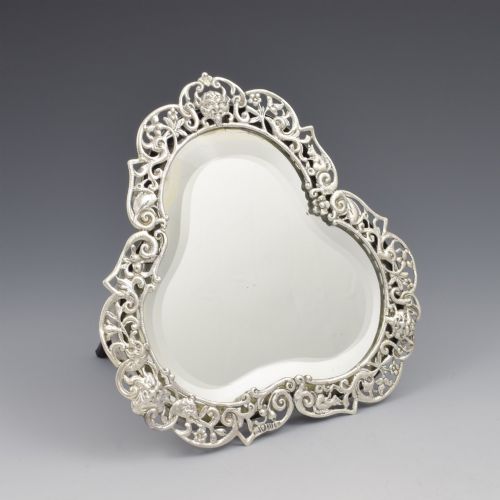
When someone searches for a victorian sterling frame, they are looking for portable metal borders designed to hold portrait photographs, mirrors, or small artworks on domestic surfaces. The examples seen on this page span the late nineteenth century into the Edwardian era, taking the form of picture frames, photo frames, and table mirrors.
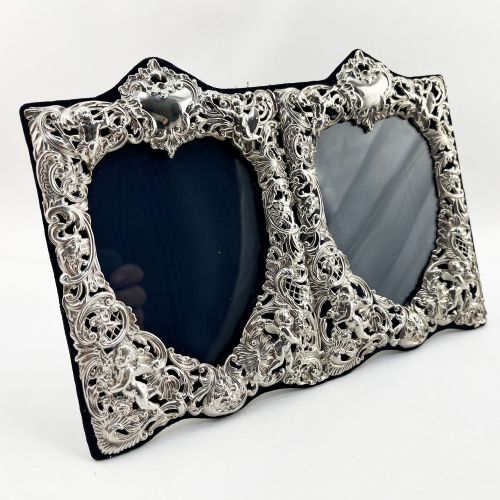
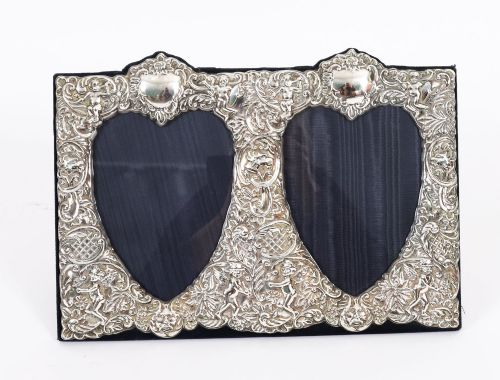
Heart-shaped double frames and rectangular easel-backed objects dominate the selection. Makers also produced variations such as wall-hanging versions, gilt-silver pieces, and even combined items incorporating vesta cases or mirrors.
The objects serve primarily as tabletop furnishings backed in velvet, wood, or fabric. They bridge the gap between functional household items and decorative metalwork.
How they were made
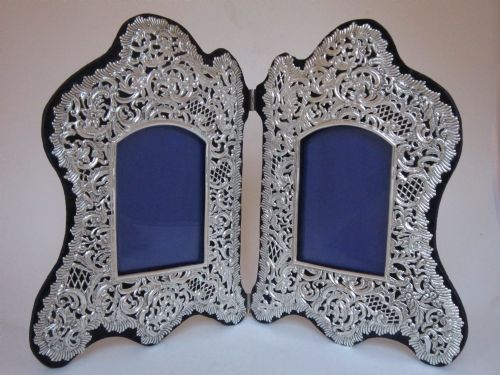
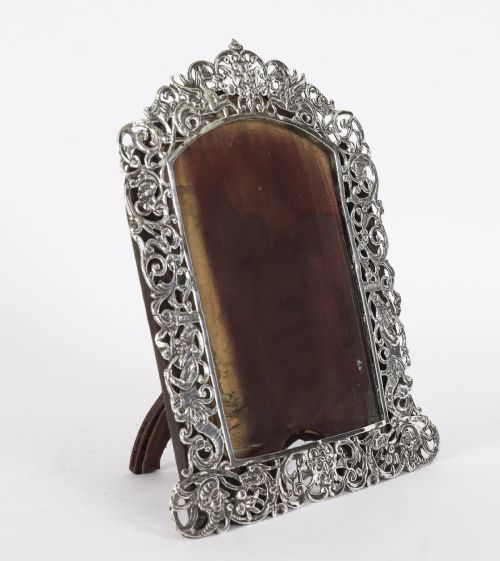
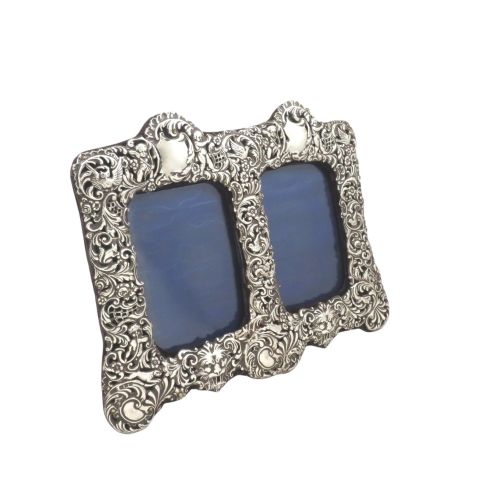
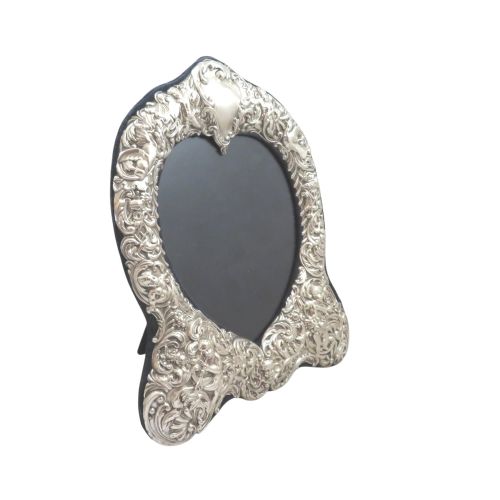
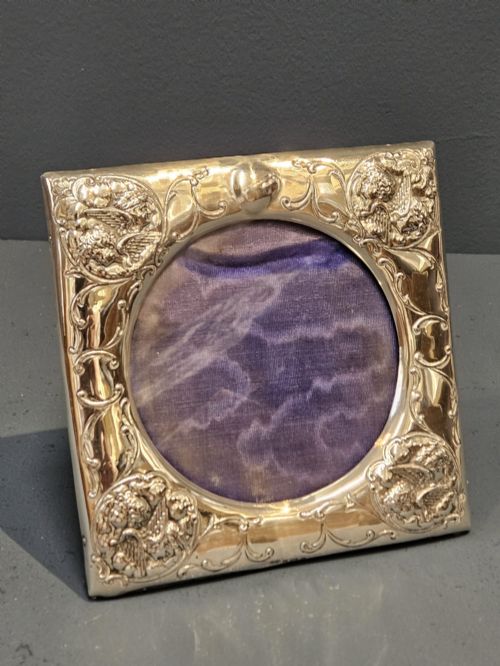
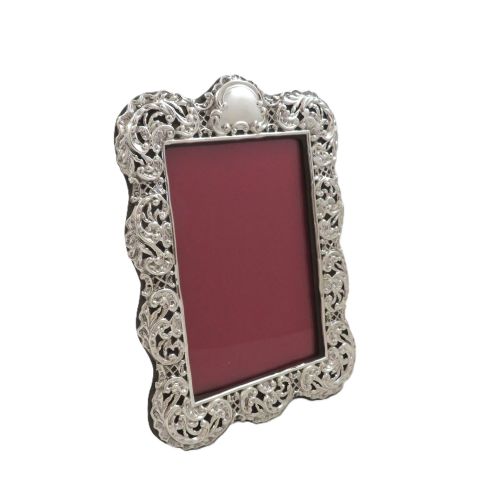
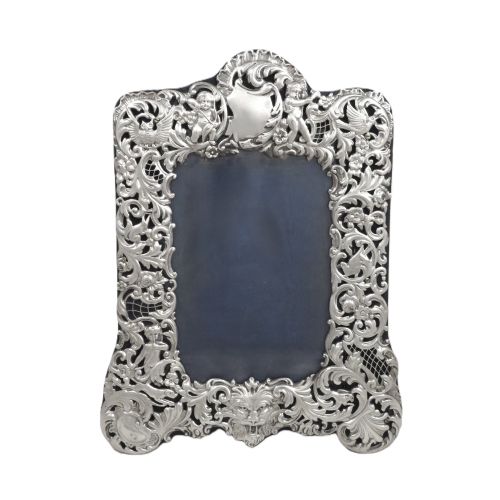
Silversmiths constructed these items using sterling silver sheet metal, often heavily embossed, pierced, or chased with motifs like cherubs, animals, birds, and angelic faces. The metal mounts were then secured onto structural backings of wood or sturdy card.
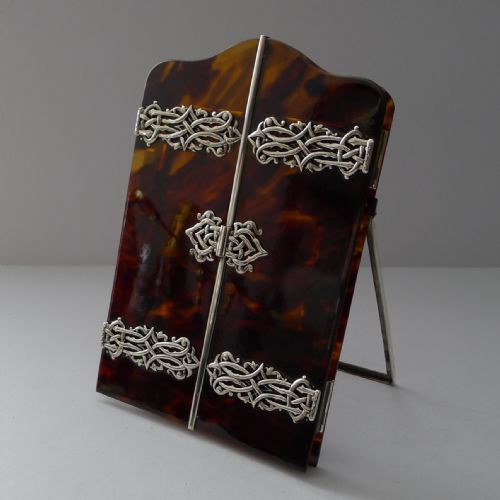
Makers integrated tactile internal elements such as glass panes to protect the portraits, alongside plush velvet or fabric backings fitted with easel stands for desktop display. Some specialised pieces combined tortoiseshell or gilt silver accents to heighten the visual contrast against the polished sterling silver.
Victorian Sterling Frame Retail Price Guide 2026
Typical asking prices for victorian sterling frame among the pieces listed under this phrase on Sellingantiques today, from the lower quarter to the upper quarter. They describe what is for sale here now, not the wider market.
Cherubs, owls, dogs, and birds peer out from the borders, ensuring your photographs are permanently watched by a menagerie of silver spirits.
What varies in quality
The definition and depth of the embossed or pierced ornamentation separate standard commercial productions from superior examples. Elaborate figurative work depicting cherubs, animals, or complex rococo revival scrolls requires greater skill from the silversmith than simple geometric stamping.
The integrity of the structural backing and the retention of original glass, fabric, and easel mechanisms dictate the overall physical completeness of the piece. Well-preserved internal components and substantial silver gauge weight elevate the standing of a frame among collectors.
William Comyns·Rosenthal Jacob And Co·Henry Matthews·Walker And Hall·Syner And Beddoes·Minshull And Latimer·Elkington And Co·William Hutton And Sons
The Victorian Sterling Frame Glossary
- Sterling silver
- A silver alloy containing 92.5 percent pure silver and 7.5 percent other metals, usually copper, to increase durability. This standard metal composition is stamped on British items with specific assay office hallmarks.
- Easel mirror
- A tabletop looking glass supported by a hinged rear leg that props the item upright. These mirrors share similar mounting techniques with standard photograph frames.
- Reynolds Angels
- A decorative motif featuring cherubic faces derived from the paintings of Sir Joshua Reynolds. Silversmiths frequently chased these angelic figures onto late nineteenth-century picture borders.
- Tortoiseshell
- The outer shell of certain turtle species used historically as an ornamental overlay on luxury goods. In these listings, thin plates of tortoiseshell sit beneath pierced silver mounts.
- Vesta case
- A small pocket container designed to hold matches, occasionally integrated into multi-functional silver desk accessories. These combination items combined smoking paraphernalia with picture display.
Victorian Sterling Frame: Frequently Asked Questions
How were these frames used?
Victorian households displayed framed portrait photographs of family members on desks, sideboards, and mantelpieces using the attached easel backs. Many doubled as decorative table mirrors or combined functional elements like small storage compartments.
They functioned as portable personal monuments, allowing families to showcase likenesses of loved ones within ornate domestic settings.
What backs do these frames have?
Most pieces feature supportive structures lined with velvet, wood, fabric, or stiff card. These materials provided a rigid foundation for the silver mount while protecting the surface underneath.
Blue velvet and dark wooden panels appear frequently among surviving examples to secure the glass and portrait in place.
How do I spot a heart-shaped frame?
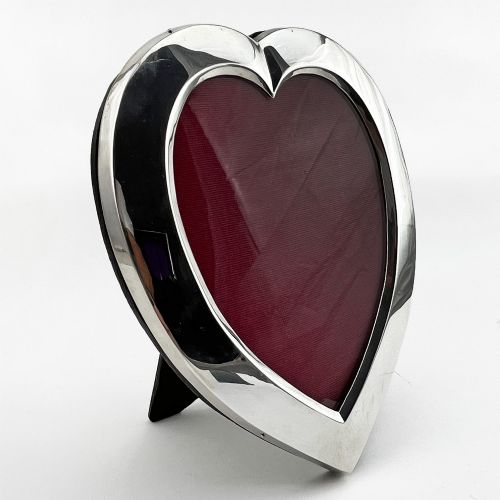
Heart-shaped borders represent a popular romantic design category within these listings, often produced as single or double hinged configurations. Silversmiths surrounded the heart aperture with chased floral scrolls, cherubs, or pierced metalwork.
They are easily identified by their distinct symmetrical lobes tapering to a point at the base.
Can these frames be hung on walls?
While the majority rely on fold-out easel stands for tabletop placement, specific variants feature rings or mountings intended for wall hanging. These unusual adaptations allowed owners to display photographs vertically without a desk surface.
Buyers should inspect the reverse side of the object to confirm the presence of suspension loops rather than standard desk struts.