

Victorian Staffordshire Earthenware Figure
These robust earthenware figures, captured in the search phrase victorian staffordshire earthenware figure, bring a charming slice of nineteenth-century domestic mantelpiece culture into modern rooms.
Victorian Staffordshire Earthenware Figure
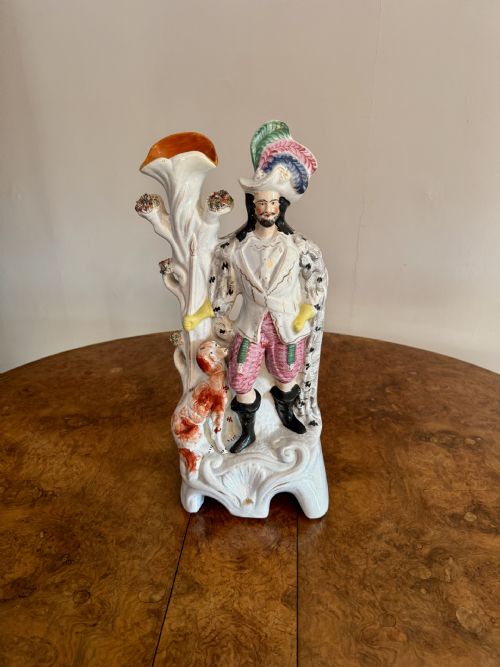
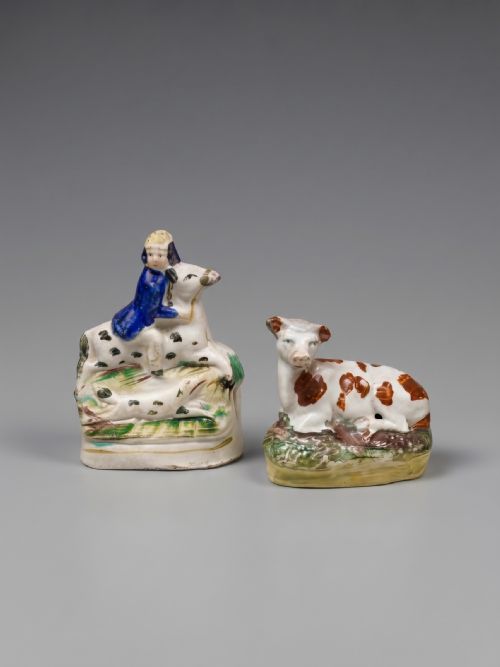
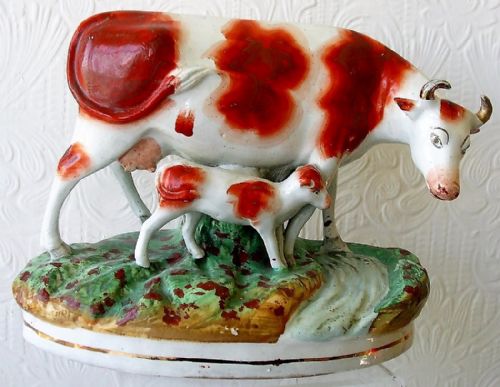
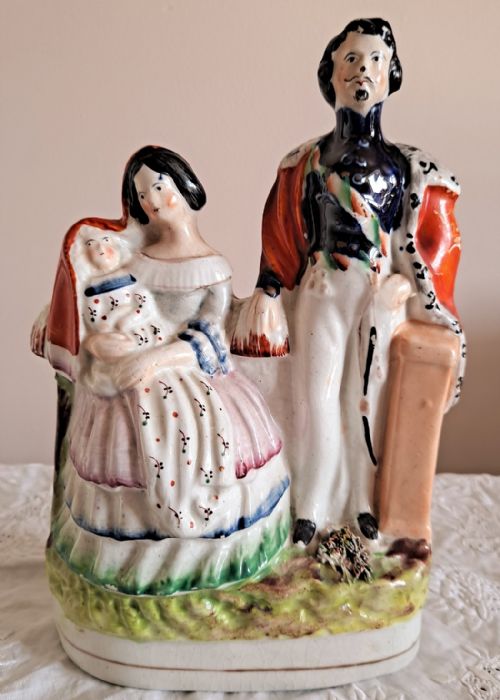
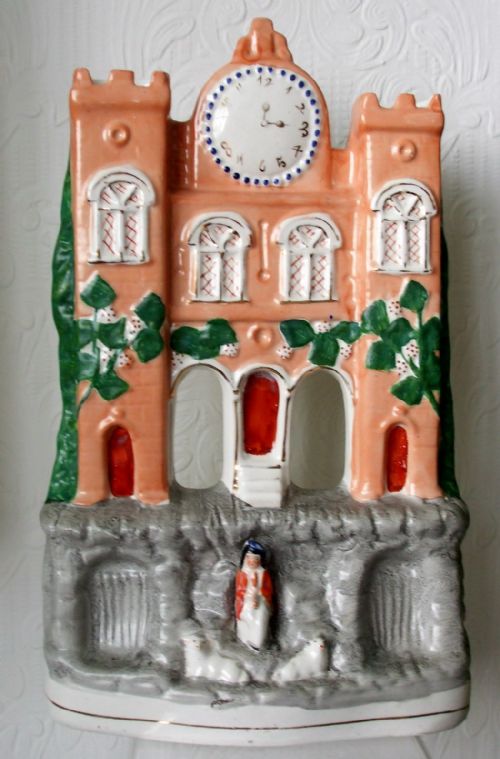
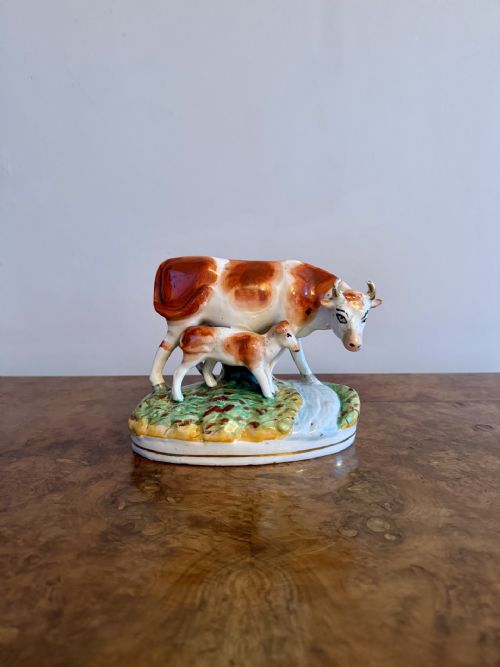
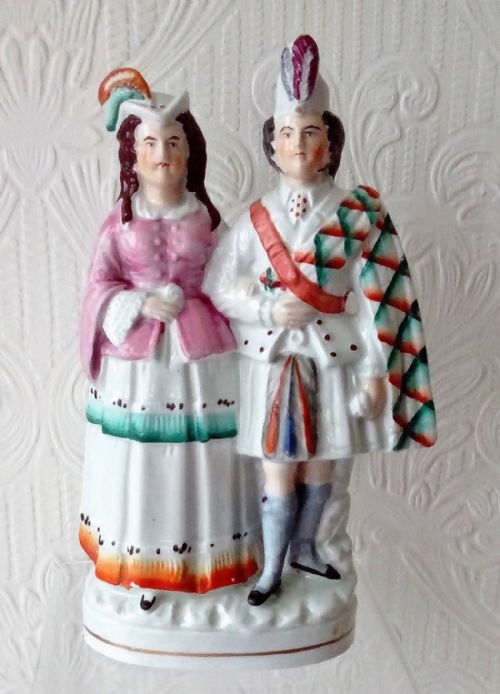
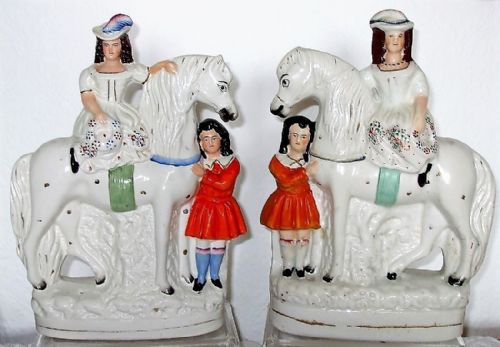
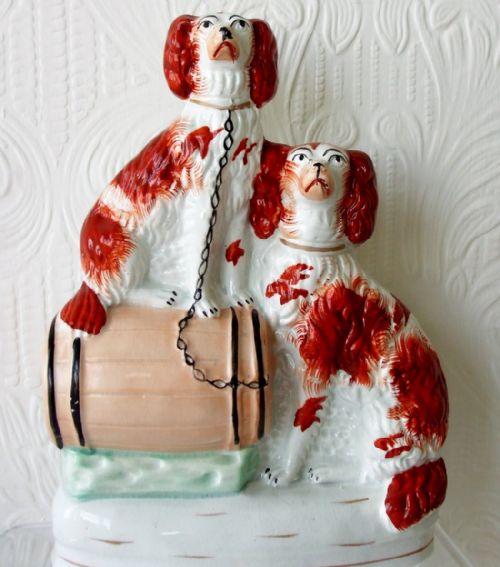
A victorian staffordshire earthenware figure represents the diverse output of potteries producing ornamental ceramics throughout the nineteenth century. Buyers encounter animals, royal portraits, literary groups, and theatrical subjects designed for display.
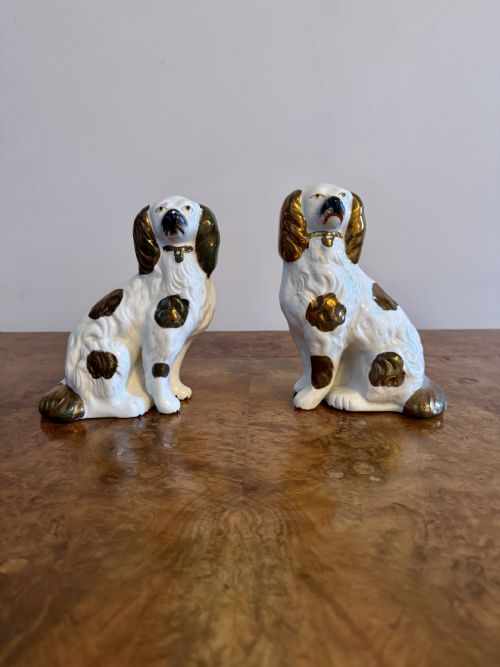
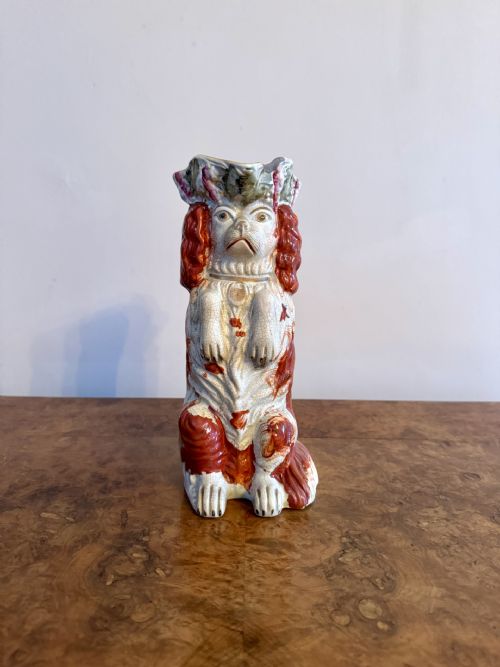
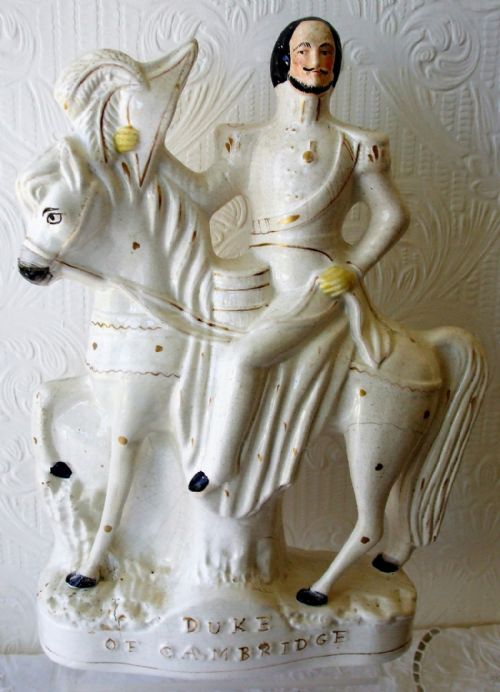
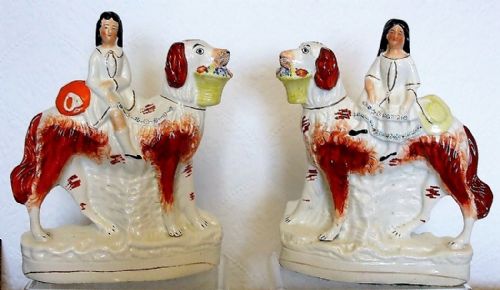
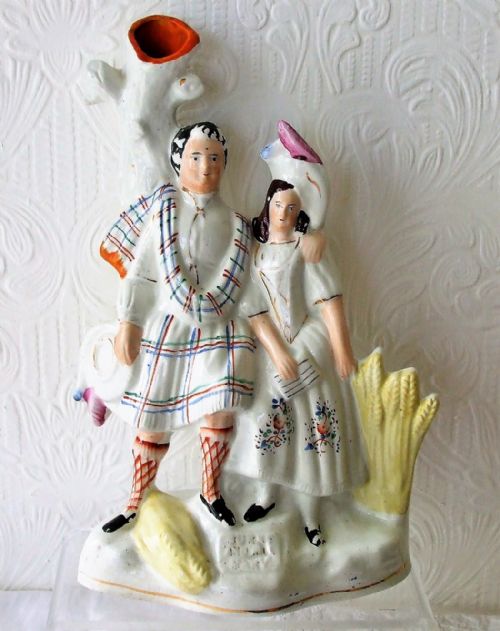
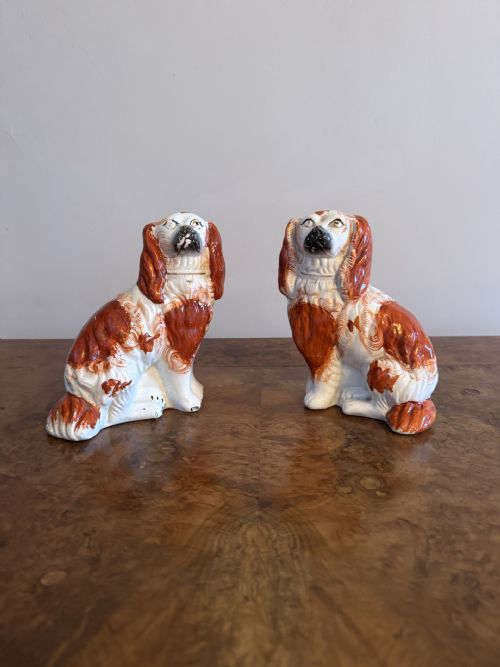
The most common survivals on this page are pairs of mantel dogs, spill vases, and portrait figures of monarchs or notable personalities. These objects reflect the popular taste of the period, combining domestic utility with narrative or decorative appeal.
Materials and Techniques
Potters shaped these earthenware pieces using clay bodies that were then fired, painted with enamel colours, and finished with lead glaze. Many items received additional detailing in gold leaf or gilt highlights applied over the glaze.
Moulding allowed workshops to produce consistent forms rapidly, which workers then hand-painted with varying degrees of precision. This combination of mass production and individual brushwork creates the distinct character found across the inventory.
Victorian Staffordshire Earthenware Figure Retail Price Guide 2026
Typical asking prices for victorian staffordshire earthenware figure among the pieces listed under this phrase on Sellingantiques today, from the lower quarter to the upper quarter. They describe what is for sale here now, not the wider market.
The inventory records pieces decorated with lead glaze, enamel paints, and gold leaf.
Assessing Quality and Execution
The weight of modelling also separates standard decorative stock from superior pieces. Strong proportions, balanced compositions, and well-executed lettering on portrait bases elevate individual figures within the broader category.
The Victorian Staffordshire Earthenware Figure Glossary
- Earthenware
- A porous ceramic body fired at lower temperatures than stoneware or porcelain. It forms the essential structural base for nearly all nineteenth-century Staffordshire figures.
- Spill Vase
- A hollow-backed ceramic vessel designed to hold wooden tapers used for lighting fires or pipes. They frequently incorporate figural groups or pastoral scenes.
- Enamel
- Vitreous coloured decoration applied over the fired glaze and fixed in a muffle kiln. This technique provided the bright palette seen on nineteenth-century pottery.
- Gilt
- A thin layer of gold or gold leaf applied to ceramic surfaces for decorative emphasis. It often highlights collars, jewellery, or lettering on portrait figures.
- Lead Glaze
- A glossy coating containing lead oxide applied to pottery before a final firing. This layer seals the porous earthenware body and gives the figures their characteristic shine.
Victorian Staffordshire Earthenware Figure: Frequently Asked Questions
What were Staffordshire figures used for?
These ceramic pieces served primarily as decorative ornaments for the mantelpiece in nineteenth-century homes. Families displayed pairs of dogs, royal figures, or literary heroes to signal social awareness and taste.
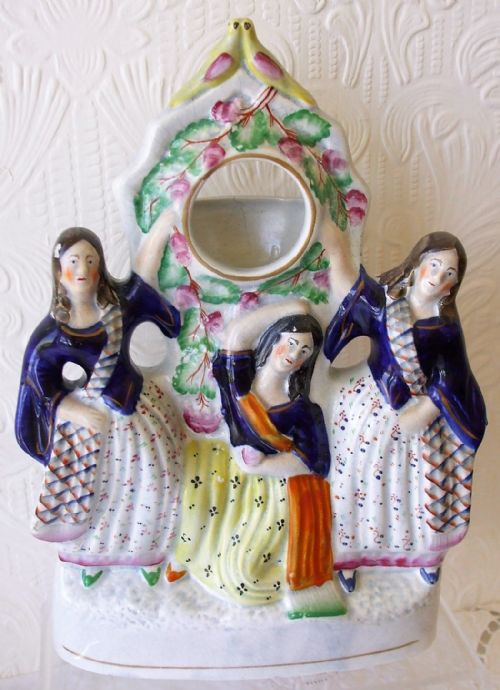
Beyond simple decoration, some forms like spill vases held wooden matches near the fireplace for everyday convenience. Others functioned as watch holders or inkwells on desks.
How do you display Staffordshire dogs?
Pair of spaniels or greyhounds traditionally sit facing one another at either end of a mantelpiece or shelf. This symmetrical arrangement mirrors the Victorian practice of domestic interior styling.
Ensure they rest on a stable, flat surface away from heavy foot traffic to protect their glazed surfaces from accidental knocks.
How are portrait figures identified?
Makers often inscribed the names of royals, politicians, or actors directly onto the front of the ceramic base. Contemporary buyers can cross-reference these names with historical events or catalogue numbers.
Clothing styles, military uniforms, and associated attributes also help date and identify the specific personality represented.
Why do some figures have a hole at the back?
The opening typically indicates that the piece functions as a spill vase, designed to hold taper matches. Hollow construction also prevented the ceramic from cracking during the high temperatures of the kiln firing process.