

Victorian Splat Back Chairs
Victorian splat back chairs bring sturdy craft and honest grain into daily rooms, ranging from kitchen country seating to formal walnut dining sets.
Victorian Splat Back Chairs
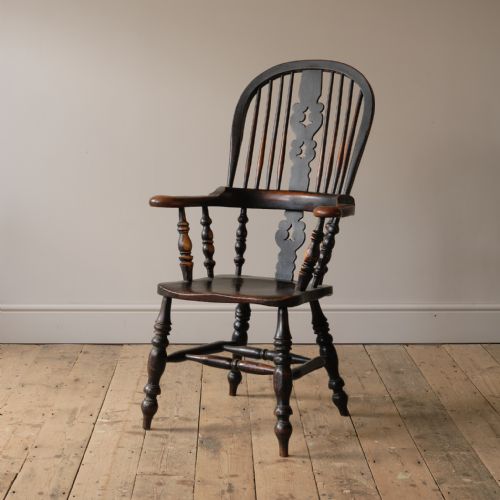
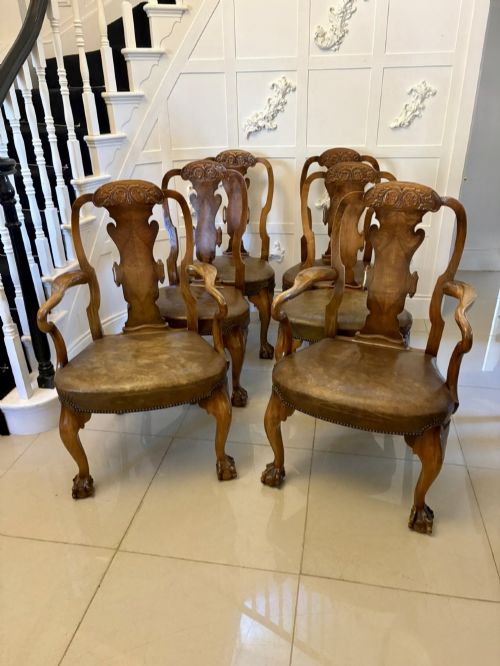
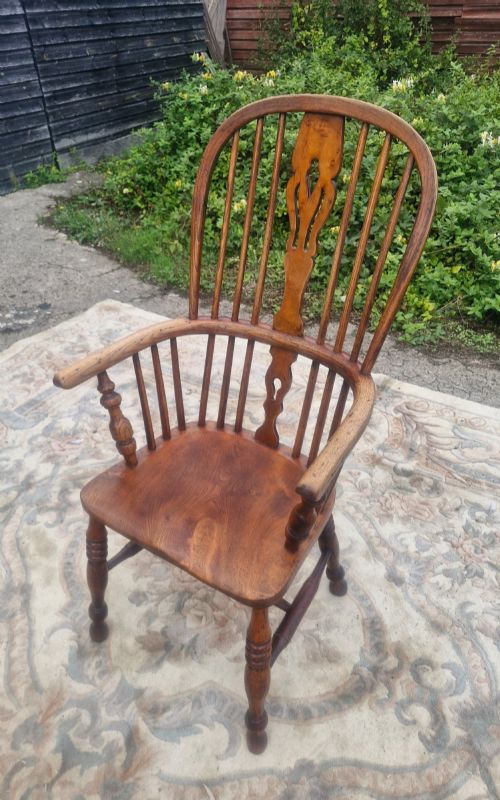
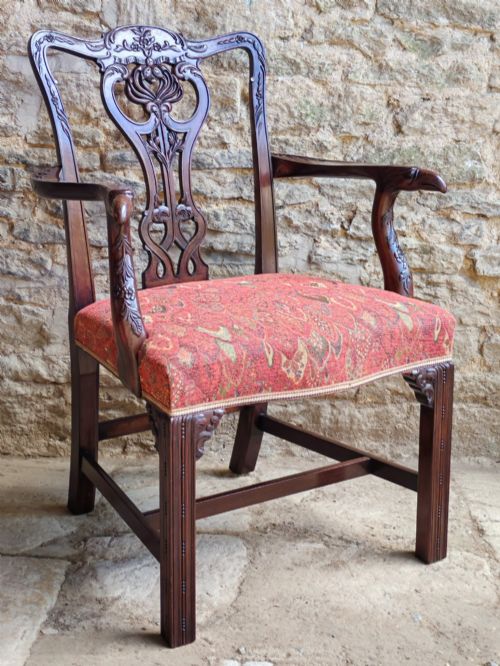
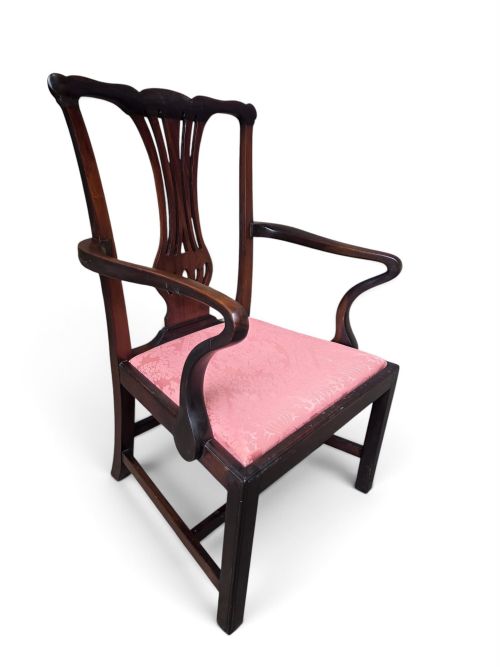
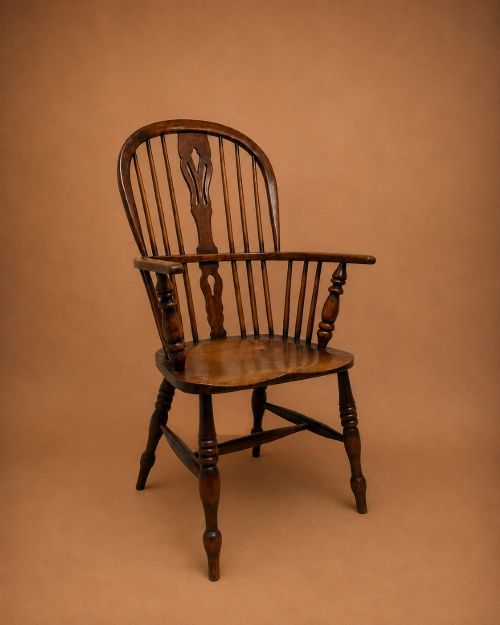
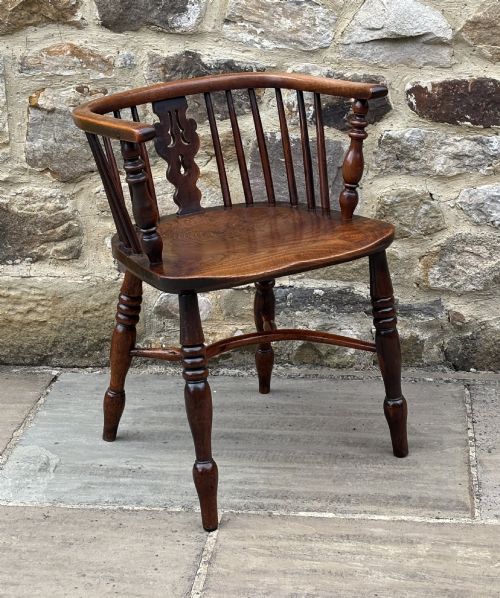
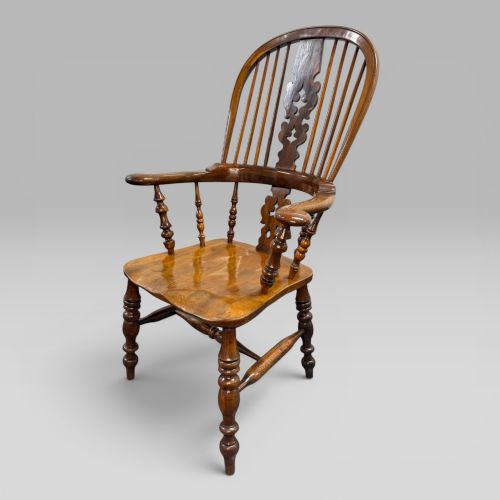
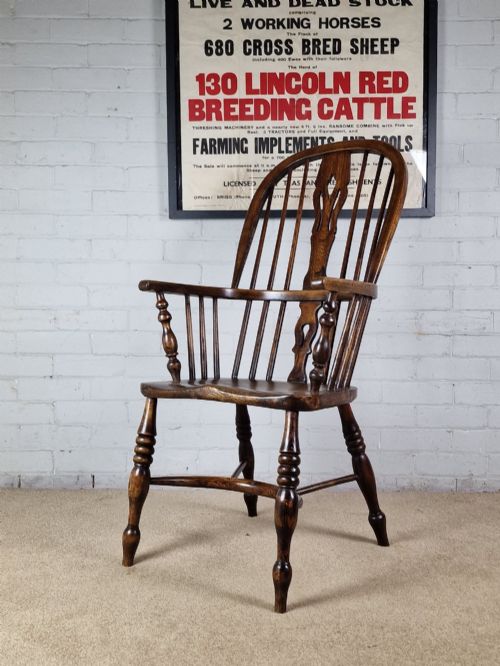
When searching for victorian splat back chairs, buyers encounter a diverse group of seating spanning regional country kitchen types and formal dining rooms. The evidence shows frequent appearances of Windsor forms alongside walnut and mahogany dining suites featuring carved splats.
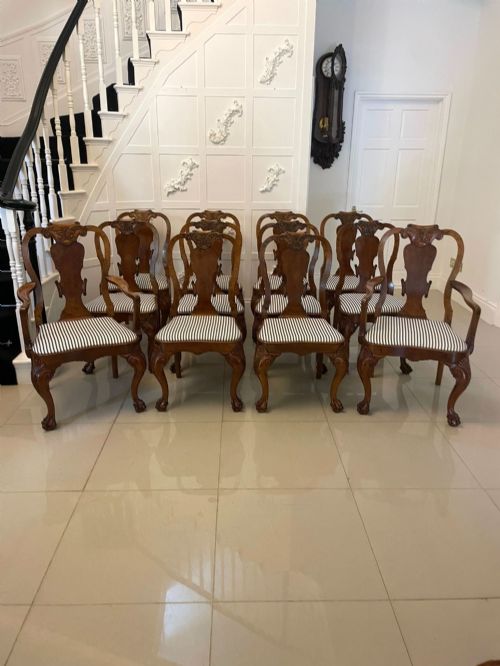
The selection ranges from single armchairs and carvers to matched sets of six or twelve. Elm, ash, yew and beech dominate the country seating, while walnut and mahogany define the formal dining chairs.
How they were made
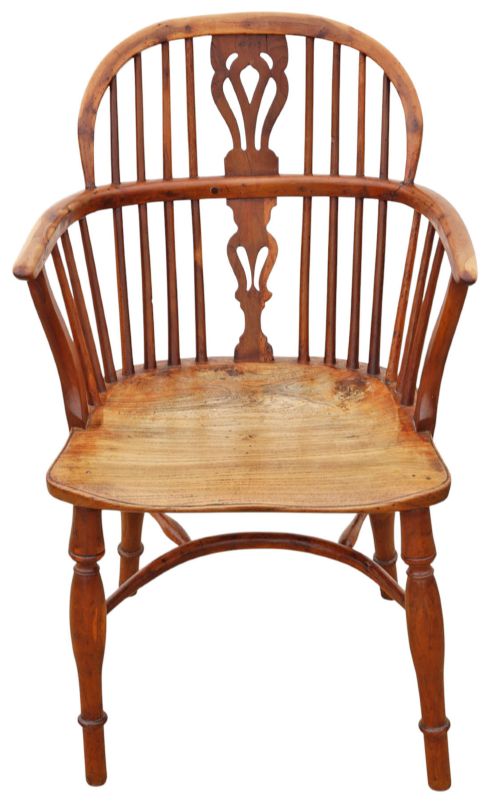
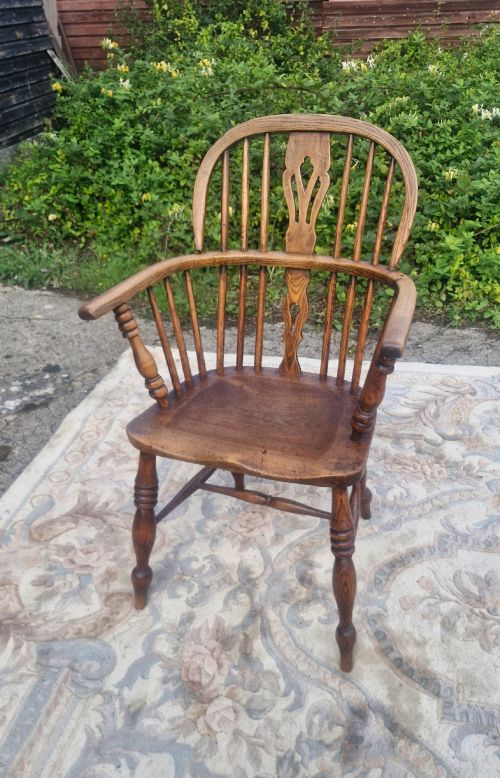
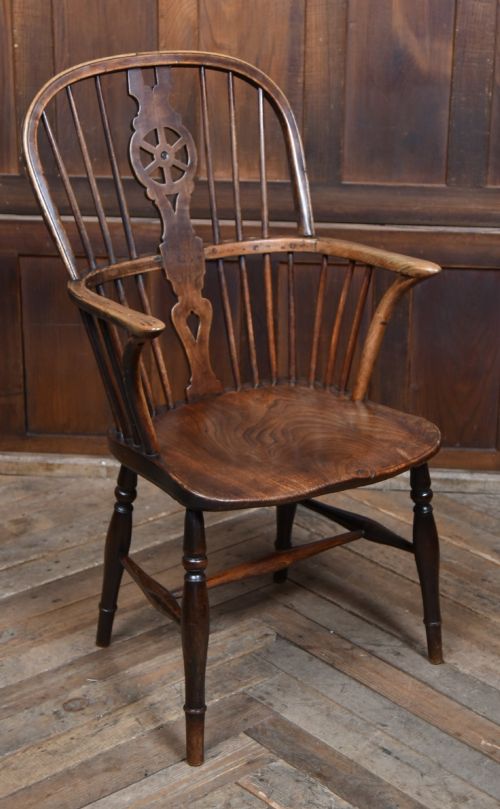
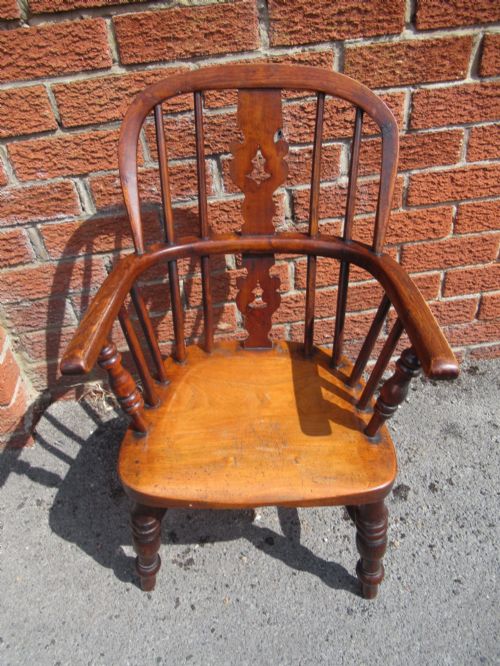
Maker construction relies heavily on native timbers, combining elm seats with ash, beech or yew frames for Windsor and country models. Turning techniques shape spindles and legs, while steam bending forms the curved backs and armbows.
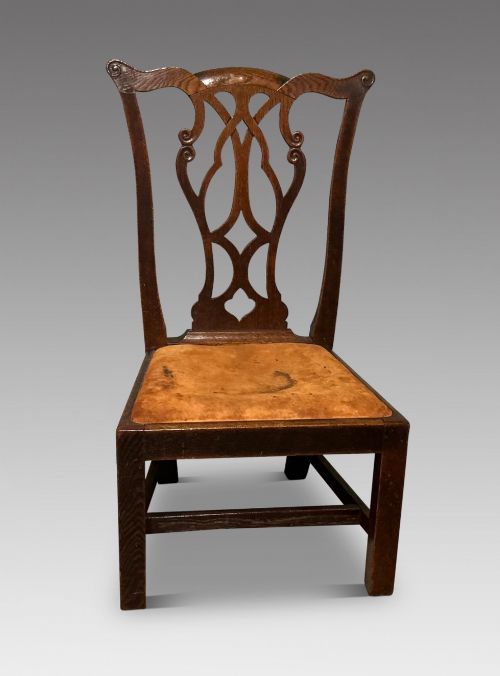
Formal dining variations utilise mahogany and walnut with carved splats, often incorporating upholstered overstuffed seats. Joinery employs traditional pegged mortise and tenon construction to ensure lasting rigidity.
The evidence records regional country variations including specific pieces attributed to Nottinghamshire and Lincolnshire.
What varies in quality
The grade of timber selection and depth of grain figure separate ordinary examples from superior pieces, particularly in yew and burr walnut. Wood choice dictates both visual presence and structural resilience.
Execution of carving and retention of original components, such as crinoline stretchers or matching sets, determine the standing of individual chairs. Cohesion within larger dining sets remains central to their status.
Howard and Sons
The Victorian Splat Back Chairs Glossary
- Splat
- The central vertical wooden strip within a chair back. It provides structural support while offering a canvas for decorative carving or shaping.
- Windsor
- A traditional chair construction method where legs and back spindles are wedged directly into a solid wooden seat. These typically combine multiple timber species for strength and flexibility.
- Carver
- An armchair designed with open arms, traditionally placed at the head of a dining table or used as a desk chair. They match the aesthetic of smaller side chairs in a set.
- Crinoline stretcher
- A curved under-stretching brace connecting the legs of a chair to provide extra stability. It often takes a horseshoe shape beneath the seat.
- Overstuffed
- An upholstery style where fabric covers the seat rails entirely with no exposed wood frame around the perimeter. This creates a pillowed seating surface common on Victorian dining chairs.
Victorian Splat Back Chairs: Frequently Asked Questions
What woods were used for victorian splat back chairs?
Makers utilised a wide array of native and imported timbers depending on the chair's intended function. Country models frequently combine elm seats with ash, beech or yew framing.
Formal dining variations shift toward dense hardwoods such as mahogany and walnut, occasionally incorporating burr walnut veneers for decorative impact.
How do I identify a high back Windsor chair?
High back Windsor chairs feature an extended vertical spindle back that often incorporates a central solid splat. They provide taller support for the head and shoulders compared to low back alternatives.
These chairs frequently appear in ash and elm combinations from nineteenth century regional workshops.
Can I mix these chairs with modern tables?
Victorian seating adapts well to contemporary dining spaces due to the variety of warm wood tones and honest construction. Combining antique side chairs with a plain table adds texture to a room.
Matching sets create formal cohesion, whereas single carvers work effectively as standalone desk chairs.
What is the difference between a side chair and a carver?
Side chairs are compact and armless, designed to tuck neatly around the sides of a dining table. They maximise seating capacity in dining rooms.
Carvers include open arms for added comfort and traditionally sit at the head and foot of the table or serve as independent reading chairs.