

Victorian Solid Silver
Victorian solid silver brings together weighty tableware, novelty salt tubs and pocket watch chains shaped by nineteenth-century smiths.
Victorian Solid Silver
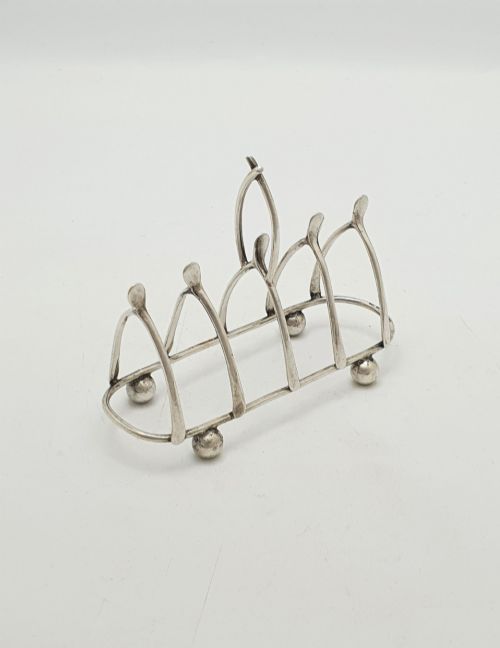
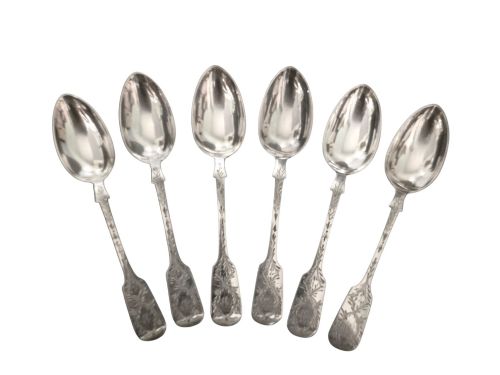
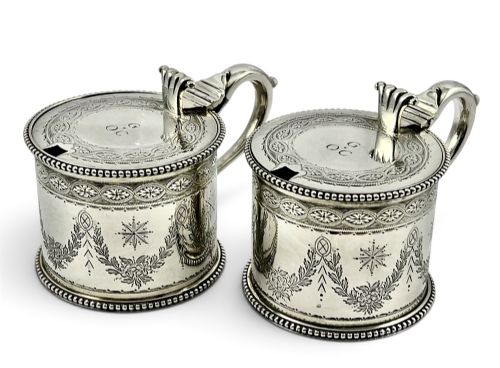
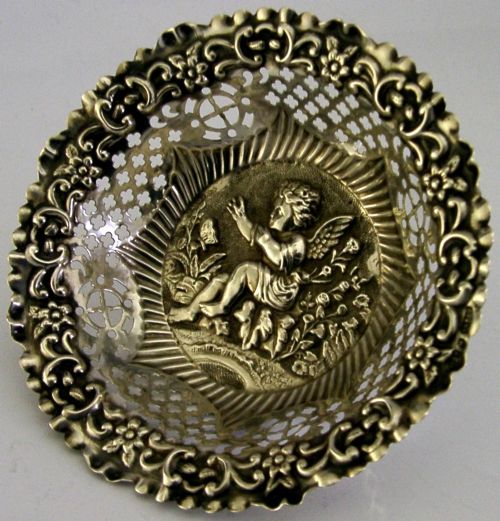
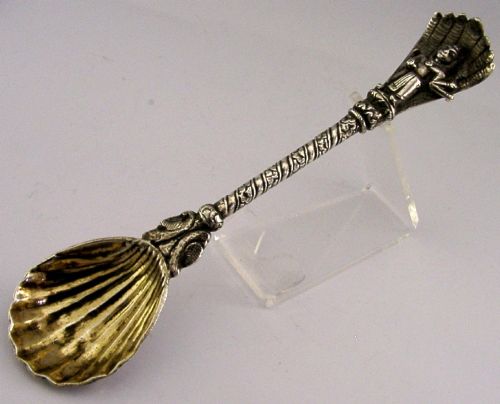
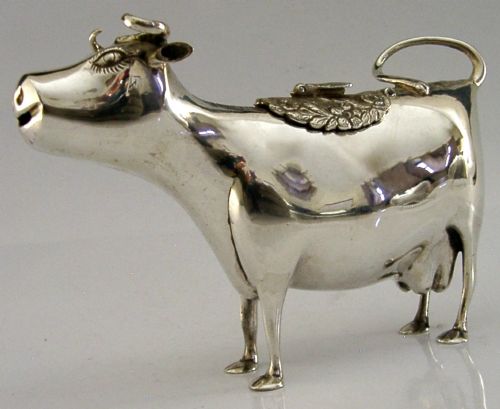
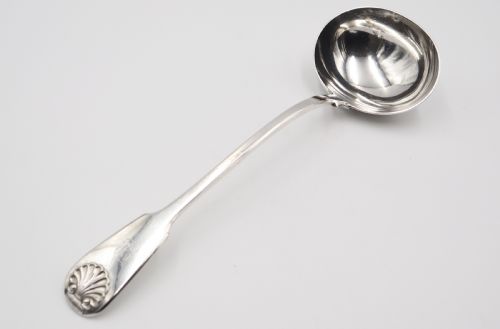
When you search for victorian solid silver, you encounter functional items and display pieces ranging from napkin rings and serving spoons to novelty animal creamers and butter dishes. The items listed span the nineteenth century, with strong representation from the eighteen-eighties and eighteen-nineties alongside related pieces from adjacent decades.
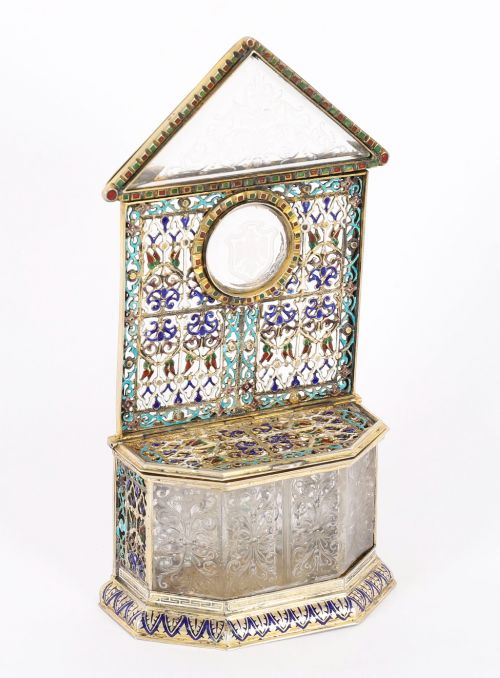
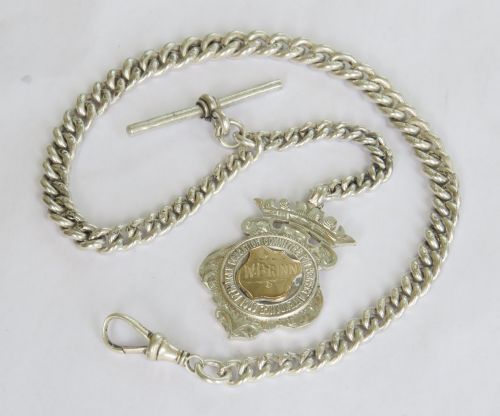
Most pieces meet you as domestic tableware or personal accessories, including trinket boxes, sugar tongs, caddy spoons and pocket watch chains. Styles shift from plain domestic utility to elaborate novelty forms, Dutch revivals and regional British or international silverwork.
Materials and Technique
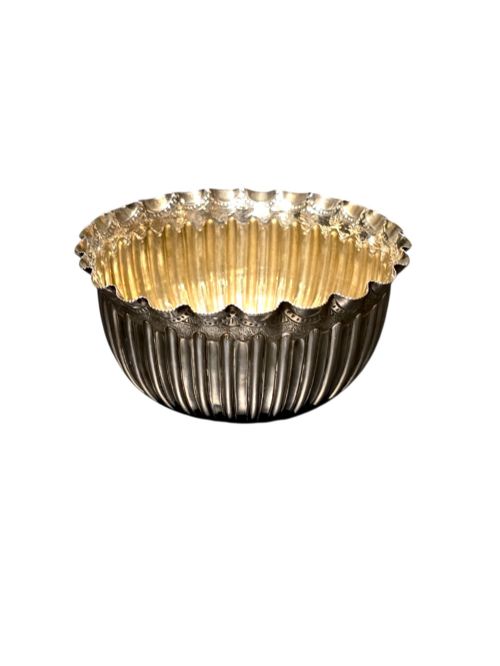
The material foundation across these pieces is sterling silver or solid silver, occasionally paired with interior linings of silk or velvet, wooden bases, or gilt washes known as silver gilt. Construction methods combine traditional smithing, casting, and hand-chasing to achieve both structural rigidity and fine surface detail.
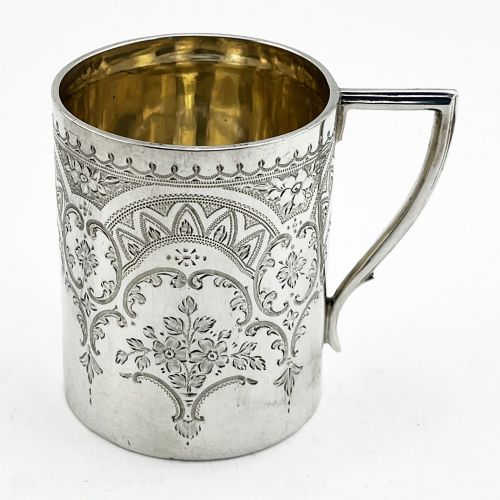
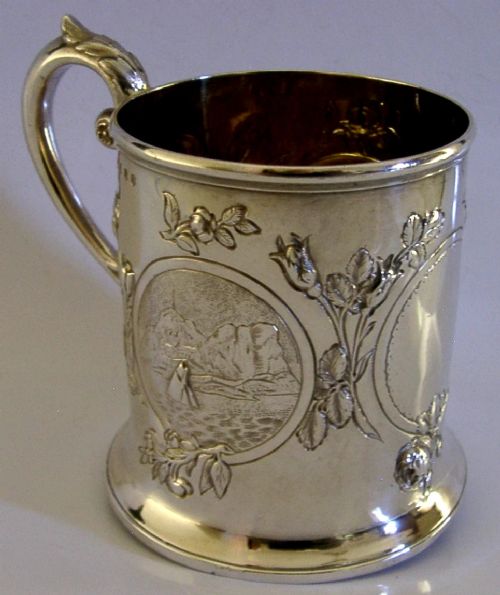
Makers utilised steel for working blades on items like butter spreaders, while decorative elements relied on repoussé work, engraving and applied crests. These techniques allowed smiths to produce everything from heavy tankard mugs and presentation trophies to miniature tygs and delicate sewing scissors.
Victorian Solid Silver Retail Price Guide 2026
Typical asking prices for victorian solid silver among the pieces listed under this phrase on Sellingantiques today, from the lower quarter to the upper quarter. They describe what is for sale here now, not the wider market.
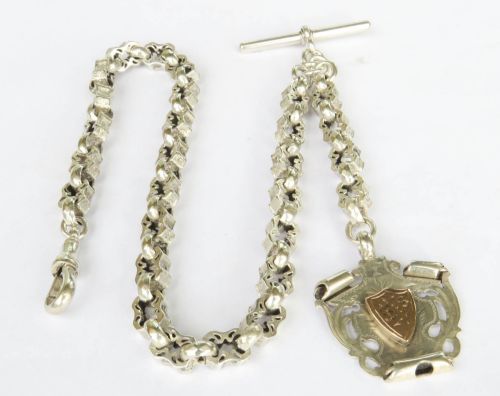
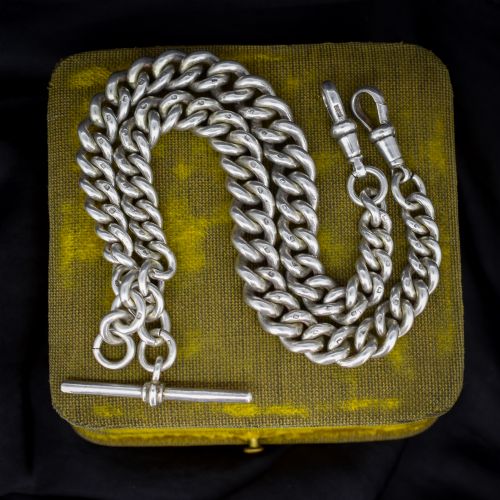
Object forms span dining accessories, pocket watch albert chains, sewing tools and figural novelty boxes.
What Varies in Quality
Quality in these silver pieces rests upon the crispness of the chasing, the gauge of the metal, and the integrity of structural joins. Heavier weight and balanced proportions distinguish substantial table pieces from lighter domestic wares.
Attention to detail in cast novelty forms and clarity of hallmarks further separate standard production items from superior workshop output. Original boxing or matching cased sets elevate the completeness of surviving cutlery and napkin rings.
Joseph Willmore·Elizabeth Eaton·Howard James Birmingham
The Victorian Solid Silver Glossary
- Sterling silver
- A silver alloy containing 92.5 percent pure silver by mass, with the remainder usually copper. This standard defines the vast majority of British hallmarked plate.
- Hallmark
- An official mark stamped on items of precious metals to certify standard of purity. British marks typically include symbols for the maker, assay office and year.
- Repoussé
- A metalworking technique where the metal is hammered from the reverse side to create a low relief design on the front. It appears frequently on decorative boxes and revival vessels.
- Tyg
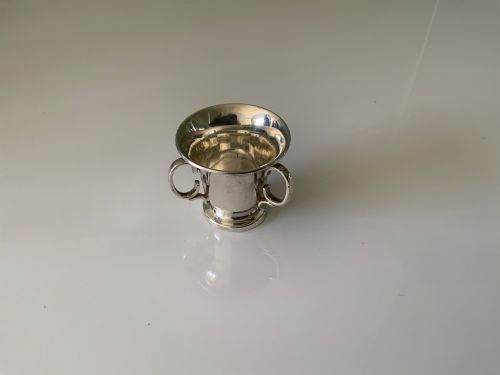
- A large drinking vessel with multiple handles intended for communal use. Miniature versions also occur in silverwork.
- Vesta case
- A small pocket-sized box with a striking surface designed to hold and protect matches. They often feature spring-loaded flip tops and engraved decoration.
Victorian Solid Silver: Frequently Asked Questions
How do I clean solid silver?
Clean silver using a soft cloth and dedicated silver polish designed to remove tarnish without abrading the metal surface. Avoid harsh chemical dips that strip away desirable patination from recessed areas.
Store pieces away from rubber, damp environments and direct sunlight to minimise future oxidation and preserve any original velvet or silk linings.
What is a novelty silver piece?
Novelty silver refers to items fashioned into whimsical shapes, such as animal creamers, bird figures or miniature furniture, rather than standard utilitarian forms. Victorian smiths excelled at these playful designs, which functioned as conversation pieces on the dining table.
Many of these objects doubled as practical containers for salt, sugar or matches despite their sculptural appearance.
How do I read silver hallmarks?
Hallmarks consist of a series of stamped symbols indicating the standard of purity, the assay office where the piece was tested, and a date letter corresponding to the year of manufacture. Additional marks often show the registered stamp of the maker or sponsor.
These tiny impressions provide the primary evidence for dating an item accurately and tracing its geographical origin.
Can I use antique silver daily?
Many solid silver items, such as napkin rings, spoons and cutlery sets, remain robust enough for regular use at the dining table. Hand washing with mild soap and warm water prevents damage from modern dishwashers.
Fragile novelty pieces, hollowware with thin walls, or items with delicate gilt washes are better suited for display and occasional handling.