




Victorian Slatted Back Chair
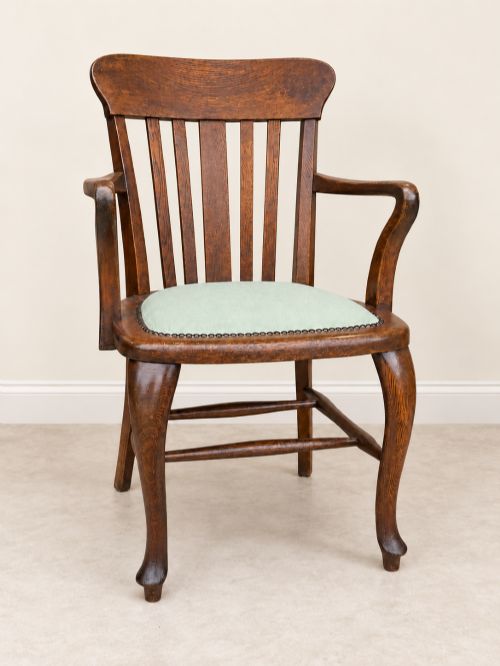
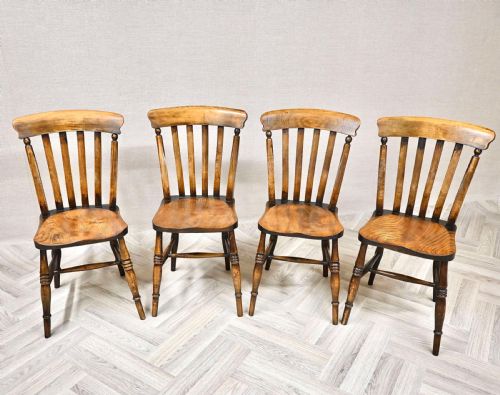
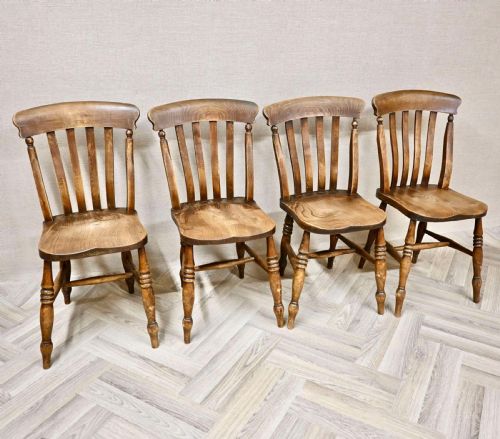
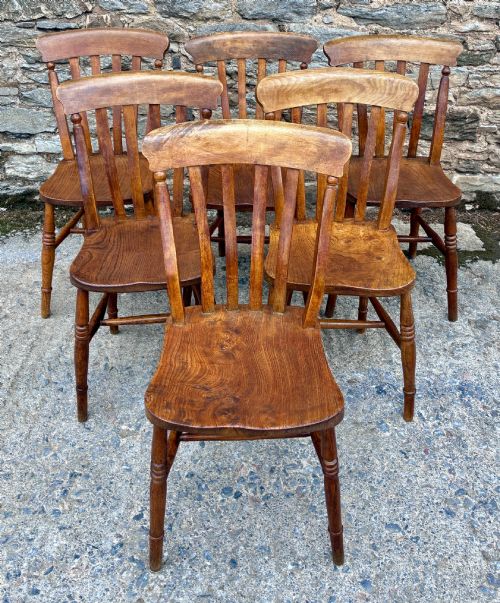
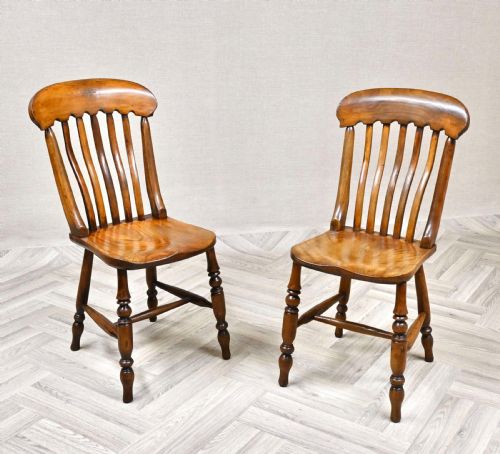
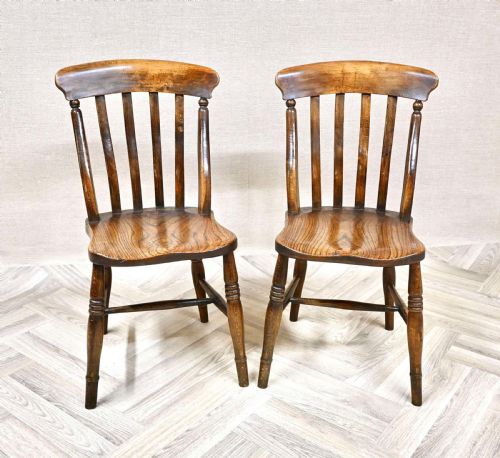
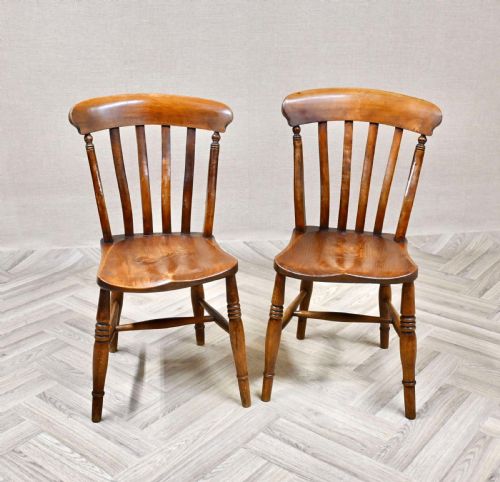
A victorian slatted back chair brings honest vernacular timber and sturdy joinery straight into a modern dining room or kitchen.
Victorian Slatted Back Chair
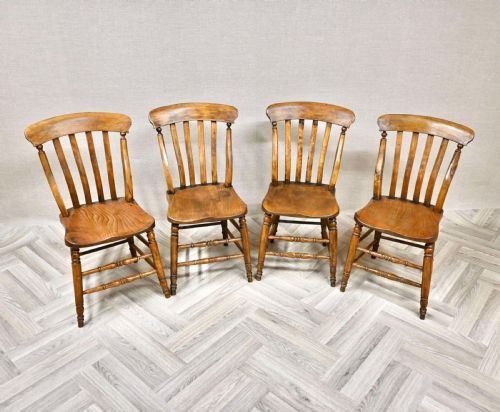
When searching for a victorian slatted back chair, a buyer encounters solid wood seating rooted in nineteenth-century domestic and farmhouse traditions. These pieces appear most frequently as kitchen dining chairs, Windsor armchairs, and lath backs shaped for everyday utility.
The selection spans nineteenth-century vernacular pieces alongside Edwardian examples, featuring rush, leather, and timber seats. Forms range from simple side chairs to robust fireside armchairs built from regional hardwoods.
How they were made
Maker workshops built these chairs using a combination of turned spindles and bentwood elements, pairing elm seats with ash, beech, or walnut components. Turners shaped the legs and stretchers on lathes before assembling the frames with traditional joinery.
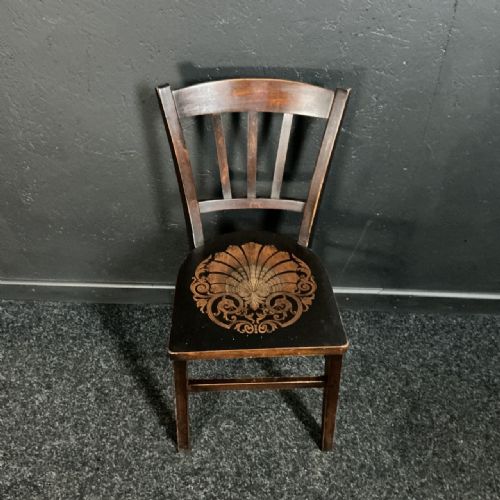
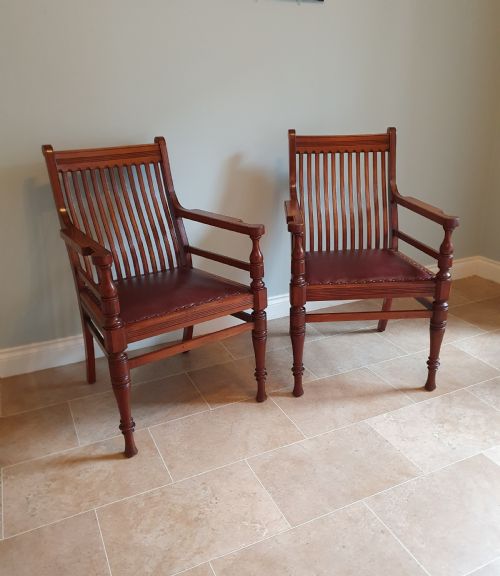
Surfaces often show natural grain finishes or ebonised treatments, while seating areas integrate solid timber planks, woven rush, or upholstered leather inserts.
Listings feature nineteenth-century and Edwardian pieces constructed from elm, beech, ash, oak, and walnut, alongside rush and leather seats.
What varies in quality
The distinction between standard utility seating and finer examples rests on timber selection and structural integrity. Chairs combining elm seats with contrasting ash or beech spindles display greater regional craftsmanship.
Original surface patination and uncompromised joinery distinguish pieces that retain their character from those altered by extensive restoration or replacement parts.
James Shoolbread·E W Godwin
The Victorian Slatted Back Chair Glossary
- Windsor
- A traditional chair construction featuring a solid wooden seat into which the legs, back spindles, and bow are separately dowelled. This method provides robust support without requiring heavy framing.
- Lathe back
- A chair back constructed with horizontal or vertical flat wooden slats secured between a top rail and the seat. These slats offer sturdy back support.
- Rush seat
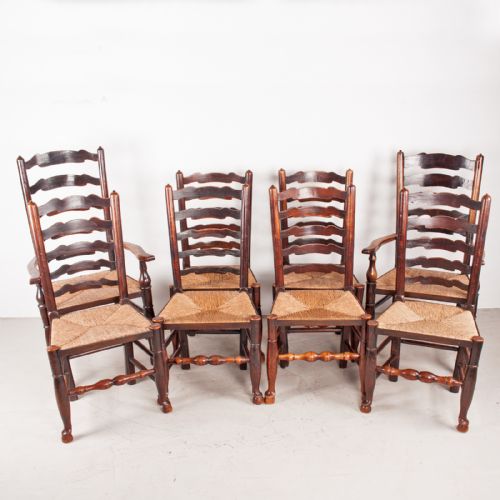
- A seating surface woven from dried marsh reeds or rushes around a wooden frame. This technique creates a textured, flexible pad common in vernacular seating.
- Ebonised
- Wood treated with a chemical stain or black finish to imitate ebony. This process was popular during the nineteenth century for decorative effect.
- Vernacular
- Objects designed by regional makers for practical local use rather than high-style metropolitan production. These pieces reflect traditional local building methods.
Victorian Slatted Back Chair: Frequently Asked Questions
How do I clean a rush seat?
Gently brush away dust using a soft-bristled brush, avoiding excessive moisture that can weaken natural reed fibres over time.
Keep the room humidity stable to prevent the dried marsh reeds from becoming brittle or cracking.
Are these chairs suitable for daily dining?
Most nineteenth-century kitchen and Windsor chairs were built for heavy domestic use, making them durable for regular seating at a modern table.
Check that the leg joints and under-framing remain rigid before putting them into daily service.
What is the difference between a lath back and a Windsor?
A lath back utilises flat wooden slats for the back support, whereas traditional Windsors frequently employ rounded spindles radiating from a solid seat.
Both styles share the same underlying construction method of inserting components directly into a thick wooden seat.
Can I mix different wood tones around a table?
Mixing elm, ash, and beech pieces creates an authentic farmhouse aesthetic that reflects how regional households accumulated furniture over generations.
Matching the approximate scale and height matters more for comfort than uniformity in wood species.