
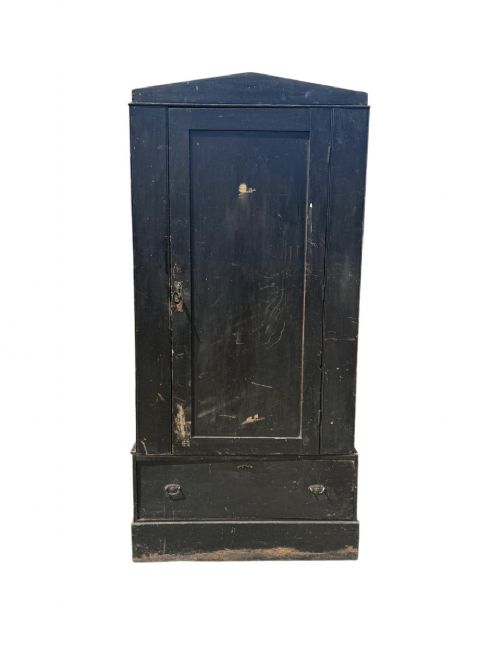
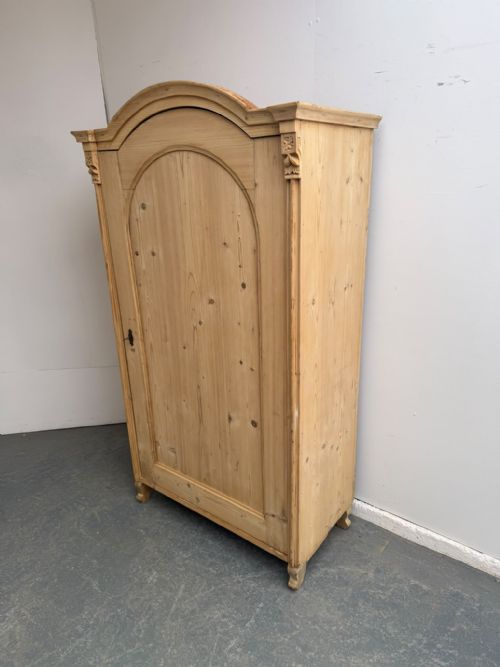
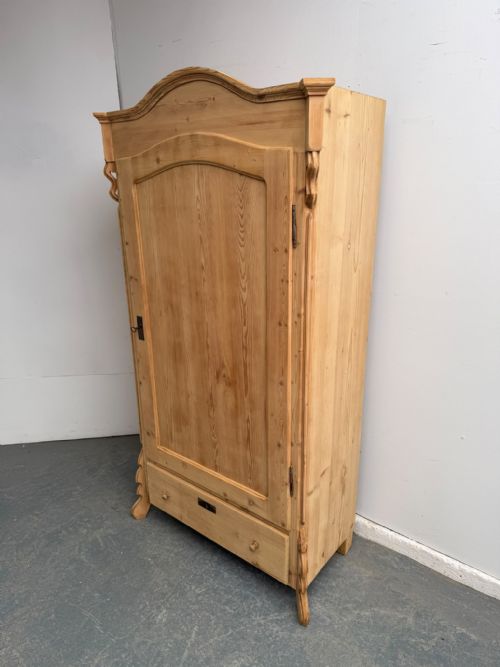
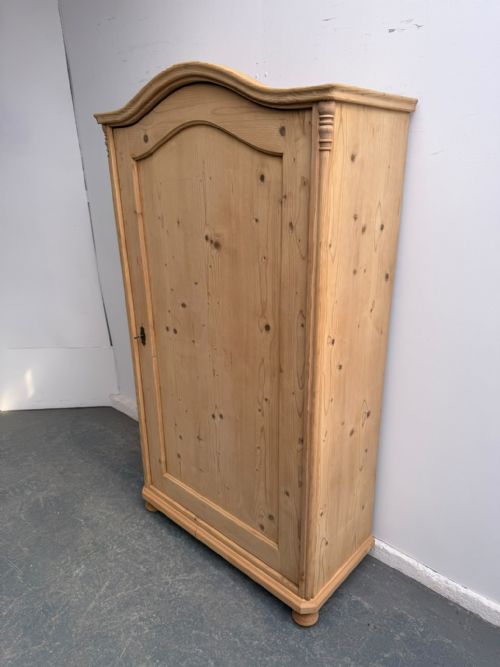
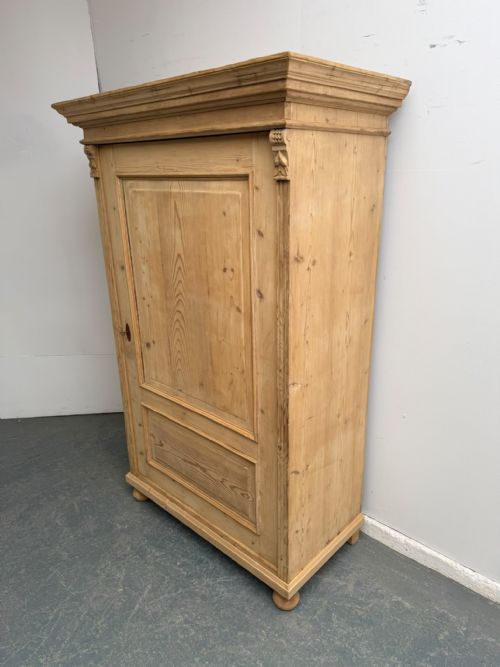
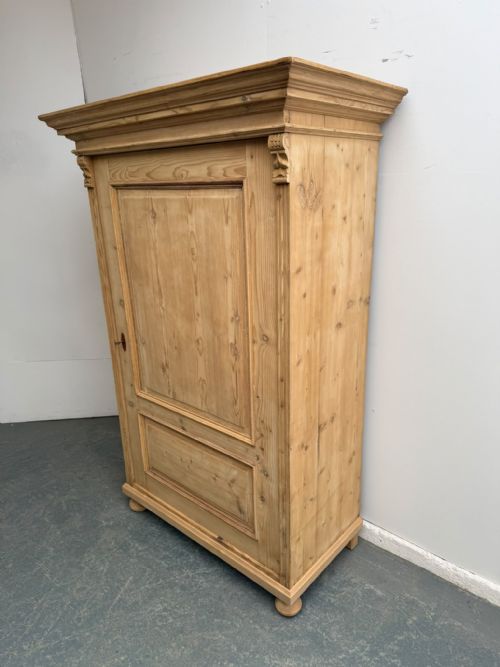
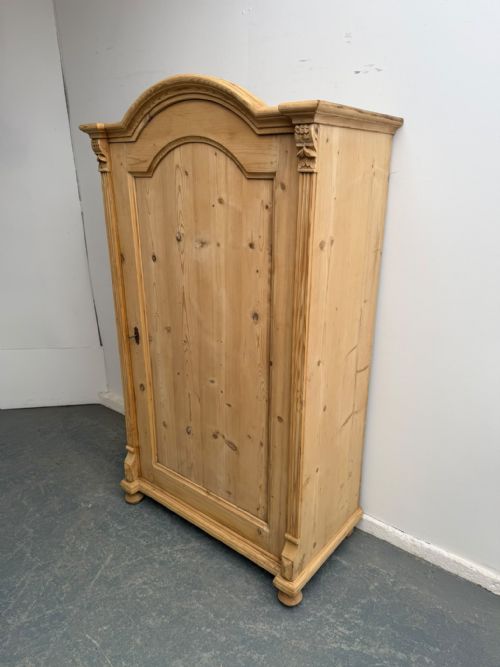
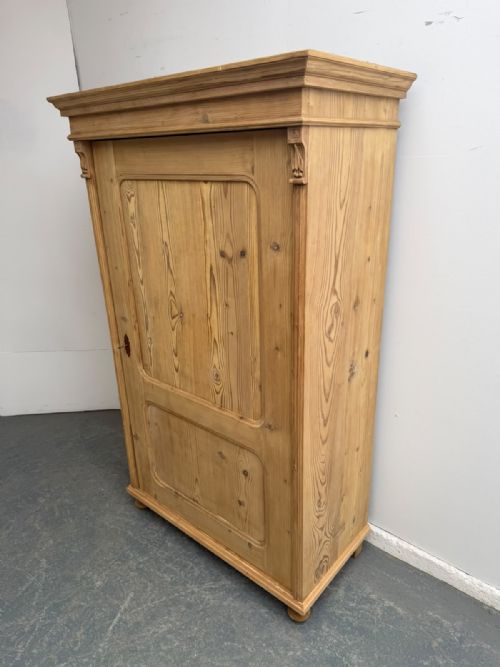
Victorian Single Door Wardrobe
When you search for a victorian single door wardrobe, you uncover tall, narrow timber storage designed to fit tight bedroom spaces.
Victorian Single Door Wardrobe
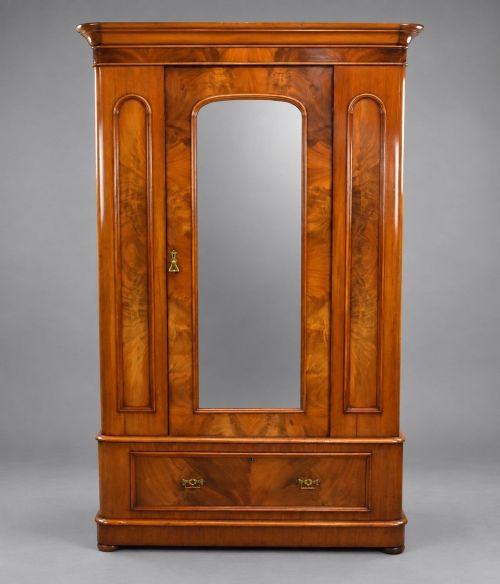
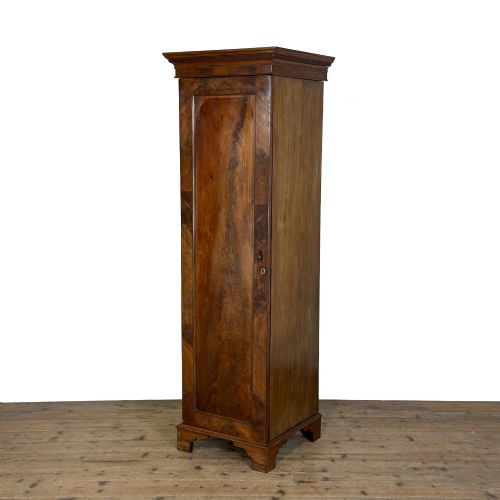
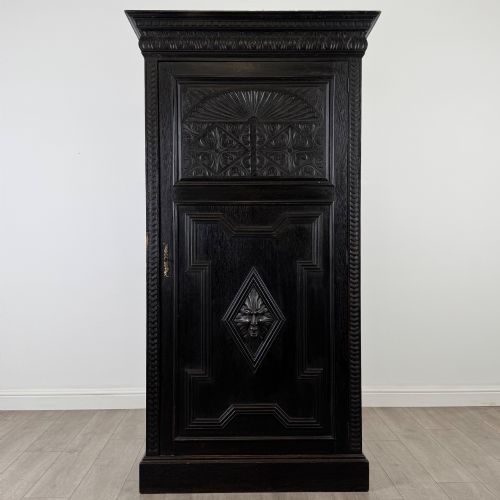
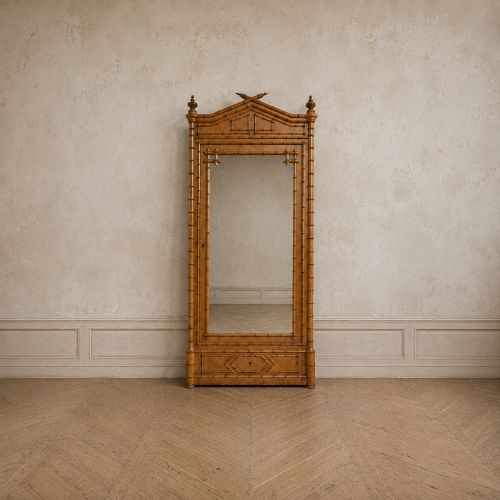
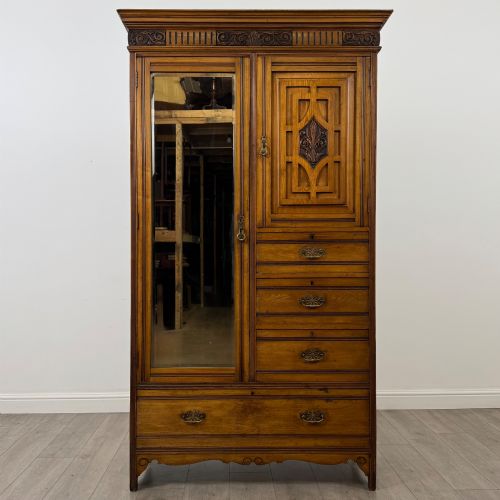
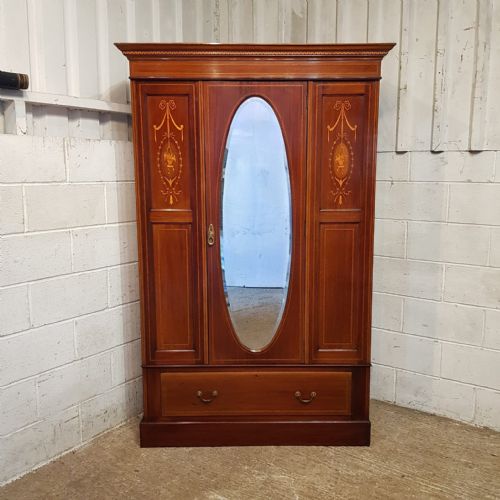
A victorian single door wardrobe provides compact clothing storage in a tall timber carcase. These pieces address the spatial demands of smaller bedrooms, offering hanging space and frequently a drawer in the base.
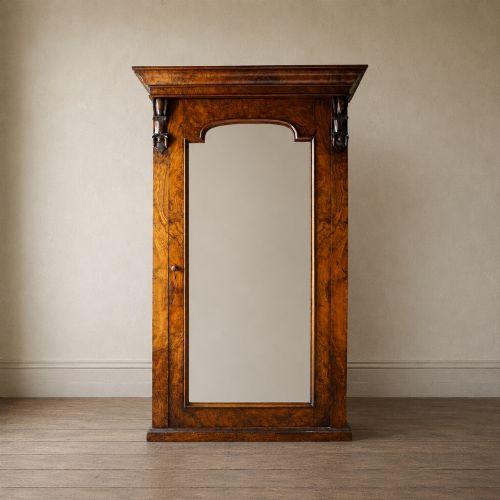
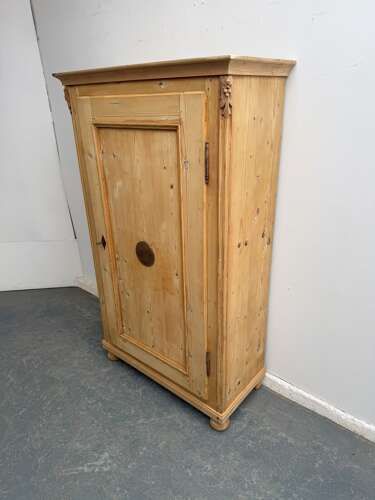
The materials span resilient pine, rich mahogany, walnut, ash, and oak. Pieces emerge in straightforward rural workshop builds or refined urban iterations carrying mirrors and carved details.
The selection here encompasses straightforward pine storage cupboards and panelled mahogany designs alongside occasional mirrored examples. Such variations reflect the original domestic setting, from country farmhouse to townhouse.
Materials and Construction
Carpenters constructed these wardrobes primarily from solid native and imported timbers, utilising pine for regional domestic cupboards and mahogany, walnut, or ash for grander urban chambers. Carcases rely on stable frame-and-panel joints to accommodate seasonal wood movement.
Secondary elements include cast iron or brass hanging hooks, iron hinges, and glass mirror plates inset into doors. Drawer bases utilise straightforward tongue-and-groove jointing, while decorative touches range from simple waxed finishes to marquetry inlay and carved panels.
Some pine cupboards arrive bearing faint traces of forgotten childhood height charts pencilled inside the door.
Distinctions in Execution
Quality rests in the selection of timber and the precision of the joinery rather than mere ornamentation. Dense, well-figured mahogany or clean, knot-free pine indicates superior material selection by the maker.
The integrity of the door hinges and the alignment of the single door demonstrate workshop competence. Superior examples maintain smooth operation without sagging under the weight of the timber or an inset mirror plate.
Gillows of Lancaster
The Victorian Single Door Wardrobe Glossary
- Compactum
- A multi-functional wardrobe combining hanging space, drawers, and sometimes shelves within a single unit. This layout maximises internal organisation for smaller rooms.
- Fielded panel
- A wooden panel with bevelled edges set into a recessed frame. This construction technique allows the wood to expand and contract naturally with humidity changes.
- Marquetry
- The art of applying small pieces of veneer to a structure to form decorative patterns. Craftsmen utilise various coloured woods to create intricate surface designs.
- Arched
- Describing a structural top profile curving upward toward the centre. This architectural shape appears frequently on regional pine cupboards.
- Skeleton cupboard
- A simplified framework design lacking solid panelled doors, often utilised for specific linen or utility storage.
Victorian Single Door Wardrobe: Frequently Asked Questions
Will a standard coat hanger fit inside?
Many early wardrobes feature front-to-back pull-out metal rails rather than traditional sideways hanging bars. This accommodation arose because the internal depth of narrow single-door carcases proved too shallow for modern angled coat hangers.
Buyers planning daily clothing storage should verify the internal depth measurements before purchase. Deeper mahogany and ash variants often accommodate sideways hanging more readily than shallow pine cupboards.
How do I secure the single door?
Most pieces rely on original brass or iron mortice locks operated by a skeleton key. The single door must align precisely with the frame for the latch to engage the keeper.
Adjusting the floor level beneath the piece often resolves minor door alignment issues. Periodic checks of the hinge screws prevent the heavy door from pulling away from the timber carcase.
Can these wardrobes be dismantled for moving?
Solid carcases constructed in regional workshops typically remain fixed as single rigid units. Urban pieces made from mahogany or walnut occasionally feature pegged knockdown frames designed for assembly in upper-floor bedrooms.
Buyers should examine the corner joints and cornices to determine if the carcase separates from the base drawer section. Transporting rigid pine or oak cupboards requires sufficient clearance for the full height and depth.
How do I care for a waxed pine finish?
Waxed pine surfaces require occasional applications of natural beeswax to nourish the dry timber and maintain a soft sheen. Avoid placing these pieces near direct heat sources or damp walls to prevent timber splitting or warping.
Regular dusting with a dry cloth protects the wax layer from abrasive grit. Refrain from using modern silicone sprays, which penetrate the open grain and damage the historic finish.