



Victorian Silvered Wall Mirror
A victorian silvered wall mirror brings deep light and grand scale into a room, shaped by nineteenth-century craftsmanship.
Victorian Silvered Wall Mirror
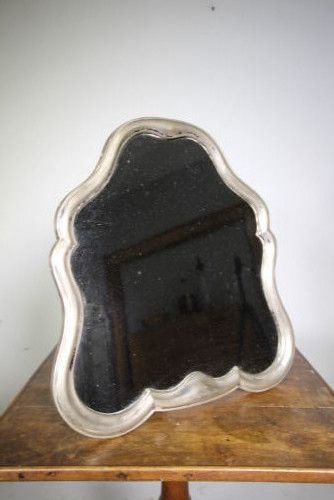
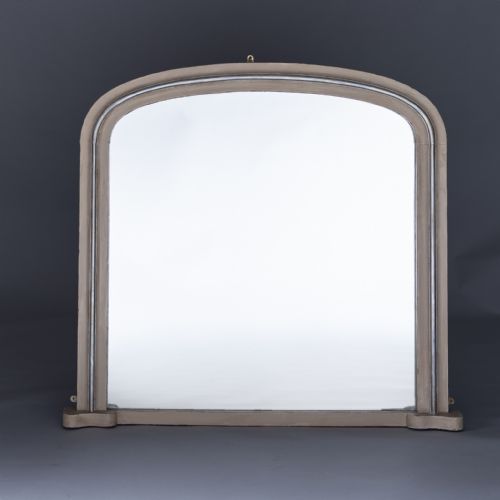
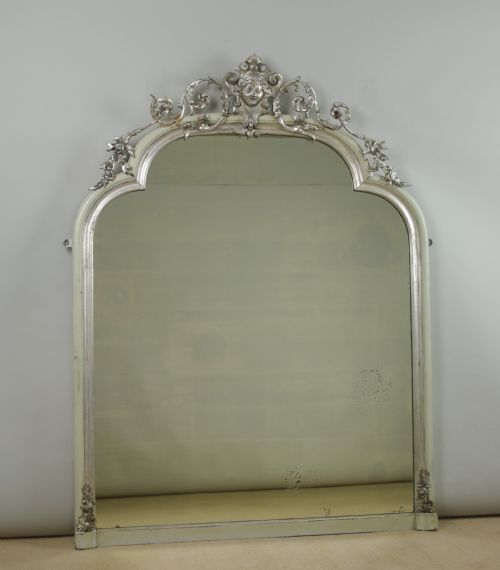
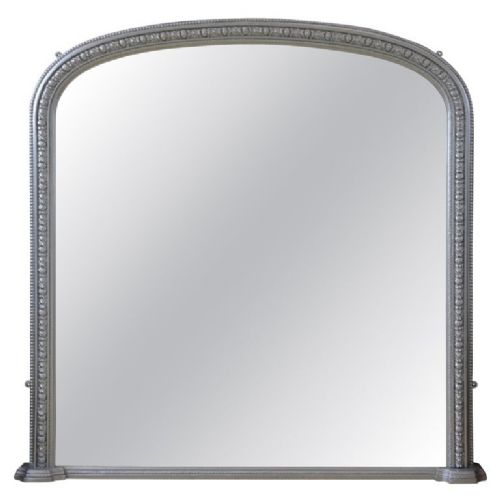
When searching for a victorian silvered wall mirror, buyers encounter substantial pieces designed to anchor a principal room, often functioning as overmantle mirrors above a fireplace. These furnishings span the nineteenth century, with origins stretching from English workshops to Venetian glasshouses, embodying styles such as Rococo Revival, Louis Philippe, and the Aesthetic Movement.
The dominant form on this page is the large overmantle mirror, built to reflect light and expand the apparent proportions of Victorian interiors. Alongside these grand architectural pieces, smaller wall mirrors and specialty items like painted or parcel-silvered archtop frames appear in the selection.
Makers and craftsmen of the period utilised various framing techniques, combining wood, gesso, and glass to create lasting decorative impact. Whether simple in design or heavily ornamented with silver gilt and ebonised details, each example reflects the distinct aesthetic preferences of the nineteenth century.
Materials and construction methods
Makers built these frames using timber cores overlaid with gesso and intricate mouldings, providing a stable base for silver leaf, paint, or gilding. The application of silvered and mirror glass created deep, reflective surfaces essential for nineteenth-century interior illumination.
Details such as bevelled edges, brass fittings, and ebonised highlights required precise handwork by period artisans. These traditional construction methods ensured that large overmantle frames could support the heavy glass panels safely.
Among the stately wall mirrors and grand overmantles, a lone nineteenth-century mercury barometer keeps quiet watch over the collection.
Distinctions in craftsmanship and design
The division between standard commercial production and finer work rests on the crispness of the gesso mouldings and the depth of the silver leaf application. Superior examples demonstrate careful attention to framing proportions and harmonious integration of silver and gilt finishes.
The integrity of the original glass and fittings significantly influences the character of a piece. Mirrors retaining their authentic backboards, original mercury or early silvered glass, and period hanging hardware represent the higher tier of surviving examples.
The Victorian Silvered Wall Mirror Glossary
- Overmantle mirror
- A large mirror specifically designed to hang or rest upon the mantelpiece above a fireplace. These pieces dominated nineteenth-century reception rooms.
- Silver gilt
- A decorative technique where thin leaves of silver or gold are applied to a prepared surface. This finish creates a dual-toned metallic sheen often seen on Victorian frames.
- Gesso
- A plaster-like mixture applied to wood frames and carved into ornate decorative patterns before gilding or painting. It provides the raised relief work characteristic of the period.
- Parcel-silvered
- A finish where only specific portions of a frame receive silvering, leaving the underlying wood or paint exposed elsewhere. This highlights carved details and architectural mouldings.
- Venetian origin
- Glass or mirrors imported from or styled after the traditional workshops of Venice. These pieces frequently feature intricate glasswork and distinctive regional proportions.
Victorian Silvered Wall Mirror: Frequently Asked Questions
Where should I hang a large overmantle mirror?
These large mirrors are traditionally placed directly above a drawing room fireplace to bounce natural light around the space. They also function effectively on principal living room walls when secured properly to wall studs.
Because of their substantial weight and height, professional installation using appropriate hardware is essential for safety. Placing them opposite a window maximises their ability to brighten dark corners.
How do I care for antique silvered glass?
Cleaning requires a soft, dry microfiber cloth to remove dust without disturbing the delicate surface of the glass. Avoid commercial liquid cleaners, which can seep behind the silvering and cause irreversible staining.
Keep these mirrors away from direct moisture and humid environments to protect the fragile backing. Gentle handling preserves both the original glass and the surrounding gesso frame.
What is the difference between silvered and gilt finishes?
A silvered finish uses silver leaf or alternative metallic applications to achieve a cool, reflective tone. Gilt finishes use gold leaf to produce a warm, luminous appearance.
Many nineteenth-century frames combine both techniques, featuring silvered main bodies accented with gilt mouldings. This dual approach adds depth and catches changing room light effectively.
How can I tell if a mirror is Victorian?
Examine the construction of the frame, the backing boards, and the type of glass used. Nineteenth-century pieces often feature hand-bevelled glass, dense timber frames, and period fixings.
Stylistic cues such as Rococo Revival curves or Aesthetic Movement simplicity help anchor the piece within the 1800s. Original backboards and old hardware provide further confirmation of age.