

Victorian Silver Watch Fob
A victorian silver watch fob brings tangible history to a waistcoat, dangling medals, seals, and charms from a solid metal chain.
Victorian Silver Watch Fob
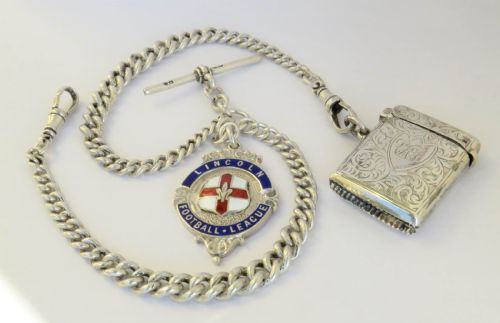
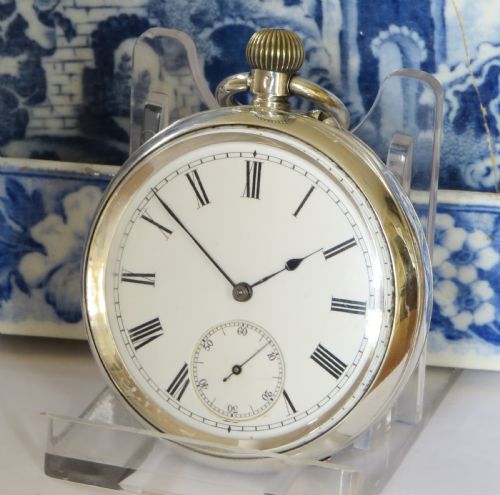
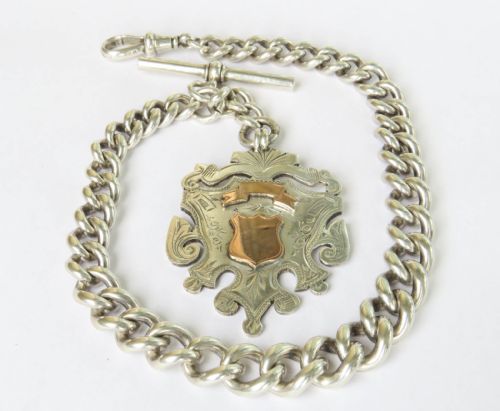
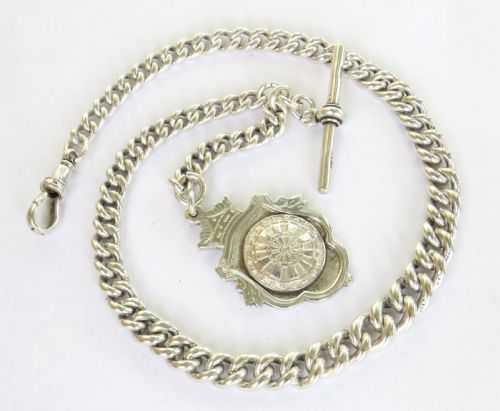
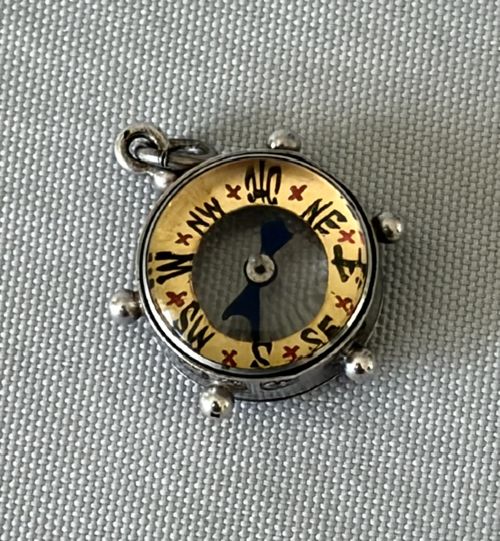
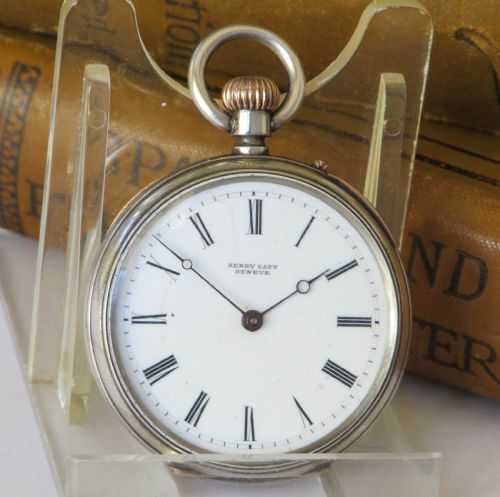
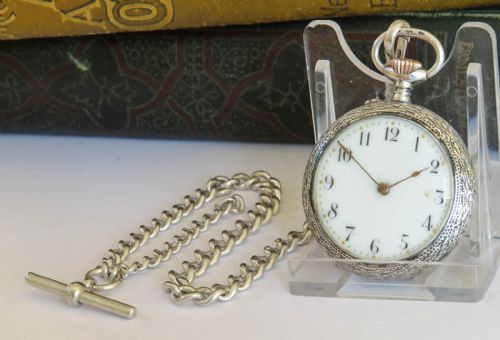
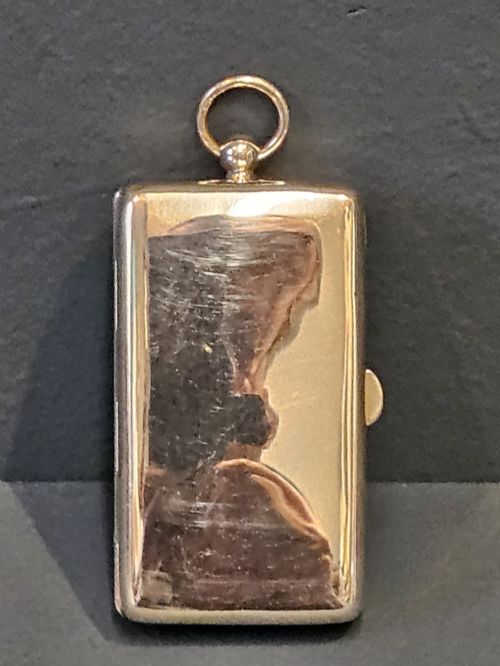
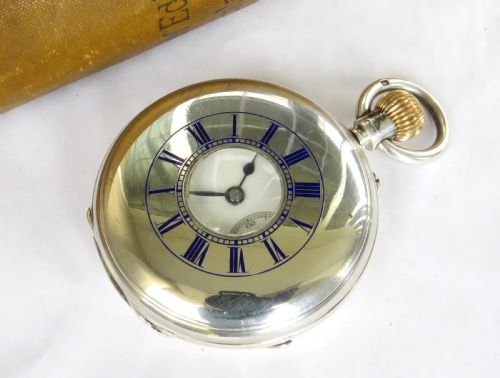
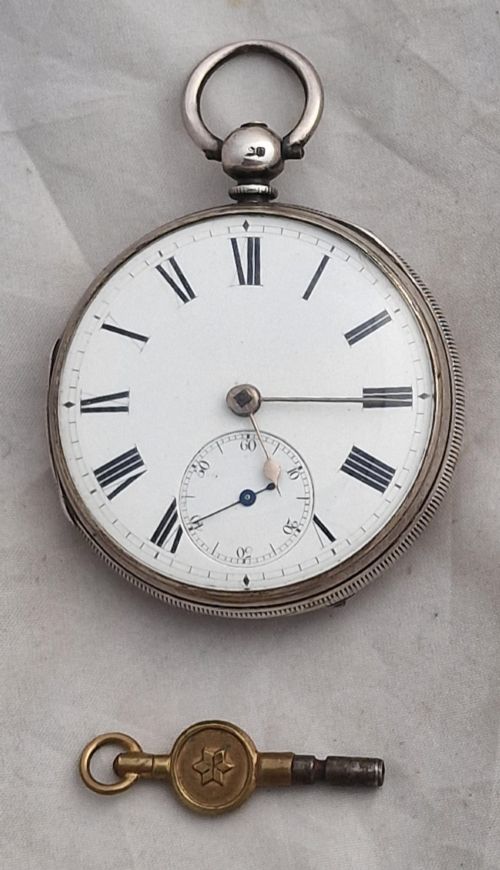
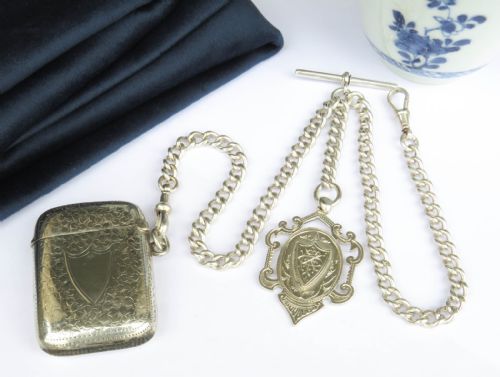
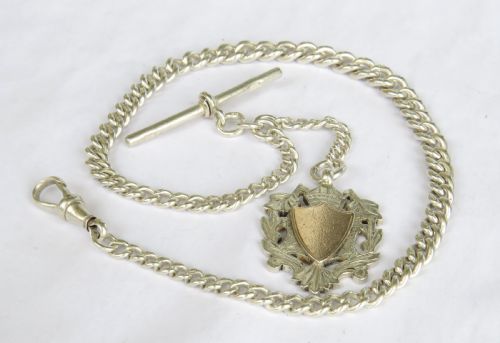
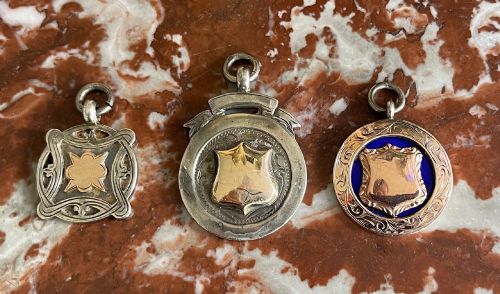
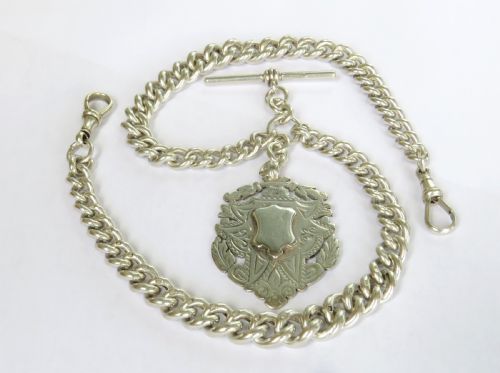
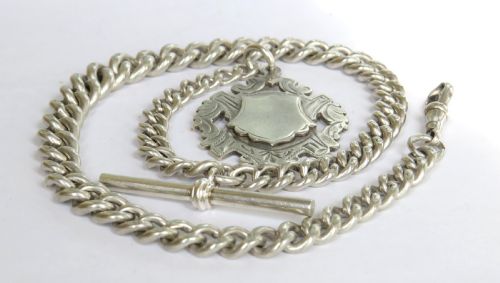
A victorian silver watch fob encompasses the decorative pendants, medallions, and seals suspended from pocket watch chains during the nineteenth century and subsequent early decades. You will frequently encounter these items attached to robust albert chains, often paired with vestas, whistles, or sports medals.
The objects themselves range from simple swivel seals and coin mounts to intricate sporting medallions, enamel shields, and figural charms like pigs and bugles. Many items survive alongside their original silver links and T-bars, forming complete assemblages designed for daily pocket wear.
Originating predominantly from British assay offices with provincial or London hallmarks, these pieces reflect the personal milestones, club memberships, and aesthetic preferences of their Victorian and Edwardian owners.
Materials and construction
Silversmiths utilised sterling silver alongside base metals for structural strength, occasionally incorporating gold accents, brass, and steel components for contrast. Medallions and fobs frequently feature vitreous enamel work, displaying coloured details that remain remarkably vivid.
Components were cast, stamped, or hand-engraved, utilising techniques such as engine-turning and chased ornamentation to create textured surfaces on shields and swivel seals. Hardstones like bloodstone and tiger's eye were cut, polished, and bezel-set into rotating swivel mounts.
Victorian Silver Watch Fob Retail Price Guide 2026
Typical asking prices for victorian silver watch fob among the pieces listed under this phrase on Sellingantiques today, from the lower quarter to the upper quarter. They describe what is for sale here now, not the wider market.
Some lucky chains keep watch alongside tiny silver pigs, bugles, and ivy leaves dangling from split rings.
Quality differences
Quality rests in the crispness of the chasing, the depth of the hallmark stamps, and the structural integrity of jump rings and swivel mechanisms. Pieces featuring hand-engraved monograms or detailed figural work demonstrate greater artisanal skill than mass-produced stamped alternatives.
The preservation of original components, such as intact enamel without chipping and securely set hardstones, elevates an example. Weight and gauge of the accompanying silver links also dictate the substantial feel of the complete piece.
Hamilton and Inches·Kendal and Dent·Hinds London·Longines·Sir John Bennett·Waltham
The Victorian Silver Watch Fob Glossary
- Albert chain
- A chain attached to a pocket watch, designed to pass through a waistcoat buttonhole and secure via a T-bar. Single albert chains feature one drop, while double versions span two pockets.
- T-bar
- The crossbar fixed to the centre or end of a watch chain, slipped through a waistcoat buttonhole to anchor the chain securely.
- Hallmark
- An official stamp indicating the purity of the metal, the assay office of origin, and the year of manufacture.
- Fusee
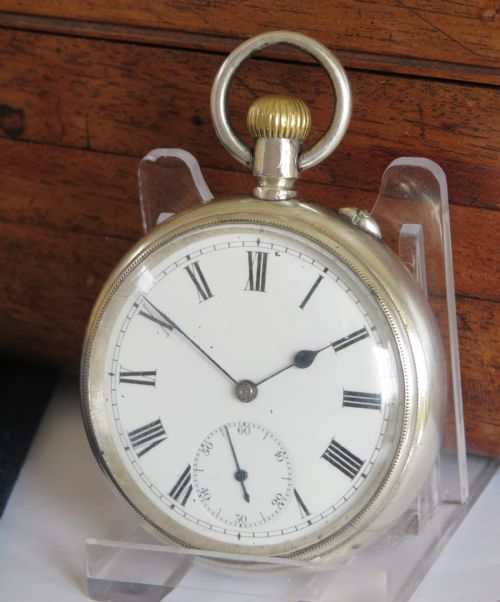
- A traditional mechanical movement utilising a conical pulley and chain to ensure even tension as the mainspring unwinds.
Victorian Silver Watch Fob: Frequently Asked Questions
What is a watch fob?
A watch fob is a decorative ornament or medallion attached to a pocket watch chain, hanging below the waistcoat buttonhole.
Originally used to help pull the watch from the pocket, these pieces evolved into miniature canvases for heraldry, sporting achievements, and personal mementos.
How do I wear a pocket watch chain?
The T-bar is inserted through a central buttonhole of a waistcoat, allowing the chain to drape across the front.
The pocket watch itself rests in one lower pocket, while the fob and any attached charms hang from the second drop or centre ring.
How do I date these silver pieces?
Dating relies primarily on the stamped assay office hallmarks, which include specific date letters corresponding to the year the item was tested and marked.
Stylistic cues such as Egyptian Revival motifs or Edwardian proportions also help narrow down the period of manufacture.