
Victorian Silver Tea
Victorian silver tea pieces bring the ceremony of the nineteenth-century parlour into the present room through polished metal and fitted boxes.
Victorian Silver Tea
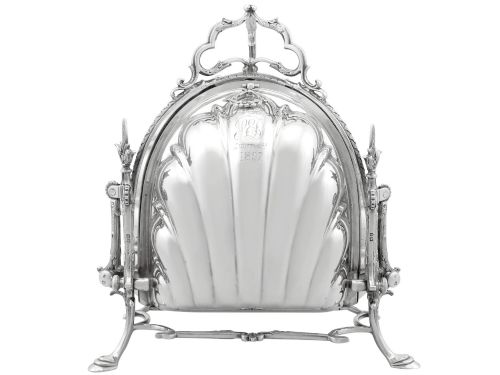
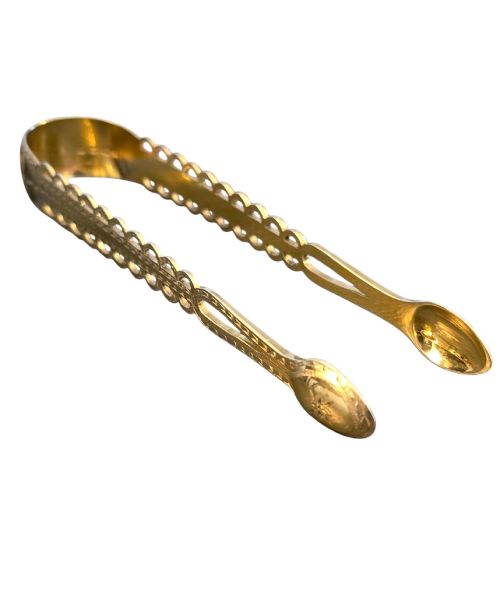
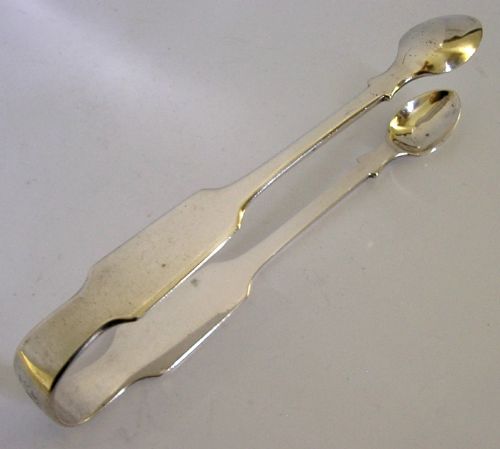
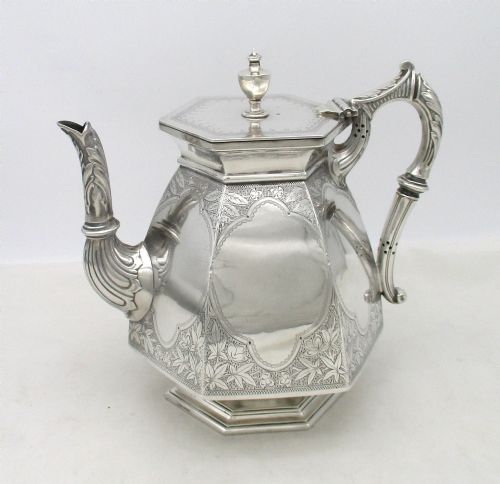
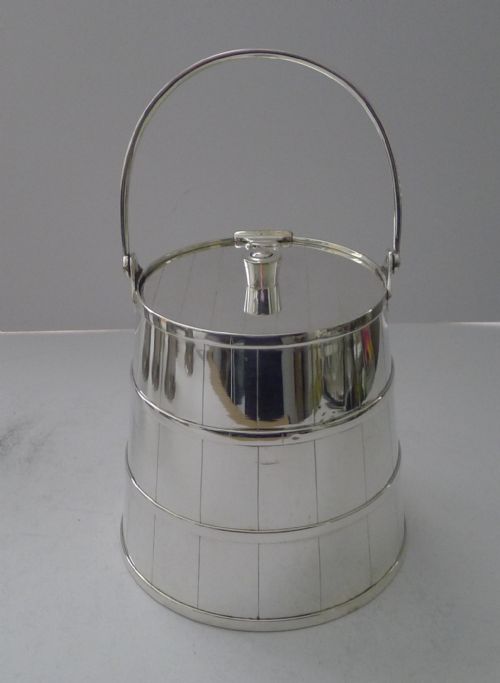
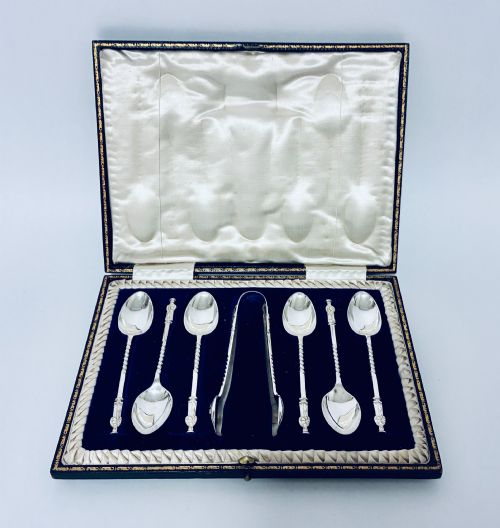
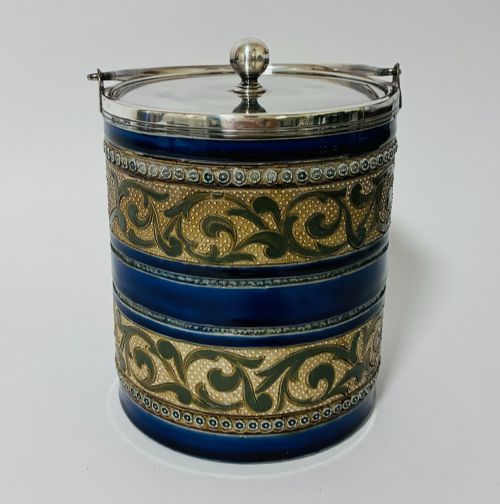
Victorian silver tea items encompass everything needed for the formal serving of afternoon infusions, ranging from solid caddies and teapots to sugar tongs, cream jugs, and silver-mounted biscuit barrels.
The objects stem predominantly from the nineteenth and early twentieth centuries, capturing shifts in design from heavy rococo revival curves down to restrained late Victorian and Edwardian shapes.
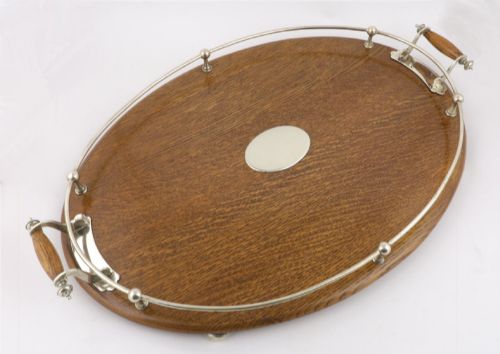
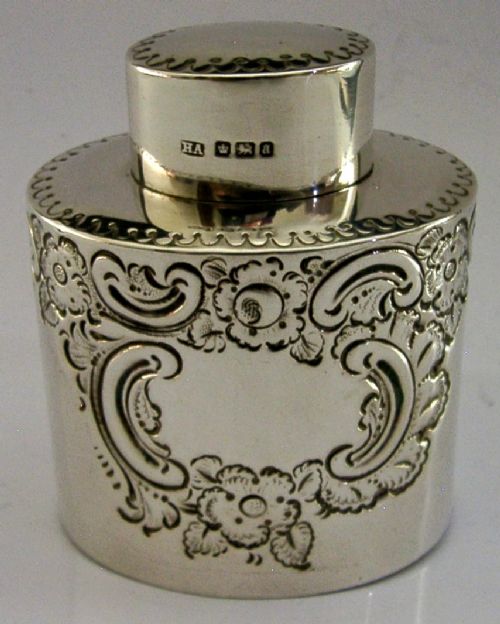
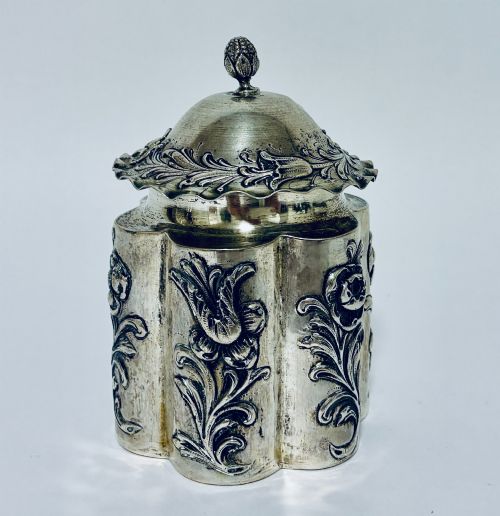
Buyers commonly encounter individual tea caddies alongside larger matching tea sets, often supplemented by associated serving trays, salvers, and specialised spoons.
How they were made
Silversmiths utilised sterling silver and electroplated nickel silver, shaping metal through hammering, casting, and piercing to achieve ornate relief patterns and structured bodies.
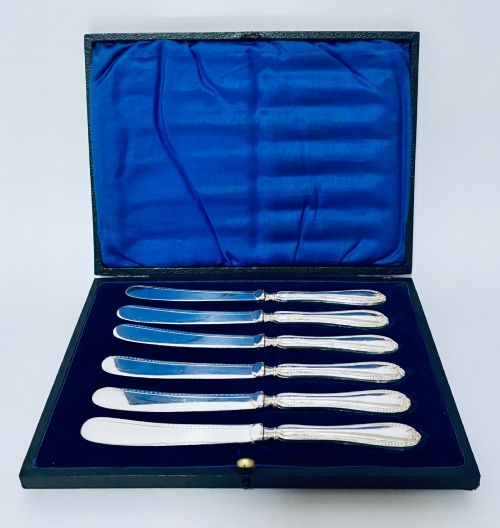
Many items incorporate supplementary elements such as wooden cores, ceramic inserts from potteries like Doulton Lambeth and Wedgwood, cut crystal glass, and velvet or silk linings.
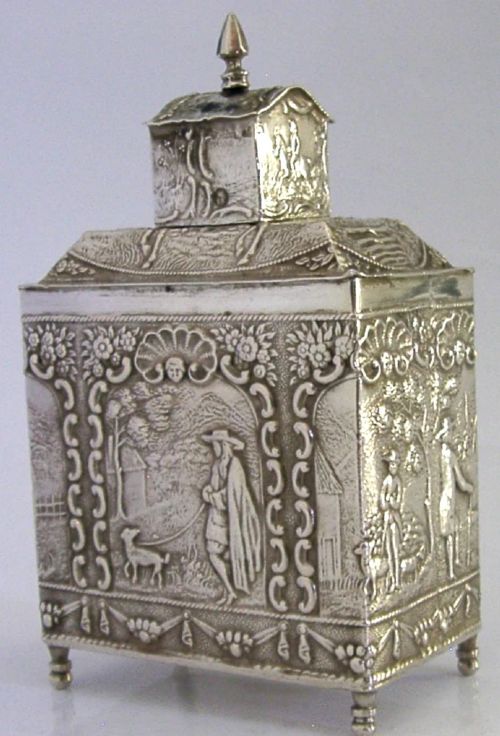
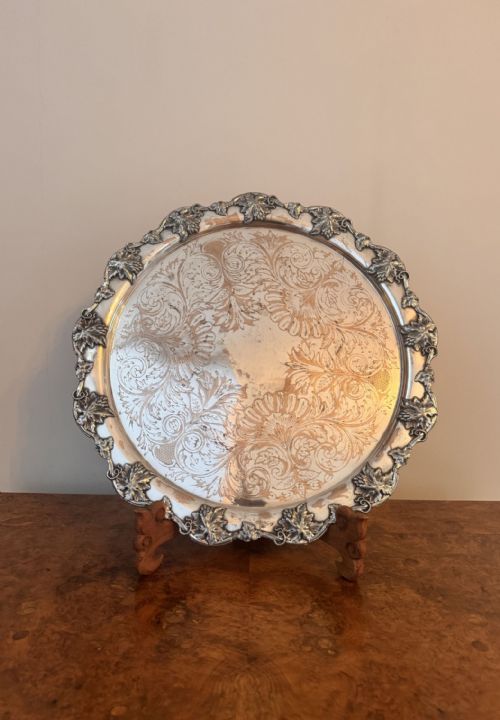
Surface decoration relied on hand engraving, embossing, and applied mounts, creating textured motifs like lion masks, basket-weave patterns, and naturalistic flora.
Listings feature items spanning the Victorian, Edwardian, and Georgian eras, executed in sterling silver, silver plate, and mixed media like oak.
What varies in quality
The standard of a piece rests upon the weight of the metal and the crispness of the chased or embossed ornament, where deep, hand-worked detailing outperforms shallow stamping.
Maker attribution elevates certain pieces, with recognised workshops and prominent silversmiths demonstrating superior proportion, balanced handles, and tightly fitting lids.
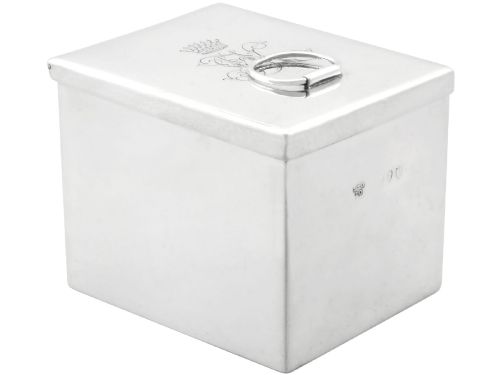
The integrity of the construction, from secure hinges on caddy boxes to intact interior gilding and well-preserved plating on base metals, defines the enduring grade of each item.
Martin Hall & Co·Mappin and Webb·Thomas Bradbury & Sons·Walker & Hall·Elkington & Co·The Goldsmiths & Silversmiths
The Victorian Silver Tea Glossary
- Sterling silver
- A silver alloy containing 92.5 percent pure silver by mass, standard for high-grade British plate and hollowware.
- Tea caddy
- A container designed to store dry tea leaves securely, often featuring a fitted lid and internal compartments.
- Electroplated nickel silver
- A base metal of copper, nickel, and zinc coated with a thin layer of silver through an electrolytic process.
- Caddy spoon
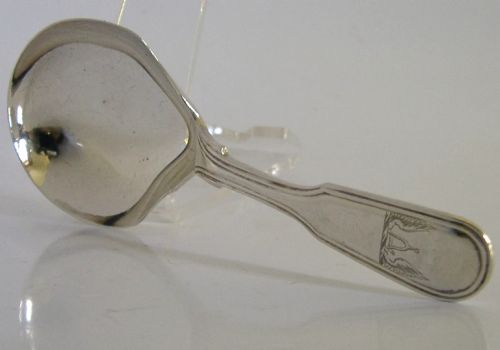
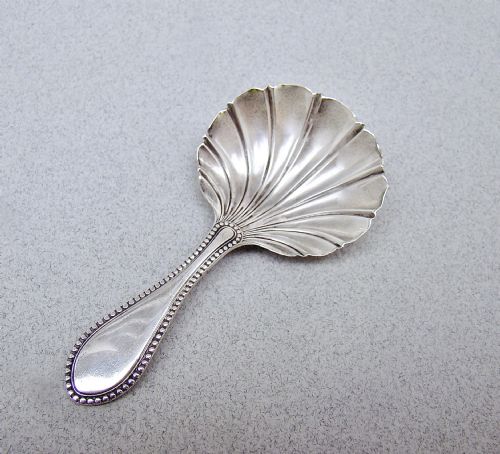
- A short-handled spoon specifically manufactured for measuring loose tea leaves from a caddy into a pot.
- Salver
- A flat metal tray used for presenting food, drinks, or visiting cards during formal domestic routines.
- Assay office
- An official body that tested precious metals and stamped items with hallmarks to verify purity and origin.
Victorian Silver Tea: Frequently Asked Questions
How do I clean antique silver tea pieces?
Maintenance requires gentle washing with warm water and mild soap, followed by drying with a soft cloth to protect the metal.
Avoid harsh abrasive pastes that wear down thin plating and soften the crisp edges of hand-engraved surface decoration over time.
Were silver tea sets used daily?
Most substantial sterling silver and plated sets saw deployment primarily during formal afternoon gatherings, receiving careful handling from household staff.
Smaller bachelor sets catered to more intimate domestic routines or single households where large gatherings were unnecessary.
How can I tell the period of a tea caddy?
Dating relies heavily upon stamped hallmarks, maker marks, and registry symbols that record the exact year an item cleared the assay office.
Stylistic shifts, such as heavy rococo revival ornamentation versus cleaner Edwardian lines, also indicate the era of manufacture.