




Victorian Silver Sweet Dish
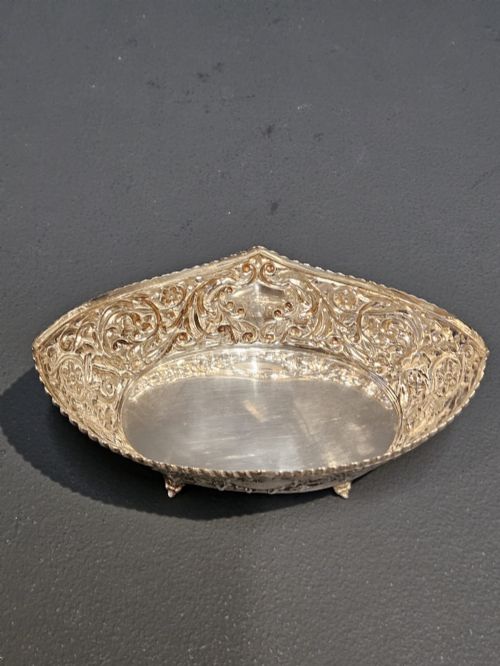
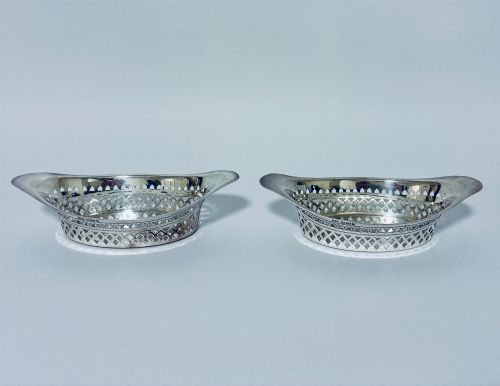
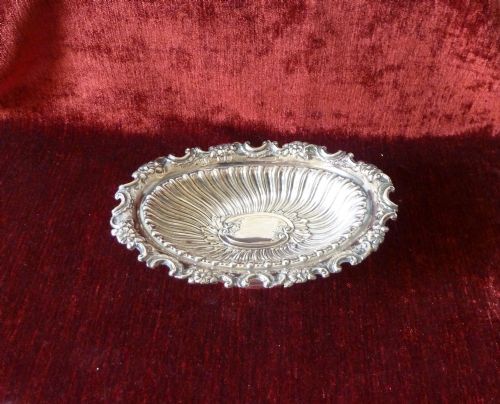
These Victorian silver sweet dishes are charming small receptacles for bonbons and preserves, prized for their delicate craftsmanship and period elegance.
Victorian Silver Sweet Dish
A Victorian silver sweet dish is a small decorative vessel designed for serving confectionery, bonbons, or preserves during formal dining and drawing-room gatherings. These items take various forms on this page, including bonbon dishes, sweet bowls, sweet stands, and preserve dishes.
Buyers will encounter sterling silver and silver-plated examples alongside combinations featuring cut crystal, cranberry glass, and pink opaque glass. Originating primarily from the nineteenth century, these pieces reflect the elaborate entertaining habits of the Victorian era.
How they were made
Silversmiths utilised sterling silver and silver plate to shape intricate baskets, pedestals, and bowls, often incorporating hallmarks to designate the assay office and year of production. Metalwork was frequently paired with blown glass, such as cut crystal and cranberry glass, to create textural contrast.
Techniques included silver gilding to provide rich interior surfaces within glass baskets, alongside specialised glass cutting for heavy crystal bowls. Certain designs reflect the distinct artistic influence of the Aesthetic Movement.
Victorian Silver Sweet Dish Retail Price Guide 2026
Typical asking prices for victorian silver sweet dish among the pieces listed under this phrase on Sellingantiques today, from the lower quarter to the upper quarter. They describe what is for sale here now, not the wider market.
What varies in quality
The distinction between standard and superior pieces rests on the weight of the metal, the crispness of the chasing or piercing, and the integration of materials. Pieces combining heavy cut crystal with solid sterling silver or silver gilt demonstrate greater substance.
Design attribution also elevates certain items, such as work associated with known designers like Dr Christopher Dresser and makers like Roberts and Belk. The clarity of the glass and the preservation of the original silver plating further differentiate individual examples.
Roberts and Belk
The Victorian Silver Sweet Dish Glossary
- Bonbon dish
- A small open vessel specifically intended for holding sweetmeats or sugar-coated confections. These items often feature pierced rims or swing handles.
- Silver gilt
- Silver that has been coated with a thin layer of gold on its surface. This technique imparts a warm golden hue to the interior of silver baskets and bowls.
- Cranberry glass
- A rich red glass created by adding gold chloride to the molten batch. It appears frequently in Victorian preserve dishes paired with metalwork.
- Sweet stand
- A raised vessel designed to elevate confectionery above the surface of the table. These pedestal forms showcase decorative metal and glass work.
- Cut crystal
- High-clarity glass shaped by deep mechanical or hand cutting to refract light. It provides a heavy, brilliant base for silver mountings.
Victorian Silver Sweet Dish: Frequently Asked Questions
What is a Victorian silver sweet dish used for?
These small dishes were utilised for serving bonbons, sweetmeats, and preserves during Victorian dining occasions and afternoon teas. They added a decorative touch to the table while holding small confectionery.
Over time, their usage shifted from formal dining accessories to decorative display items and collectable tableware appreciated for their period craftsmanship.
How can I tell the age of a silver sweet dish?
The age of a sterling silver dish can often be identified through official hallmarks stamped into the metal, which record the assay office, standard, and date letter. Stylistic indicators like Aesthetic Movement motifs also point to specific decades within the nineteenth century.
Associated materials such as cranberry glass and cut crystal further align with manufacturing periods documented across Victorian production.
What is the difference between sterling silver and silver plate?
Sterling silver denotes an object composed of solid silver meeting a specific legal purity standard, whereas silver plate involves a base metal coated with a thin layer of silver. Both materials were utilised in the manufacture of nineteenth-century sweet dishes.
Solid silver pieces bear hallmarks indicating their metal standard, while plated items rely on maker marks and manufacturing techniques associated with firms like Roberts and Belk.
How do I care for antique silver and glass dishes?
Maintenance involves gentle cleaning with appropriate silver polish to preserve the metal finish without wearing away finer details or gilt surfaces. Glass inserts should be washed separately in warm soapy water.
Displaying these pieces away from direct sunlight and excessive moisture helps protect both the delicate glass components and the underlying metalwork.