
Victorian Silver Scent
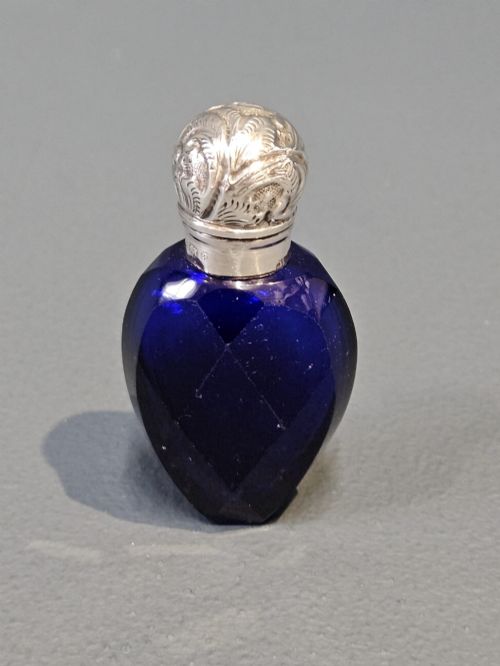
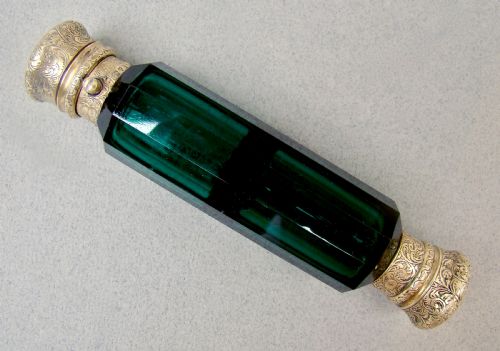
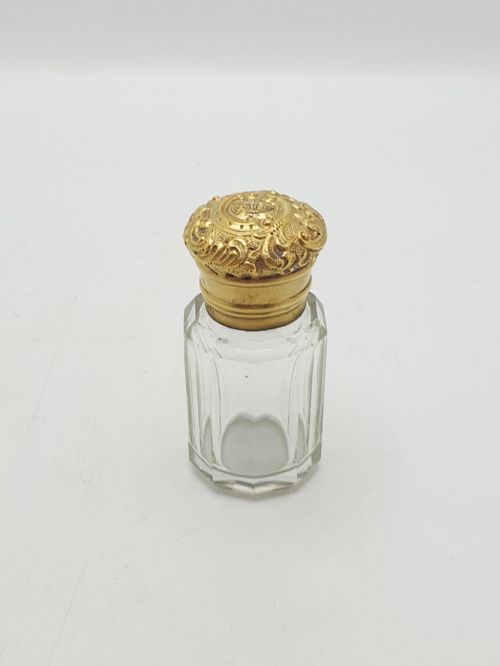
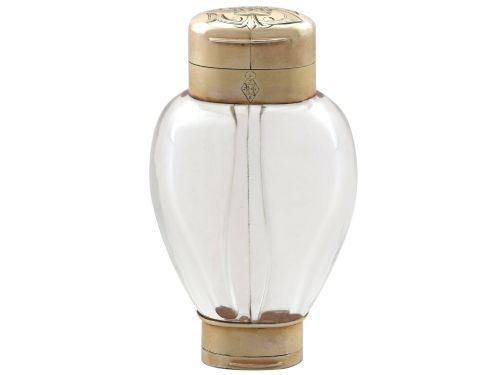
These victorian silver scent containers combine precious metalwork with coloured and clear glass, offering a portable piece of nineteenth-century luxury.
Victorian Silver Scent
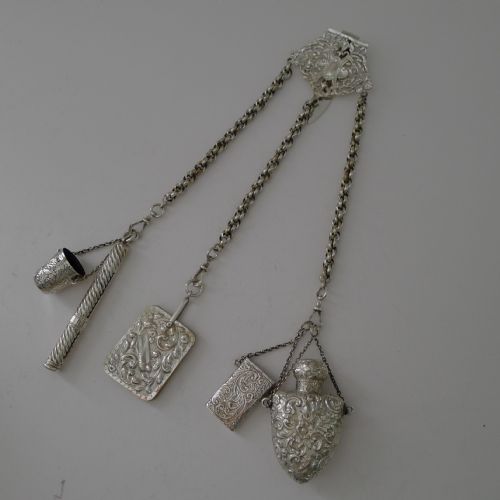
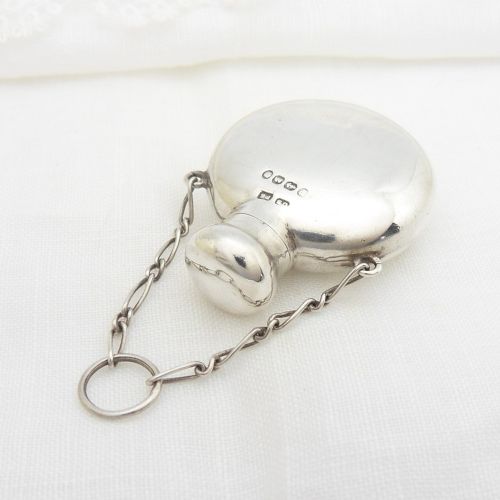
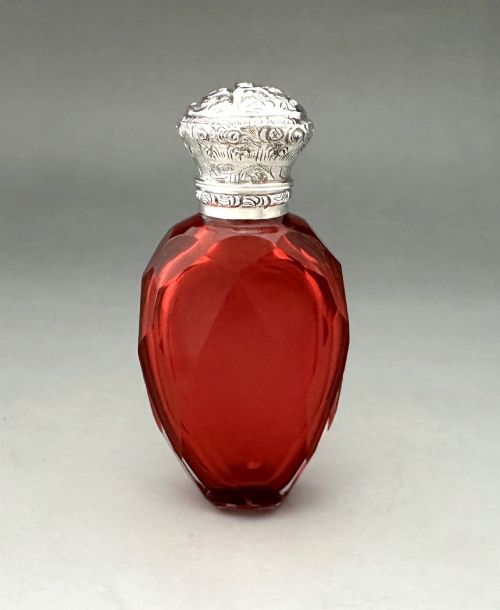
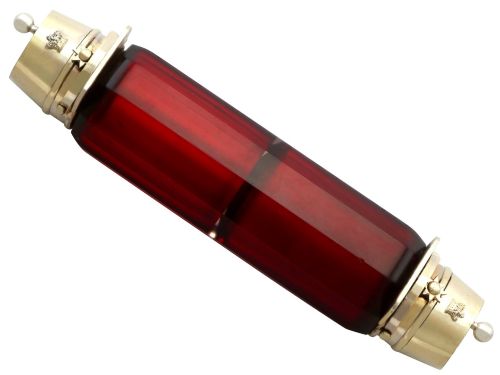
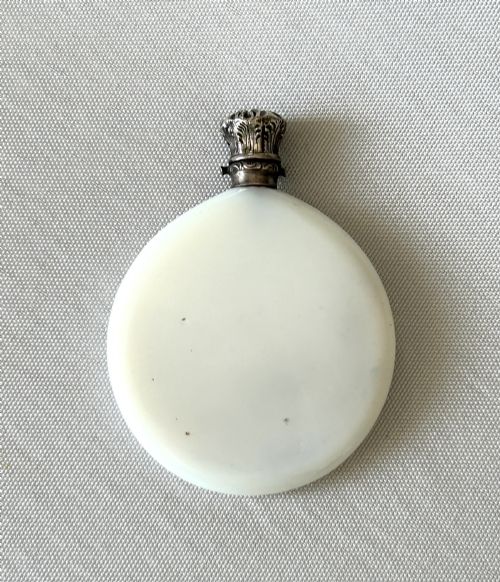
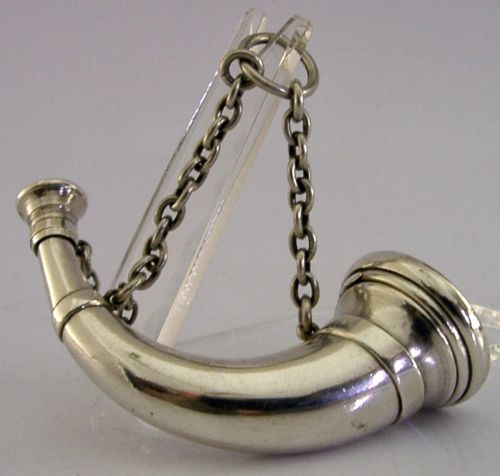
When you search for victorian silver scent, you encounter small personal vessels designed to hold perfume or aromatic vinegars. The selection spans chatelaine attachments, pocket flasks, and miniature novelty shapes including hunting horns and violins.
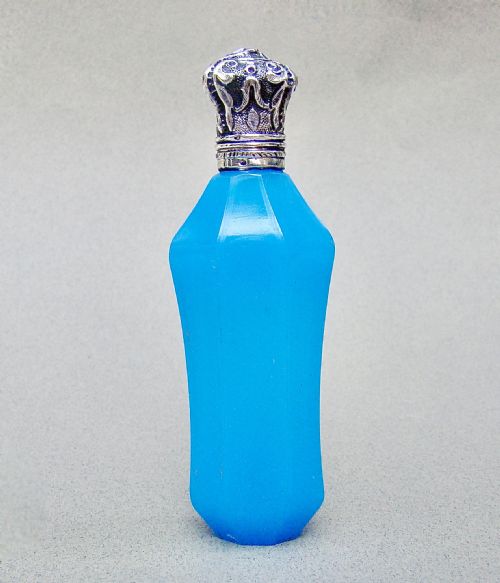
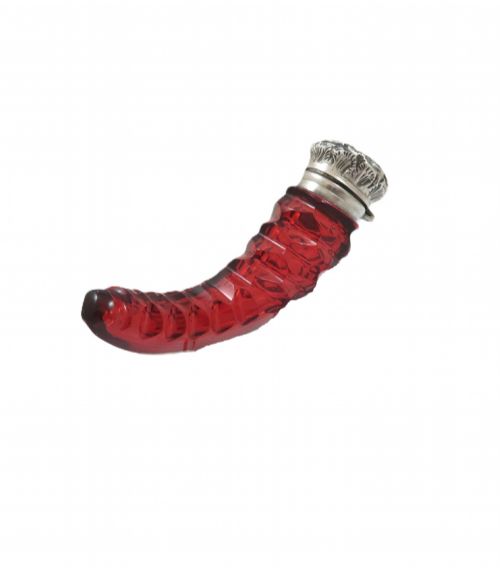
Most examples originate from English workshops or French glasshouses dating through the nineteenth century, often featuring sterling silver mounts paired with coloured, opaline, or cut glass bodies.
Materials and Technique
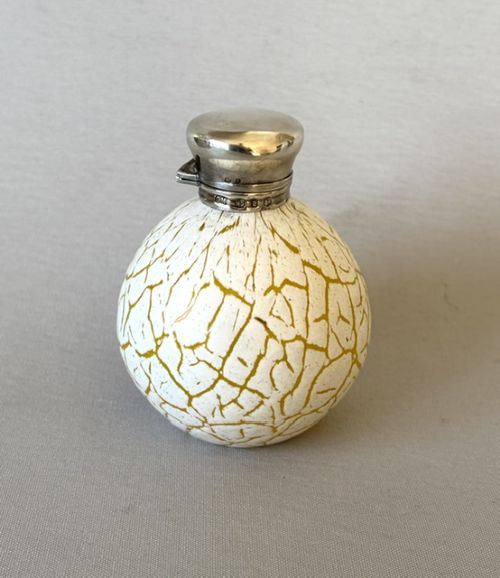
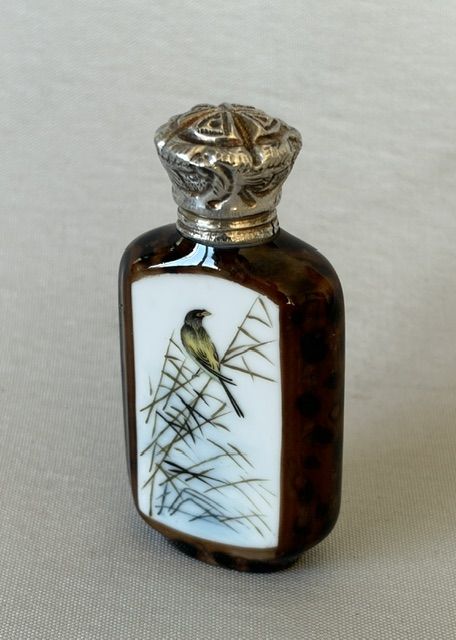
The construction relies on combining sterling silver or silver-gilt collars and caps with blown or moulded glass bodies. Makers utilised ruby, cranberry, amethyst, and opaline glass, frequently applying glass overlay or enamel painting.
Specialist techniques include intricate chasing on silver chatelaines and vinaigrette grilles, alongside specialist glass manufacture such as crackle glass, murrine work, and cased layering.
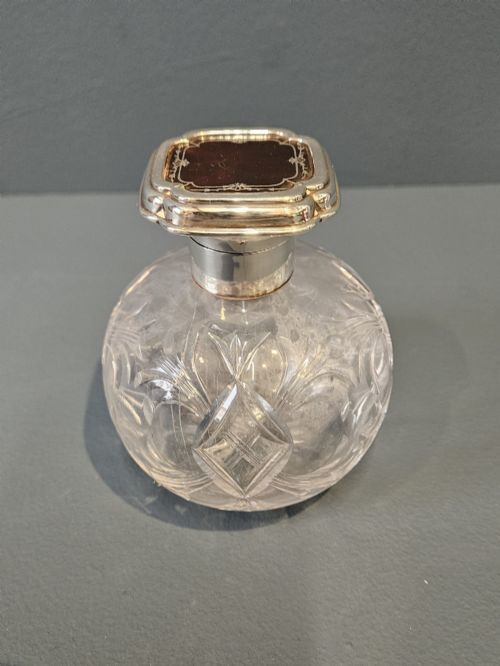
Listings feature items from the Victorian and Edwardian periods, utilising sterling silver, ruby glass, opaline glass, and tortoiseshell.
Design and Execution
Quality rests on the crispness of the silver chasing and the sophistication of the glass body. Finer pieces display fully marked sterling silver mounts alongside uncommon glass colours and specialised forms.
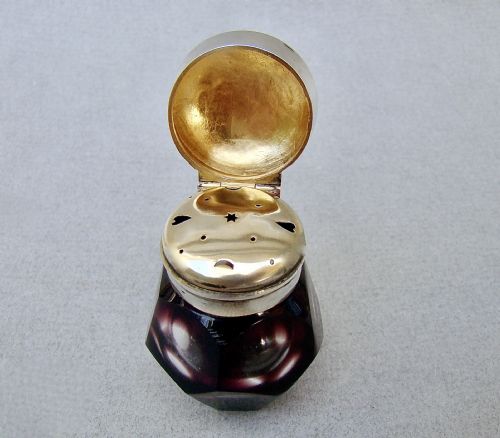
Execution of miniature details, such as hinged vinaigrette grilles or fitted chatelaine chains, distinguishes standard production from exceptional maker-attributed examples.
William Comyns And Sons·Saunders And Shepherd·Sampson Mordan·Edward Smith·Franchini And Bigaglia
The Victorian Silver Scent Glossary
- Vinaigrette
- A small decorative box with an internal pierced grille designed to hold a sponge soaked in aromatic vinegar. This container was carried in the pocket or suspended from a chatelaine.
- Chatelaine
- A decorative belt hook with suspended chains used for carrying household and personal accessories such as scent bottles and keys. It was pinned to the waist.
- Silver-Gilt
- Silver that has been coated with a thin layer of gold on its surface. This finish provides a rich golden appearance while retaining a silver base.
- Opaline Glass
- An opaque or translucent glass developed in soft pastel shades including blue and white. It offers a smooth surface resembling porcelain or opal.
- Overlay Glass
- Glass formed of multiple distinct layers where portions of the outer layer are cut away to reveal the contrasting colour beneath. This technique creates deep relief patterns.
Victorian Silver Scent: Frequently Asked Questions
What is a vinaigrette?
A vinaigrette is a small container housing an internal pierced metal grille. It held a sponge soaked in aromatic vinegar for freshening the air.
These pieces were carried in pockets or suspended from chatelaines during the nineteenth century.
How were scent bottles carried?
Smaller bottles were frequently suspended from chatelaines, which were decorative belt hooks worn at the waist. Others were designed to fit securely inside reticules or pockets.
Travelling cases and fitted chatelaine chains kept the personal scent flasks secure during movement.
What glass colours are typical?
Common glass colours include ruby, cranberry, amethyst, Bristol green, and various shades of opaline. Makers also utilised clear cut glass and multi-layered overlay.
The choice of glass colour often defines the visual character of the piece alongside its silver mount.
How do I identify the period?
Dating relies on silver hallmarks stamped on the collars, caps, or grilles, which indicate the assay office and year of manufacture. Stylistic indicators include aesthetic movement motifs and French nineteenth-century glass techniques.
Matching the maker marks to known nineteenth-century silversmiths provides a precise timeframe.