

Victorian Silver Plate Centrepieces
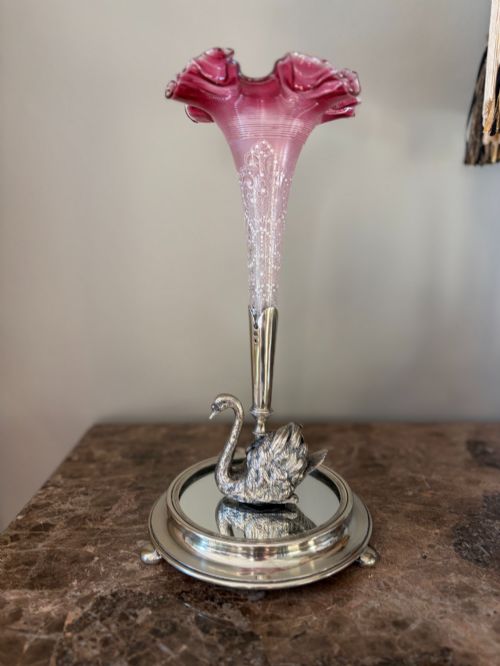
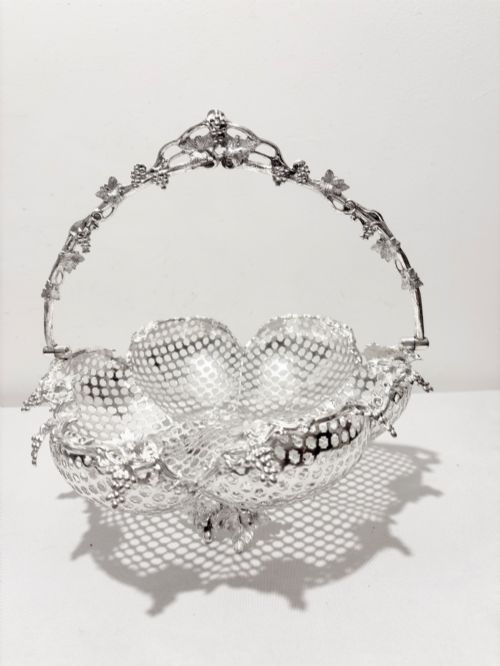
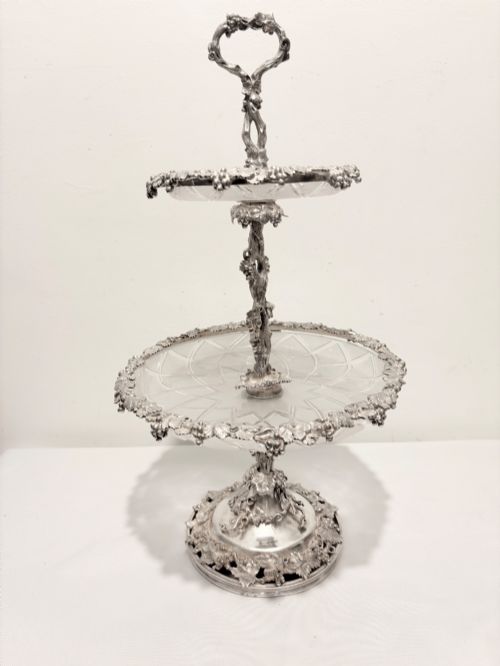
Victorian silver plate centrepieces anchor a dining table with heavy cast metals, etched glass, and tiered fruit baskets.
Victorian Silver Plate Centrepieces
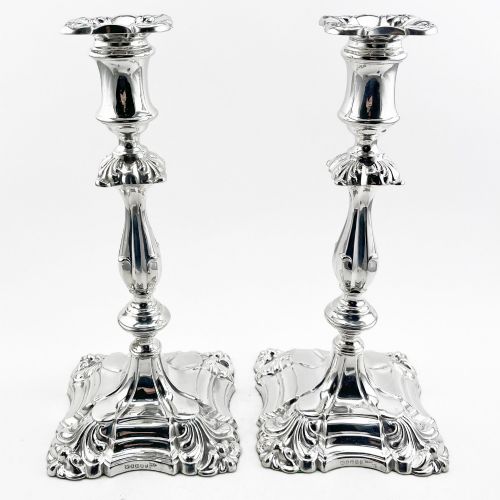
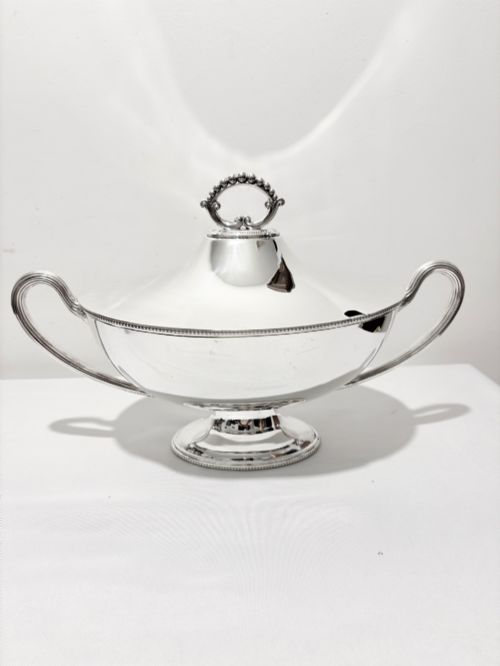
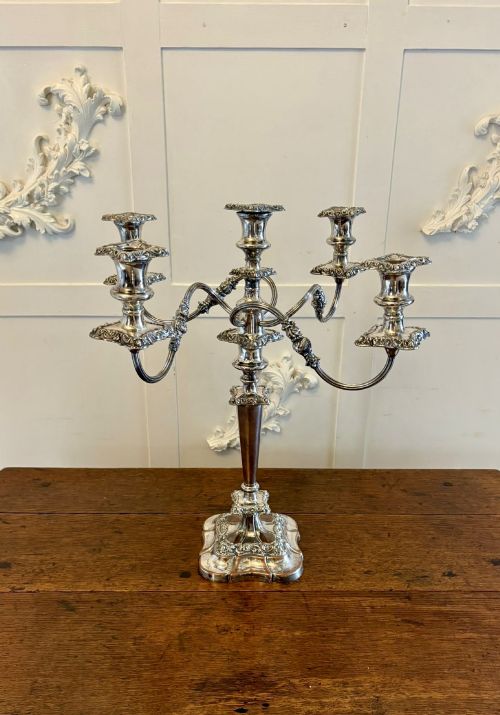
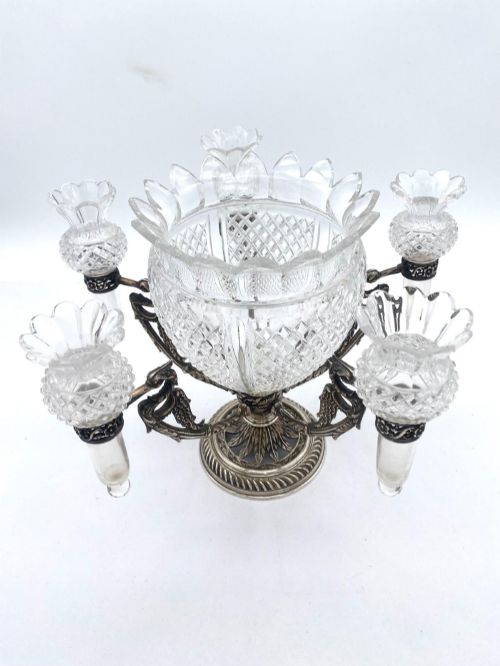
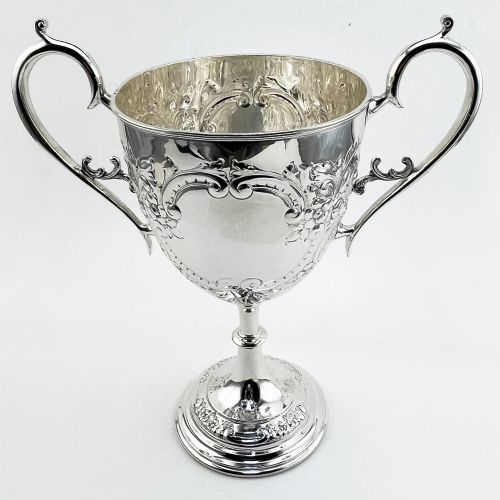
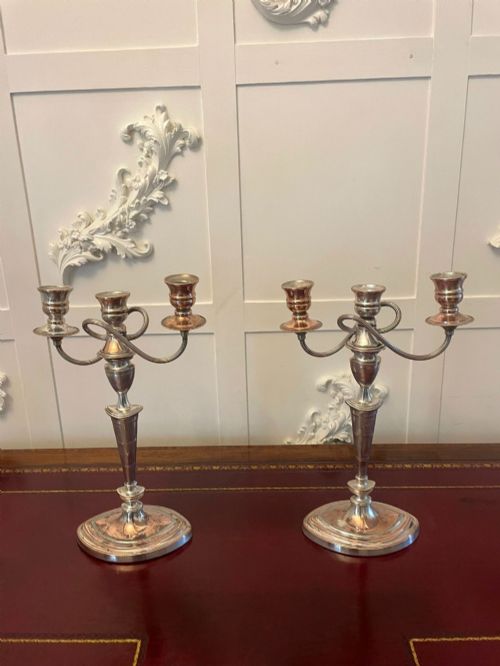
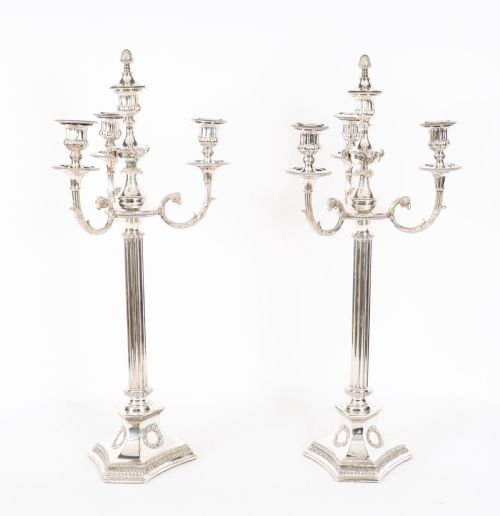
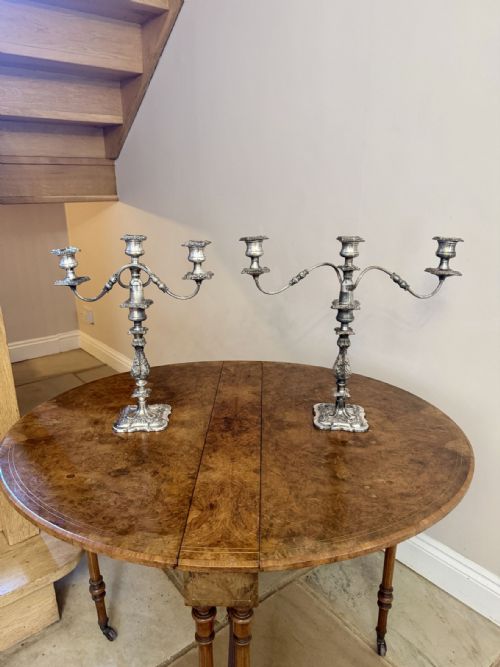
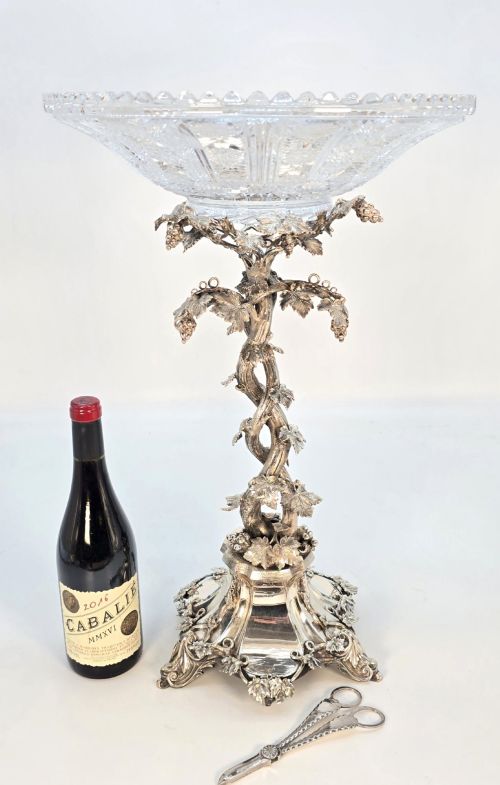
Victorian silver plate centrepieces comprise large table garnitures, branched candelabras, and footed fruit baskets made primarily during the nineteenth century. These objects served functional roles at formal dining tables, holding fruit, sweets, or multiple candle tiers to illuminate the room.
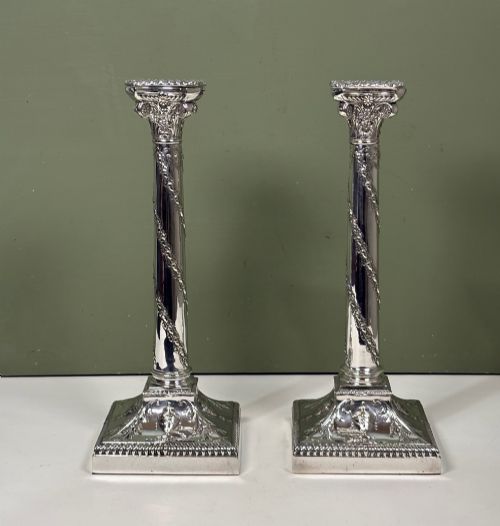
The versions met most frequently on this page span the 1850s to the early 1900s, embracing styles from heavy Rococo Revival curves to restrained Neoclassical symmetry. Many incorporate cut glass inserts, amber glass bowls, or green vaseline glass alongside the plated metal framework.
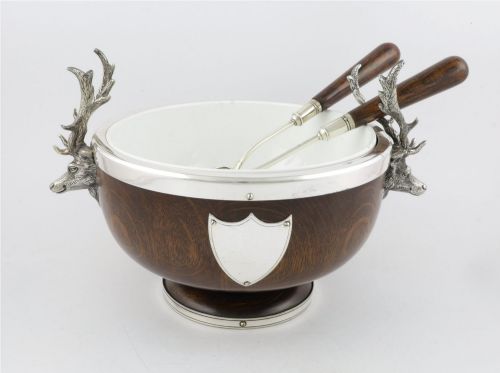
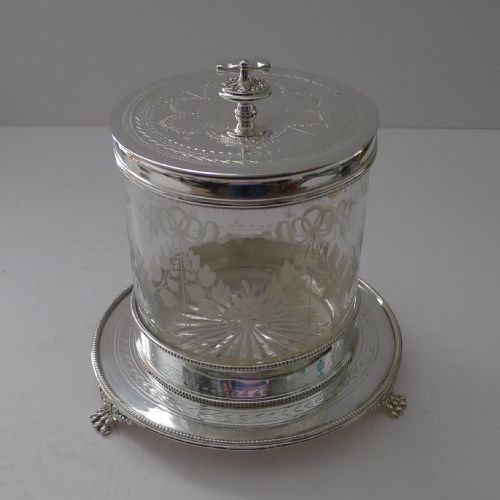
Beyond standard comports and tazzas, makers produced specialised forms such as nautilus shell spoon warmers, biscuit boxes, and mirrored table plateau stands. These decorative items reflect the Victorian appetite for elaborate tablescapes during long course dinners.
Materials and Techniques
Makers formed the structural bodies using base metals like electroplated nickel silver or standard silver plate over a foundational metal core. Sheffield plating methods and EPNS techniques allowed workshops to deposit a durable layer of silver onto sturdy white metal alloys.
Glass components - such as cut glass épergne trumpets and amber or vaseline glass bowls - were blown, etched, or moulded to sit within the metal frames. Artisans combined these glass elements with cast brass or bronze mounts, securing them with threaded fittings and stylized handles.
Victorian Silver Plate Centrepieces Retail Price Guide 2026
Typical asking prices for victorian silver plate centrepieces among the pieces listed under this phrase on Sellingantiques today, from the lower quarter to the upper quarter. They describe what is for sale here now, not the wider market.
Listings feature items spanning from the mid-nineteenth century through the Edwardian era, incorporating both silver plate and coloured glass.
Assessing Quality and Execution
The weight and crispness of the casting dictate the calibre of a piece, separating heavy, deeply chased silver plate from thin, pressed metal alternatives. Superior examples show sharp relief in floral engraving, cast fruit, and classical motifs without softening in the details.
The integration between mixed materials also marks the division between standard production and top-tier workshop output. Well-made centrepieces feature thick, hand-cut or coloured glass inserts that fit their silver plated bases precisely, paired with robust detachable sconces and sturdy screw posts.
Osler·Mappin & Webb·George W. Scott & Sons Ltd·Hawksworth Eyre·Garrard & Co·Walker and Hall·WMF·Thomas Bradbury·Doulton Burslem
The Victorian Silver Plate Centrepieces Glossary
- Silver Plate
- A thin layer of pure silver bonded to a base metal core such as copper or nickel silver. This technique brought the look of solid silver to larger dining table objects.
- EPNS
- Electroplated Nickel Silver. A common base material used underneath a silver coating in late nineteenth-century manufacturing.
- Épergne
- A large, multi-tiered centrepiece featuring a central basket surrounded by smaller hanging arms or trumpets for fruit, sweets, or flowers. These vessels often combine silver plated metal with coloured glass inserts.
- Tazza
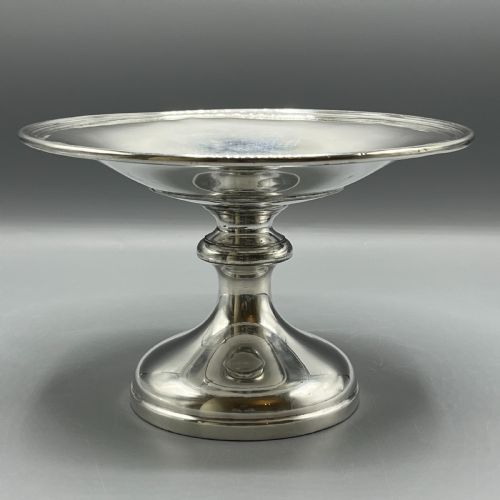
- A shallow ornamental bowl or cup set upon a central foot and pedestal. They appeared frequently on dining tables for serving fruit or small cakes.
- Sconce
- The detachable nozzle or socket at the end of a candelabra arm that holds a wax candle in place. These components lift out for easy cleaning of wax drips.
Victorian Silver Plate Centrepieces: Frequently Asked Questions
What were silver plate centrepieces used for?
These large table pieces held fruit, sweetmeats, or multiple burning candles during formal Victorian and Edwardian dinner parties. They acted as the visual anchor of the tablescape while providing ambient lighting and serving vessels.
Hosts used tiered épergnes and tazzas to display seasonal fruit or flowers above the level of the dinner plates, allowing conversation across the table beneath the branching arms.
Can I use these candelabras for everyday dining?
These candelabras function well for modern dining provided standard taper candles fit securely into the sockets. Using drip-free candles protects the antique silver plate and glass surfaces from hardened wax.
Take care when moving heavy multi-branch pieces, supporting them by the base rather than the arms to prevent structural strain on the soldered joints.
How do I date a silver plate centrepiece?
Dating relies on stylistic clues, manufacturer marks stamped into the metal, and the pairing of materials like vaseline glass or cut crystal. Mid-century pieces often display Rococo Revival curves, while later items shift toward cleaner Neoclassical lines or Art Nouveau forms.
Maker stamps and registry marks found on the base provide specific production windows. Comparing the weight and construction methods also helps place a piece within the nineteenth or early twentieth century.