

Victorian Silver Jewellery Box
When you search for a victorian silver jewellery box, you encounter pieces designed to hold personal treasures, incorporating silver mounts, glass and velvet lining.
Victorian Silver Jewellery Box
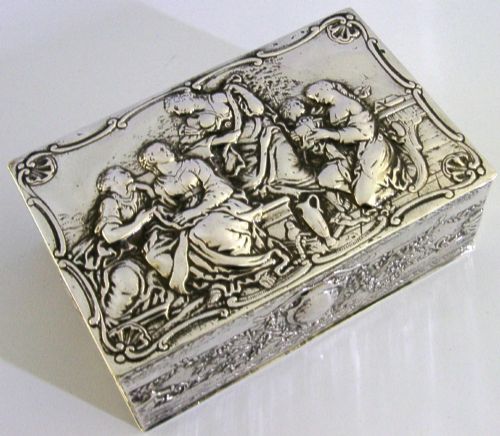
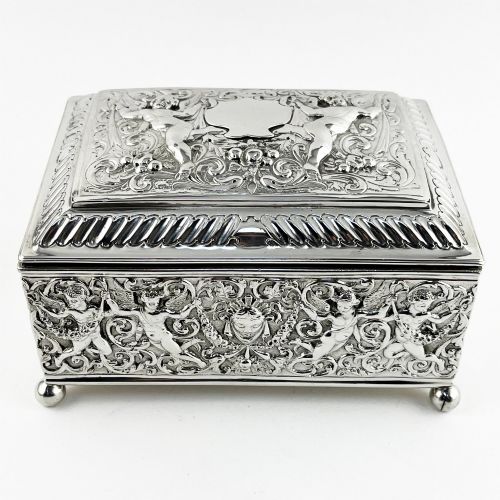
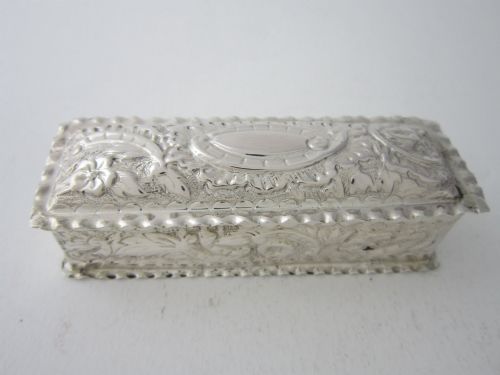
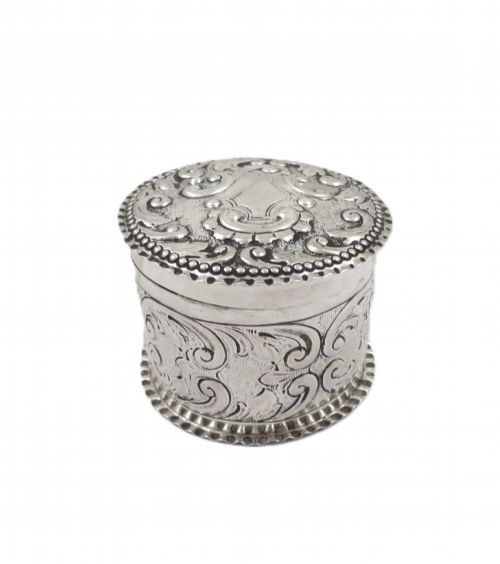
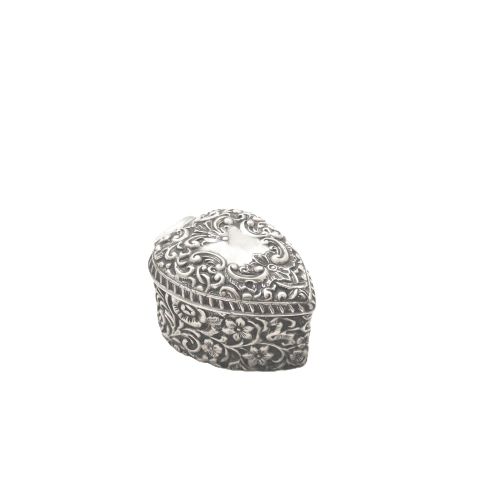
A victorian silver jewellery box encompasses a variety of small caskets, heart-shaped trinket containers, and larger dressing table boxes designed for daily vanity use. These items emerge predominantly from the nineteenth century, with strong representation from the Victorian and Edwardian periods.
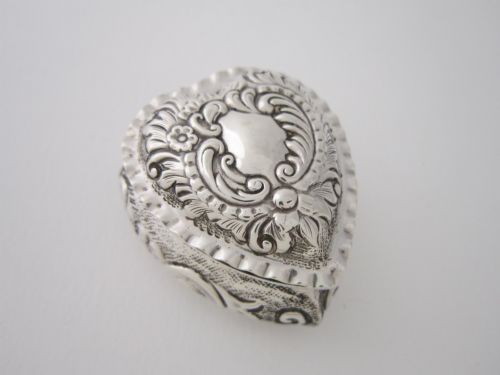
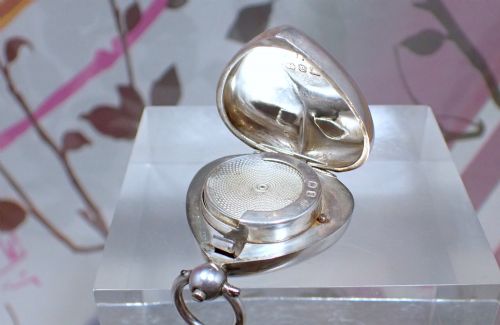
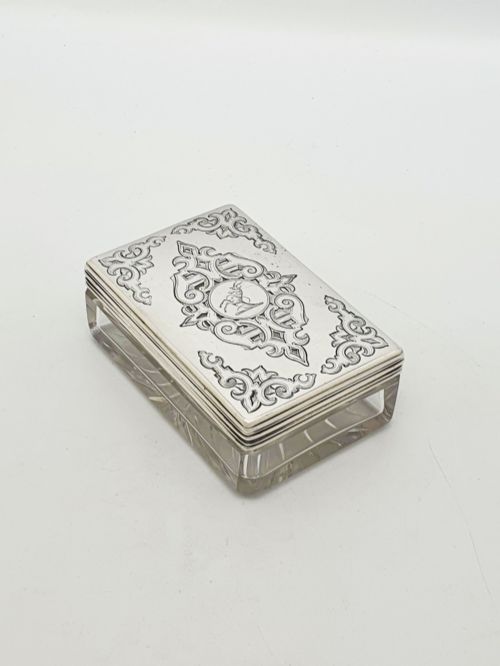
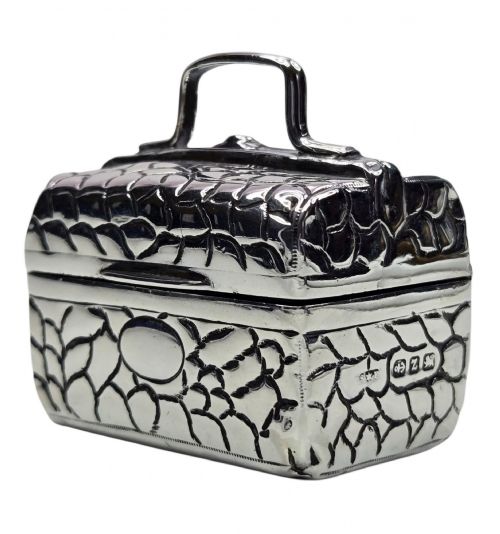
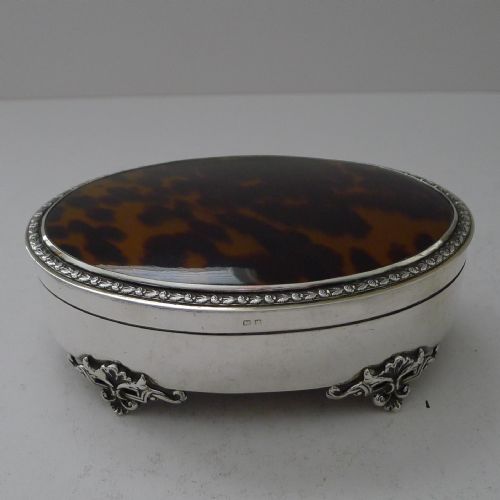
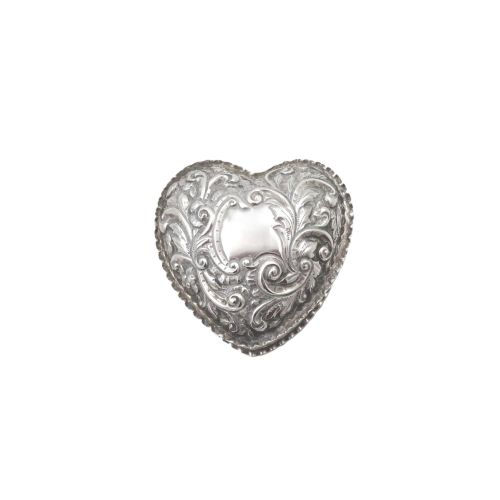
Makers utilised diverse forms, ranging from simple oval and rectangular caskets to novelty shapes like trunks, coffins, and heart-shaped containers. Buyers frequently meet pieces featuring hinged lids, some combined with travelling sets or interior velvet and silk linings.
Materials and Techniques
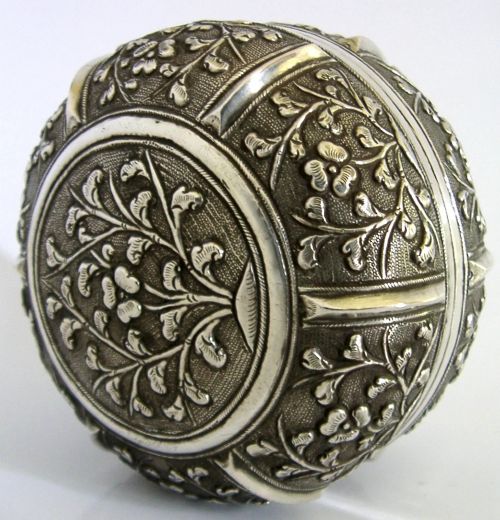
Silversmiths constructed these boxes using sterling silver and silver plate, frequently incorporating repoussé scrollwork, embossing, and pierced decoration upon the metal surfaces. Many examples combine silver mounts with organic materials such as tortoiseshell, horn, coromandel, burr walnut, and rosewood.
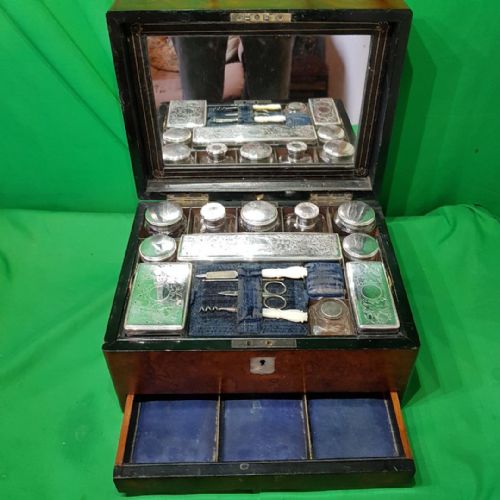
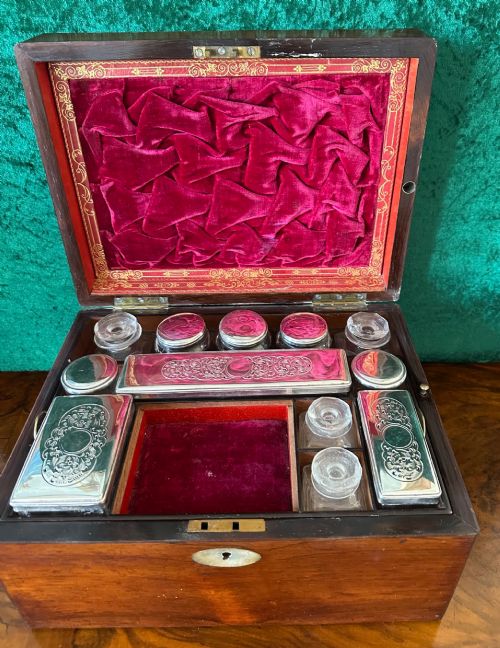
Interiors often feature fitted compartments lined with velvet, glass, or silk, while cut glass and crystal bottles appear in dressing boxes and vanity cases. Makers also employed hardstones like agate, citrine, and tigers eye alongside gold and enamel appliques to embellish the exterior designs.
Among the storage options, novelty boxes shaped like tiny trunks and coffins offer a delightfully morbid twist on Victorian vanity.
Distinctions in Standard
Quality separates through the weight of the silver, the depth and crispness of repoussé or embossed decoration, and the complexity of the form. Substantial gauge silver and intricate hand-chased motifs elevate a piece above standard mass-produced items.
The choice of secondary materials dictates overall standard, with exotic timbers like coromandel and burr walnut, genuine tortoiseshell, and high-clarity cut glass marking superior construction. Intact original interior silk or velvet linings and fully fitted internal trays also signify higher production standards.
A & J Zimmerman Ltd·William Comyns & Sons·Walker and Hall·Charles Boyton·Wang Hing & Company
The Victorian Silver Jewellery Box Glossary
- Repoussé
- A metalworking technique where the silversmith hammers the design from the reverse side to create raised relief patterns on the surface. This method is frequently observed on late nineteenth-century trinket boxes.
- Piqué
- A decorative process involving inlaid tiny pieces of gold or silver into tortoiseshell or ivory surfaces. This technique appears on high-end Victorian tabletop boxes.
- Casket
- A larger box designed for storing valuables, often featuring a domed or hinged lid and fitted internal compartments. These boxes were principal dressing table accessories during the nineteenth century.
- Vinaigrette
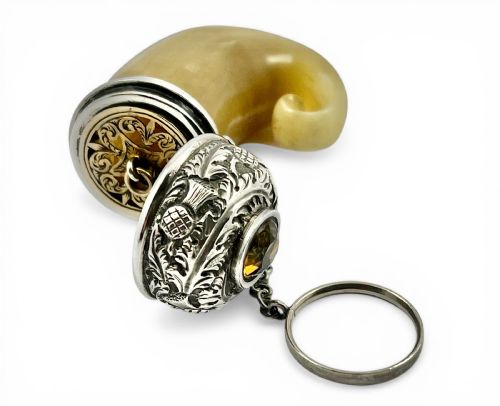
- A small ornamental container holding a perforated grille, originally used to contain a sponge soaked in aromatic vinegar. These portable items often utilised silver alongside horn or agate.
- Sterling silver
- An alloy consisting of ninety-two point five percent silver and seven point five percent other metals, chiefly copper. Most British boxes from the Victorian period bear hallmarks confirming this standard.
Victorian Silver Jewellery Box: Frequently Asked Questions
How were these boxes used?
Victorian households utilised these containers for organising and safeguarding everyday jewellery, pins, and small personal valuables on dressing tables.
Larger variations, known as travelling or vanity sets, contained cut glass bottles and fitted trays designed for journeys.
How do I identify a period piece?
Authentic pieces generally display British hallmarks stamped directly onto the silver mounts, indicating the assay office, standard, and date letter.
Material combinations such as burr walnut, coromandel, and tortoiseshell paired with hand-repoussé work further help verify nineteenth-century manufacture.
What styles are common?
Common designs include Rococo Revival pieces featuring scrolling foliage and floral motifs, alongside simple heart-shaped trinket boxes and geometric rectangular caskets.
Some examples also reflect Asian export influences and Renaissance revival themes through enamel and cameo appliques.