




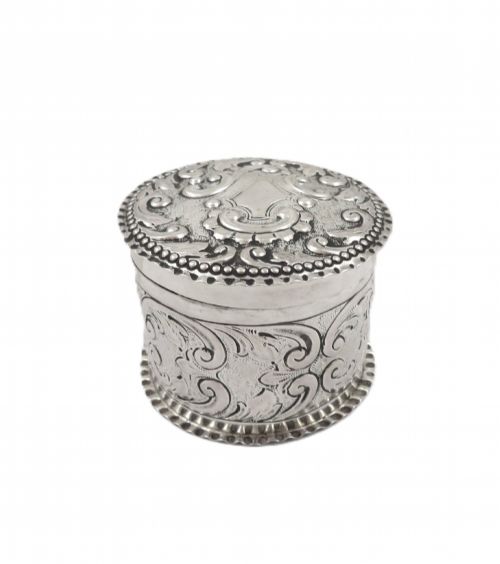
Victorian Silver Dressing Table
When you search for a victorian silver dressing table piece, you enter a grand world of vanity boxes, mirrors, and scent bottles crafted to adorn the nineteenth-century boudoir.
Victorian Silver Dressing Table
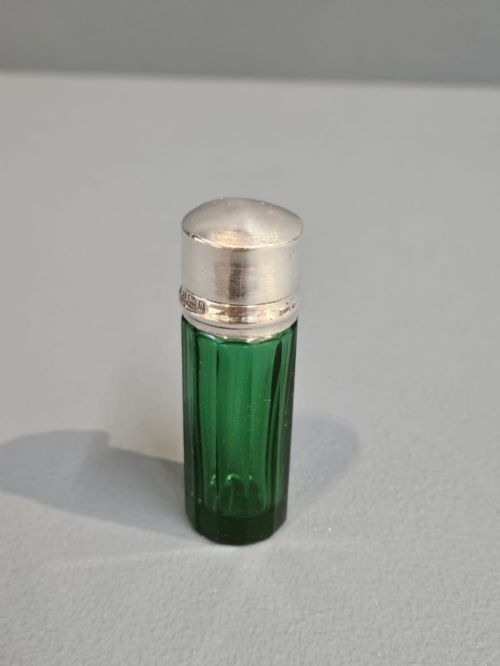
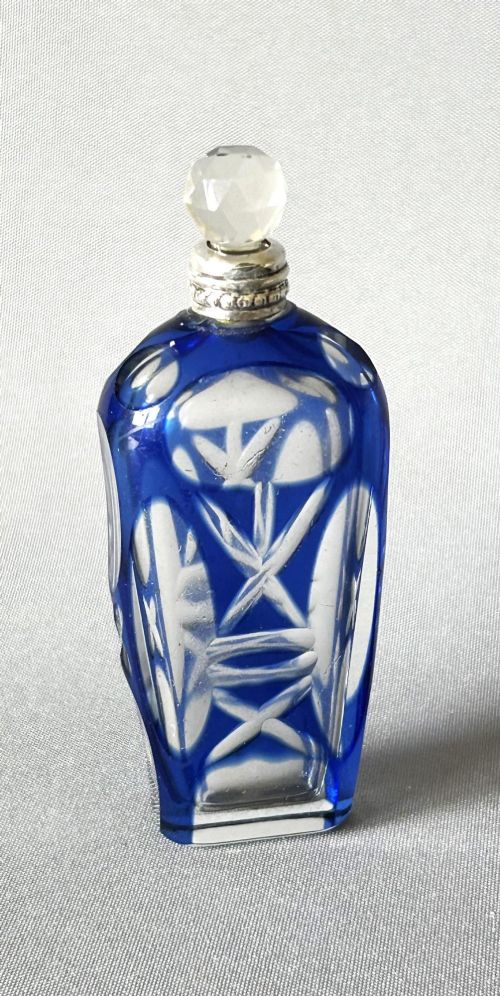
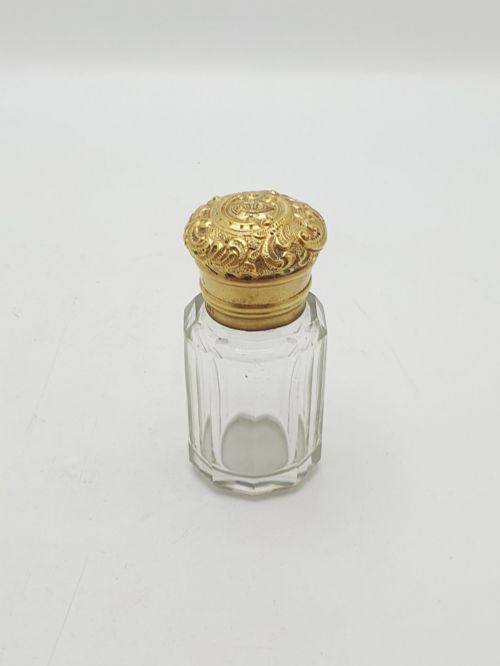
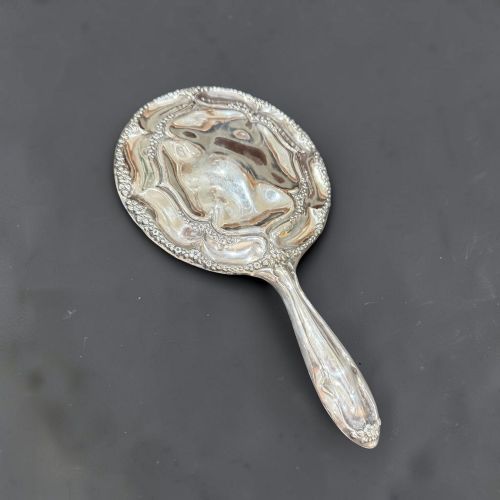
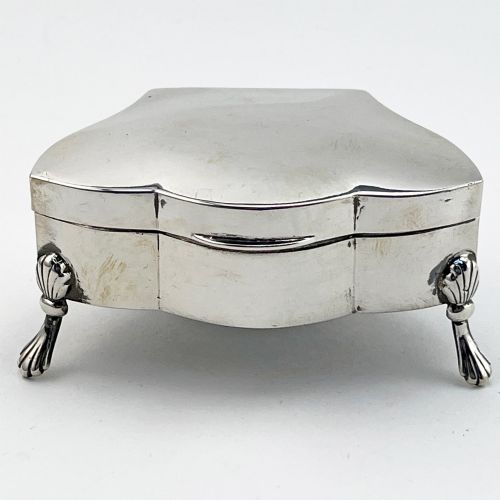
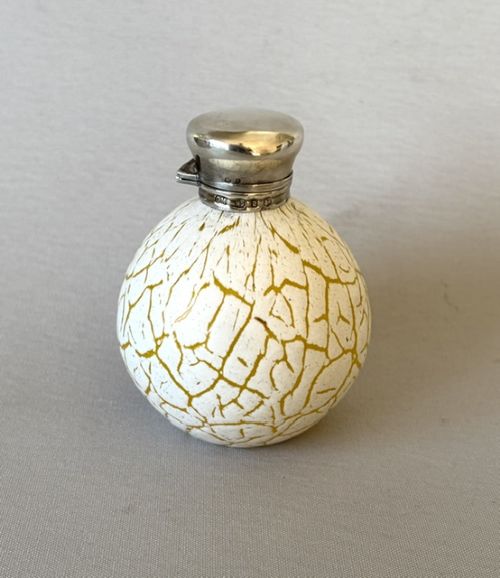
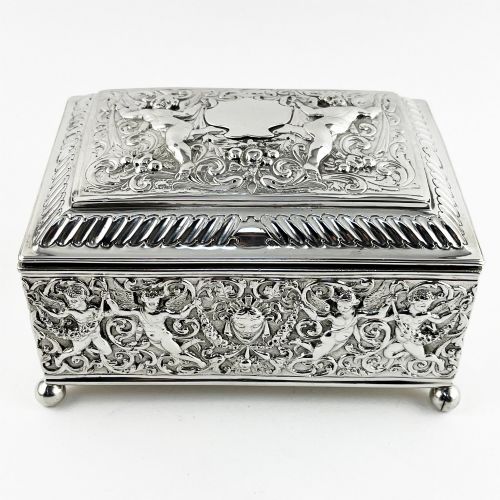
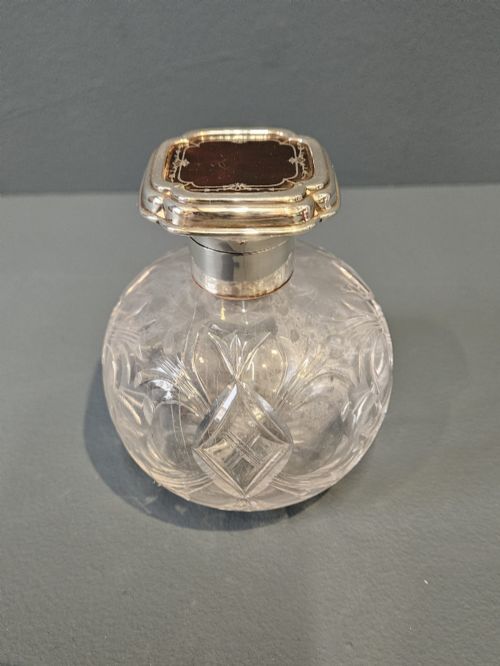
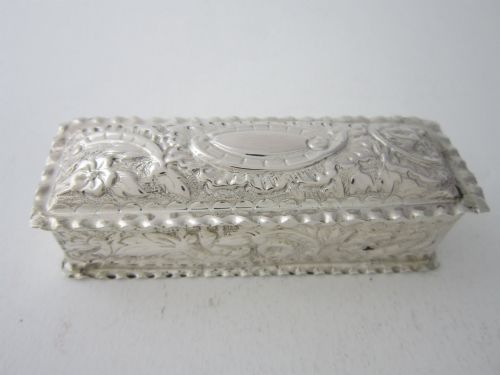
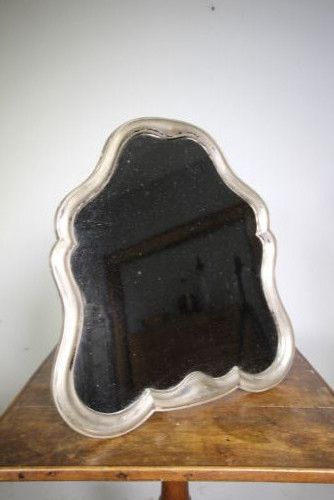
A victorian silver dressing table selection encompasses the tangible items once used for daily grooming and display in the home, spanning trinket boxes, scent bottles, and large easel mirrors.
The objects seen most frequently on this page originate from the Victorian and Edwardian periods, manifesting in sterling silver alongside cut glass, coloured glass, and tortoise shell.
Buyers will encounter specialised vanity accessories such as silver-mounted jars, button hooks, and heavy dressing table trays that reflect the meticulous domestic routines of the era.
How They Were Made
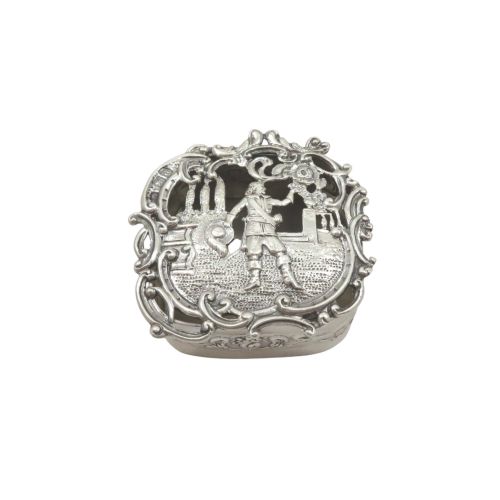
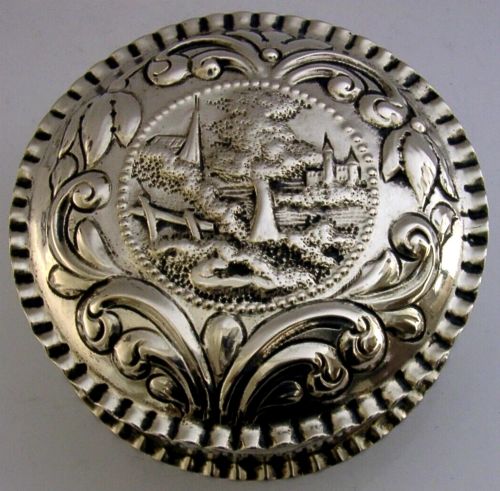
Silversmiths utilised solid sterling silver, frequently employing techniques such as piercing, embossing, and cast ornamentation to shape lids, frames, and collars.
Glass bodies for scent bottles and dressing table jars were heavily cut, sliced, or blown in distinct tones like Bristol green and teal, then mounted securely with silver tops.
Victorian Silver Dressing Table Retail Price Guide 2026
Typical asking prices for victorian silver dressing table among the pieces listed under this phrase on Sellingantiques today, from the lower quarter to the upper quarter. They describe what is for sale here now, not the wider market.
What Varies In Quality
The weight and gauge of the sterling silver dictate much of the initial worth, with heavier boxes and substantial mirror frames commanding greater presence.
The clarity and depth of glass cutting, coupled with the crispness of embossed maker motifs, separate standard production items from master silversmith commissions.
William Comyns·Henry Matthews·William Hutton·Thomas Ingleton·Jane Brownett Alexander Jones·Jenner and Knewstub
The Victorian Silver Dressing Table Glossary
- Sterling silver
- A silver alloy containing 92.5 percent pure silver and 7.5 percent other metals, usually copper, ensuring durability for functional table items. This standard was strictly regulated by British assay offices.
- Easel back
- A hinged rear support attached to dressing table mirrors, allowing them to stand upright on a surface. This design became prominent during the late nineteenth century.
- Silver gilt
- Silver that has been coated with a thin layer of gold on its surface, creating a rich two-tone effect. This technique was often applied to the interiors of scent bottles and trinket boxes.
- Cut glass
- Glass decorated by cutting facets into the surface using a rotating wheel, catching the light on vanity tables. It is frequently paired with heavy sterling silver mounts.
- Castle top
- A decorative style of box lid featuring a high-relief architectural engraving of a famous building or landmark. These pictorial scenes represent skilled Victorian metalworking.
Victorian Silver Dressing Table: Frequently Asked Questions
What items belong on a dressing table?
A traditional dressing table ensemble typically includes scent bottles, trinket boxes for jewellery, vanity pots, and a large standing mirror. These matched or collected pieces kept personal items organised and displayed elegance in the bedroom.
Over time, these groupings evolved to incorporate trays, button hooks, and hair brushes, all fashioned with matching silver mounts or embossed decorative motifs.
How do I identify the date of a silver piece?
British silver is usually stamped with a series of hallmarks that reveal the assay office, the maker, and a specific date letter corresponding to the year of testing. These tiny stamped marks are commonly found along the rim or base of boxes and mirror bezels.
Matching the shape of the shield outline around the letter to historical assay records provides the exact year the item was hallmarked.
Are glass scent bottles prone to damage?
While the thick cut glass and crystal used in these bottles are remarkably durable, the inner stoppers and delicate rims require careful handling. Many surviving pieces retain their original ground glass stoppers inside the silver collar.
Displaying them away from edge surfaces protects both the heavy glass body and the intricate silver mounts from accidental knocks.
How should I clean antique silver dressing items?
Gentle dusting with a soft cloth is usually sufficient for maintaining the natural patina on embossed silver without harming the surrounding glass or velvet. Avoid harsh chemical dips that strip away the aged character accumulated over generations.
When polishing is necessary, use a specialised silver cloth and take care to keep polish residue away from glass inserts and fabric linings.