





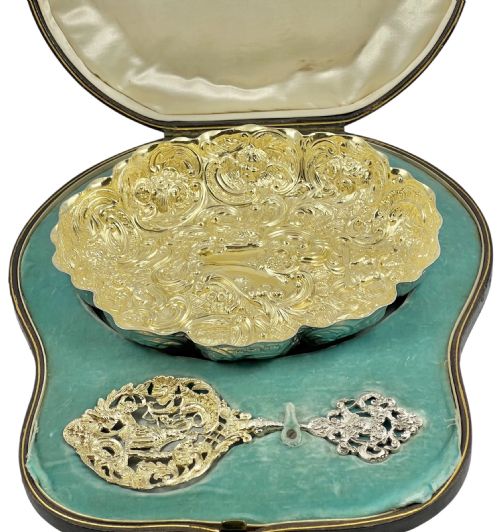


Victorian Silver Dessert Set
A victorian silver dessert set brings polished sterling and plate, paired with agate, porcelain and glass, straight to the dining table for fruit and sweets.
Victorian Silver Dessert Set
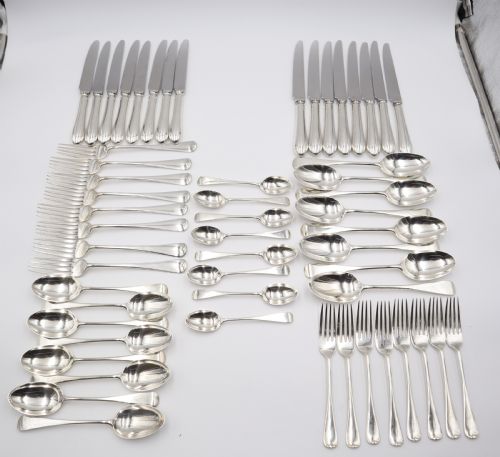
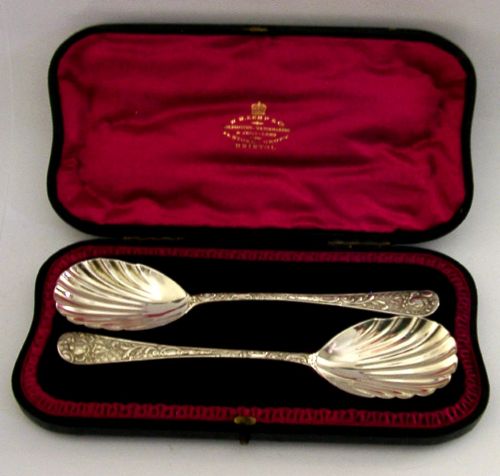
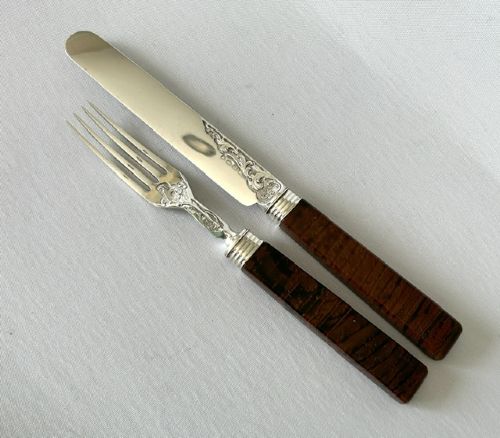
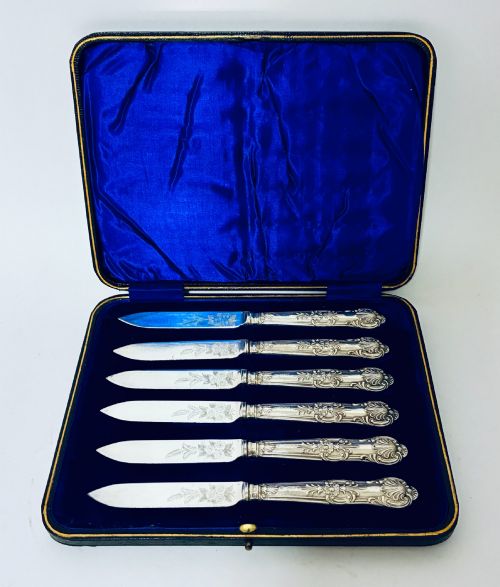
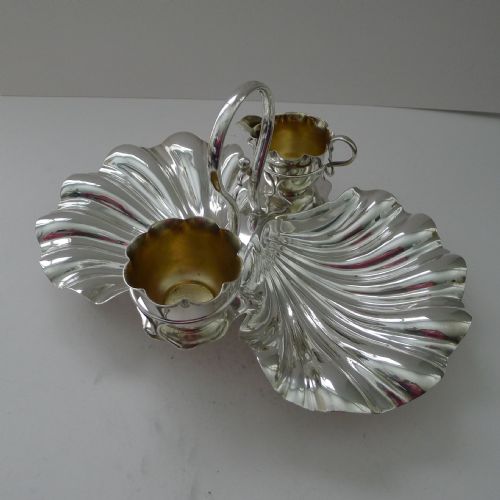
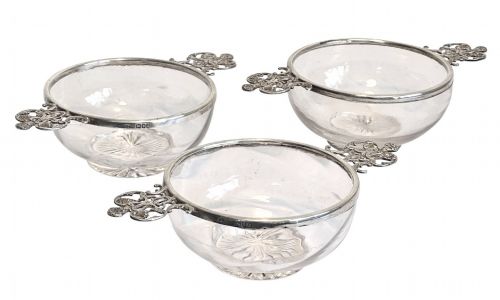
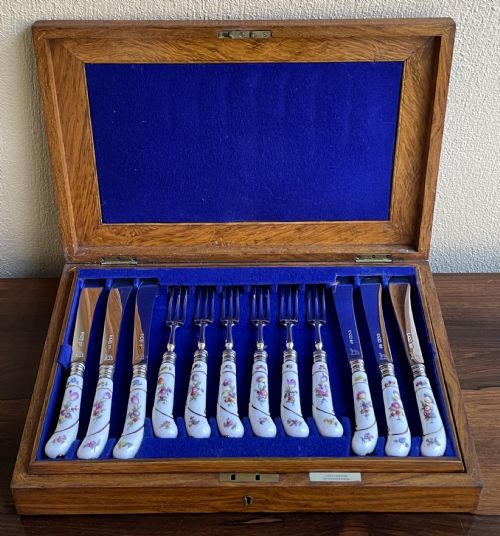
A victorian silver dessert set encompasses fitted boxes, cased spoons, knives, forks and matching bowls designed specifically for serving fruit, berries, nuts and cheese. You encounter these most frequently as boxed sets of fruit knives and forks with mother-of-pearl or silver handles, alongside cased pairs of berry spoons and silver-mounted glass bowls.
The objects span the Victorian and Edwardian eras, stretching from the middle decades of the nineteenth century into the early years of the twentieth. Makers packaged them carefully in fitted wooden cases lined with velvet, silk or satin to protect the delicate gilt finishes and engraved surfaces.
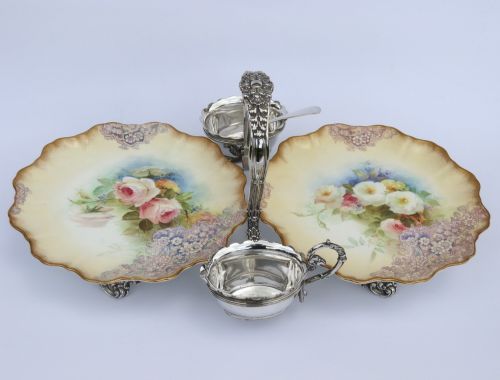
Compositions range from solid sterling silver and silver gilt to silver plate paired with porcelain plates, glass bowls and steel blades. Some configurations include specialised grape scissors and nutcrackers alongside the standard serving spoons and cutlery.
Distinguishing quality
Quality rests in the crispness of the hand engraving, the weight and balance of the metal components, and the integrity of the fitted presentation case. Superior examples feature heavy sterling silver or rich silver gilt rather than light plating, alongside unblemished natural handles of mother-of-pearl or carved agate.
The presence of a recognised maker or retailer adds distinct merit, particularly when combined with matching porcelain plates or undamaged glass inserts. Complete cased sets that retain their original velvet or satin linings demonstrate higher preservation than assembled groups.
Victorian Silver Dessert Set Retail Price Guide 2026
Typical asking prices for victorian silver dessert set among the pieces listed under this phrase on Sellingantiques today, from the lower quarter to the upper quarter. They describe what is for sale here now, not the wider market.
Listings feature items spanning the Victorian, Edwardian and early twentieth-century periods, incorporating materials such as porcelain, agate, velvet and silver plate.
William Comyns·Daniel Arter·Walker and Hall·Carrington·Hukin and Heath·Roberts and Belk
The Victorian Silver Dessert Set Glossary
- Silver Gilt
- Silver that has been coated with a thin layer of gold on the surface. This technique was frequently applied to the interior bowls of berry spoons and sugar basins.
- Berry Spoon
- A large serving spoon with an embossed and engraved bowl decorated with fruit and foliage. These were often retrofitted or manufactured during the Victorian period for serving soft fruits.
- Mother-of-Pearl
- The iridescent internal layer of certain mollusc shells used for knife and fork handles. It provides a smooth, tactile grip with subtle natural colour variations.
- Silver Plate
- A base metal coated with a thin layer of silver through electroplating or older fusion methods. It allowed makers to produce elaborate cased sets at a more accessible cost.
- Canteen
- A fitted box, chest or case designed to store a complete set of cutlery or serving pieces securely. They are usually lined with velvet or satin and fitted with individual slots.
Victorian Silver Dessert Set: Frequently Asked Questions
What is included in a dessert set?
These sets typically contain specialised fruit knives and forks, serving spoons, nutcrackers, grape scissors or matching glass bowls. They were designed for the final course of a formal meal.
Many survive in their original fitted presentation cases lined with silk or velvet to keep the service complete.
Can I use these for dining?
Yes, many people continue to use antique fruit knives, forks and serving spoons for special meals and dinner parties. Mother-of-pearl handles should be washed by hand rather than placed in a dishwasher.
Carbon steel blades on older knives require immediate drying after washing to prevent tarnishing or rusting.
How are Victorian sets dated?
Dating relies on hallmarks stamped into the silver, which record the assay office, date letter and maker's mark. Stylistic clues such as engraved decoration and case design also help narrow down the period.
Unmarked silver plated items are typically dated by the maker's recorded active operating years and the style of the presentation case.