


Victorian Silver Cooler
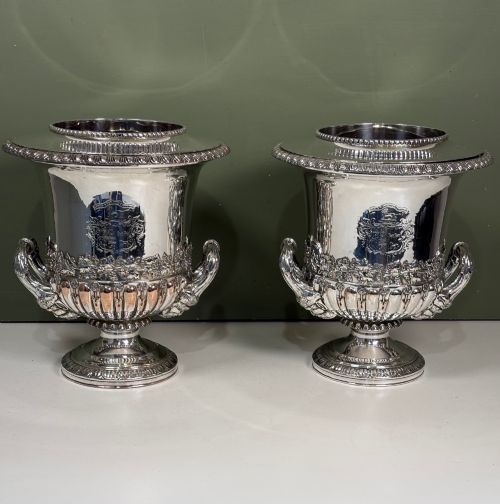
A victorian silver cooler brings weight and gleam to the dining table, serving wine or chilling ice with nineteenth-century style.
Victorian Silver Cooler
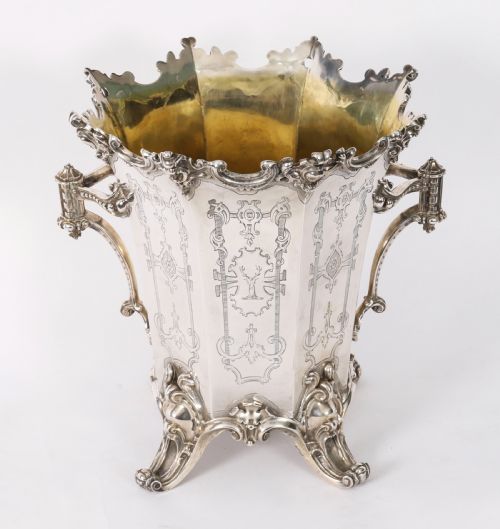
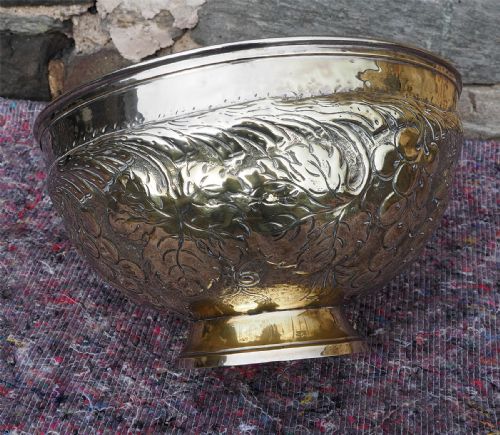
When you search for a victorian silver cooler, you find pieces designed for practical service during nineteenth-century dining, primarily wine coolers, ice buckets, and punch bowls. These items range from sturdy nineteenth-century forms to later Edwardian adaptations.
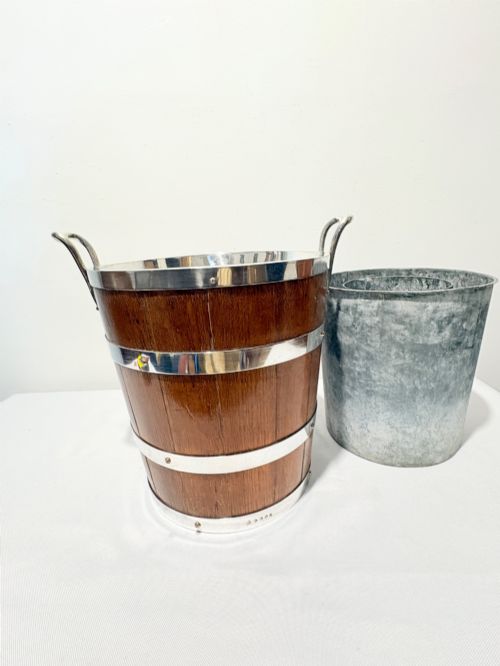
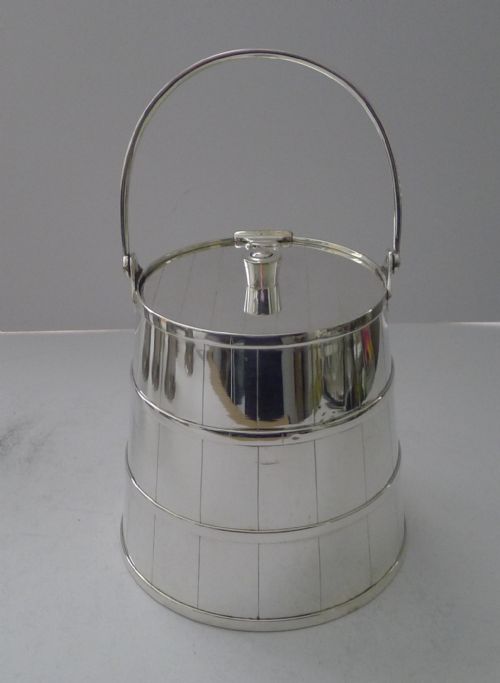
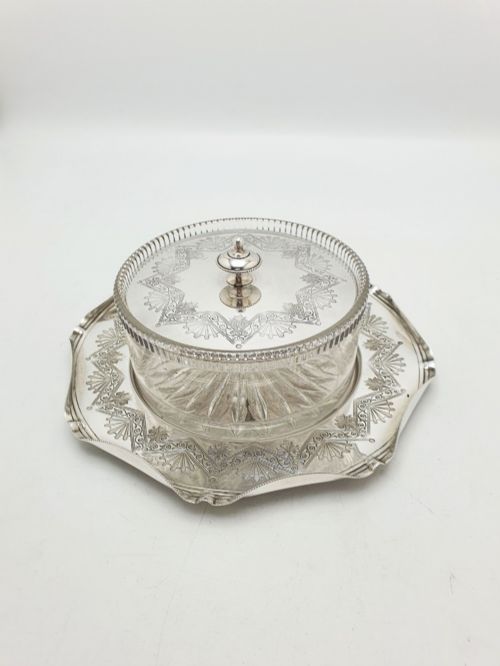
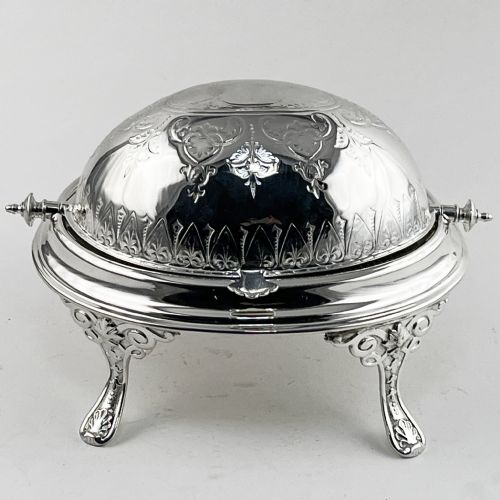
The version you are most likely to meet on this page is the silver plated wine cooler or ice bucket, often dating from the late nineteenth century. Alongside these, form variations include butter dishes with glass liners and large punch bowls.
Many examples originate from English workshops, employing robust metals and combinations of oak, glass, and copper beneath the silver plating. Their primary function was chilling wine or holding ice at the table, though many served multiple duties as decorative tableware.
Materials and construction
Makers built these vessels using sterling silver, silver plate on copper, and electroplated nickel silver, often mounting them in solid oak bodies. Glass liners and ceramic creamware inserts provided functional inner compartments for ice or butter.
Techniques relied on heavy metalworking, combining applied cast mounts with hand-engraved details and sturdy riveted handles. Plating methods like Old Sheffield Plate and standard silver plating lent a lustrous finish over base metals.
Object forms include wine coolers, ice buckets, punch bowls, and butter dishes with glass or ceramic liners.
Assessing quality in silver coolers
Quality rests on the crispness of chased or embossed ornament and the thickness of the underlying metal plate. Pieces retaining a deep, even layer of silver over the copper or base metal display greater durability.
Structural integrity of handles, liners, and fitted bases distinguishes superior examples. Maker marks from established firms indicate higher standards of design and metalworking execution.
Elkington Mason And Co·Benjamin Smith II·Mappin And Webb·Hawksworth Eyre And Co
The Victorian Silver Cooler Glossary
- Silver plate
- A thin layer of silver fused or electroplated onto a base metal such as copper or nickel silver. This technique offered the rich appearance of solid silver at a lower production cost.
- Old Sheffield plate
- An early method of fusing a sheet of silver to a copper ingot before rolling them together into sheets. It creates a distinctive warm tone where the underlying copper occasionally shows through wear.
- Punch bowl
- A large, open vessel traditionally used for mixing and serving communal drinks. Victorian examples often double as wine coolers due to their generous proportions.
- Ice bucket
- A container designed to hold ice cubes for table service, often fitted with a liner or insulated body. They appear in silver plate, glass, and oak combinations.
- Butter dish
- A small tableware item intended for serving butter, frequently incorporating a glass or ceramic liner to protect the metal. Victorian versions often include revolving lids or pierced decoration.
Victorian Silver Cooler: Frequently Asked Questions
How were these coolers used?
These vessels stood on dining tables or sideboards to keep wine chilled in ice and water during long meals.
Larger versions held punch or served as ice buckets for social gatherings.
What materials are common?
Most pieces combine a base metal like copper or nickel silver with an outer layer of silver plating.
Oak, glass liners, and ceramic inserts also appear frequently in the construction.
How do I clean silver plate?
Use a soft cloth and a gentle, non-abrasive silver polish designed specifically for plated items.
Avoid harsh scrubbing that might wear through the thin silver layer to the base metal underneath.
Are liners original?
Many butter dishes and ice buckets retain their fitted glass liners or ceramic creamware inserts.
Original liners add completeness to the piece, though replacements were common over long periods of use.