


Victorian Silver Charm
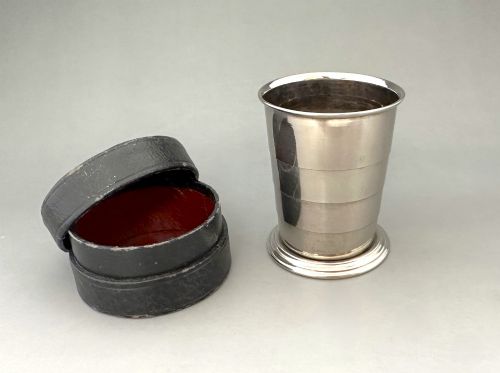
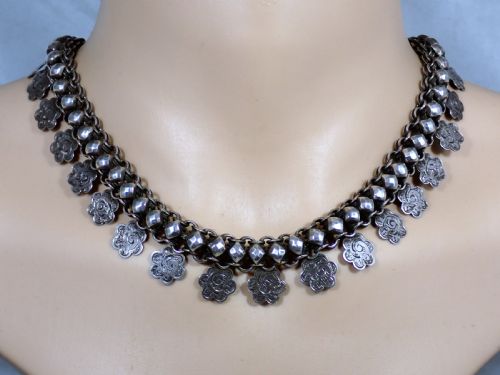
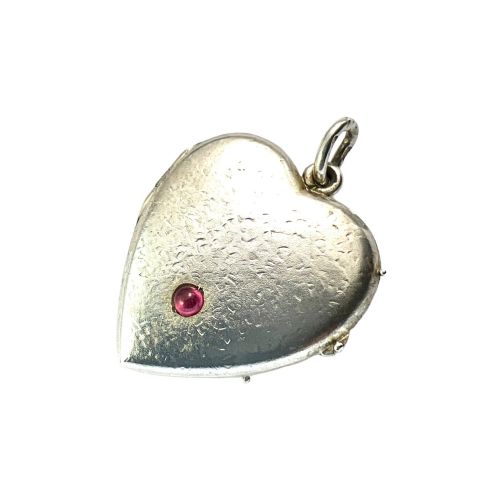
When you search for a victorian silver charm, you encounter miniature wonders fashioned for chatelaines, bracelets, and curiosity collections.
Victorian Silver Charm
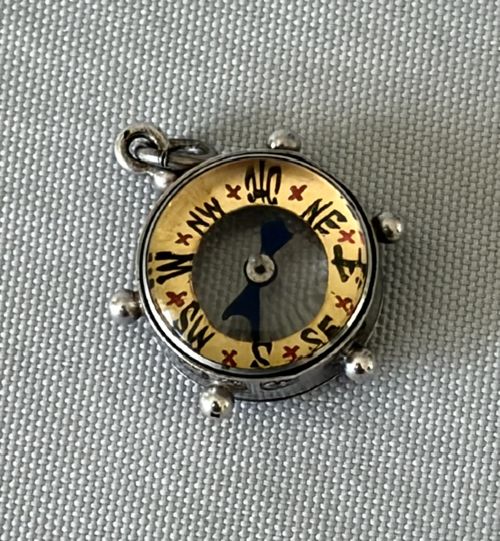
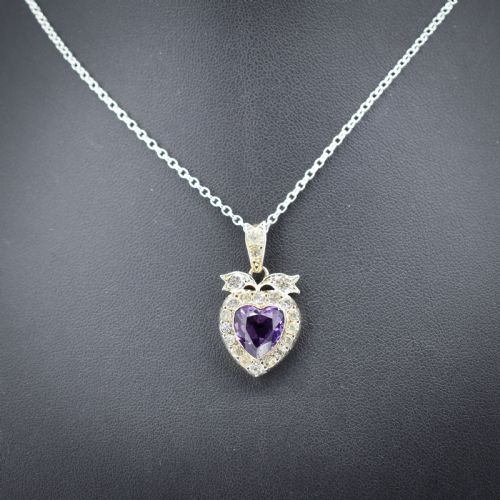
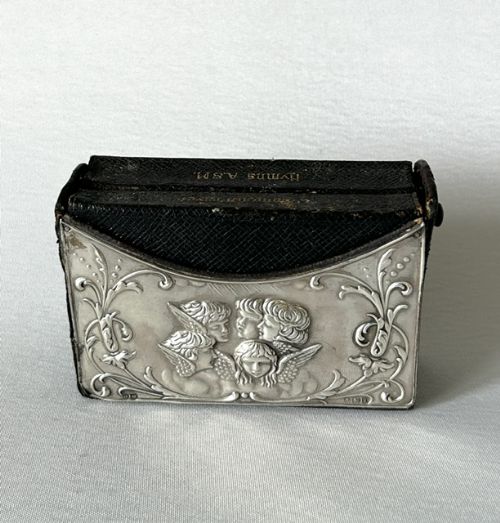
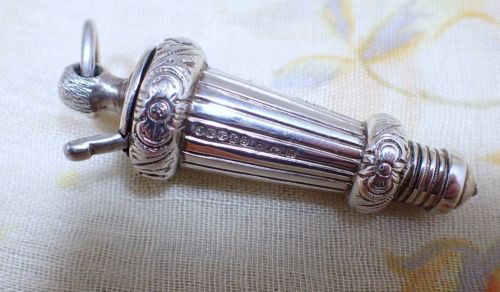
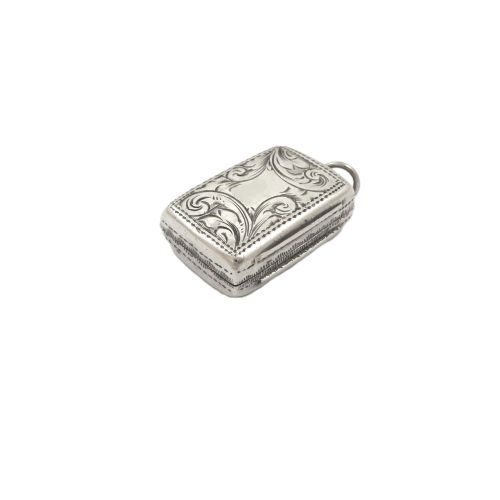
A victorian silver charm encompasses a diverse array of small decorative items, from miniature animal figures and novelty mechanical pencils to intricate lockets and lucky tokens. Many were originally suspended from chatelaines, watch chains, or dedicated charm bracelets, functioning as personal statements or keepsakes.
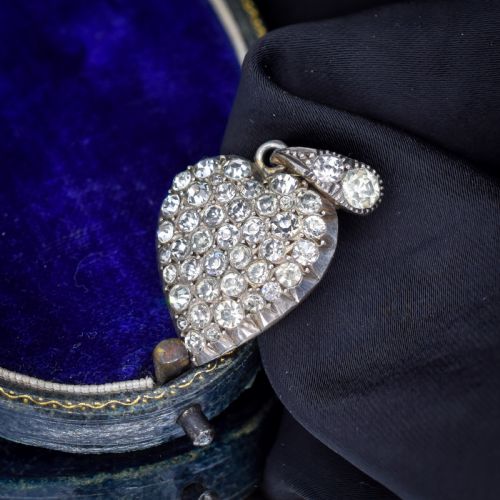
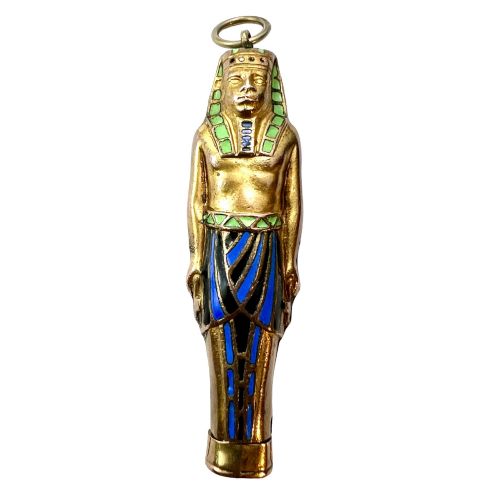
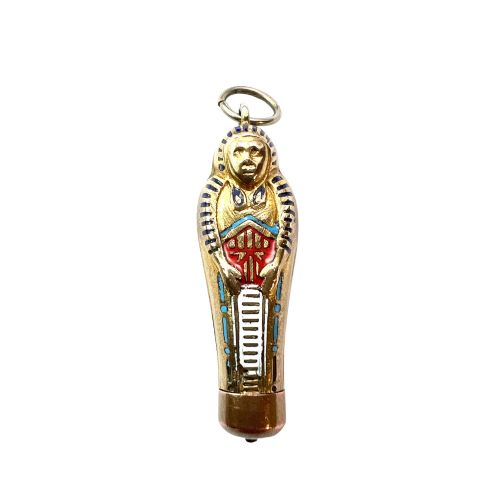
The selections span standard sterling silver fabrications alongside pieces enriched with enamel, gemstones, and glass inserts. While many originate from the Victorian era, related items stretch into Edwardian and early twentieth-century designs, including Scottish pebble jewellery and Egyptian Revival novelties.
How they were made
Silversmiths utilised traditional techniques such as casting, repoussé, and bright-cut engraving to create depth and texture on small surfaces. Sterling silver served as the primary structural metal, frequently paired with gold accents, leather, and mother-of-pearl.
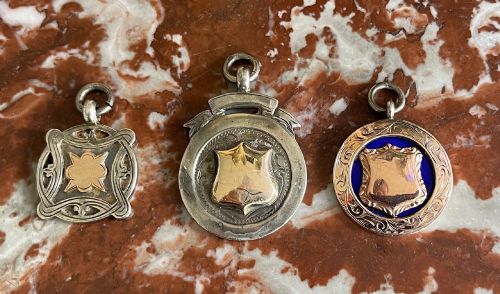
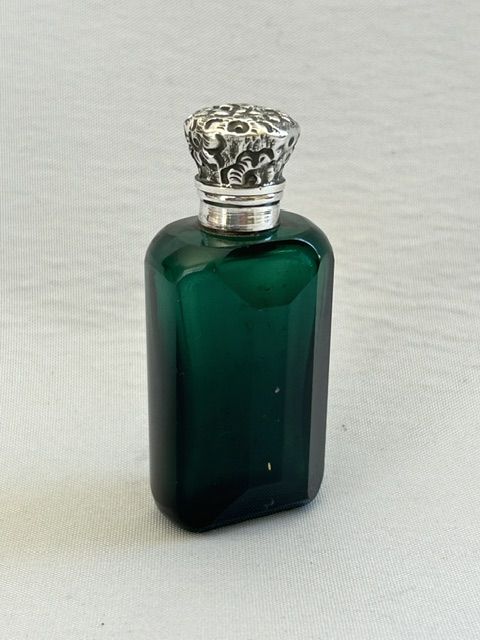
Colour entered these miniature works through vitreous enamel, coloured glass like Bristol green and amber, and native gemstones including agates and bloodstones. Mechanical elements, such as working propelling pencils and opening lockets, required precise hinge and swivel construction.
Victorian Silver Charm Retail Price Guide 2026
Typical asking prices for victorian silver charm among the pieces listed under this phrase on Sellingantiques today, from the lower quarter to the upper quarter. They describe what is for sale here now, not the wider market.
The documented examples span Victorian, Edwardian, and 1920s periods, incorporating regional styles like Scottish pebble work.
What varies in quality
Material integration also dictates tier, with intact enamel work, unblemished gemstone panels, and clear hallmarks conferring greater distinction. Pieces that combine multiple materials, such as gold highlights on silver or specialised glass with silver mounts, represent more ambitious manufacturing.
Hamilton and Co Calcutta·Charles May Birmingham·William Comyns·Foxhall and Co·Henry Cook·Garrard and Co
The Victorian Silver Charm Glossary
- Chatelaine
- A decorative belt hook suspended with chains carrying practical household items like scissors, watches, and scent bottles.
- Vesta case
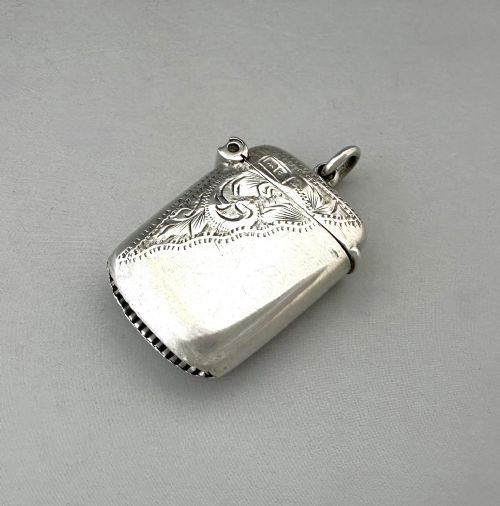
- A small portable box designed to hold wax matches, frequently decorated with engravings or novelty animal shapes.
- T bar
- A transverse metal bar attached to the end of a pocket watch chain, used to secure the chain through a buttonhole.
- Niello
- A black metallic alloy used as a contrasting inlay on engraved silver surfaces to highlight decorative patterns.
- Paste glass
- Cut and faceted glass used historically to imitate precious gemstones in antique jewellery.
Victorian Silver Charm: Frequently Asked Questions
What is a victorian silver charm?
A victorian silver charm is a small decorative pendant or novelty item made during the nineteenth century, often worn on bracelets or watch chains.
These pieces range from realistic animal figures and miniature functional objects to lucky symbols and hardstone lockets.
How were these charms worn?
Original owners typically suspended them from chatelaines, heavy Albert watch chains, or specialised charm bracelets designed to hold multiple hanging items.
Some served purely decorative or sentimental purposes, while others functioned as tiny whistles, stamp cases, or scent bottles.
How do I identify the period?
Dating relies on examining assay office hallmarks, maker marks, and stylistic indicators such as Victorian Gothic, Scottish Revival, or Edwardian motifs.
Material choices, including specific glass colours and enamel techniques characteristic of the late nineteenth century, also help determine age.
Are these pieces made of solid silver?
Most items are fashioned from sterling silver or standard silver plate, occasionally enhanced with gold accents or gemstone elements.
Maker marks and silver hallmarks stamped directly onto the metal confirm the specific composition and origin of the piece.