

Victorian Shelf Bracket
A victorian shelf bracket provides architectural support and display space, turning plain walls into focal points with period character.
Victorian Shelf Bracket
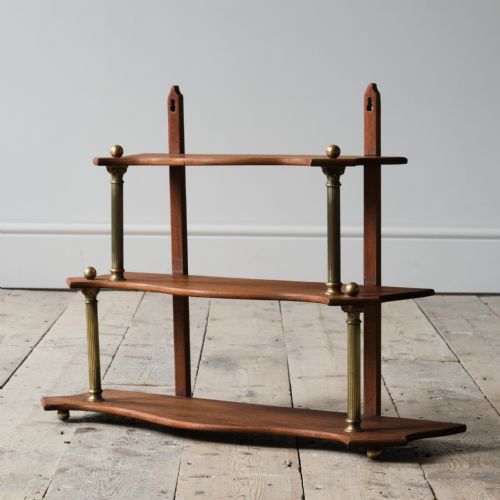
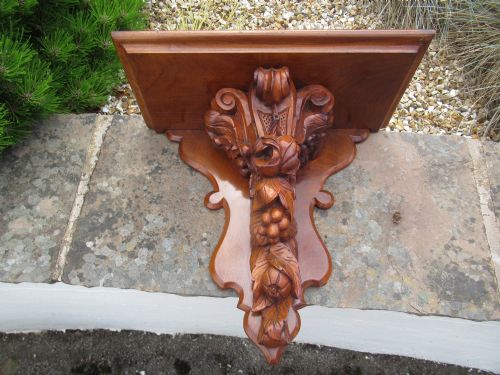
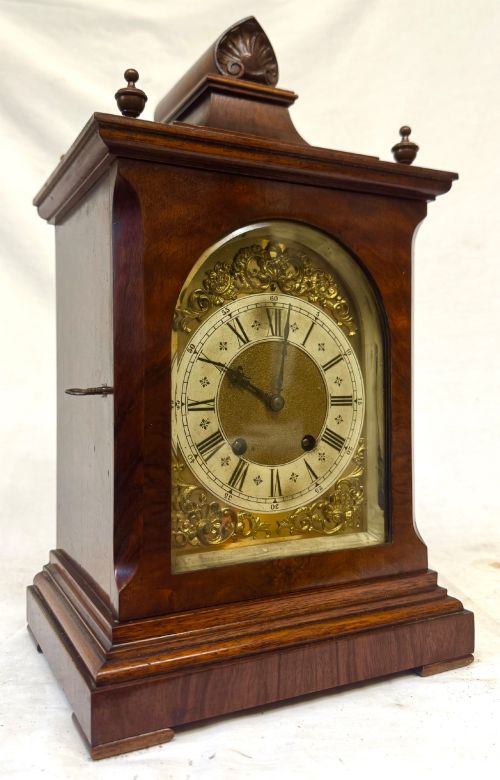
When you search for a victorian shelf bracket, you find architectural fittings and display furniture designed to hold clocks, mirrors or ornaments. The selection spans wall-mounted shelves, hanging brackets and corbels from the nineteenth century.
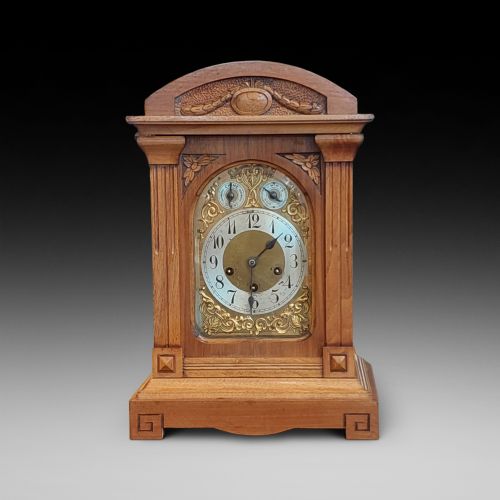
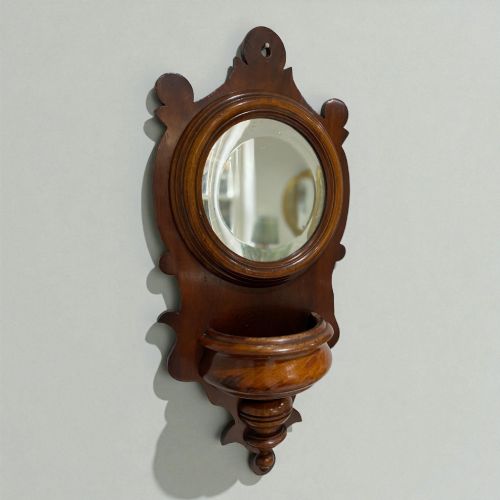
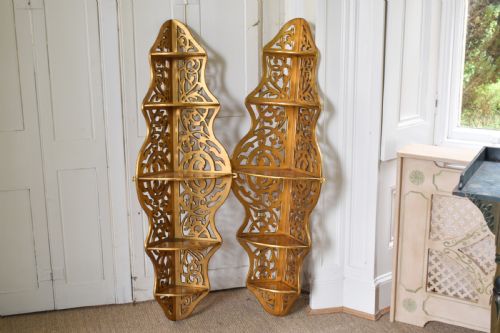
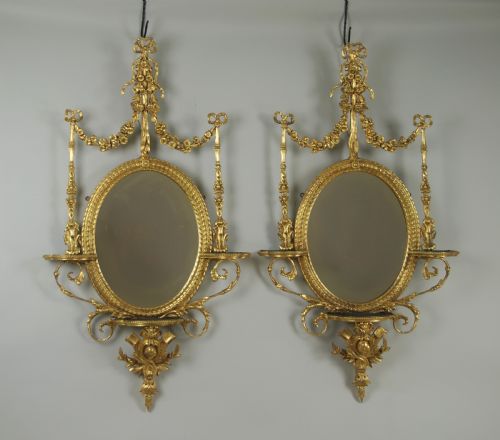
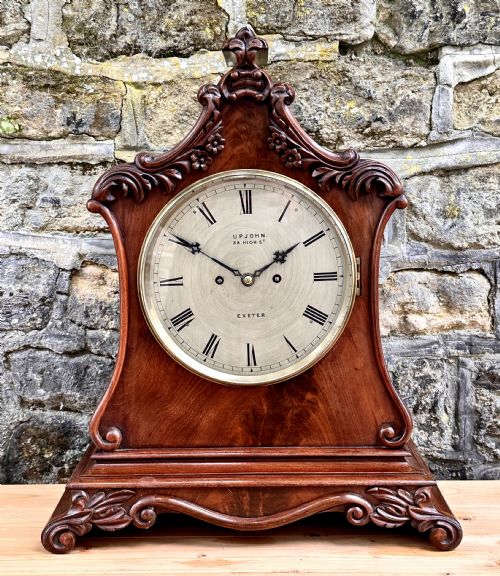
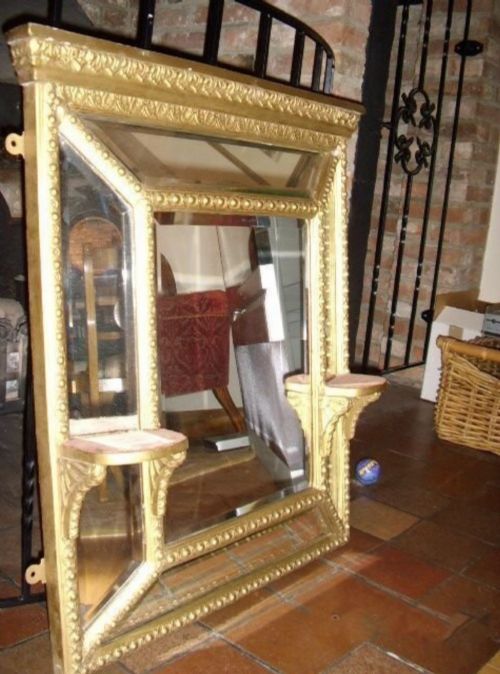
The most common forms on this page include mahogany, walnut and giltwood wall brackets alongside timber corner shelves and architectural salvage pieces. Many items combine display ledges with clock movements or mirror glass.
Origins range from British Victorian workshops to continental revival styles, reflecting diverse domestic interiors of the era. Pieces often feature carved wood, terracotta or earthenware to support weight while adding decorative depth.
Materials and construction
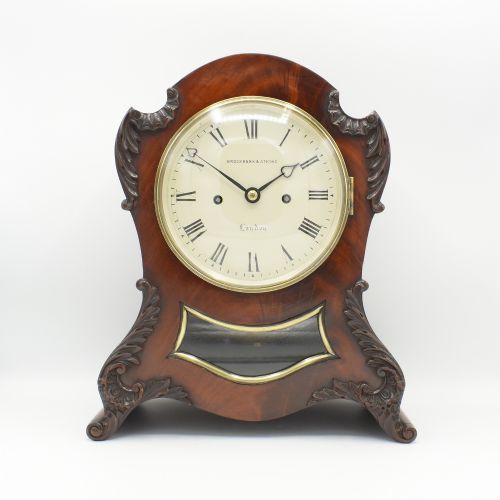
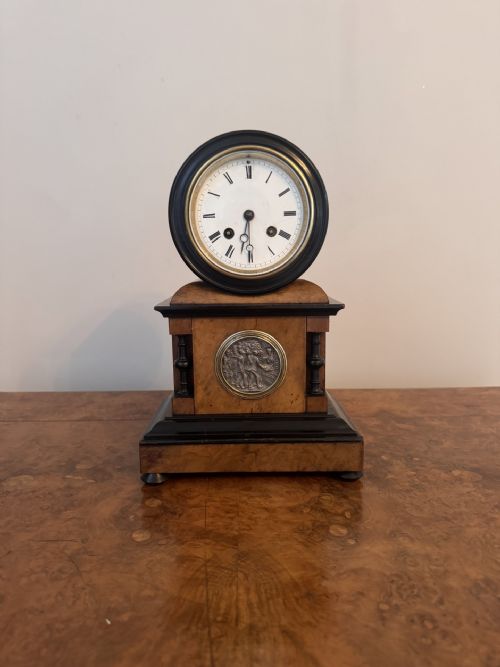
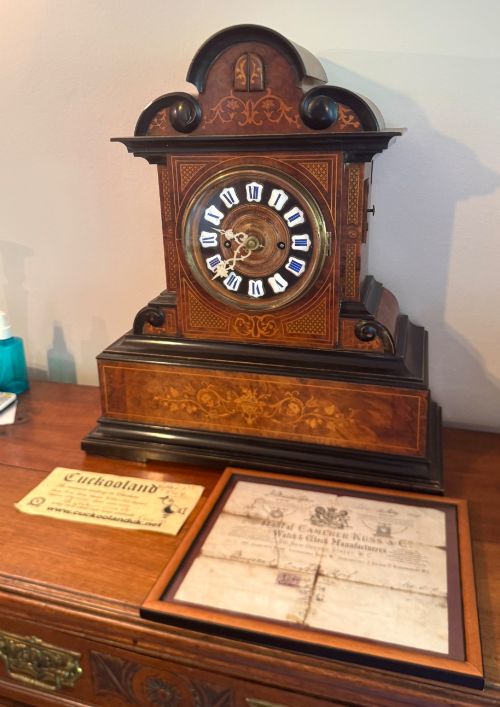
Cabinet makers utilised dense hardwoods such as mahogany, walnut and ebonised wood, often incorporating marquetry inlay, satinwood or gilt accents. These timbers were carved into corbels, shelves and clock cases designed for wall hanging.
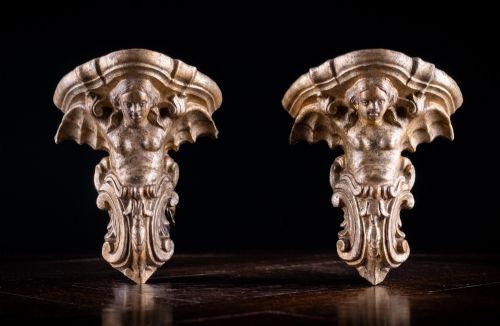
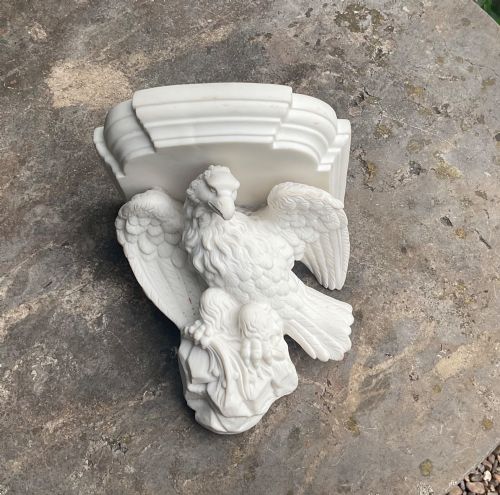
Alternative materials include cast bronze, gilt terracotta, parian ware and majolica pottery, moulded into decorative figures, sirens and eagles. Glass components such as bevel-cut mirrors and clock faces complete the construction.
Victorian Shelf Bracket Retail Price Guide 2026
Typical asking prices for victorian shelf bracket among the pieces listed under this phrase on Sellingantiques today, from the lower quarter to the upper quarter. They describe what is for sale here now, not the wider market.
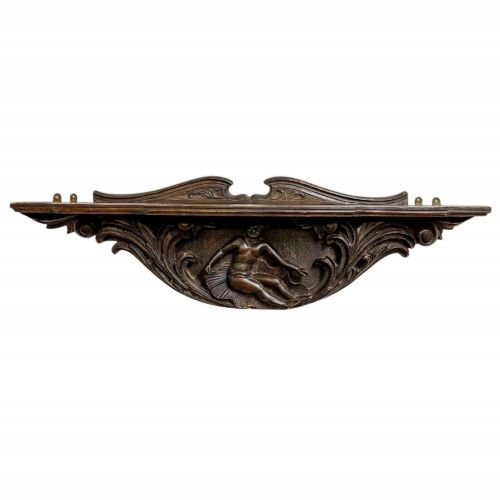
A winged siren holds up the wall in one bracket, proving Victorian decorators knew how to make gravity dramatic.
Judging quality in these pieces
The distinction between standard items and superior examples lies in the crispness of the carving and the depth of the timber grain or gilding. Hand-carved walnut and finely cast bronze demonstrate greater artisanal skill than mass-produced alternatives.
Integration of materials also dictates worth, such as the precision of marquetry inlay, the presence of original provenance and the complexity of associated clock movements or mirror glass.
Brockbanks And Atkins·Sir John Bennett·Thomas A Paris·J Kingerley Manchester·Piggin Norwich
The Victorian Shelf Bracket Glossary
- Corbel
- A structural piece of stone, wood or metal jutting from a wall to carry a superincumbent weight. In these listings, they appear as decorative carved wall brackets.
- Marquetry
- Decorative veneer applied to furniture in geometrical patterns or pictorial scenes. It frequently adorns nineteenth-century clock cases and wall brackets.
- Majolica
- Tin-glazed earthenware popular during the nineteenth century. Makers utilised this technique for colourful, sculptural wall shelves and brackets.
- Fusee
- A conical pulley used in clock movements to maintain even tension on the mainspring as it unwinds. Better nineteenth-century bracket clocks utilise this mechanism.
- Giltwood
- Wood that has been treated with gold leaf or gold paint. It defines the rich finish seen on many Victorian mirrors and display brackets.
Victorian Shelf Bracket: Frequently Asked Questions
How do I hang a heavy wooden bracket safely?
Secure the bracket directly into wall studs or use appropriate masonry fixings depending on your wall type. Ensure the weight capacity matches the items you intend to display.
Check that internal fixing points or brackets are structurally sound before mounting antique timber or ceramic pieces.
Were these brackets meant for clocks or shelves?
Both functions exist within this category, as many nineteenth-century wall brackets were built specifically to support mantel clocks or pocket watch displays. Others served as general display ledges for ornaments and mirrors.
Clock brackets often include fitted platforms or sound apertures, whereas standard shelves prioritise flat display surfaces.
How do I identify the Victorian aesthetic movement style?
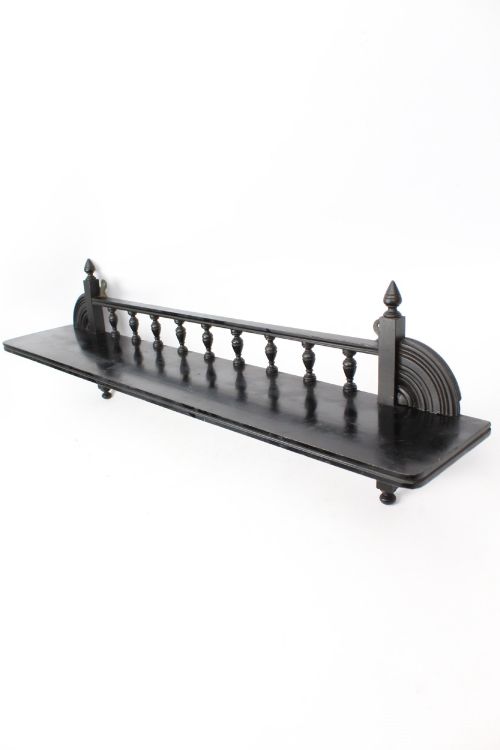
Aesthetic movement pieces from the 1880s reject heavy Victorian ornamentation in favour of simpler lines, ebonised surfaces and Japanese-inspired motifs. They often utilise contrasting wood tones and understated geometric forms.
These brackets focus on artistic harmony within the interior rather than revivalist architectural grandeur.
Can ceramic wall brackets hold heavy items?
Ceramic and terracotta brackets, such as majolica or parian pieces, are primarily decorative and designed for light display items rather than heavy loads. The material is rigid but brittle under sudden pressure.
Consult the backplate and mounting structure to gauge whether a ceramic bracket is suitable for anything heavier than small porcelain figures.