




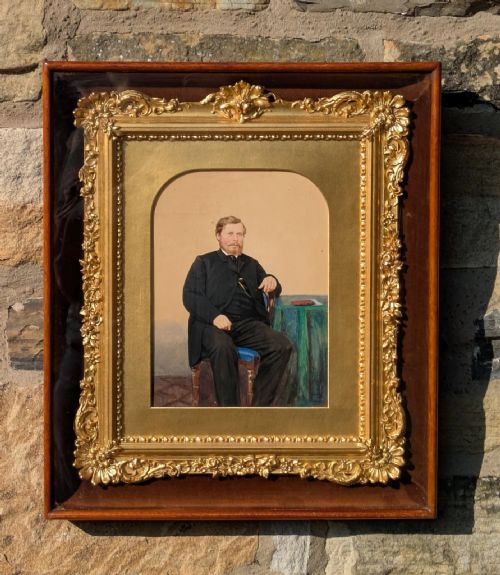


Victorian Shadow Box
A Victorian shadow box brings the depth of maritime diorama and natural history inside glazed timber frames.
Victorian Shadow Box
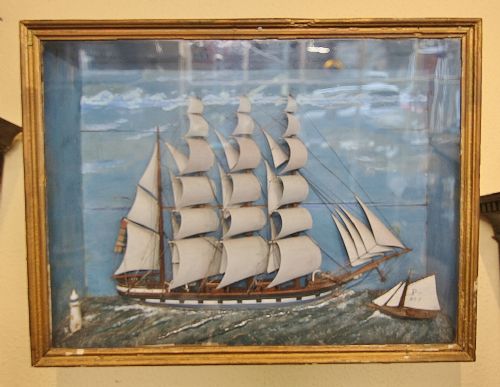
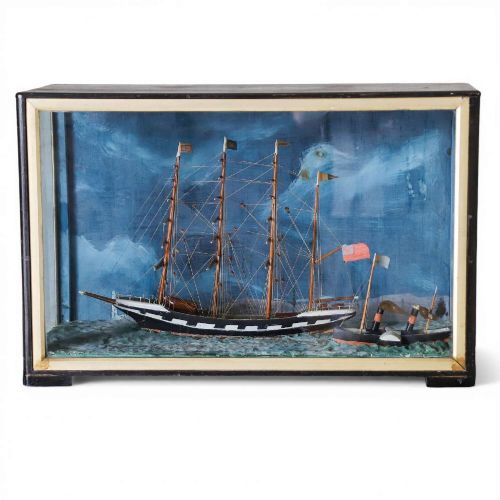
When searching for a victorian shadow box, collectors encounter deep glazed frames, maritime dioramas, and taxidermy displays designed to project subjects outward. The selections on this page span intricate cork ship models, taxidermy birds in snow scenes, and framed needlework or portraits mounted on velvet. These items capture nineteenth century narrative arts through three-dimensional composition.
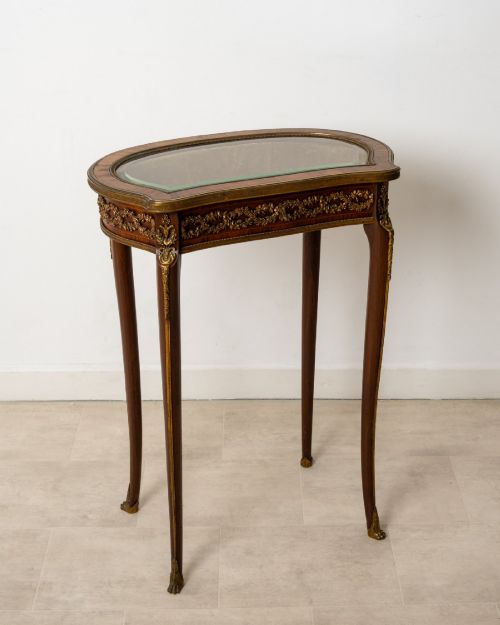
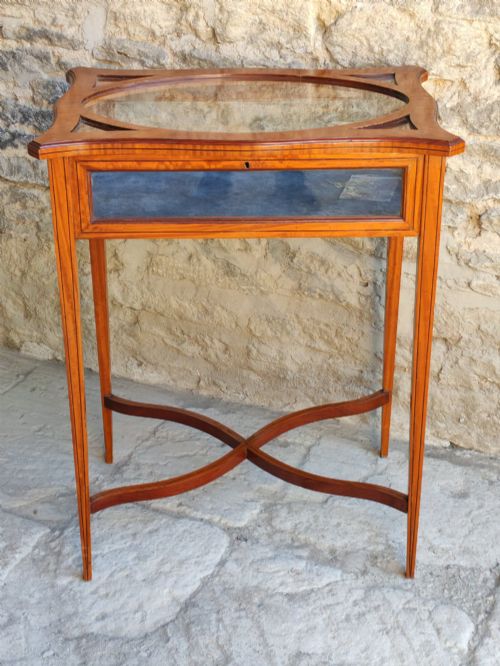
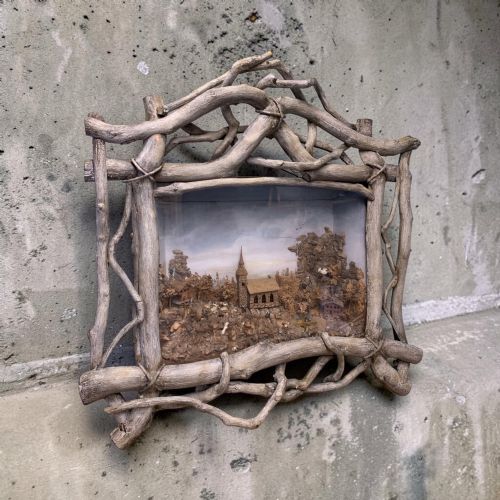
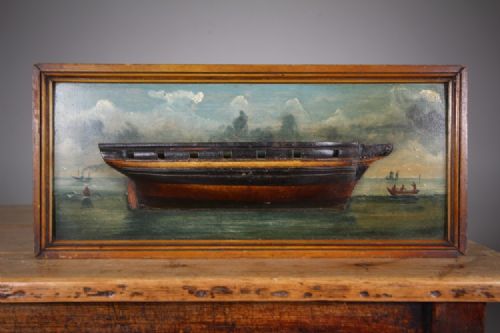
The form stretches from maritime folk art depicting sailing vessels like the Glynllifon to taxidermy kingfishers and owls housed in oak or mahogany cases. Maritime dioramas dominate the selection, often utilising painted backdrops with layered hulls constructed from wood, cork, straw, or shellwork. Bijouterie tables and display cabinets also appear, offering horizontal glass protection for smaller curiosities.
Materials and Construction Methods
Maker construction relies heavily on timber framing in mahogany, satinwood, rosewood, and oak to house delicate internal scenes securely behind deep glass. Interior backdrops incorporate painted canvas, layered paper, and textured materials like cork, shell, and straw to build realistic perspective in miniature.
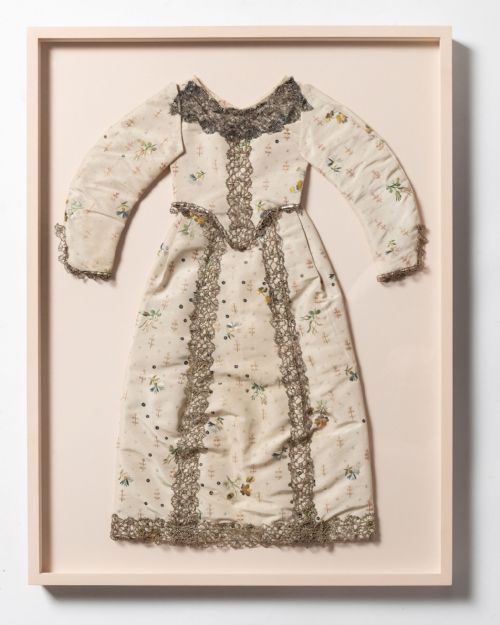
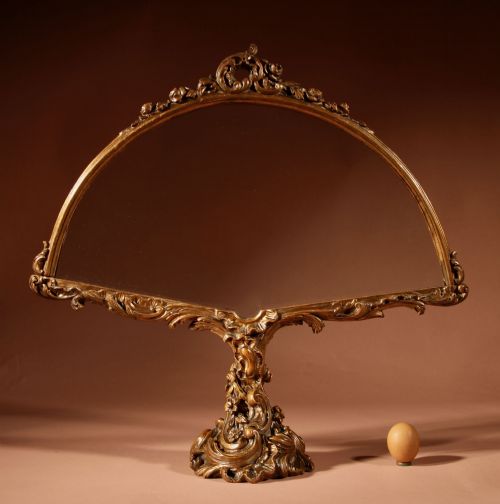
Makers integrated velvet and fabric mounts to anchor portraits, fans, and small objects within gilded picture frames or dedicated wooden shadow boxes. Brass, ormolu, and inlay work frequently adorn the exterior borders of bijouterie tables and glazed display cases.
Victorian Shadow Box Retail Price Guide 2026
Typical asking prices for victorian shadow box among the pieces listed under this phrase on Sellingantiques today, from the lower quarter to the upper quarter. They describe what is for sale here now, not the wider market.
Nineteenth century makers occasionally employed discarded cork and dried twigs to construct surprisingly convincing oceanic waves for miniature sailing ships.
Distinctions in Quality and Execution
Quality rests in the precision of the interior miniature work, particularly the rigging of model ships and the preservation state of taxidermy specimens. Superior examples combine detailed painted seascapes with complex cork or straw work that maintains structural integrity across decades.
The choice of cabinet timber and frame ornamentation also dictates standing, with finely inlaid rosewood and gilded brass mounts marking more ambitious workshop output. Original glass and undisturbed interior mounts hold greater appeal for serious collectors.
The Victorian Shadow Box Glossary
- Bijouterie table
- A glass-topped display table designed to showcase small valuable objects and curiosities. These tables typically feature hinged lids and velvet-lined interiors.
- Diorama
- A three-dimensional scene featuring miniature models set against a painted background. In nineteenth century pieces, these frequently depict sailing ships at sea.
- Ormolu
- Gilded bronze applied as decorative mounts on furniture and display cases. The technique enhances the visual richness of Victorian mahogany and rosewood pieces.
- Folk art
- Utilitarian or decorative items created by self-taught makers using traditional crafts. Examples include cork, shell, and straw work models.
Victorian Shadow Box: Frequently Asked Questions
What is a shadow box?
A shadow box is a deep, glass-fronted frame built to enclose and protect three-dimensional objects. It creates a contained display space that shields delicate items from dust while allowing all-angle viewing.
In the nineteenth century, these boxes housed everything from maritime ship models to taxidermy scenes and portrait displays.
How were maritime dioramas made?
Maritime dioramas were constructed using carved wooden, cork, or straw hulls placed before painted canvas backdrops. Makers added fine thread for rigging and tiny painted waves to simulate movement at sea.
These detailed scenes were then sealed inside deep glazed timber frames to preserve the fragile interior components.
Where should I place a display table?
Display tables suit drawing rooms and studies where their glass tops can protect small collections from dust and handling. Placing them away from direct sunlight prevents fading on velvet linings and delicate paper items.
These tables function as both furniture and enclosed vitrines for personal curiosities.
How do I care for taxidermy displays?
Taxidermy in glass cases requires stable indoor humidity and shelter from direct heat sources that dry out historical materials. The sealed nature of shadow boxes and oak cases protects the specimens from environmental damage.
Owners should clean only the exterior glass surfaces while leaving the sealed interior undisturbed.