



Victorian Sevres Style Table
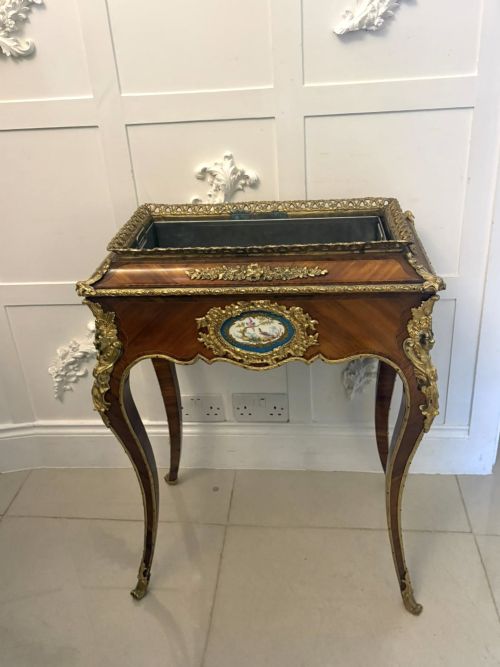
A victorian sevres style table brings together porcelain plaques and gilt bronze mounts to capture the ornate character of nineteenth-century French revival interiors.
Victorian Sevres Style Table
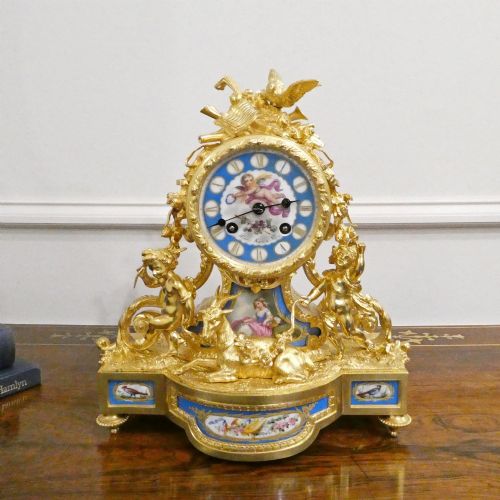
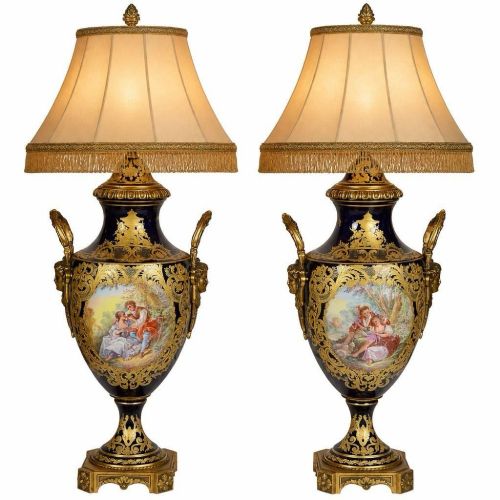
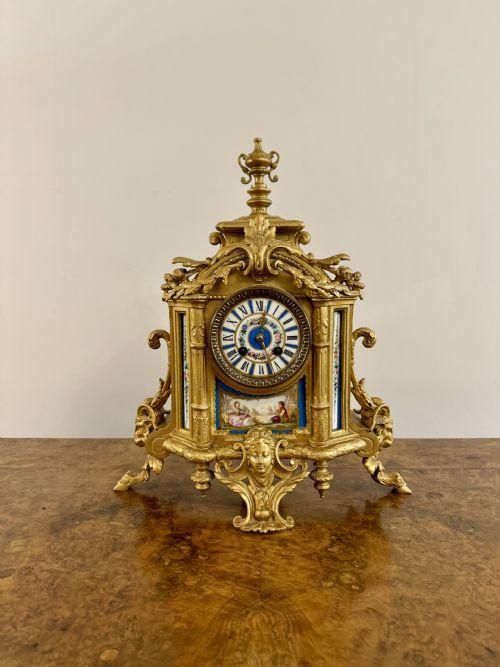
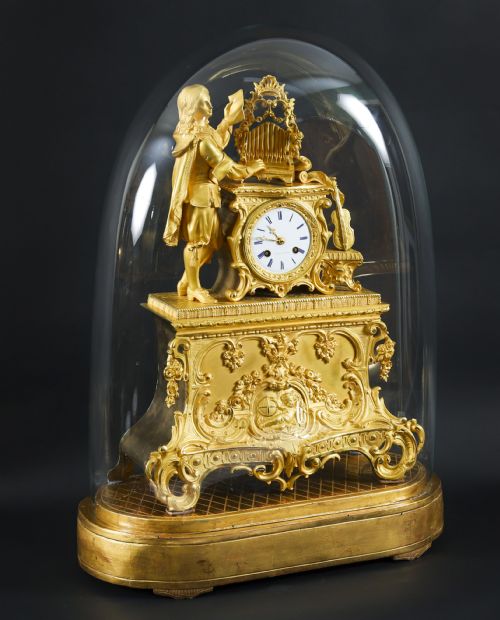
When you search for a victorian sevres style table, you encounter decorative furniture and centrepieces incorporating painted porcelain plaques within gilt metal frames. These items emerge from nineteenth-century British and French workshops embracing continental revival aesthetics.
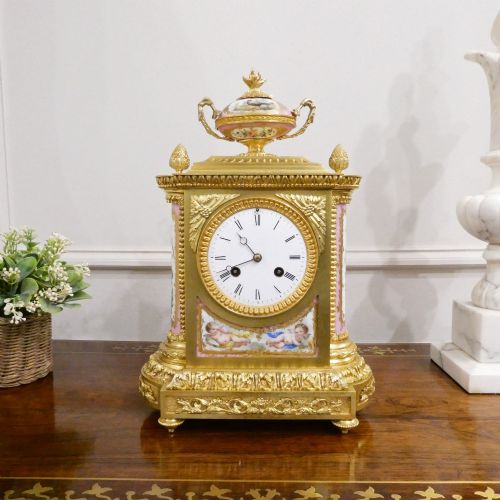
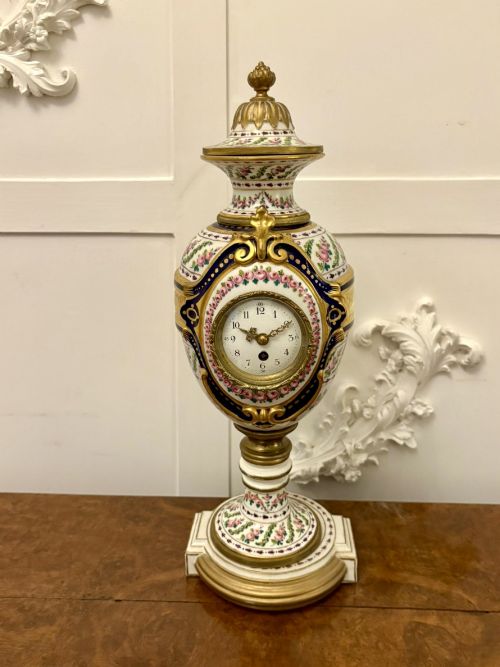
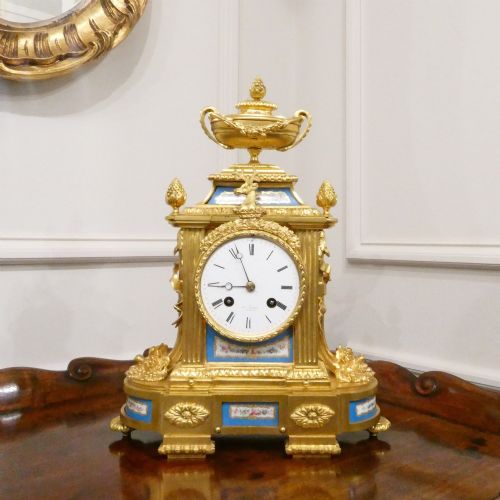
The selection on this page centres primarily on centre tables, desks, and dressing tables alongside complementary items such as mantel clocks, lamps, and comports. Walnut, kingwood, and amboyna often provide the timber foundation for these porcelain-mounted surfaces.
Most examples date across the nineteenth century, particularly spanning the decades from eighteen-fifty to eighteen-ninety. Makers frequently adopted French Rococo Revival, Napoleon III, and Louis XVI styles for these decorative furnishings.
How they were made
Craftsmen built these pieces using hardwood carcases veneered in exotic timbers like walnut and kingwood, then mounted them with cast ormolu and gilt bronze. Hand-painted porcelain plaques, often finished in bleu celeste or bleu royale, were inset directly into the timber surfaces or metal frames.
Foundries produced the gilt metal mounts through lost-wax or sand casting before chasing the surfaces by hand to achieve crisp detail. The porcelain panels received hand-painted floral or figural compositions, frequently framed by enamel work and gilded borders.
Listings feature nineteenth-century items spanning the Victorian era, utilising materials such as porcelain, ormolu, walnut, and gilt bronze.
What varies in quality
Quality rests upon the crispness of the gilt bronze chasing and the artistic merit of the hand-painted porcelain plaques. Finer examples display deeply articulated bronze mounts and carefully detailed ceramic painting rather than stencilled decoration.
The selection of cabinet timbers and the precision of the joinery further distinguish the pieces. Superior desks and tables integrate the porcelain panels securely into the timber structure with seamless veneer work.
Jean-Baptiste Delettrez·Henry Marc·Leroy Paris·PH Mourey·Edwards and Roberts·Miroy Freres
The Victorian Sevres Style Table Glossary
- Ormolu
- Gilt bronze or brass mounts applied to furniture and clocks. This technique creates decorative highlights across nineteenth-century pieces.
- Bleu Celeste
- A bright turquoise blue ceramic ground colour often found on porcelain plaques. It serves as a distinctive background for hand-painted floral motifs.
- Bonheur de Jour
- A small ladies writing desk featuring a small cabinet or set of drawers on top. These desks frequently incorporate inset porcelain panels.
- Comport
- A decorative pedestal dish or bowl used for serving fruit or display. They appear in porcelain mounted with gilt metal stands.
- Pate Sur Pate
- A ceramic decoration method where wet white porcelain slip is built up in layers on a coloured background. This creates a low-relief cameo effect.
Victorian Sevres Style Table: Frequently Asked Questions
What is a sevres style table?
A sevres style table is a nineteenth-century furniture piece decorated with hand-painted porcelain plaques and gilt bronze mounts. These tables reflect French revival tastes popular during the Victorian era.
They function as decorative centrepieces or display surfaces, combining rich wood veneers with ceramic art. The style draws inspiration from eighteenth-century French royal porcelain manufacture.
How do I clean gilt bronze mounts?
Gilt bronze mounts require careful dusting with a soft, dry brush to prevent the accumulation of dirt. Avoid using chemical polishes, which can strip the thin layer of gold leaf from the metal.
Moisture should be kept away from both the gilt surfaces and the adjacent porcelain plaques. Gentle maintenance preserves the original finish of the metalwork.
Were these tables made in France or England?
Many pieces were manufactured in France and imported into Britain during the nineteenth century. British cabinet makers also produced similar items influenced by French design.
Parisian makers and London firms often retailed comparable porcelain-mounted furniture to affluent Victorian buyers. Maker marks or stamps on the bronze work help clarify the origin.
How do I date these pieces?
Dating relies on stylistic clues, construction methods, and maker signatures found on the bronze or porcelain. The nineteenth century saw distinct shifts from Rococo Revival to Napoleon III and Louis XVI revival tastes.
Bonheur de jour desks and mantel clocks from the eighteen-sixties and eighteen-eighties display specific joinery and casting characteristics. Comparing the decorative motifs with documented examples helps narrow the production period.