



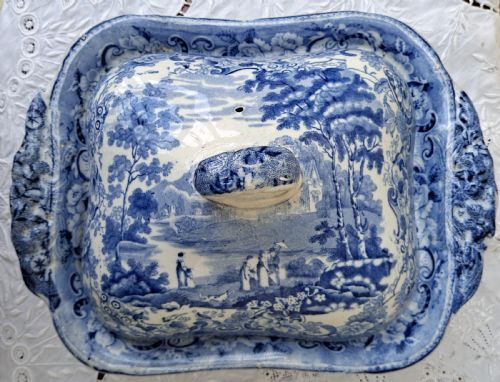

Victorian Serving Dishes
These Victorian serving dishes bring practical nineteenth-century craftsmanship and substantial table forms directly to modern dining spaces.
Victorian Serving Dishes
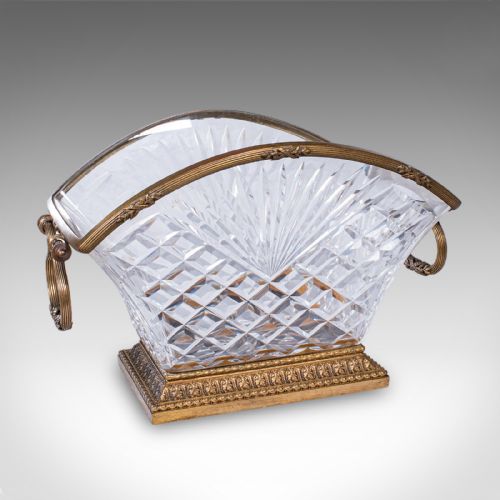
Victorian serving dishes encompass a wide variety of practical dining forms designed for nineteenth-century hospitality, ranging from large meat platters to lidded vegetable tureens and game pie dishes. Buyers browsing this selection frequently encounter sturdy earthenware and porcelain vessels alongside silver-plated metalware intended for heavy dining room use.
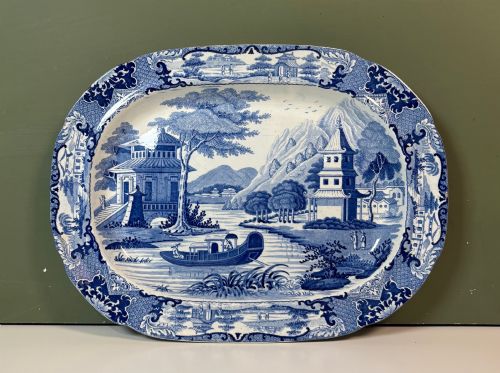
The objects originate primarily from British potteries and silversmiths operating during the nineteenth century, reflecting the prevailing domestic tastes of the period. Blue and white transfer-printed pottery and ornate silver-plated serving accessories dominate the available selection on this page.
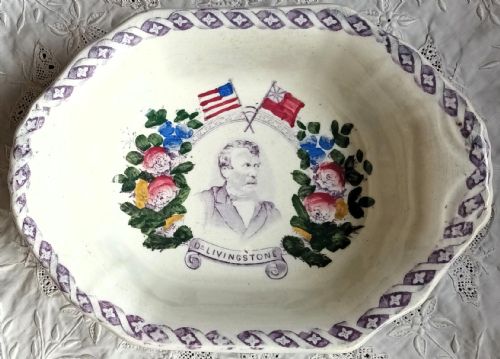
Makers utilised diverse regional styles, incorporating traditional floral transfer prints, classical architectural motifs, and commemorative historical themes into everyday dining equipment. These pieces transitioned from functional kitchen implements to decorative centrepieces maintained for display.
Materials and Techniques
Pottery items rely on ceramic earthenware, porcelain, and ironstone bodies finished with applied glazes and transfer-printed or hand-painted cobalt decorations. Artisans shaped these clay bodies into heavy platters and tureens designed to withstand frequent use at the dining table.
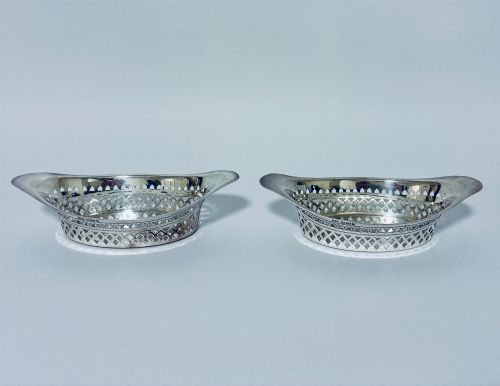
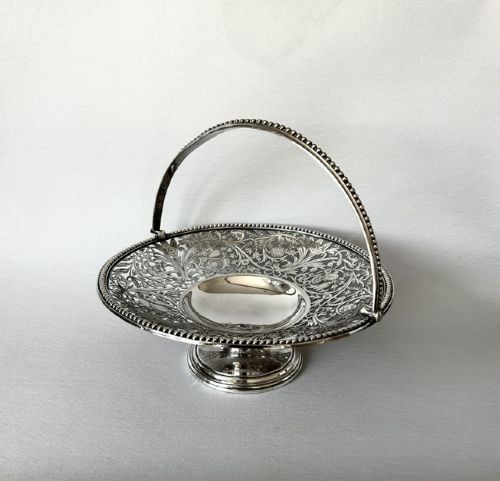
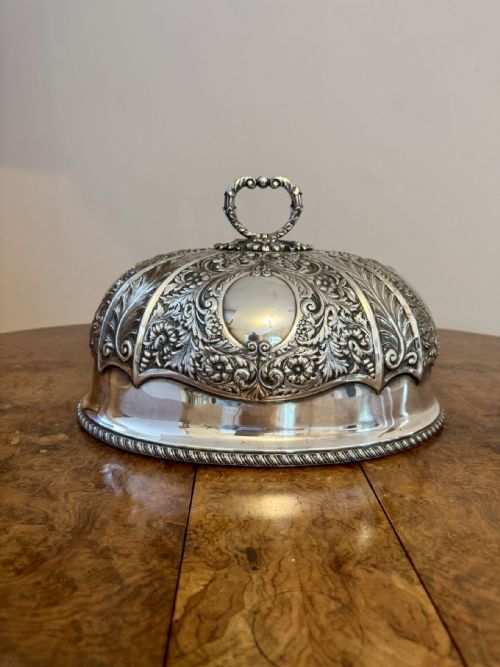
Metal items employ silver plate over base metals, combined with cast or hand-engraved floral motifs and sometimes mounted on ebonised wood or ormolu frames. Silversmiths utilised complex rolling and revolving mechanisms for specialised butter and preserve dishes to keep food protected.
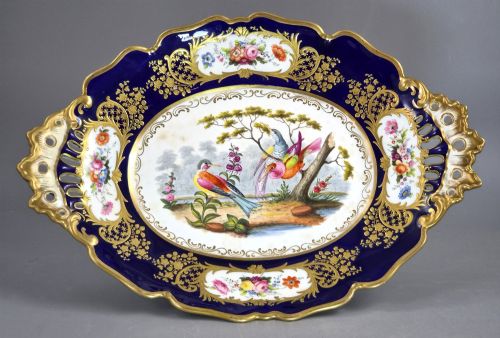
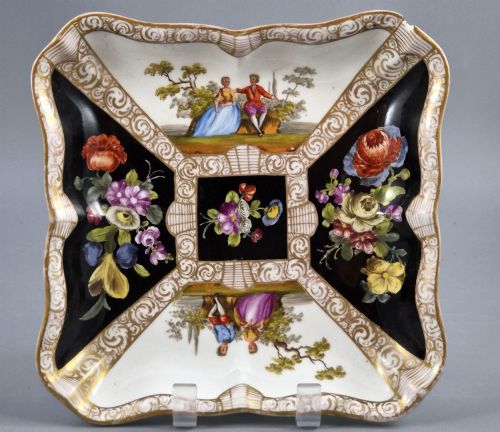
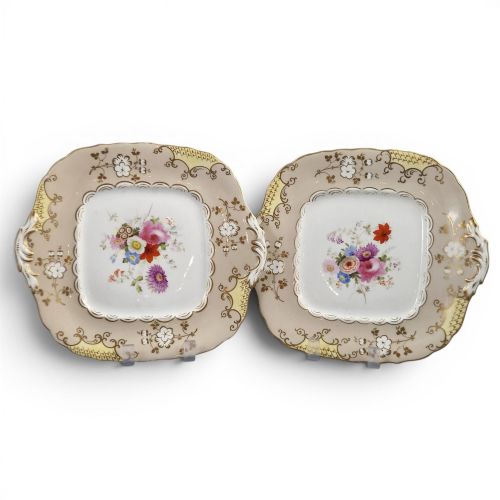
Surface ornamentation ranges from detailed transfer-printed rural scenery to hand-applied gold leaf gilding and enamel highlights. Kiln firing temperatures and the purity of the clay determined the final durability of the ceramic tableware.
Victorian Serving Dishes Retail Price Guide 2026
Typical asking prices for victorian serving dishes among the pieces listed under this phrase on Sellingantiques today, from the lower quarter to the upper quarter. They describe what is for sale here now, not the wider market.
Markers of Distinction
The standard of execution in nineteenth-century tableware depends heavily on the crispness of the transfer print and the precision of hand-painted enamel details applied over the glaze. Superior ceramic examples display balanced proportions, clean foot rims, and minimal kiln distortion during firing.
Silver-plated items separate themselves through the weight of the underlying metal and the depth of the hand-engraved floral decoration rather than surface shine alone. Intricate mechanical elements, such as the hinges on revolving butter dishes, indicate higher workshop standards and careful mechanical design.
Royal Crown Derby·Coalport·Meissen·Wedgwood·Royal Doulton·Minton·Walker and Hall·Hukin and Heath
The Victorian Serving Dishes Glossary
- Tureen
- A deep covered bowl designed for serving soups, vegetables, or sauces at the dining table. These vessels typically include matching ceramic ladles or resting stands.
- Transfer Print
- A decoration technique where an engraved metal plate transfers a design onto paper, which is then stamped onto unglazed pottery before firing. This method allowed for consistent, detailed blue and white scenery across large dinner services.
- Silver Plate
- A base metal object coated with a thin layer of silver through an electroplating or Sheffield plating process. This technique provided the visual appeal of solid silver at a reduced manufacturing cost.
- Ironstone
- A heavy, durable type of feldspathic earthenware patented in the nineteenth century to imitate Chinese porcelain. It resists chipping far better than standard soft-paste ceramics.
- Game Pie Dish
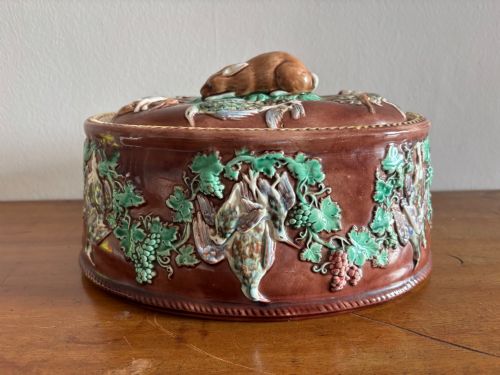
- A specialised lidded ceramic container featuring moulded animal motifs designed for baking and serving meats. These pieces often include detailed relief decoration depicting birds or foliage.
Victorian Serving Dishes: Frequently Asked Questions
How were Victorian serving dishes used?
These vessels were employed to present large joints of meat, vegetables, and desserts during formal nineteenth-century household meals. Domestic staff brought them directly from the kitchens to the dining table for family service.
Covered tureens kept food warm between courses, while open platters accommodated sliced roasts and poultry surrounded by decorative garnishes.
Can I use these antique dishes for serving food?
Most ceramic and silver-plated pieces remain structurally sound for serving dry foods, fruits, or baked goods during modern gatherings. Historic glazes and silver plate require careful hand washing rather than automated cleaning.
Acidic foods or liquids should not be left in nineteenth-century ceramic vessels for extended periods to protect the historic glaze surfaces.
How do I identify a Victorian meat platter?
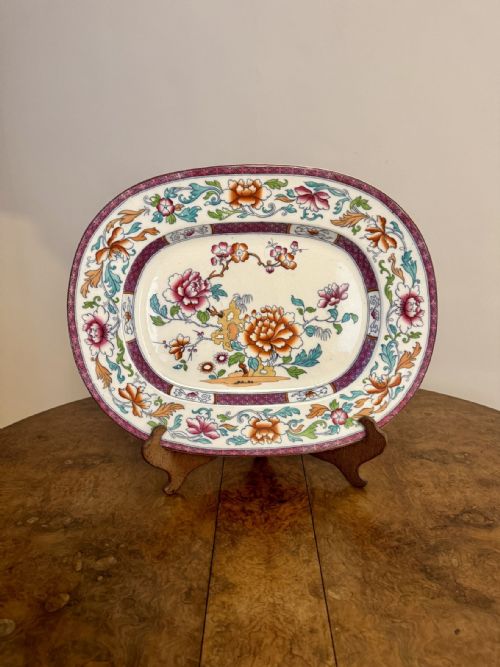
Victorian meat platters typically feature large oval or lobed forms with slight central wells and draining channels to collect juices. They often display heavy transfer-printed blue and white patterns or embossed floral borders.
Undersides frequently bear impressed pottery marks or maker stamps that help date the exact production era within the nineteenth century.
What is the difference between ironstone and earthenware?
Ironstone is a denser, highly vitrified type of ceramic developed in the nineteenth century to withstand heavy daily use. Standard earthenware remains more porous and heavier in weight.
Ironstone items produce a higher-pitched sound when tapped and show significantly less crazing in the glaze compared to older soft-paste earthenwares.