



Victorian Serpentine Vitrine Cabinet
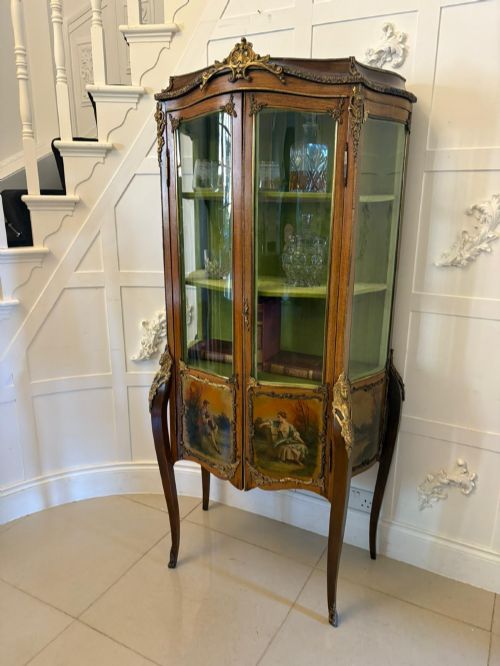
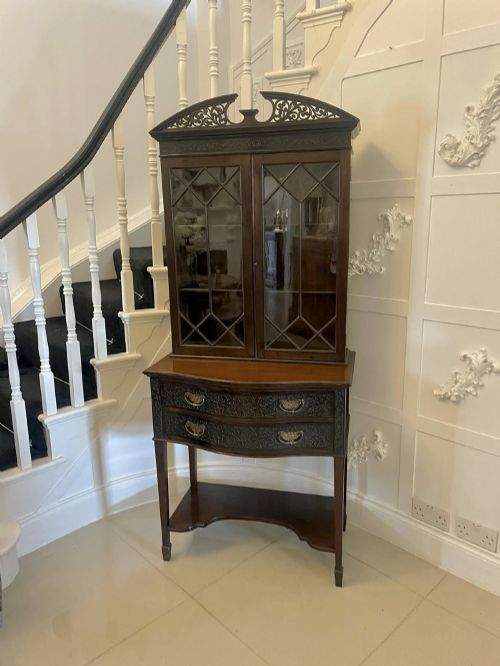
A victorian serpentine vitrine cabinet brings glass and polished timber together to hold your finest objects.
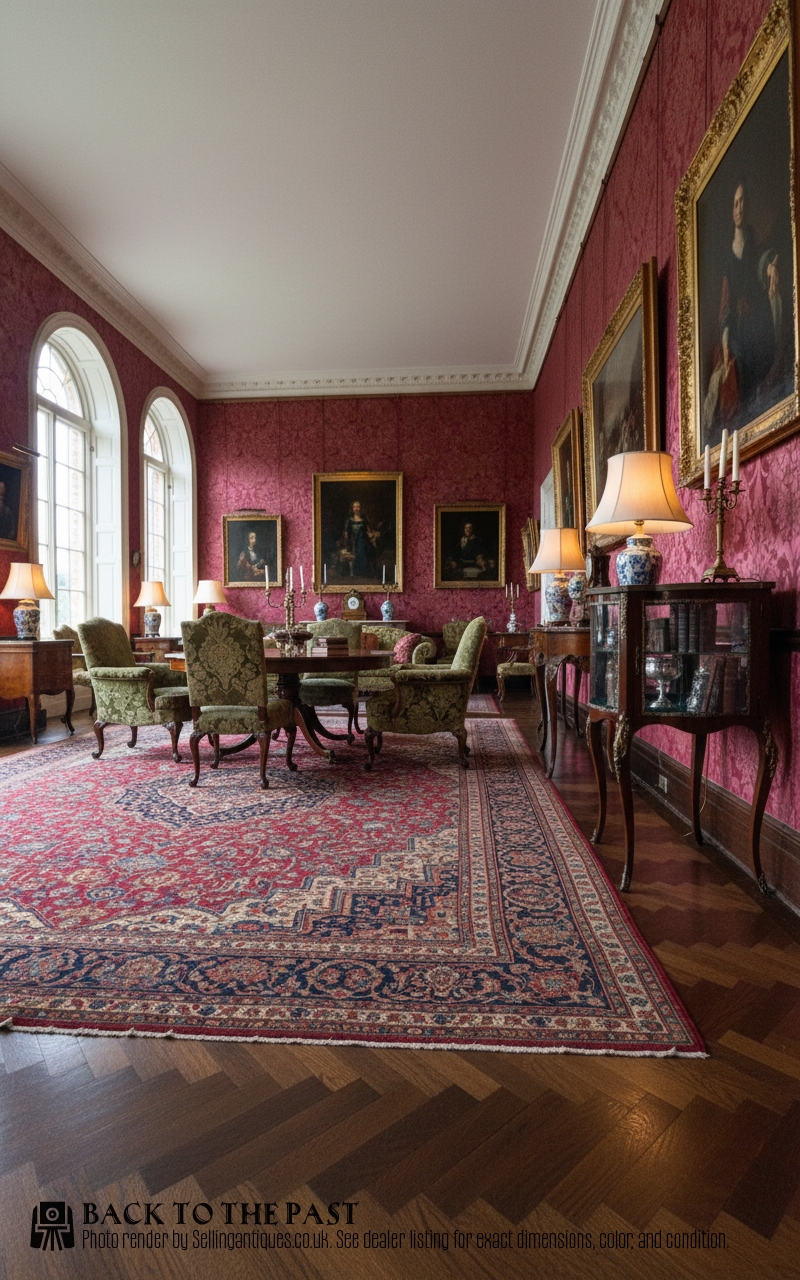
Victorian Serpentine Vitrine Cabinet
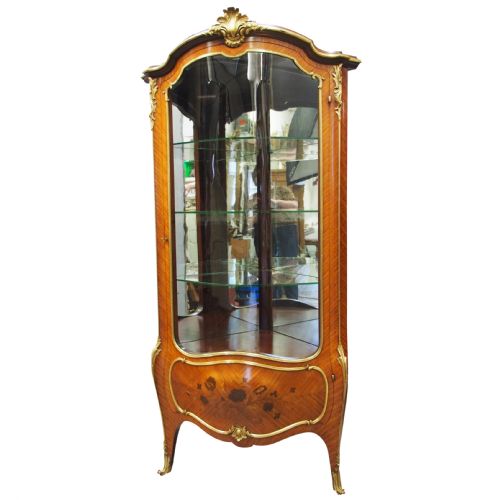
A victorian serpentine vitrine cabinet combines a curved glass-fronted display space with the distinctive undulating lines of the period. These pieces originate mainly from the nineteenth century and the Edwardian era, spanning styles from Sheraton Revival to Louis XV Revival.
The primary forms on this page include display cabinets, vitrines, and display tables designed to showcase precious objects. You will encounter freestanding models as well as corner configurations, often finished with detailed marquetry and inlay work.
How they were made
Cabinet makers utilised select timbers such as mahogany, satinwood, kingwood, and fruitwood to build the curved carcasses. Complex bending techniques shaped the timber into the characteristic serpentine fronts seen across these examples.
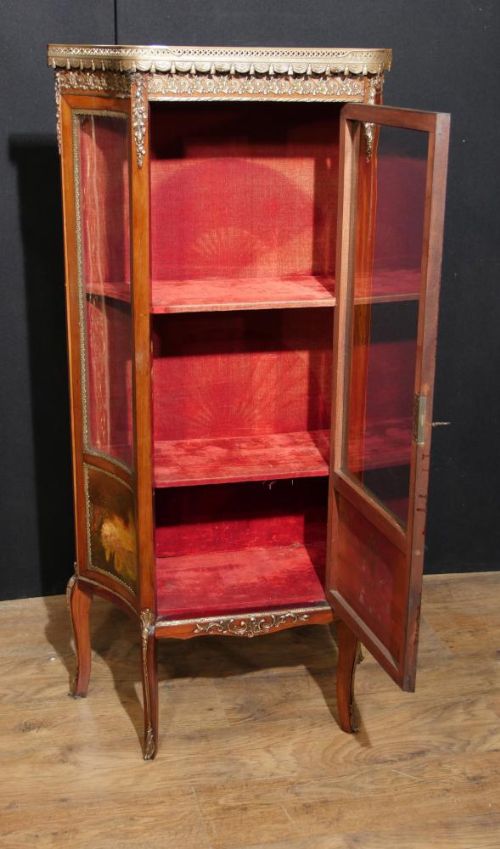
Gilders and metalworkers mounted cast ormolu mounts, brass details, and fabric linings including velvet to the interiors. Glaziers fitted curved or flat glass panels to enclose the display chambers securely.
Victorian Serpentine Vitrine Cabinet Retail Price Guide 2026
Typical asking prices for victorian serpentine vitrine cabinet among the pieces listed under this phrase on Sellingantiques today, from the lower quarter to the upper quarter. They describe what is for sale here now, not the wider market.
Listings feature mahogany, satinwood, kingwood, and fruitwood, often enhanced with ormolu mounts and glass panels.
What varies in quality
The standard of timber selection and the precision of the fruitwood inlay distinguish the finer examples from simpler production. Master workshops invested significantly more time in shaping the complex serpentine curves and matching veneer grains.
The quality of the cast ormolu mounts and the finish of the internal fabric lining indicate the original tier of manufacture. Well-executed marquetry and crisp carving signify makers of higher standing.
Edwards & Roberts
The Victorian Serpentine Vitrine Cabinet Glossary
- Serpentine
- A front profile characterised by a central convex curve flanked by two concave curves. This contour requires precise woodworking to achieve smoothly.
- Vitrine
- A glass-fronted display cabinet designed for exhibiting ceramics, silver, and curiosities. The term derives from the French word for glass.
- Ormolu
- Gilded bronze mounts applied to furniture for decoration. These metal details reflect light and accentuate the cabinet lines.
- Marquetry
- Decorative veneer patterns formed from pieces of different coloured wood and shell. Craftsmen pieced these elements together to create floral or geometric motifs.
- Vernis Martin
- A type of decorative lacquer finish developed in France. It mimics Asian lacquer work with glossy painted scenes.
Victorian Serpentine Vitrine Cabinet: Frequently Asked Questions
What is a serpentine vitrine cabinet?
A serpentine vitrine cabinet is an enclosed display piece featuring curved glass panels and a front profile that sweeps inward and outward. These pieces were built to exhibit delicate ceramics and precious collectables.
Craftsmen shaped the wooden frames using rich timbers and decorated them with inlay, marquetry, and ormolu mounts.
Where do these cabinets originate?
These cabinets date predominantly from the nineteenth century through to the Edwardian period. They reflect English cabinet making as well as French Louis XV revival influences.
Workshops in Britain produced many of these pieces, frequently incorporating Sheraton revival motifs and fine fruitwood marquetry.
How do I care for the wood and glass?
Keep these cabinets away from direct sunlight and sudden temperature changes to protect the polished timber and delicate veneer. Dust the glass and ormolu mounts gently with a soft, dry cloth.
Avoid using harsh chemical polishes on the historic surfaces, particularly around fabric linings and gilded bronze.
How do I spot a maker signature?
Maker marks on these cabinets usually appear stamped on drawer edges, stamped on locks, or carried on paper trade labels inside the carcass. Renowned firms like Edwards & Roberts occasionally stamped their names directly into the solid timber framework.
Many high-quality pieces remain unmarked, relying on construction methods and timber quality for identification.