
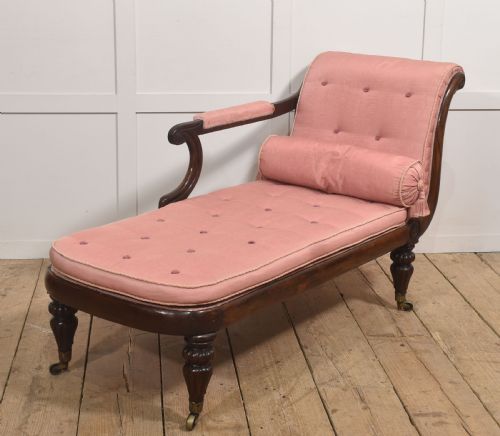
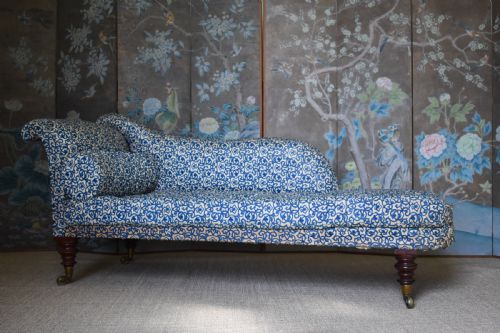


Victorian Scrolled Fainting Couch
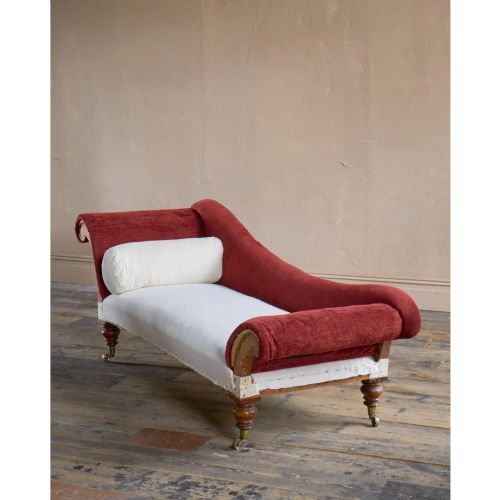
A victorian scrolled fainting couch brings nineteenth-century elegance to a room, offering a reclining seat designed for comfort and repose.
Victorian Scrolled Fainting Couch
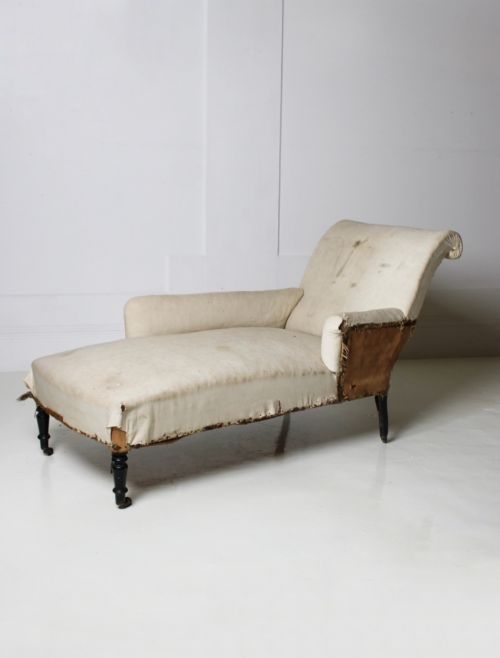
A victorian scrolled fainting couch combines the form of a sofa with the reclining comfort of a daybed, featuring a distinctive single raised scrolled arm. These nineteenth-century pieces span periods from Regency through to late Victorian, taking various forms including chaise longues, daybeds, and miniature furniture.
The version most commonly met on this page is the nineteenth-century rosewood or mahogany chaise longue, often upholstered in velvet, damask, or cotton fabrics. Pieces range from large country house daybeds to more intimate seating, some demonstrating maker attributions or specific stylistic influences such as William IV and Howard.
Makers such as Holland and Sons and Miles & Edwards produced fine examples during this era, utilising robust woods like oak, mahogany, and rosewood. Buyers also encounter ebonised miniature pieces and simpler country house variants alongside grander urban designs.
Materials and construction
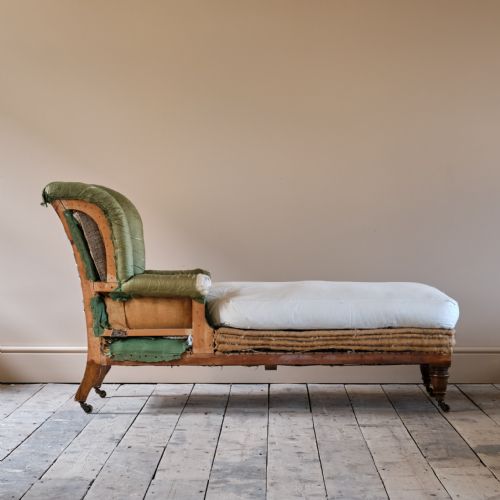
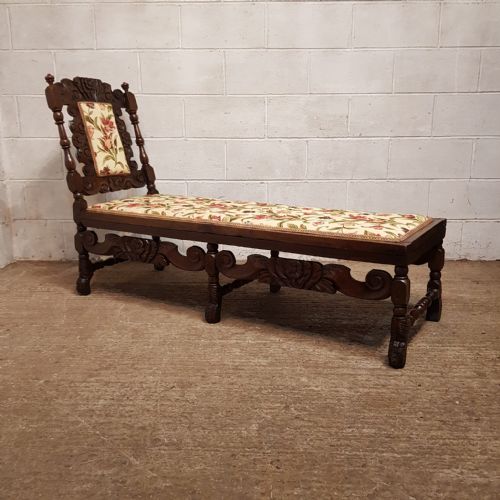
Makers constructed the frames of these pieces using solid hardwoods such as mahogany, rosewood, and oak, frequently incorporating turned wooden legs fitted with original brass castors. Some specialised examples feature cane seating alongside traditional sprung upholstery.
Upholstery techniques involved layering fabrics like velvet, damask, cotton, and calico over internal padding to achieve the characteristic scrolled back and arm support. Ebonising and elaborate carved details appear on specific nineteenth-century models.
Listings feature woods including mahogany, rosewood, oak, and ebonised timber alongside fabrics like velvet, damask, calico, and cotton.
Distinctions in quality
Quality reveals itself in the choice of timber and the sophistication of the frame carving, where solid rio rosewood or figured mahogany signifies a superior piece. The integration of the scrolled arm and the proportion of the turned legs dictate the visual balance of the daybed.
Attribution to known makers like Holland and Sons or Miles & Edwards elevates a piece, as does the presence of original castors and undisturbed period upholstery fabric. The structural integrity of the timber frame and the refinement of the joinery separate standard country house variants from top-tier workshop productions.
Holland and Sons·Miles & Edwards
The Victorian Scrolled Fainting Couch Glossary
- Daybed
- A couch that can be used for lounging or sleeping during the day. They appear in various nineteenth-century styles with upholstered or cane seating.
- Ebonised
- Wood finished to resemble ebony by staining or painting it black. This technique was popular for nineteenth-century decorative furniture and miniatures.
- Castor
- A small wheel mounted on a swivel attached to the legs of furniture. Original brass castors help identify period pieces.
- Damask
- A reversible figured fabric woven on a jacquard loom. It frequently appears as upholstery on nineteenth-century daybeds.
Victorian Scrolled Fainting Couch: Frequently Asked Questions
Where were fainting couches placed?
These pieces sat primarily in drawing rooms, parlours, or grand bedrooms of nineteenth-century homes. They provided a comfortable place for repose during the day.
Today, they suit living rooms or large studies as statement seating that functions effectively for reading or resting.
How do I identify a Victorian daybed?
Look for characteristic nineteenth-century timber choices such as mahogany, rosewood, and oak paired with traditional upholstery fabrics like velvet and damask. The presence of turned legs and brass castors helps date the piece.
Maker attributions or stylistic markers like William IV or Howard style further clarify the period and origin.
Can I use a fainting couch daily?
These nineteenth-century pieces serve well for regular lounging when the internal frame and upholstery remain sturdy. Many feature solid hardwood construction designed to withstand daily use.
Placing the piece away from direct sunlight protects the delicate fabrics such as damask and velvet from fading.