

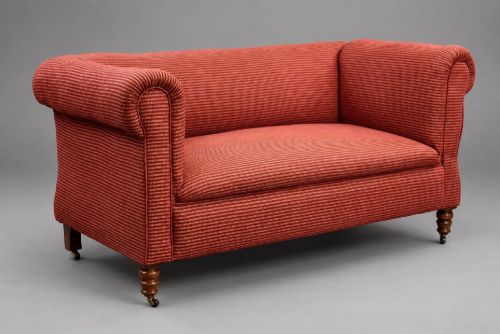
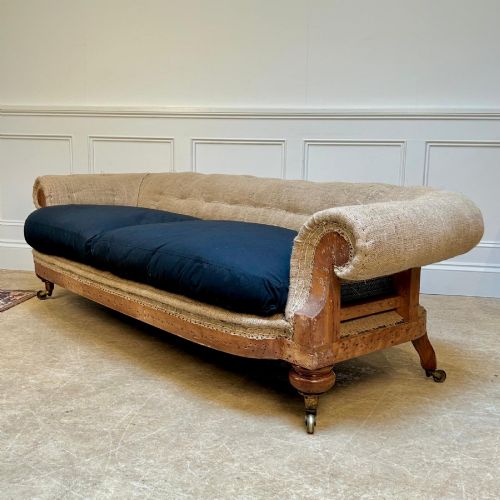
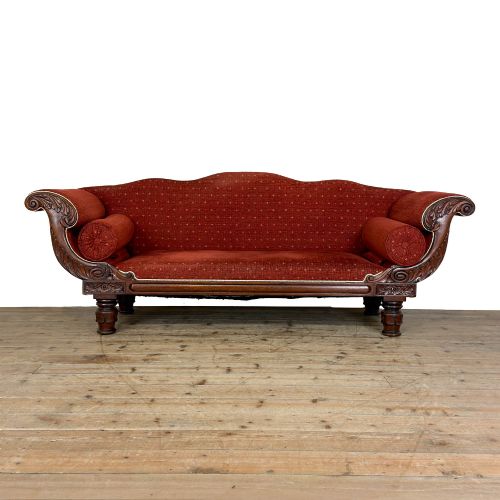
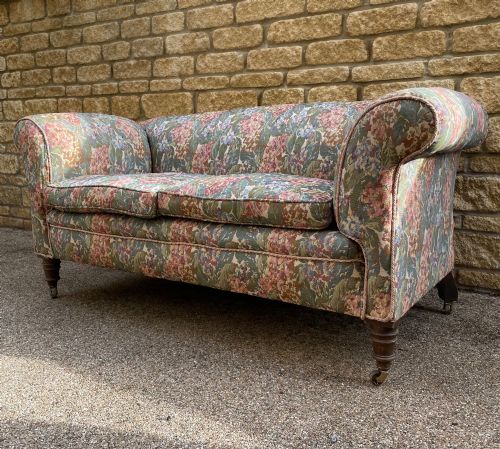
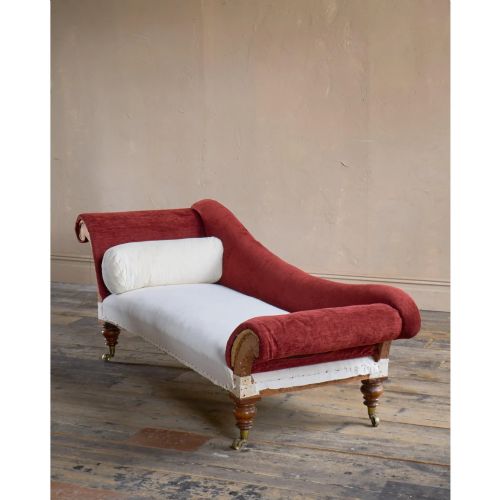
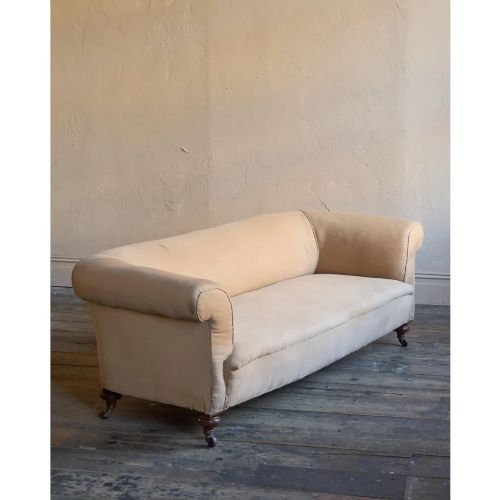
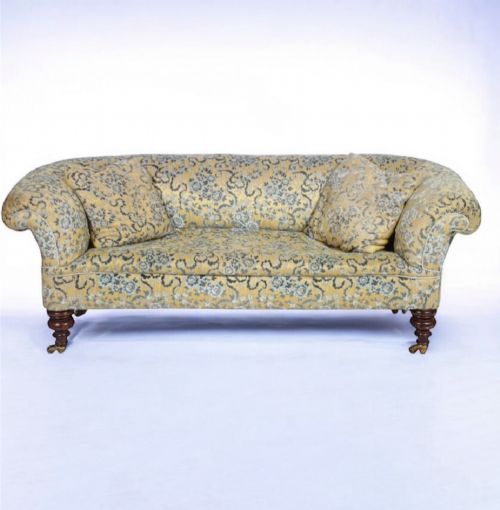
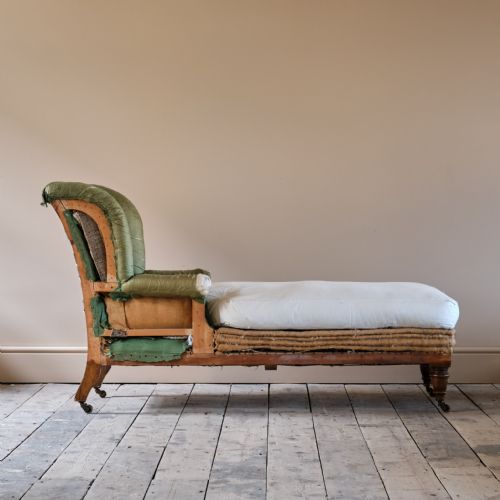

Victorian Scroll Couch
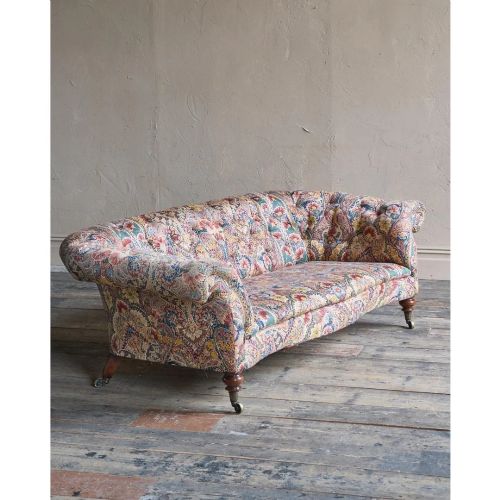
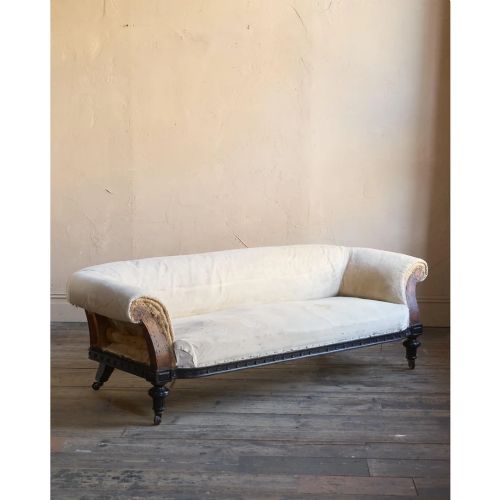
A victorian scroll couch brings deep-seated comfort and architectural presence to a room, uniting nineteenth-century craftsmanship with practical lounging.
Victorian Scroll Couch
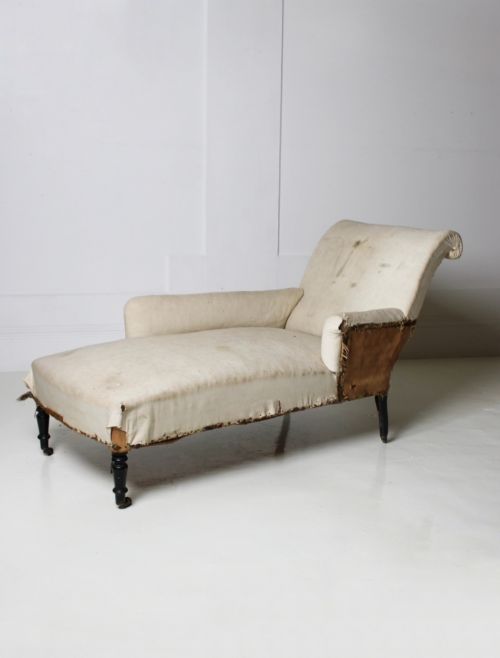
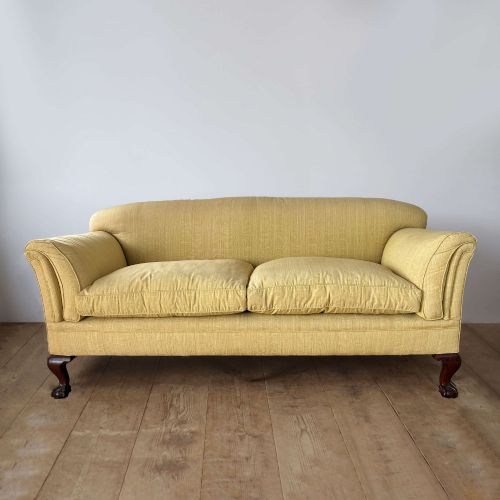
When searching for a victorian scroll couch, a buyer encounters a diverse group of nineteenth-century seating forms that includes chaises longues, daybeds, settees, and large country house sofas. These pieces span the nineteenth century, with specific examples appearing from the Regency period through to eighteen ninety, capturing styles from William IV to the Aesthetic Movement.
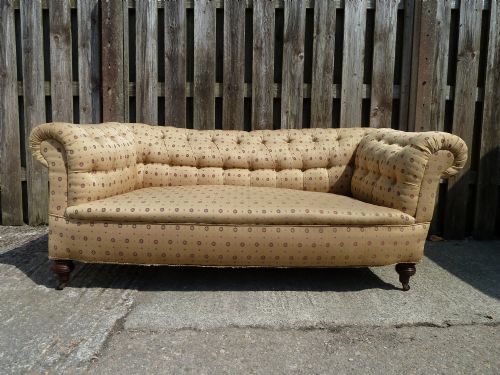
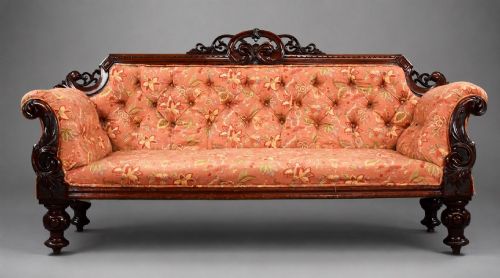
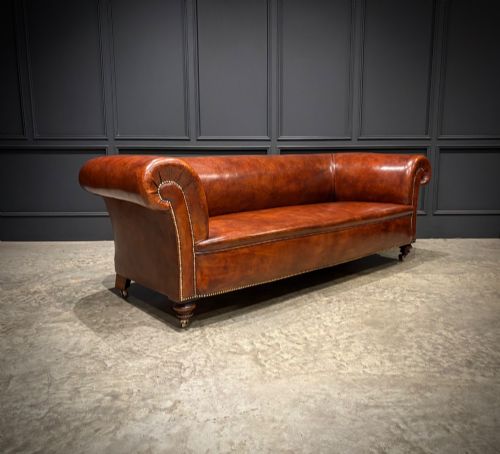
The most prevalent version met on this page is the upholstered sofa or chaise longue featuring distinctive carved scroll ends. Timelines stretch across early and late Victorian eras, taking shape in forms like the drop-arm sofa, the Chesterfield, and the scroll-arm settee.
Origins range from English country houses to Anglo-Indian workshops, with frames constructed to suit formal reception rooms or relaxed private chambers. The unifying element across these objects is the prominent scroll work paired with upholstered comfort.
Materials and construction
Timbers provide the structural backbone of these pieces, utilising dense hardwoods such as mahogany, walnut, rosewood, oak, and ebony. Cabinet makers shaped these woods into bold frames, visible scroll ends, and turned legs, frequently incorporating original castors for mobility.
Upholstery relies on traditional textiles layered over supportive foundations, with fabrics ranging from velvet and upholstery fabric to calico, damask, and brown leather. Caning also appears as a seating material on specific daybeds and chaises longues.
Brass detailing emerges in structural hardware and castors, providing functional accents that complement the rich dark woods. Carving is executed directly into the timber frames, defining the scroll ends and structural rails.
Victorian Scroll Couch Retail Price Guide 2026
Typical asking prices for victorian scroll couch among the pieces listed under this phrase on Sellingantiques today, from the lower quarter to the upper quarter. They describe what is for sale here now, not the wider market.
Original castors let these heavy nineteenth-century frames glide across the floor, ready to chase the afternoon sun.
Distinctions in quality
Quality reveals itself in the boldness of the timber framing and the sculptural depth of the carved scroll ends. Superior examples display substantial scale, tight joinery, and carefully figured woods like Rio rosewood or figured mahogany.
The execution of the upholstery foundation and the selection of covering material indicate the maker's original tier of production. Pieces bearing attribution to prominent makers display finer proportions and sharper cabinet work than standard commercial output.
Howard and Sons·Holland and Sons
The Victorian Scroll Couch Glossary
- Chesterfield Sofa
- A deep-buttoned upholstered sofa featuring arms and back of the same height. This form relies on traditional spring-loaded upholstery.
- Scroll End
- A structural arm or terminal carved into a continuous curving scroll shape. It defines the profile of nineteenth-century settees and chaises.
- Daybed
- A long seating item intended for daytime resting, functioning as a hybrid between a bed and a sofa. It appears across various nineteenth-century styles.
- Drop Arm
- A movable or hinged sofa arm that lowers to alter the seating surface into a sleeping or lounging space. This mechanism offers adjustable comfort.
Victorian Scroll Couch: Frequently Asked Questions
What is a scroll couch?
A scroll couch is a nineteenth-century seating form characterised by its distinctive curving wooden or upholstered scroll ends. These pieces include chaises longues, daybeds, and settees designed for formal or domestic lounging.
They combine robust timber frames in mahogany, walnut, or rosewood with deep upholstery to create a commanding visual presence in a room.
How do I identify a Victorian sofa?
Victorian sofas are identified by their nineteenth-century stylistic markers, including carved mahogany, rosewood, or walnut frames and traditional upholstery fabrics. They often display stylistic influences from the Regency period, William IV, or the Aesthetic Movement.
Look for structural clues like turned legs, original castors, and distinct scroll arm designs that indicate the manufacturing period between eighteen fifty and eighteen ninety.
Where were these couches used?
These couches served primarily in the principal reception rooms, libraries, and withdrawing rooms of nineteenth-century English country houses. Daybeds and chaises longues were also placed in private boudoirs and dressing rooms for daytime resting.
Their substantial scale and finished backs allowed them to sit prominently within large open spaces rather than pushed strictly against walls.
How do I care for antique upholstery?
Care for antique upholstery involves gentle vacuuming with a soft brush attachment to remove surface dust without straining delicate fabrics like velvet, damask, or calico. Protect the textiles from direct sunlight to prevent fading and degradation of historic fibres.
Wooden frames benefit from occasional dusting with a dry cloth and minimal application of appropriate wax polish to maintain the finish without harming the surrounding fabric.